
Contact us for free opinion
Brachial Plexus Palsy Treatment Cost in India
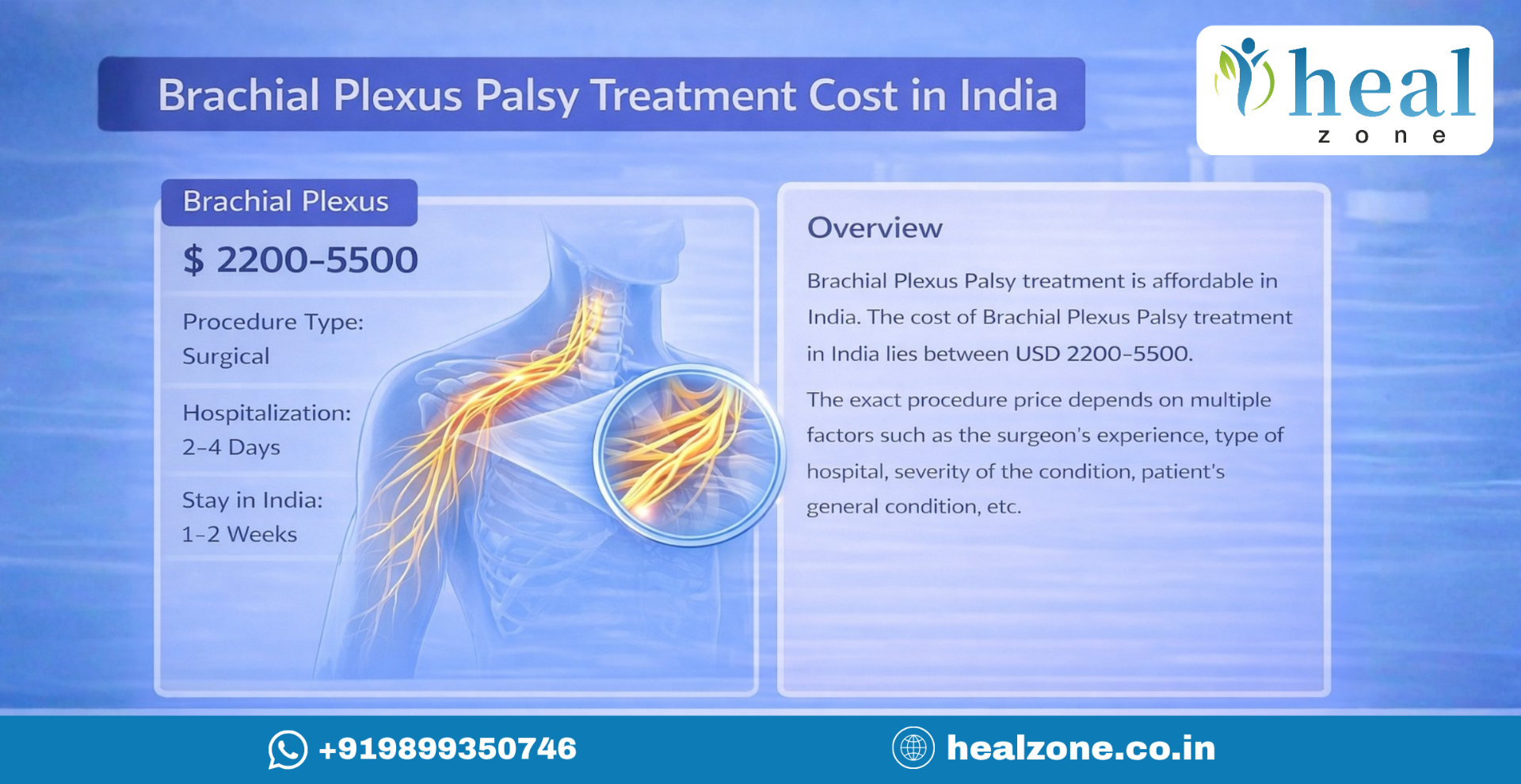
Cost:
$ 2200-5500
Procedure Type:
Surgical
Hospitalization:
2-4 Days
Stay in India:
1-2 Weeks
Success Rate:
90%
Overview
Brachial Plexus Palsy treatment is affordable in India. The cost of Brachial Plexus Palsy treatment in India lies between USD 2200-5500. The exact procedure price depends on multiple factors such as the surgeon's experience, type of hospital, severity of the condition, patient's general condition, etc.
Contact us for free opinion
Top Doctors for Brachial Plexus Palsy in India

Dr. Sandeep Vaishya
36 Years Years of Experience
Dr. Sudheer Kumar Tyagi
36 Years Years of Experience




Dr. Manish Jain
16 Years Years of Experience
Healzone supports patients and families by helping them connect with leading hospitals and experienced nerve specialists across India for advanced brachial plexus treatment and rehabilitation. From arranging specialist consultations and treatment planning to assisting patients through hospital coordination and recovery support, Healzone aims to make treatment access smoother and less stressful for both domestic and international patients.
While many people initially search for treatment cost, the more important questions are:
- What exactly is brachial plexus palsy?
- Who actually needs treatment?
- Can nerves recover naturally?
- What treatments are available?
- How long does recovery take?
- Will movement return?
- When is surgery necessary?
This guide answers these questions in a simple, human tone, focusing on providing maximum practical and medical information, so patients and caregivers can make confident treatment decisions. Cost information is included, but treatment understanding and recovery expectations are given priority.
What Is Brachial Plexus Surgery?
Brachial plexus surgery is a highly specialized microsurgical procedure that repairs or reconstructs the network of nerves controlling movement and sensation in the shoulder, arm, and hand. The brachial plexus consists of nerve roots emerging from the spinal cord in the neck and extending into the upper limb. Injury to this network can result from high-impact accidents, sports injuries, penetrating trauma, or complications during birth.
The goal of surgery is to restore nerve continuity, improve muscle function, and prevent long-term disability. Depending on the extent of damage, surgeons may reconnect severed nerves, transfer healthy nerves from other parts of the body, or graft nerve segments to bridge damaged areas. Advanced centers in India use high-precision microsurgical instruments, nerve stimulators, and intraoperative magnification to achieve optimal repair and alignment.
Timely intervention plays a crucial role in the outcome. While some nerve injuries recover with conservative therapy, severe cases require early surgical reconstruction to maximize the chances of regaining strength and sensation.
Who Needs Brachial Plexus Surgery?
Doctors recommend brachial plexus surgery for patients whose nerve injuries will not heal adequately with conservative treatment. This procedure benefits individuals who have lost movement, strength, or sensation in the shoulder, arm, or hand due to severe nerve damage.
Patients who often require surgical intervention include:
- Trauma victims with nerve root avulsions or ruptures from road accidents, falls, or sports injuries.
- Newborns with obstetric brachial plexus palsy, when stretching of nerves during delivery causes persistent weakness beyond the first few months of life.
- Individuals with penetrating injuries, such as stab wounds or gunshot injuries, that have severed one or more nerves.
- Patients with tumor-related nerve compression or removal, where surgery is necessary to restore function after tumor excision.
Surgeons evaluate candidates through nerve conduction studies, electromyography (EMG), and imaging before recommending surgery. Early surgical repair, ideally within six months of injury, offers the highest chance of regaining functional movement and sensation.
What are the Different Types of Brachial Plexus Surgery?
Surgeons choose the type of brachial plexus surgery based on the location, severity, and timing of the nerve injury. Each technique aims to restore muscle power and sensory feedback in the affected limb using microsurgical precision.
- Nerve Grafting: Surgeons remove a healthy nerve segment from another part of the body, often the leg, and use it to bridge the gap between two ends of a damaged nerve. This technique allows nerve fibers to grow across the repair and restore function.
- Nerve Transfer: When direct repair is not possible, surgeons transfer a working nerve from a less critical muscle to the injured nerve. It reroutes signals from the spinal cord to the target muscle, restoring movement more quickly than nerve grafting.
- Muscle Transfer: If the original muscles have lost their ability to respond due to prolonged denervation, surgeons transfer functioning muscles, along with their nerve and blood supply, to replace non-functional ones.
- Free Functional Muscle Transplantation: This advanced procedure involves transferring a muscle from a different body part, such as the thigh, to the arm or hand. Surgeons connect its nerves and blood vessels under a microscope to restore active movement.
- Combined Procedures: In complex injuries, surgeons may combine nerve grafting, nerve transfer, and muscle transfer during a single surgery or in stages to maximize functional recovery.
What Happens During the Procedure?
Brachial plexus surgery involves intricate microsurgical techniques performed under general anesthesia. The goal is to restore nerve continuity, reestablish electrical signal pathways, and revive muscle activity in the affected limb.
- Step 1: Surgical Planning and Positioning: Before surgery, the team reviews imaging studies, nerve conduction tests, and EMG results to map the injury. The patient is positioned to allow easy access to the neck, shoulder, and upper arm, depending on the injury site.
- Step 2: Exposure of the Injured Nerves: Surgeons make precise incisions to reach the brachial plexus without damaging surrounding tissues. High-magnification microscopes help visualize delicate nerve structures clearly.
- Step 3: Nerve Repair or Reconstruction: Based on the injury pattern, the surgeon performs nerve grafting, nerve transfer, or a combination. Damaged nerve segments are removed, and healthy nerve grafts or donor nerves are connected using fine microsutures. In some cases, muscle transfer is also performed during the same session.
- Step 4: Nerve Stimulation and Verification: Surgeons use intraoperative nerve stimulators to confirm that the repair is correctly transmitting electrical signals. It ensures proper alignment and function of the reconstructed nerve.
- Step 5: Closure and Dressing: Once repairs are complete, the incisions are closed with fine sutures, and sterile dressings are applied. The arm is often supported in a splint or sling to protect the repair during initial healing.
- Step 6: Immediate Post-Surgical Care: The patient is moved to a recovery area or ICU for monitoring. Pain control, wound checks, and early physiotherapy planning begin within the first few days.
Post-Surgery Recovery and Rehabilitation After Brachial Plexus Surgery
Recovery after brachial plexus surgery involves a structured plan to protect the repair, stimulate nerve regeneration, and rebuild muscle strength. The timeline varies depending on the type of surgery, the extent of injury, and the patient’s overall health.
- Hospital Stay and Initial Healing: Most patients stay in the hospital for 5 to 7 days after surgery. During this period, doctors monitor wound healing, manage pain, and prevent infection. The arm remains supported in a sling or splint to avoid stress on the repaired nerves.
- Early Rehabilitation: Physiotherapists start gentle, passive range-of-motion exercises within the first week to prevent joint stiffness. These movements maintain flexibility without disrupting nerve healing.
- Nerve Regeneration Phase: Nerve fibers regenerate slowly — about 1 millimeter per day. Functional improvements may take 3 to 6 months to appear, depending on the distance between the repair site and the target muscles.
- Active Strengthening and Functional Training: Once nerve signals reach the muscles, active physiotherapy begins. Exercises focus on rebuilding muscle power, improving coordination, and restoring fine motor control in the hand and fingers.
- Long-Term Follow-Up: Patients attend regular follow-up visits every 4 to 8 weeks for up to 18 months. These visits track recovery progress, adjust rehabilitation plans, and detect any complications early.
What are the Benefits of Brachial Plexus Surgery?
Brachial plexus surgery helps restore vital arm and hand functions lost due to nerve injury. When performed by experienced microsurgeons, it can significantly improve mobility, independence, and quality of life.
- Restoration of Movement: Successful surgery reestablishes nerve pathways, allowing patients to lift the arm, bend the elbow, and regain hand grip strength.
- Recovery of Sensation: By reconnecting or replacing damaged nerves, the procedure restores skin sensation in the shoulder, arm, and hand, which is crucial for daily activities and injury prevention.
- Reduction of Pain: Nerve reconstruction often reduces chronic neuropathic pain caused by damaged or compressed nerves, improving overall comfort.
- Prevention of Muscle Wasting: Early surgical repair prevents irreversible muscle atrophy, keeping muscles responsive while nerve regeneration takes place.
- Improved Quality of Life: Restored strength and sensation allow patients to return to work, participate in hobbies, and perform self-care without dependence on others.
What Is the Cost of Brachial Plexus Surgery in India?
The cost of brachial plexus surgery in India ranges from 1,80,000 to 4,50,000 (approximately $2,200 to $5,500). The exact price depends on the type of surgical repair performed (nerve grafting, nerve transfer, muscle transfer, or a combination) as well as the hospital’s infrastructure, surgeon’s expertise, and rehabilitation requirements.
Metro cities like Delhi, Mumbai, Bangalore, and Chennai generally have higher charges due to advanced surgical facilities and availability of senior microsurgeons. However, even at the upper range, the cost in India is 60–75% lower than in the USA, UK, or Singapore for the same level of surgical precision and post-operative care.
Patients traveling from abroad benefit from shorter wait times, internationally accredited hospitals, and access to specialized rehabilitation centers, making India a leading choice for complex nerve reconstruction surgeries.
Inclusions in the Package
- Surgeon’s and anesthetist’s professional fees.
- Pre-surgical investigations such as MRI, EMG, and blood tests.
- Operating room charges and surgical consumables.
- Hospital stay in a standard or private room for the specified duration.
- Medications and dressings during hospitalization.
- Post-operative monitoring in the ICU if required.
- Nursing care and physiotherapy sessions during the hospital stay.
- Follow-up consultation before discharge.
Exclusions from the Package
- Airfare and visa processing fees.
- Airport pickup, local transportation, and accommodation for attendants.
- Extended hospital stay due to unrelated conditions or complications.
- Outpatient physiotherapy after discharge.
- Additional tests or procedures not related to the brachial plexus surgery.
- Special implants or microsurgical instruments are not included in the standard package.
- Long-term medications and rehabilitation costs after discharge.
Brachial Plexus Surgery Cost Breakdown in India
The total cost of brachial plexus surgery in India is made up of several components, each contributing to the final price. Pre-surgical diagnostics such as MRI, nerve conduction studies, and EMG testing help determine the exact injury pattern and guide surgical planning. Surgeon’s fees and operating room charges form a significant part of the cost, especially for lengthy microsurgical procedures.
The type of reconstruction (whether nerve grafting, nerve transfer, or muscle transfer) influences the cost of surgical materials and duration of surgery. ICU monitoring may be required in complex cases, adding to the hospital charges. The length of hospital stay and the level of room category (shared, private, or deluxe) also impact the overall bill. Finally, post-operative physiotherapy and medications during the hospital stay are included in most packages, while outpatient rehab after discharge is billed separately.
| Component | Estimated Cost (INR) | Estimated Cost (USD) |
| Pre-surgical Tests & Imaging | 15,000 – 30,000 | $185 – $370 |
| Surgeon’s Fees | 60,000 – 1,20,000 | $740 – $1,480 |
| Operating Room & Consumables | 40,000 – 80,000 | $490 – $985 |
| Microsurgical Instruments/Implants | 25,000 – 60,000 | $305 – $740 |
| ICU Stay (if required) | 15,000 – 30,000 | $185 – $370 |
| Hospital Stay (5–7 days) | 25,000 – 50,000 | $305 – $615 |
| In-hospital Physiotherapy | 10,000 – 20,000 | $125 – $245 |
Cost Comparison of Brachial Plexus Surgery: India vs Other Countries
Brachial plexus surgery in India offers substantial savings compared to Western and some Asian countries, without compromising surgical quality. While the same procedure in the United States can cost between $20,000 and $40,000, India performs it for just $2,200 to $5,500. This cost advantage is possible because of lower operational expenses and competitive pricing for medical services, while still using advanced microsurgical techniques and internationally approved equipment.
In the United Kingdom and Singapore, the cost typically ranges from $18,000 to $35,000, depending on hospital type and the complexity of the repair. The UAE and other Gulf countries also have higher prices, often starting from $15,000, with limited availability of specialized nerve reconstruction teams.
| Country | Estimated Cost (USD) | Remarks |
| India | $2,200 – $5,500 | Skilled microsurgeons, advanced rehab, lower cost |
| USA | $20,000 – $40,000 | High hospital charges and surgeon fees |
| UK | $18,000 – $35,000 | Limited NHS access; private care is expensive |
| Singapore | $18,000 – $30,000 | High-quality care but higher operational costs |
| UAE | $15,000 – $25,000 | Fewer specialized centers for complex cases |
What are the Factors Affecting Brachial Plexus Surgery Cost in India?
Several factors determine the total cost of brachial plexus surgery in India, and these vary from patient to patient. Understanding these helps in accurate budgeting and choosing the right treatment plan.
- Type of Surgical Procedure: The complexity of the repair directly affects the cost. Nerve grafting generally costs less than free functional muscle transfer or combined procedures, which require longer operating time and specialized skills.
- Hospital Category and Location: Hospitals in metro cities like Delhi, Mumbai, and Bangalore typically charge more than those in smaller towns. JCI- or NABH-accredited facilities with advanced microsurgical suites and rehabilitation centers often have higher fees.
- Surgeon’s Expertise: Highly experienced microsurgeons who specialize in nerve reconstruction charge higher professional fees. Their expertise, however, can significantly improve functional outcomes.
- Pre-Existing Health Conditions: Patients with comorbidities such as diabetes, hypertension, or prior surgeries may require additional monitoring, investigations, or ICU care, increasing the total expense.
- Duration of Hospital Stay: Extended hospital stays due to complications or the need for intensive physiotherapy sessions will raise overall costs.
- Post-Operative Rehabilitation: While basic physiotherapy during the hospital stay is included, long-term outpatient rehabilitation after discharge is billed separately, and it can add significantly to the overall cost.
Why Choose India for Brachial Plexus Surgery?
India has established itself as a global hub for complex nerve reconstruction surgeries, including brachial plexus repair, by combining world-class surgical expertise with affordable treatment packages.
- Highly Skilled Microsurgeons: India has neurosurgeons and plastic surgeons who specialize exclusively in brachial plexus and peripheral nerve reconstruction. Many have trained at top global institutions and performed hundreds of successful procedures.
- Advanced Surgical Infrastructure: JCI- and NABH-accredited hospitals in India are equipped with microsurgical operating theaters, high-powered surgical microscopes, intraoperative nerve stimulators, and dedicated rehabilitation units.
- Significant Cost Advantage: Even with advanced surgical technology and experienced specialists, treatment costs in India remain 60–75% lower than in Western countries, without compromising outcomes.
- Short Waiting Times: Unlike in some countries where patients wait months for surgery, Indian hospitals offer quick scheduling, which is critical for nerve injuries where early intervention improves results.
- Comprehensive Rehabilitation Services: Specialized physiotherapy and occupational therapy teams guide patients through every stage of recovery, ensuring sustained functional improvement after surgery.
What are the Services Available for International Patients?
Hospitals in India provide dedicated services to make the brachial plexus surgery journey smooth, comfortable, and well-coordinated for patients traveling from abroad.
- Visa Assistance: International patient departments issue medical visa invitation letters and guide patients through the visa application process, ensuring faster approval.
- Airport Transfers: Hospitals arrange airport pickup and drop-off services for patients and their attendants, ensuring safe and hassle-free transport.
- Interpreter Services: Professional interpreters for Arabic, French, Russian, Spanish, and other languages assist patients in communicating effectively with the medical team.
- Accommodation Support: Coordinators help book nearby hotels, serviced apartments, or guest houses that match the patient’s budget and comfort requirements.
- Pre-Arrival Medical Consultation: Patients can share reports online and receive a video consultation or second opinion from the surgeon before traveling, helping finalize the treatment plan.
- Dedicated Care Coordinators: Each patient is assigned a personal coordinator to assist with admissions, billing, scheduling follow-ups, and addressing non-medical needs throughout their stay.
What is the Success Rate of Brachial Plexus Surgery in India?
Brachial plexus surgery in India achieves a functional improvement rate of 75% to 90%, depending on the type and timing of the repair. Early intervention, ideally within the first 6 months of injury, produces the highest recovery rates, as the chances of nerve regeneration decline over time.
For nerve grafting and nerve transfer procedures, most patients regain significant shoulder and elbow movement within 6 to 12 months after surgery. Hand and finger movement recovery is more gradual and may take 12 to 18 months. In complex cases requiring free functional muscle transfer, patients typically experience steady strength gains once nerve signals reconnect to the transplanted muscle.
Indian hospitals maintain high success rates by using microsurgical precision, intraoperative nerve monitoring, and structured post-surgery rehabilitation programs. Regular physiotherapy and follow-up programming help sustain the regained function and prevent stiffness or muscle loss.
While complete restoration of pre-injury function is rare in severe cases, the majority of patients report marked improvements in mobility, pain reduction, and independence in daily activities.
Top Hospitals for Brachial Plexus Palsy in India

Frequently Asked Questions
Brachial plexus palsy is a condition caused by injury to the network of nerves (brachial plexus) that control movement and sensation in the shoulder, arm, and hand. When these nerves are stretched, torn, or avulsed from the spinal cord, patients may experience weakness, paralysis, numbness, or loss of function in the affected limb.
Brachial plexus injuries can occur due to:
-
Road traffic accidents and high-impact trauma
-
Falls or sports-related injuries
-
Penetrating injuries like knife or gunshot wounds
-
Birth-related nerve injuries in newborns (obstetric brachial plexus palsy)
-
Tumor compression or nerve damage during tumor removal surgery
Mild nerve stretch injuries may recover naturally within a few weeks to months with physiotherapy. However, severe injuries such as nerve rupture or avulsion do not heal on their own and usually require surgical intervention. Doctors monitor recovery for 3–6 months before recommending surgery in non-emergency cases.
Surgery is recommended when:
-
There is no significant improvement after 3–6 months of conservative treatment
-
Imaging shows nerve rupture or avulsion
-
Muscle wasting or complete paralysis is present
-
The injury severely limits daily function
Early surgery, preferably within 6 months of injury, offers the best recovery outcomes.
The ideal time for surgery is within 3–6 months after injury. In newborns, surgery is usually considered if there is no recovery by 3–9 months of age. Delayed surgery beyond 12 months may still help but often results in reduced functional recovery.
Latest Blogs