

Contact us for Bone Marrow Transplant Cost in India
Bone Marrow Transplant Cost in India

$18,000–$40,000
90 %
A Bone Marrow Transplant (BMT), also known as a Stem Cell Transplant, is a key treatment for blood diseases such as leukemia, lymphoma, myeloma, bone marrow failure, and certain genetic disorders. For international patients, deciding where to have a BMT is both a significant medical and financial decision. Bone Marrow Transplant Cost in India ranges between USD 18,000 to USD 40,00, which is a fraction of cost in the Western Countries.
India is recognized for providing advanced bone marrow transplant treatments at a fraction of Western costs, while maintaining international standards of care. Highly trained hematologists, modern transplant units, strict infection-control protocols, and multidisciplinary teams ensure safe and effective treatment for patients from over 40 countries.
Top Doctors for Bone Marrow Transplant in India




India provides some of the most affordable BMT packages in the world, and medical quality is not compromised. On average:
Average Cost of Bone Marrow Transplant (BMT) in India
|
Autologous BMT |
$16,000 – $24,000 |
|
Allogeneic BMT (Related Donor) |
$28,000 – $42,000 |
|
Allogeneic BMT (Unrelated Donor) |
$55,000 – $85,000 |
|
Haploidentical BMT |
$34,000 – $48,000 |
Why India Is Affordable for Bone Marrow Transplant?
- Government-regulated treatment pricing
- Lower hospitalization costs
- Affordable yet world-class healthcare infrastructure
- Experienced transplant units that perform high volumes
- Lower medication and lab costs compared to Western countries
Even when you include travel, accommodation, and care after treatment, the total cost in India is still much lower than in the US, UK, Germany, or Singapore.
Top Hospitals for Bone Marrow Transplant in India
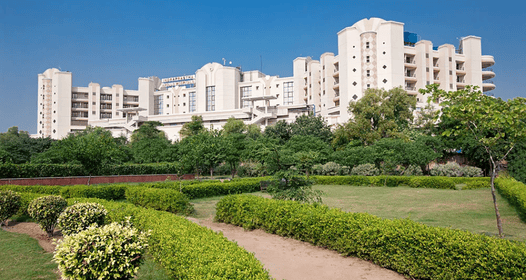
Indraprastha Apollo Hospital, New Delhi
Indraprastha Apollo Hospital, NH-19, New Delhi

Medanta-The Medicity Gurgaon
CH Baktawar Singh Rd, Medicity, Islampur Colony, Sector 38, Gurugram, Haryana 122001
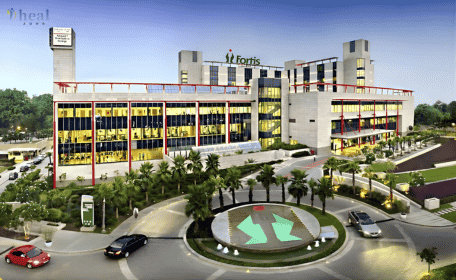
Fortis Memorial Research Institute (FMRI) Gurugram
Sector - 44, Opposite HUDA City Centre, Gurugram, Haryana 122002
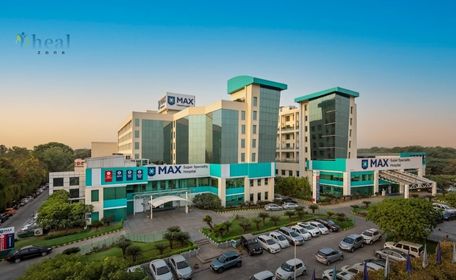
Max Super Speciality Hospital, Saket
Press Enclave Marg, Saket, New Delhi, Delhi 110017
Cost Comparison for Bone Marrow Transplant (BMT)
The global cost comparison below shows how affordable India is for international patients:
Bone Marrow Transplant Cost Comparison Table
|
USA |
$120,000 – $250,000 |
$250,000 – $400,000+ |
|
UK |
$95,000 – $180,000 |
$180,000 – $300,000 |
|
Germany |
$110,000 – $200,000 |
$200,000 – $350,000 |
|
Singapore |
$70,000 – $120,000 |
$150,000 – $250,000 |
|
Turkey |
$45,000 – $75,000 |
$70,000 – $130,000 |
|
India |
$16,000 – $24,000 |
$28,000 – $42,000 |
Key Observations
- India costs 70–80% less than the US and UK.
- India is 40–55% cheaper than Turkey and Singapore.
- The quality of treatment, results, and procedures in India match international standards.
- The lower costs are due to economic differences, not lower medical quality.
Because of these factors, many patients from the Middle East, Africa, CIS countries, Southeast Asia, and Europe choose India for BMT.
What Is Bone Marrow Transplant (BMT)?
A Bone Marrow Transplant is a procedure where damaged or diseased bone marrow is replaced with healthy stem cells. These new stem cells help make:
- Healthy blood cells
- Red blood cells (oxygen transport)
- White blood cells (immune defense)
- Platelets (blood clotting)
If bone marrow stops working because of disease or treatment, a transplant helps the body make healthy blood cells again.
How Bone Marrow Transplant (BMT) Works?
- Body is prepared through chemotherapy/radiation (conditioning).
- Healthy stem cells are infused into the bloodstream.
- Cells travel to the bone marrow.
- The stem cells start making new blood cells, which is called engraftment.
Goals of Bone Marrow Transplant (BMT)
- Replace diseased bone marrow
- Restore immune function
- Allow higher chemotherapy doses
- Treat blood cancers
- Cure genetic blood disorders
Types of Bone Marrow Transplant (BMT)+ Costs
There are four main types of BMT. Each type has its own costs, risks, donor needs, and recovery times.
1. Autologous Bone Marrow Transplant
Patient’s own stem cells are used.
Best For:
- Multiple Myeloma
- Relapsed Lymphomas
- Certain autoimmune disorders
Advantages
- No risk of donor mismatch
- Lower infection risk
- Faster recovery
Cost in India: $16,000 – $24,000
2. Allogeneic Bone Marrow Transplant (Related Donor)
Stem cells come from a matched sibling or family member.
Best For:
- Leukemia
- Aplastic anemia
- Thalassemia major
- Sickle cell disease
- Other inherited disorders
Advantages
- Donor immune system can attack cancer cells (graft-versus-leukemia effect)
- Higher cure potential for many cancers
Cost in India: $28,000 – $42,000
3. Allogeneic BMT (Unrelated Donor)
For patients without a family donor, registries like DKMS, NMDP, or DATRI are used.
Cost Components
- Donor search & matching
- Stem cell acquisition
- Logistics and cryopreservation
Cost in India: $55,000 – $85,000
4. Haploidentical BMT (Half-Matched Donor)
Donor is a parent, child, or sibling with a 50% match.
Best For
- Patients without full match
- Patients in urgent need
Advantages
- Wider donor availability
- Good outcomes with modern techniques
Cost in India: $34,000 – $48,000
Step-by-Step Procedure of Bone Marrow Transplant
Here is an overview of the full medical process, from evaluation to discharge:
1. Pre-Transplant Evaluation
Includes:
- Hematology assessment
- Imaging: CT/MRI/PET-CT
- Bone marrow biopsy
- HLA typing
- Infectious disease screening
- Heart, liver, and kidney evaluation
2. Conditioning (Chemo/Radiation)
Purpose:
- Destroy diseased bone marrow
- Suppress immune system
- Create space for new stem cells
Types:
- Myeloablative conditioning
- Reduced-intensity conditioning
3. Stem Cell Collection
For autologous BMT:
- Collect from patient via apheresis
For allogeneic BMT:
- Collect from donor
4. Stem Cell Infusion (Day 0)
- Stem cells infused like a blood transfusion
- Patient monitored closely
5. Engraftment (Day 10–28)
- Stem cells start producing new blood cells
- Platelets and WBCs recover
- Patient kept in protective isolation
6. Post-Transplant Hospital Stay
Typical stay:
- Autologous BMT: 2–3 weeks
- Allogeneic BMT: 4–6 weeks
7. Follow-Up Phase
Monitoring includes:
- Blood tests
- Infection screening
- Graft-versus-host (GVHD) monitoring
- Medication adjustments
It can take 6 to 12 months for the immune system to fully recover.
Conditions Treated With Bone Marrow Transplant
BMT is widely used to treat:
1. Blood Cancers
- Acute Myeloid Leukemia (AML)
- Acute Lymphoblastic Leukemia (ALL)
- Chronic Leukemia
- Lymphomas
- Multiple Myeloma
2. Bone Marrow Failure Syndromes
- Aplastic anemia
- Myelodysplastic syndromes
3. Genetic Blood Disorders
- Thalassemia major
- Sickle cell anemia
- Immunodeficiency disorders
4. Immune & Metabolic Disorders
- Autoimmune diseases
- Rare metabolic conditions
For many of these conditions, BMT is often the only cure.
Cost Breakdown of Bone Marrow Transplant in India
A detailed breakdown helps international patients see what makes up the total cost.
Detailed Cost Breakdown
|
Pre-transplant tests |
$1,200–$2,400 |
|
Donor testing |
$600–$1,200 |
|
Conditioning therapy |
$2,400–$4,800 |
|
Stem cell collection |
$1,200–$2,400 |
|
Transplant procedure |
$3,600–$6,000 |
|
Hospital stay (3–6 weeks) |
$6,000–$14,000 |
|
Medications |
$2,400–$7,200 |
|
Post-transplant care |
$2,400–$4,800 |
|
Unrelated donor registry cost |
$18,000–$30,000 |
Factors Affecting Cost for Bone Marrow Transplant(BMT)
The total BMT cost may vary due to:
- Type of transplant
- Donor type
- HLA matching expenses
- Disease severity
- Length of hospital stay
- Complications
- ICU requirement
- Use of special medications (ATG, G-CSF, antivirals)
- Country of origin & visa duration
- Post-transplant stay in India
Knowing about these factors can help you avoid surprise costs.
Success Rates of Bone Marrow Transplant in India
Transplant centers in India follow US and European guidelines and get excellent results.
Average Success Rates
|
Autologous BMT for Myeloma |
85–95% |
|
Lymphoma Autologous BMT |
70–85% |
|
Leukemia Allogeneic BMT |
60–80% |
|
Aplastic Anemia BMT |
80–90% |
|
Thalassemia BMT |
80–90% |
|
Sickle Cell BMT |
85–95% |
Success depends on:
- Age
- Disease stage
- Donor match
- Infection control
- Hospital experience
India’s high success rates give international patients confidence in choosing treatment here.
Why Choose India for Bone Marrow Transplant?
International patients prefer India for multiple reasons:
1. Affordable Treatment
India offers care that meets international standards at about one-third of the usual cost.
2. Experienced Transplant Specialists
Indian hematologists perform thousands of transplants yearly and have global training from:
- USA
- UK
- Europe
- Singapore
3. World-Class Transplant Units
Features include:
- HEPA-filtered rooms
- Positive pressure ICUs
- Strict infection protocols
- 24/7 monitoring
4. Interpreter-Supported Communication
For international patients:
- Interpreter services available
- Staff trained to communicate clearly
- Language support for Arabic, Russian, French, Swahili, and more
5. Fast Treatment Without Waiting List
Unlike many Western countries, India provides:
- Immediate donor evaluation
- Rapid transplant scheduling
- No long queues
6. High Success Rates at Low Cost
India delivers results that match global standards, with affordable packages. This makes it a top choice for medical tourism.
7. Safety, Hospitality & Culture
India provides:
- Safe environment
- Affordable long-term stays
- International food options
- Patient-friendly culture
How HealZone Helps International Patients?
HealZone is a leading medical facilitation service that supports patients throughout their treatment journey in India.
1. Pre-Arrival Support
- Medical report analysis
- Treatment plan from top doctors
- Transparent cost estimation
- Assistance in selecting the right center
2. Visa & Travel Assistance
- Medical visa documentation
- Invitation letter for embassy
- Travel planning and ticket support
3. Local Care in India
- Airport pickup
- Accommodation booking
- Ground transport
- Interpreter services
- Dedicated care manager
4. Treatment Coordination
- Appointment scheduling
- Donor screening
- Daily follow-up with doctors
- Smooth hospital admission
5. Post-Transplant Support
- Follow-up consultations
- Medication guidance
- Medical report management
- Return travel assistance
HealZone ensures a safe, organized, and seamless experience for international patients and their families.
Risks and Complications of Bone Marrow Transplant
As with any major medical procedure, BMT involves potential risks.
Common Risks
- Infections
- Bleeding
- Slow engraftment
- Organ stress
Specific Complications
1. Graft-versus-host disease (GVHD)
More common in allogeneic BMT.
2. Veno-occlusive disease (VOD)
Liver-related complication.
3. Graft failure
Rare, but possible.
4. Long-term Risks
- Hormonal changes
- Infertility
- Cataracts
- Secondary cancers (rare)
India’s advanced monitoring protocols help detect and manage complications early.
Recovery Timeline for Bone Marrow Transplant(BMT)
Recovery varies depending on transplant type and patient condition.
Timeline Overview
|
Hospital Stay |
2–6 weeks |
Conditioning, infusion, engraftment |
|
Initial Recovery |
1–3 months |
Immune recovery begins |
|
Moderate Recovery |
3–6 months |
GVHD monitoring, strength improves |
|
Full Recovery |
6–12 months |
Immune system returns to normal |
Recovery Guidelines
- Avoid crowds
- Maintain hygiene
- Strict medication schedule
- Regular blood tests
- Balanced nutrition
- Avoid raw or street food
Recovery takes time, but most patients get back to normal life within a year.
Life After Bone Marrow Transplant
Life gets much better after a successful transplant. Patients regain their strength, immunity, and normal daily function.
1. Quality of Life
Most patients return to:
- School
- Work
- Travel
- Physical activities
2. Long-Term Follow-Up
Regular follow-ups include:
- Blood counts
- Organ function tests
- Immune status checks
3. Lifestyle Adjustments
- Clean diet
- Controlled environment
- Low exposure to infection
- Regular exercise
4. Emotional & Mental Health
Counseling is often beneficial for:
- Stress
- Anxiety
- Long treatment journey
With the right care, patients can live healthy, active, and fulfilling lives after BMT.
Frequently Asked Questions
The cost of a bone marrow transplant in India ranges from $18,000 to $40,000, depending on the transplant type (autologous or allogeneic), donor match, and overall medical condition. India offers some of the most affordable BMT pricing compared to Western countries.
India is cheaper because of lower hospital costs, affordable medications, competitive healthcare pricing, and high patient volumes, all while maintaining international care standards.
A BMT typically takes 3–4 weeks, including conditioning, stem-cell infusion, and engraftment. Full recovery may take 3–6 months.
There are two main types of BMT:
- Autologous Transplant – uses the patient’s own stem cells.
- Allogeneic Transplant – uses stem cells from a donor (matched sibling, unrelated donor, or haploidentical donor).
Patients with blood cancers, bone marrow failure, genetic disorders, and severe immune deficiencies are typically eligible after evaluation of organ function, donor match, and overall health.
BMT treats leukemia, lymphoma, multiple myeloma, aplastic anemia, thalassemia, sickle cell disease, and other life-threatening blood disorders.
Success rates range from 60% to 90%, depending on disease type, stage, donor match, and patient response to conditioning therapy.
Most patients stay 3–4 weeks in the hospital for monitoring, infection control, and engraftment observation..
Major risks include infection, graft-versus-host disease (GVHD), graft failure, organ toxicity, and bleeding complications. Early detection and supportive care reduce these risks significantly.
Most international patients stay for 2–3 months, which includes pre-transplant tests, transplant procedure, and post-transplant follow-up.
Donor matching is based on HLA typing. Best matches come from siblings, followed by unrelated or half-matched (haploidentical) donors
