

Contact us
- Understanding Obesity: More Than Just Weight
- Traditional Approaches to Weight Loss
- Weight Loss Medications: The New Frontier
- Weight Loss Surgery: Tried and Tested
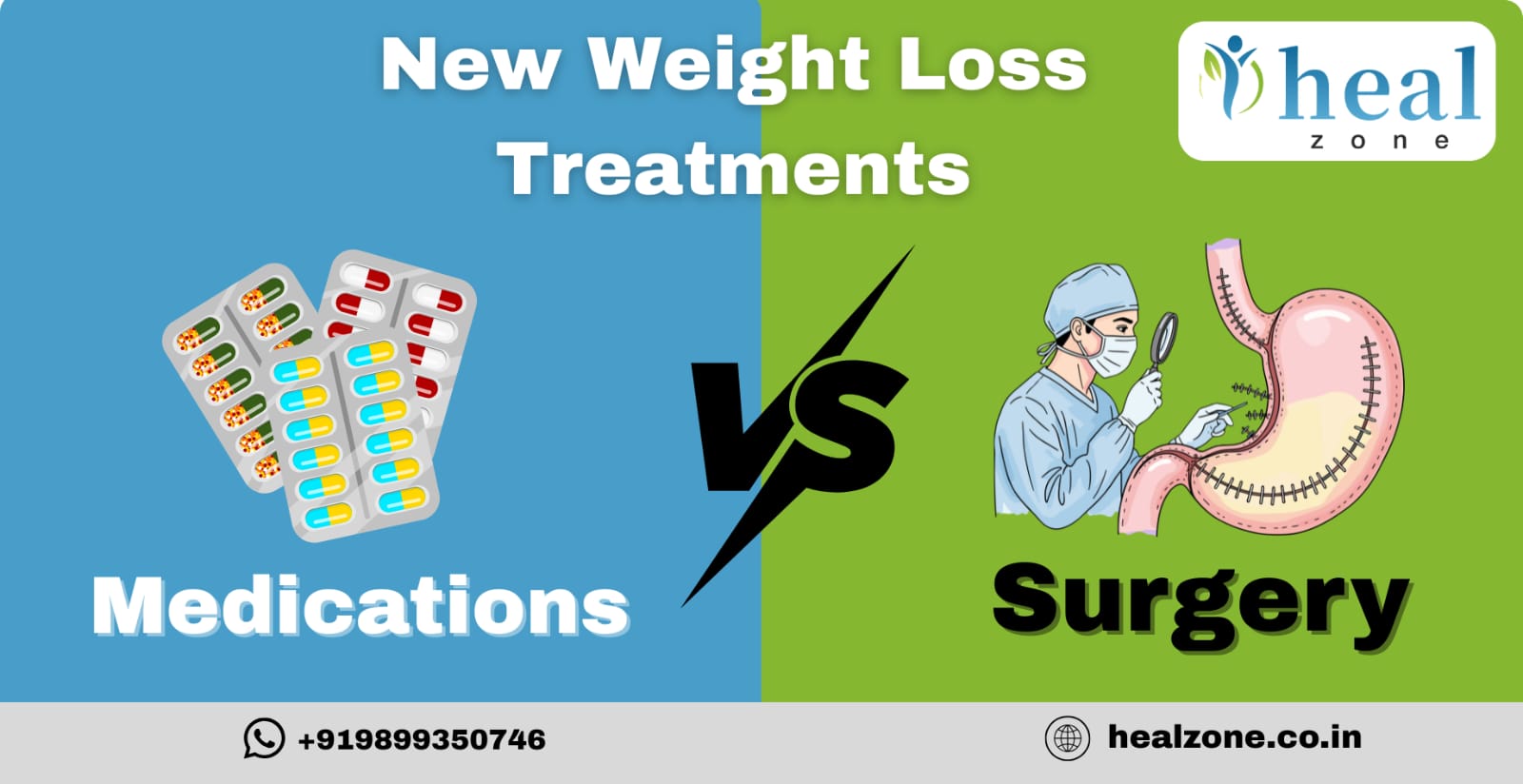
- Medications vs Surgery: Side-by-Side Comparison
- How to Choose the Right Treatment for You
- Lifestyle Changes: The Essential Partner
- Real Stories & What the Research Says
- Conclusion
Obesity isn’t just about weight — it’s a serious health condition linked to diabetes, heart disease, high blood pressure, joint problems, and even some cancers. As global rates of overweight and obesity rise, more people are questioning which weight-loss treatments really work.
In recent years, medical science has delivered powerful new tools — from breakthrough medications to refined surgical techniques — giving individuals more choice than ever before. In this blog, we’ll explore the difference between weight-loss medications and surgery, how they work, and how to decide what’s right for you.
Understanding Obesity: More Than Just Weight
Obesity is medically defined by Body Mass Index (BMI) — a number calculated from weight and height. But the condition isn’t just about scale numbers — it affects metabolism, hormones, appetite signals, and overall health.
Experts now view obesity as a chronic disease — meaning long-term, ongoing care is often needed, similar to conditions like hypertension or diabetes.
Traditional Approaches to Weight Loss
Before diving into medications and surgery, it’s important to revisit what most people start with:
- Diet changes: Cutting calories, choosing nutritious foods, balancing macronutrients.
- Exercise: Regular physical activity to increase calorie burn and strengthen the body.
- Behavioral changes: Sleep quality, stress management, consistent routines.
These methods form the foundation of any weight-loss plan, but when they don’t work enough — especially for individuals with obesity — medical interventions may be recommended.
Weight Loss Medications: The New Frontier
In the last decade, weight-loss medications have advanced dramatically. Unlike old pills with sketchy results, modern medications work at a hormonal level — reducing appetite, slowing digestion, and even affecting how the brain registers hunger.
How They Work
Most of the most effective new drugs belong to a class called GLP-1 receptor agonists. These drugs mimic a hormone the body naturally produces to regulate appetite and blood sugar.
By acting on receptors in the brain, stomach, and pancreas, GLP-1 medications:
- Reduce hunger
- Slow gastric emptying (you feel full longer)
- Improve blood sugar control
Popular and Emerging Medications
Here are some of the top medications currently used or emerging for weight loss:
- Wegovy (semaglutide): A weekly injectable now also approved as a daily pill in the U.S., making treatment more accessible and convenient. Clinical trials show ~14% body-weight loss on average.
- Tirzepatide (e.g., Zepbound/Mounjaro): Targets both GLP-1 and GIP hormones for enhanced appetite control.
- Liraglutide (Saxenda): Another GLP-1 medicine approved for weight management.
- ContraVe (naltrexone-bupropion): Works on appetite and reward pathways.
- Emerging experimental drugs are aiming to combine multiple hormone targets for even greater results.
Many of these drugs were originally developed for type 2 diabetes, but later showed significant weight loss as a beneficial effect.
Effectiveness and Results
GLP-1 medications can help many people lose a moderate but meaningful percentage of body weight (often between 10–20% depending on dose and duration).
They are especially effective when combined with diet and exercise changes. However, continuing treatment is usually necessary — stopping medication often leads to weight regain.
Advantages of Medications
- Non-surgical and less invasive
- Appetite suppression and biological mechanism
- Gradual, sustainable weight loss for many people
- May improve diabetes and blood-sugar control
Risks and Side Effects
- Gastrointestinal issues (nausea, diarrhea)
- Cost and insurance limitations
- Weight rebound if stopped
- Rare risks like pancreatitis (injections) have been reported
Weight Loss Surgery: Tried and Tested
BMI thresholds and health conditions often guide surgical eligibility. For many with severe or class II–III obesity, surgery remains the most effective treatment for long-term results.
Types of Bariatric Surgery
- Gastric Sleeve (Sleeve Gastrectomy) – Removes a large portion of the stomach to reduce appetite.
- Gastric Bypass (Roux-en-Y) – Creates a small stomach pouch and reroutes digestion for reduced calorie absorption.
- Adjustable Gastric Banding – Places a band to limit food intake (used less often now).
- Duodenal Switch – Combines stomach reduction with decreased absorption.
How Surgery Works
By physically reducing stomach size and altering digestive pathways, surgery:
- Restricts food intake
- Changes gut hormone responses
- Improves metabolic regulation (especially for diabetes)
Effectiveness and Outcomes
Bariatric surgery often leads to greater and more durable weight loss than medications — with typical reductions of 25–30% or more of total body weight.
For many patients, additional benefits include improved blood pressure, diabetes remission, and reduced risk of cardiovascular disease.
Advantages of Surgery
- Significant and long-lasting weight loss
- Strong impact on metabolic health conditions
- Often greater improvements in quality of life
Risks and Considerations
- Surgical risk (infection, bleeding)
- Lifestyle changes required for life
- Possible nutrient deficiencies
- Longer recovery period
Medications vs Surgery: Side-by-Side Comparison
|
Feature |
Weight-Loss Medications |
Bariatric Surgery |
|
Invasiveness |
Non-surgical |
Surgical |
|
Average Weight Loss |
Moderate (~10–20%) |
High (~25–30+%) |
|
Speed of Results |
Gradual |
Faster after healing |
|
Long-Term Maintenance |
Requires ongoing treatment |
Often durable after adjustment |
|
Recovery Time |
None |
Weeks to months |
|
Health Impact Beyond Weight |
Helps metabolism, diabetes |
Helps diabetes, heart, sleep apnea |
|
Best For |
Mild-moderate obesity |
Severe obesity & related conditions |
How to Choose the Right Treatment for You
Choosing a path depends on:
- BMI and health status
- Past weight-loss attempts
- Presence of diabetes or other conditions
- Personal preferences (surgery comfort vs medication adherence)
- Cost and insurance coverage
Always consult a healthcare provider before starting any medication or surgical plan.
Lifestyle Changes: The Essential Partner
No treatment works best without lifestyle changes:
- Balanced nutrition
- Regular physical activity
- Sleep and stress management
- Behavioral support
Medications and surgery enhance weight-loss biology — but long-term success still needs habits and environment.
Real Stories & What the Research Says
Recent studies show surgery still leads in total weight loss and metabolic improvement, while medications are a strong option for many patients who aren’t surgical candidates.Success stories vary — from significant surgical transformations to steady medication-aided progress — but consistency remains key.
Conclusion
Both weight-loss medications and bariatric surgery have revolutionized obesity care. Medications offer a powerful, less invasive option for many individuals, while surgery remains the gold standard for significant, lasting weight reduction — especially in more severe cases.
Whatever path you consider, remember that every journey is personal. Combining medical treatment with lifestyle change, professional guidance, and long-term commitment gives you the best chance at sustainable success.
Contact us
Written by

B.Sc. & M.Sc. in Medical Imaging Technology
Frequently Asked Questions
The two biggest breakthroughs in modern obesity care are GLP-1 based medications (like semaglutide, liraglutide, tirzepatide) and bariatric/metabolic surgeries (such as gastric sleeve, gastric bypass, and duodenal switch). These treatments target the biological roots of obesity instead of relying only on willpower, diet, or exercise.
Most modern weight-loss drugs work by affecting hormones and appetite-regulation centers in the brain. For example, GLP-1 medications:
- Reduce hunger and cravings
- Slow digestion (so you feel full longer)
- Improve blood sugar control
This hormonal support helps people eat less without feeling starved or deprived.
Some widely used and emerging medications include:
- Semaglutide (Wegovy)
- Tirzepatide (Zepbound/Mounjaro)
- Liraglutide (Saxenda)
- Naltrexone-Bupropion (Contrave)
- Orlistat (Xenical)
Each works differently and is prescribed based on individual health needs.
A doctor may prescribe medication if:
- BMI is ≥30, or
- BMI is ≥27 with obesity-related conditions (like diabetes, hypertension, or PCOS)
However, eligibility depends on medical evaluation, existing health issues, and past weight-loss attempts.
Yes, when prescribed by a qualified doctor and taken correctly. However, all medications have potential side effects. The safety of long-term use depends on continuous monitoring, dosage control, and the patient’s response.
Latest Blogs



Reviews
I am Fadel Abu Muhammad from Tal Afar, Iraq My father had a brain tumor. We traveled to India to Accord Specialty Hospital, New Delhi, through a resident professor, Muhammad, Dr. Vikram, who called for a laparoscopic tumor removal operation. Thank God I thank the translator, the doctor, and all the hospital staff.
Posted On

I am Muhammad Reda from Baghdad, Iraq I was suffering from weakness in my left hand. I underwent tests and it turned out that I had a brain tumor. The translator, Muqeem Muhammad, contacted us and we traveled to India. I had a neuronavigation procedure performed by Dr. Sandeep Vashya Praise be to God, the operation was completed successfully on the computer At Fortis Hospital New Delhi I thank the translator and the doctor
Posted On
All our gratitude and appreciation to the wonderful translator Mohammed Muqeem, who was truly a great support and companion during our journey for my mother’s treatment in India. He was extremely helpful, deeply understanding of all our needs, patient, and dedicated in his work, which eased a lot of the hardship and challenges we faced being away from home. His presence with us was not just about translating words but about offering real human support in every situation and every moment. May God bless him and reward him greatly for all he has done for us.
Posted On
I'm Emad Mohammed Khadir from Iraq. I was suffering from cirrhosis and liver cancer. I came to Fortis Hospital in India to see Dr. Ankur Bahil, a consultant oncologist, with the help of our translator, resident professor Mohammed Al Hindi. Thank God, we received our chemotherapy doses. The doctor and all the hospital staff were very kind and helpful. May God bless them all. Thank you.
Posted On
I am Redha Fadel from Nasiriyah, Iraq. I had a bone tumor, osteosarcoma. I traveled to India to see Dr. Ankur, a cancer specialist at Fortis Hospital, with the help of Hill Zone Medical Tourism Company, Professor Muqeem Muhammad Al Hindi. I thank you for your humanity and services.
Posted On
Peace be upon you. I am from Iraq. My brother is suffering from a tumor in his left thigh (osteosarcoma). We came to Al-Nahda for treatment. We stayed at Fortis Hospital for two months. We are now going to Iraq and will return to India to complete the treatment and the joint replacement surgery. I would like to thank the polite Indian translator, Muqeem Mohammed Al-Hindi. He was our brother before he was a translator and he helped us a lot with my brother's illness. Thank you, Muqeem. Thank you, Fortis Hospital. Thank you, Dr. Ankur.
Posted On
Peace be upon you, I'm from Iraq. My name is Majid Mazhar Kazim. My brother was suffering from tumors, so we contacted a resident professor, Muhammad Al-Hindi, and we sent him medical reports. He received us from the airport in New Delhi. I highly recommend him to Iraqi patients. He is helpful and well-mannered. He didn't hold back on us and didn't leave us alone from the first day until the last. He also took us to the airport. I thank them all.
Posted On
I am Mohammed Kazim from Iraq, from Babylon. My brother Mushtaq was suffering from meningitis. We came to India to Fortis Hospital through our resident professor, Mohammed, the director of Hill Zone Medical Services. I thank them for their kind treatment and translation. It was an enjoyable and fruitful trip. Praise be to God.
Posted On
I am from iraq tilafar, i came to India for my treatment an immune disease, i am thankful to Mr Muqeem and hospital staff, Marego Asia Hospital
Posted On
I am from Iraq. My son was suffering from Hirayama disease. I called Heal Zone, and they arranged our treatment journey. Now my son is in good health, and his finger movement has come back.
Posted On
