

Contact us for Left Ventricular Assist Device (LVAD) Surgery Cost in India
Left Ventricular Assist Device (LVAD) Surgery Cost in India

USD 1,00,000 and 1,20,000.
3 to 6 weeks
Left Ventricular Assist Device (LVAD) Surgery Cost in India
The average cost of Left Ventricular Assist Device (LVAD) surgery in India ranges between USD 1,00,000 and 1,20,000.
This cost is 60–70% lower than in Western countries, while maintaining international quality and safety standards.
Left Ventricular Assist Device (LVAD) Surgery in India
When the heart's left ventricle becomes too weak to pump blood to the body, a mechanical heart pump known as an LVAD (Left Ventricular Assist Device) can help. In cases of advanced heart failure, it is used either as a stopgap measure before a heart transplant or as a long-term fix (destination therapy) for patients who are unable to have a transplant.
India has become a global leader in Left Ventricular Assist Device (LVAD) surgery, offering a perfect blend of advanced cardiac technology, highly skilled surgeons, and cost-effective treatment. Each year, hundreds of patients from Africa, the Middle East, Asia, and Europe travel to India to receive this life-saving treatment at world-class hospitals.
Top Doctors for Left Ventricular Assist Device (LVAD) Surgery in India
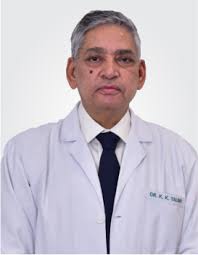
Dr. Kewal Kishan Talwar
MBBS, MD, DM, FAMS, FRCP
Cardiologist
45 Years of Experience
Pushpawati Singhania Research Institute (PSRI), Hospital, New Delhi
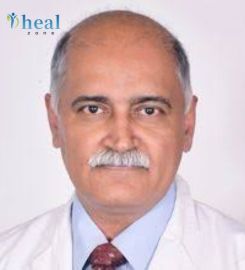
Dr. Kulbhushan Singh Dagar
MBBS, MS, MCh, Fellowship, Certificates/Trainings
Pediatric Cardiac Surgeon, Pediatric Cardiologist
35 Years of Experience

What’s Included in the Left Ventricular Assist Device (LVAD) Package:
• Left Ventricular Assist Device (LVAD) device (HeartMate 3, HeartWare, or similar FDA-approved model)
• Pre-surgery diagnostic tests (Echocardiogram, CT scan, blood work, etc.)
• Surgeon’s and anesthetist’s fees
• Operation theatre and ICU charges
• Hospital stay for 2–3 weeks
• Post-surgery medications and rehabilitation
• Early follow-up consultations (up to 3 months)
Top Hospitals for Left Ventricular Assist Device (LVAD) Surgery in India

Indraprastha Apollo Hospital, New Delhi
Indraprastha Apollo Hospital, NH-19, New Delhi

Medanta-The Medicity Gurgaon
CH Baktawar Singh Rd, Medicity, Islampur Colony, Sector 38, Gurugram, Haryana 122001
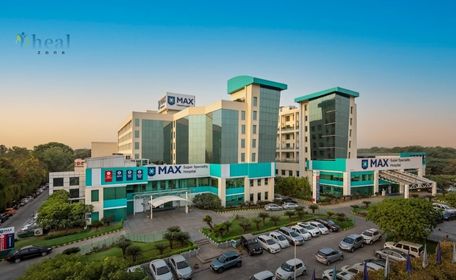
Max Super Speciality Hospital, Saket
Press Enclave Marg, Saket, New Delhi, Delhi 110017
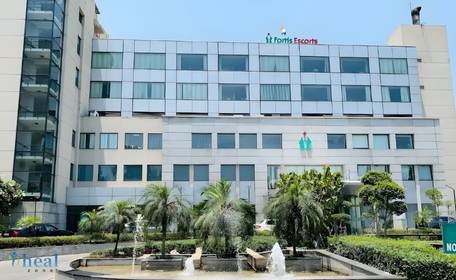
Fortis Escorts Heart Institute, New Delhi
Metro Station, Okhla Rd, opposite Sukhdev Vihar, New Friends Colony, New Delhi, Delhi 110049
Many hospitals offer fixed package options, providing transparency and avoiding hidden costs.
Global Left Ventricular Assist Device (LVAD) Surgery Cost Comparison
|
India |
$100,000 – 120,000. |
Affordable, world-class care |
|
USA |
$200,000 – 300,000 |
Highest due to hospital and device costs |
|
UK |
$180,000 – 250,000 |
Limited access under the public system |
|
Singapore |
$120,000 – 170,000 |
Expensive but advanced |
|
Turkey |
$120,000 – 150,000 |
Moderate cost, emerging center |
|
Thailand |
$110,000 – 140,000 |
Affordable but fewer LVAD specialists |
India offers the best balance between cost, expertise, and outcome — making it a top medical travel destination.
What’s Included in the Left Ventricular Assist Device (LVAD) Treatment Package?
Hospitals in India usually include several essential components under the Left Ventricular Assist Device (LVAD) cost estimate:
• Preoperative Evaluations: Cardiac assessment, imaging, blood work, and infection screening.
• Surgery & Device Cost: Implantation of the mechanical pump, surgical consumables, and anesthesia.
• ICU and Ward Stay: 2–3 weeks of hospital care with cardiac monitoring.
• Medications: Blood thinners, antibiotics, and immunosuppressants during and hospitalization.
• Rehabilitation: Personalized Physiotherapy sessions and nutritional guidance post-surgery.
• Discharge & Follow-Up: Detailed post-care plan and follow-up visits.
Also offer international patient packages that include airport pick-up, interpreter support, and local accommodation.
Factors Affecting Left Ventricular Assist Device (LVAD) Surgery Cost in India
Several variables influence the final treatment price:
• Type of LVAD Device: HeartMate 3 and other advanced models are more expensive but have longer lifespans.
• Hospital Accreditation: Hospitals with JCI or NABH certification may have somewhat higher fees.
• Surgeon's Expertise: Senior cardiac transplant specialists are paid more.
• Patient's Condition: Comorbidities, infections, or complications may increase expenses.
• Length of Hospital Stay: Costs rise with prolonged intensive care unit treatment.
• Postoperative Rehabilitation: After-discharge medication, physical therapy, and home care.
HealZone helps international patients receive detailed, transparent quotes to plan treatment confidently.
Additional Expenses to Consider:
Apart from medical costs, international patients should plan for:
• Travel and Visa Costs: Airfare and medical visa for patient + caregiver.
• Accommodation: Guesthouse or hotel stay before and after discharge.
• Long-Term Medications: Blood thinners and maintenance drugs.
• Follow-Up Tests: Regular checkups after returning home.
• Documentation & Legal Fees: For medical reports and insurance processing.
HealZone’s dedicated team ensures these logistics are handled efficiently, minimizing stress for patients and families.
Who Needs an Left Ventricular Assist Device (LVAD)?
An Left Ventricular Assist Device (LVAD) is recommended for patients who:
- Have end-stage (Stage D) heart failure and are not responding to medication.
- Are awaiting a heart transplant but face long donor waiting times.
- Cannot undergo transplant due to age, health, or organ availability.
- Need temporary heart support after cardiac surgery (bridge to recovery).
- Suffer from severe left ventricular dysfunction (ejection fraction below 25%).
- Essentially, LVADs provide circulatory support when the heart can’t pump enough blood on its own.
- Causes of Heart Failure (Why an Left Ventricular Assist Device (LVAD) May Be Needed)
- Heart failure happens when the heart becomes too weak or stiff to pump blood effectively. When all other treatments — medication, bypass, or pacemaker therapy — fail, LVAD implantation becomes the last resort.
Common Causes:
- Coronary Artery Disease (CAD): Blocked arteries leading to reduced oxygen supply.
- Dilated Cardiomyopathy: Enlarged, weakened heart chambers.
- Valvular Heart Disease: Leakage or stiffness of heart valves.
- Congenital Heart Defects: Structural abnormalities present from birth.
- Myocarditis: Inflammation due to viral or autoimmune causes.
- Uncontrolled Hypertension: Chronic pressure overload damages the heart.
- Arrhythmias: Abnormal heart rhythms causing inefficiency.
- Alcohol or Drug-Induced Damage: Long-term use of alcohol weakens heart muscle cells.
Recognizing these causes early can help prevent progression to terminal heart failure.
Heart Transplant vs LVAD — Which Is Better for Advanced Heart Failure?
Both Heart Transplant and LVAD (Left Ventricular Assist Device) treat end-stage heart failure, but they differ in purpose, eligibility, and timing.
Purpose
- Heart Transplant: Replaces the diseased heart with a healthy donor heart.
- LVAD: A mechanical pump that supports the failing heart — it doesn’t replace it.
Availability
- Heart transplants depend on a matching donor and may take months.
- LVADs can be implanted immediately, making them life-saving when waiting isn’t possible.
Eligibility
- Some patients aren’t suitable for transplant because of age or other organ problems.
- LVAD can still help these patients live longer and more comfortably.
How Left Ventricular Assist Device (LVAD) Works?
An Left Ventricular Assist Device (LVAD) is a mechanical pump that helps the left ventricle circulate blood throughout the body. It does not replace the heart; it works alongside it.
Working Principle:
- Blood enters the inflow cannula from the left ventricle.
- The pump unit propels blood forward using a spinning impeller.
- Blood exits through the outflow graft into the aorta, supplying oxygen-rich blood to the body.
- • The pump is powered by an external controller and battery pack through a cable called the driveline.
Modern LVADs use continuous-flow technology, resulting in smoother blood movement and better long-term durability. Patients often have a non-pulsatile or very weak pulse due to continuous blood flow.
Left Ventricular Assist Device (LVAD) Manufacturing Companies and Examples
Leading global companies manufacture FDA-approved and CE-certified LVAD systems used in India and worldwide, including:
|
Abbott (USA) |
HeartMate II, HeartMate 3 |
Widely used globally; HeartMate 3 has magnetic levitation technology and high durability |
|
Medtronic (USA) |
HeartWare HVAD |
Compact centrifugal pump design; suitable for smaller chest cavities |
|
Jarvik Heart Inc. (USA) |
Jarvik 2000 |
Axial flow pump; allows mobility and long-term use |
|
Berlin Heart GmbH (Germany) |
INCOR, EXCOR Pediatric |
Specializes in pediatric and adult assist devices |
|
ReliantHeart (USA) |
HeartAssist 5 |
Wireless monitoring and high-flow capability |
These advanced devices are imported and implanted at India’s leading cardiac hospitals — including Apollo, Fortis, Medanta, and Narayana Health — under strict international safety and quality standards.
Comparison Between Left Ventricular Assist Device (LVAD) Models (HeartMate I, II, and III)
|
Type of Pump |
Pulsatile flow |
Axial continuous flow |
Centrifugal continuous flow (maglev) |
|
Year Introduced |
1990s |
2008 |
2017 |
|
Size & Design |
Large, bulky |
Smaller, more efficient |
Compact, advanced magnetic levitation |
|
Flow Type |
Pulsatile (mimics natural heartbeat) |
Continuous flow |
Continuous flow with artificial pulse |
|
Durability |
Limited lifespan |
5–7 years |
10+ years |
|
Blood Damage (Hemolysis) |
Higher risk |
Moderate |
Very low due to frictionless impeller |
|
Anticoagulation Requirement |
High |
Moderate |
Lower (improved design) |
|
Clinical Use |
Early LVAD trials |
Widely used for bridge-to-transplant |
Preferred modern device for all indications |
Steps of an Left Ventricular Assist Device (LVAD) Procedure
The LVAD journey happens in three major phases — before, during, and after surgery.
Pre-Surgery Phase
- Thorough cardiac testing (Echo, Cath, MRI)
- Infection and blood screening
- Nutritional and psychological evaluation
- Device model selection
- Preoperative optimization
During Surgery
- Patient under general anesthesia
- Chest opened via sternotomy
- Heart–lung bypass machine started
- LVAD pump connected to the left ventricle and aorta
- Power driveline routed through abdomen to an external controller
- Device activated to support blood flow
- Chest closed and patient moved to ICU
The entire surgery lasts about 4–6 hours, performed by a team of 8–10 specialists.
After Surgery
- 5–7 days ICU monitoring
- Hospital stay for 14-21 days
- Gradual mobility and rehabilitation
- Training on device handling and care
- Regular follow-ups after discharge
Life Expectancy and Recovery After Left Ventricular Assist Device (LVAD) Surgery
LVADs have revolutionized heart failure management by extending life expectancy and improving quality of life.
Survival Outlook
- 1-year survival: 85–90%
- 5-year survival: 70–75%
- With new devices (HeartMate 3): up to 10 years or more
Patients awaiting transplant may later receive a donor heart and live 15–20 years or longer.
Recovery Timeline
- ICU stay: 5–7 days
- Discharge: After 2–3 weeks
- Resume light activity: 6–8 weeks
- Return to normal routine: 3–4 months
Life After Left Ventricular Assist Device (LVAD)
Patients often feel more energetic, independent, and breathe much easier after recovery. Once their condition stabilizes, most can return to normal routines and even travel safely. Maintaining good hygiene, taking medications regularly, and attending routine check-ups are key to long-term success.
Why Choose India for Left Ventricular Assist Device (LVAD) Surgery?
India has emerged as one of the top five countries globally for heart and Left Ventricular Assist Device (LVAD) surgeries, driven by rapid advancements in cardiac technology and world-class medical expertise.
Key Reasons:
1. World-Class Cardiac Hospitals
India hosts globally accredited centers like Apollo Hospitals, Fortis Escorts, Medanta, Narayana Health, and Global Hospitals — all equipped with specialized heart transplant and LVAD units.
2. Highly Experienced Surgeons
Many Indian cardiac surgeons have trained at top institutions in the USA and Europe, with extensive experience in mechanical circulatory support systems.
3. Affordable Treatment
LVAD surgery in India costs only 25–30% of what patients pay in Western countries, without compromising on quality or safety.
4. Advanced Devices
Hospitals use the latest-generation devices such as HeartMate 3, HeartWare HVAD, and Jarvik 2000, offering high efficiency and long lifespan.
5. High Success Rates
Indian centers report success rates comparable to Western benchmarks — with excellent surgical outcomes and survival statistics.
6. Shorter Waiting Times
Unlike in the US or Europe, patients in India can schedule surgery within weeks, reducing risk during disease progression.
7. Ethical and Transparent Process
All procedures follow Indian Transplantation of Human Organs Act (THOA) regulations — ensuring ethical practices and patient protection.
8. Comprehensive Post-Operative Care
Dedicated transplant ICUs, 24×7 nursing, physiotherapy, dietetics, and psychological support make recovery faster and safer.
9. Medical Tourism Ecosystem
India’s medical tourism infrastructure offers end-to-end patient support — from visa assistance to cultural comfort and multilingual interpreters.
India delivers international-standard LVAD care with compassionate service, advanced technology, and exceptional affordability.
Why International Patients Prefer India for Left Ventricular Assist Device (LVAD) Surgery?
Every year, thousands of international patients from Africa, the Middle East, CIS nations, and Southeast Asia travel to India for LVAD and heart transplant care — drawn by its advanced technology, skilled surgeons, and affordable treatment options.
- Fast medical visa processing
- No long donor waiting lists
- English-speaking doctors and coordinators
- Cultural and dietary comfort
- Transparent fixed-cost packages
- Assistance with travel, accommodation, and language
- High treatment success and safety
India ensures timely, ethical, and cost-effective access to life-saving cardiac procedures for global patients.
How HealZone Supports International Left Ventricular Assist Device (LVAD) Patients?
HealZone simplifies the entire LVAD journey for patients traveling to India.
We handle every step — from medical evaluation to post-recovery follow-up.
Our Key Services:
- Expert opinions from India’s leading cardiac surgeons
- Detailed cost quotations with inclusions and exclusions
- Medical visa invitation and documentation support
- Airport pickup, interpreter, and accommodation guidance
- Real-time treatment updates for families overseas
- 24/7 on-ground assistance during your hospital stay
- Post-surgery virtual consultations and follow-ups
HealZone ensures your entire experience is organized, transparent, and stress-free, allowing you to focus on recovery.
Frequently Asked Questions
Success rates exceed 90%, matching international standards.
Modern devices can function effectively for 8–10 years or more with proper care.
Yes. You can perform daily activities, travel, and even work again after recovery.
Left Ventricular Assist Device (LVAD) is used when a transplant isn’t immediately available or possible. It supports the heart until transplant or as permanent therapy.
Usually 2–3 weeks, including ICU and ward stay.
Yes, if the patient receives a heart transplant or the heart recovers naturally (rare).
Pediatric LVADs exist but are performed in select specialized hospitals.
Usually 1–3 weeks, depending on hospital schedule and device availability.
