Contact us for free opinion
Scoliosis Treatment Cost in India

Procedure Type:
Surgical Procedure
Duration:
240-479 Hours
Hospitalization:
5-7 Days
Stay in India:
6-12 Weeks
Success Rate:
98%
Overview
Scoliosis treatment is affordable in India. The cost of Scoliosis treatment in India lies between USD -. The exact procedure price depends on multiple factors such as the surgeon's experience, type of hospital, severity of the condition, patient's general condition, etc.
Contact us for free opinion
Top Doctors for Scoliosis in India
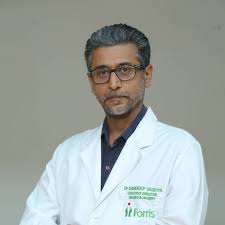
Dr. Sandeep Vaishya
36 Years Years of Experience
Dr. Sudheer Kumar Tyagi
36 Years Years of Experience
Dr. Anutosh Singh
15 Years of Experience

What is Scoliosis and What Causes It?
Scoliosis is a musculoskeletal disorder where the spine curves sideways, forming a “C” or “S” shape. This can lead to posture imbalance, back pain, and breathing issues in severe cases.
Types of scoliosis include:
- Idiopathic Scoliosis: Most common; cause unknown; often begins in adolescence.
- Congenital Scoliosis: Caused by birth defects affecting spinal vertebrae.
- Neuromuscular Scoliosis: Associated with conditions like cerebral palsy or muscular dystrophy.
- Degenerative Scoliosis: Occurs in adults due to aging, disc degeneration, or osteoporosis.
What Are the Common Symptoms of Scoliosis?
Symptoms vary depending on curve severity and type but may include:
- Uneven shoulders or hips
- Visible spine curvature or protruding ribs
- Back pain or fatigue
- Breathing difficulty (in severe curves)
- Unequal leg lengths or gait imbalance
Early detection is key, as mild scoliosis can often be managed non-surgically if treated in time.
What Are the Types of Scoliosis Treatments Offered in India?
India offers a range of scoliosis treatments based on the degree of curvature, age, and symptoms:
Non-Surgical Treatments:
- Bracing: Prevents curve progression in adolescents.
- Physical Therapy: Strengthens core and postural muscles.
- Chiropractic Adjustments: May help with mild cases.
- Observation: Regular X-rays for minor curvatures (<20 degrees).
Surgical Treatments:
- Spinal Fusion Surgery: Standard procedure for severe scoliosis; straightens and stabilizes spine with rods and screws.
- Vertebral Body Tethering (VBT): A motion-preserving option in select adolescents.
- Growing Rods or MAGEC Rods: For young children, allowing spine growth while controlling curvature.
- Minimally Invasive Spine Surgery (MISS): Smaller incisions, quicker recovery.
These options are tailored to each patient, and India’s multidisciplinary spine teams provide detailed pre-op assessments and custom care plans.
What is the Complete Scoliosis Treatment Protocol for International Patients in India?
India’s scoliosis treatment is internationally aligned and carefully structured for international patients:
1. Virtual Pre-Arrival Consultation:
- Medical history and reports reviewed
- Initial imaging (X-rays, MRI) shared
- Tentative treatment plan and cost shared
- Medical visa invitation issued
2. On-Arrival Clinical Evaluation:
- Full physical examination
- Repeat imaging: 3D X-ray, EOS imaging, CT scan
- Pulmonary and neurological assessment
- Pediatric consult (if patient is a child)
3. Preoperative Preparation:
- Blood tests, anesthesia clearance
- Prehab (if required): Physiotherapy to build muscle
- Family counseling and surgery explanation
4. Surgical Procedure:
- Duration: 4–8 hours
- Performed under general anesthesia
- Use of intraoperative neuromonitoring for safety
- Fusion or tethering done based on plan
5. Postoperative Recovery:
- ICU observation (1–2 days)
- Ward stay (5–7 days)
- Early physiotherapy and mobilization
6. Discharge & Rehabilitation:
- Detailed home exercise program
- Teleconsultation follow-ups
- Return to normal activities within 6–12 weeks
International patients typically need to stay in India for 3–4 weeks, with travel clearance provided upon fit-to-fly assessment.
Why Should International Patients Choose India for Scoliosis Treatment?
India is rapidly becoming a top destination for complex spine treatments due to the following advantages:
Experienced Spine Surgeons: Trained internationally in US, UK, and Europe
Modern Spine Care Facilities: Equipped with 3D navigation, neuromonitoring, and MIS technology
Affordable Pricing: Save 70–85% compared to Western countries
Short Waiting Time: Immediate scheduling of diagnostics and surgery
International Patient Support: Language interpreters, private rooms, airport transfers
With internationally accredited hospitals and highly personalized care, India delivers world-class outcomes at one-third the cost.
Why Choose Healzone for Scoliosis Treatment in India?
Healzone is a specialized medical tourism facilitator that supports international patients through every stage of their scoliosis treatment journey in India.
Personalized Treatment Planning: Healzone coordinates between spine surgeons and patients to ensure a customized care plan based on curvature severity, age, and health status.
End-to-End Logistics Management: From medical visa assistance and airport transfers to accommodation booking, every aspect is taken care of.
Verified Hospital Network: Healzone works with top-tier, internationally accredited orthopedic and neurosurgical centers.
Language and Cultural Support: Dedicated care managers help international patients navigate medical, cultural, and linguistic differences with ease.
Post-Treatment Follow-Up: Healzone offers remote aftercare guidance, including physical therapy, medication management, and follow-up consultations.
Healzone ensures a safe, transparent, and stress-free experience for families traveling abroad for scoliosis correction.
What Treatment Devices and Technologies Are Used in India for Scoliosis?
India’s spine surgery centers use cutting-edge devices and intraoperative tools that match international standards. These technologies help improve accuracy, minimize complications, and accelerate recovery.
Devices Used:
- Titanium Spine Rods and Screws – Provide long-term stability
- Expandable Growing Rods / MAGEC Rods – Used in pediatric scoliosis to allow continued growth
- Spinal Implants with 3D Customization – Tailored to spinal curvature and anatomy
Surgical Tools & Technology:
- 3D Navigation Systems – For precise screw placement
- Intraoperative Neuromonitoring (IONM) – To prevent nerve damage
- Minimally Invasive Spine Surgery (MISS) Instruments
- Computer-Aided Surgical Planning
- EOS Imaging System – Delivers low-dose, full-body spine X-rays
These technologies ensure that patients receive safe and optimized outcomes, especially for complex or revision surgeries.
What is the Full Cost Breakdown of Scoliosis Treatment in India?
The cost of scoliosis treatment in India ranges from $10,000 to $14,000 USD, depending on the complexity of the curve, patient age, and surgical approach. Here’s a detailed breakdown:
|
Service Component |
Estimated Cost (USD) |
|
Pre-surgical Consultation & Imaging |
$300 – $600 |
|
Diagnostic Tests (MRI, EOS, CT Scan) |
$400 – $700 |
|
Blood Tests, Pre-anesthesia Workup |
$150 – $250 |
|
Spinal Implants (Rods, Screws) |
$2,000 – $3,500 |
|
Surgical Procedure |
$3,500 – $5,000 |
|
Intraoperative Neuromonitoring |
$500 – $700 |
|
Hospital Stay (5–7 Days) |
$700 – $1,200 |
|
Post-op Rehab & Medications |
$400 – $600 |
|
Physiotherapy (initial phase) |
$200 – $300 |
|
Follow-up Appointments & Reports |
Included |
|
Total Estimated Cost |
$10,000 – $14,000 USD |
Note: Complex cases like revision surgery or combined anterior-posterior fusion may have slightly higher costs. Healzone offers bundled pricing to avoid unexpected charges.
What is the Duration and Procedure Timeline for Scoliosis Treatment in India?
The timeline varies based on patient profile and surgical complexity, but here's a standard estimate:
|
Stage |
Duration |
|
Pre-travel Teleconsultation |
1–3 Days (online) |
|
Arrival, Evaluation & Imaging |
2–3 Days |
|
Surgical Planning & Counseling |
1 Day |
|
Surgical Procedure |
1 Day (4–8 hours) |
|
ICU & Ward Stay |
5–7 Days |
|
Initial Post-Op Recovery |
5–10 Days |
|
Return to Country (fit-to-fly) |
After 3–4 Weeks |
|
Virtual Follow-up |
Ongoing (1–6 months) |
Patients undergoing spinal fusion typically return to normal school or work activities within 6 to 12 weeks, depending on age and physical condition.
What Are the Benefits of Undergoing Scoliosis Treatment in India?
India has become a leading destination for complex spinal surgeries like scoliosis correction, offering global patients exceptional benefits:
High Success Rate: Surgical correction of curves >70–90% is routinely achieved with modern fusion techniques.
Advanced Technologies: Use of 3D spinal navigation, intraoperative neuromonitoring, and minimally invasive techniques ensures patient safety and optimal outcomes.
Customized Care Plans: Treatment is tailored to age, spinal curve severity, and long-term needs — whether for a child, teen, or adult.
Affordable Pricing: Receive world-class surgery at 70–85% lower cost than in the US or UK.
Holistic Rehabilitation Support: Physiotherapy, postural training, and virtual follow-up are included in the recovery roadmap.
English-Speaking Support: Entire care process — from diagnostics to post-surgical rehab — is provided in fluent English with international patient services.
What Are the Possible Risks or Complications of Scoliosis Surgery?
Although scoliosis surgery in India is performed with the highest safety standards, all surgeries carry potential risks. These are well-managed with comprehensive preoperative planning and intraoperative safeguards.
Possible complications include:
Infection: Reduced by use of sterile environments and preventive antibiotics.
Nerve Injury: Extremely rare due to intraoperative neuromonitoring (IONM).
Implant Loosening or Breakage: Less than 5% risk; may require revision in rare cases.
Non-union (Pseudoarthrosis): Sometimes fusion may not heal fully, requiring reoperation.
Postoperative Pain or Stiffness: Usually temporary and resolved through physiotherapy.
Blood Loss or Need for Transfusion: Managed intraoperatively with modern techniques.
India’s top centers follow international surgical safety checklists, significantly minimizing risks and improving patient outcomes.
What Aftercare and Rehabilitation Are Required After Scoliosis Surgery?
Recovery after scoliosis surgery requires careful attention to physiotherapy, wound care, and regular monitoring.
In-Hospital Care (First 7–10 Days):
- Pain management and monitoring of surgical site
- Early ambulation with support
- Removal of drains and sutures
At-Home Recovery:
- Limited activity for 4–6 weeks
- Use of back brace if advised
- Avoid bending, twisting, or lifting
Rehabilitation:
- Begins 2–3 weeks post-surgery
- Exercises to strengthen spinal muscles, improve flexibility
- Full return to school/work: 8–12 weeks for most patients
Follow-Up:
- Virtual consults at 1 month, 3 months, and 6 months
- Repeat X-rays to confirm fusion progress
- Medication tapering and lifestyle advice
Healzone facilitates cross-border continuity of care by coordinating with local physiotherapists and providing medical reports in digital formats.
Why India is the Best Choice for International Scoliosis Patients?
Scoliosis treatment in India combines world-class spine expertise, internationally certified technologies, and personalized patient care — all at a significantly lower cost than in most developed countries.
With services like Healzone, international patients are assured of:
- Trusted hospitals with globally accredited facilities
- Clear, transparent, and inclusive pricing
- Support for every stage — pre-travel, treatment, and aftercare
- Cultural comfort, patient education, and compassionate care
Whether you're seeking spinal fusion for adolescent scoliosis or minimally invasive correction as an adult, India offers an affordable, safe, and effective path to a straighter spine and better quality of life
Top Hospitals for Scoliosis in India
Several factors influence the overall cost of scoliosis treatment:
-
Severity of the Curve: More severe deformities may require complex, longer surgeries.
-
Type of Surgery: Procedures like vertebral body tethering or dual-stage surgeries cost more than standard fusion.
-
Implants Used: Growing rods, customized implants, and titanium hardware add to cost.
-
Hospital and Surgeon Choice: Premium hospitals and senior surgeons charge higher fees.
-
Postoperative Needs: Extended ICU stays, rehab, or additional therapies can increase total expenses.
-
Age and Comorbidities: Pediatric patients or those with other health issues may need extra precautions and monitoring.
Healzone helps manage these variables by offering transparent package pricing and tailored treatment plans.
Advantages of Scoliosis Treatment in India
India offers numerous advantages for scoliosis surgery, especially for international patients:
-
Cost-Effective: Scoliosis treatment in India is up to 85% cheaper than in the US and UK.
-
Internationally Trained Spine Surgeons: Many Indian spine specialists have training and experience from top institutions abroad.
-
Advanced Surgical Techniques: Use of 3D navigation, intraoperative neuromonitoring, and minimally invasive spine surgery ensures precision and safety.
-
Shorter Waiting Times: Immediate surgery scheduling with fast diagnostics.
-
Comprehensive Support: Services include medical visa help, private hospital rooms, translators, and full post-op care coordination.
-
Globally Certified Implants: FDA/CE-approved implants and tools ensure safety and durability.
Risk Factors of Scoliosis Surgery
While scoliosis surgery in India is highly successful, potential risks include:
-
Infection: Reduced with sterile techniques and preventive antibiotics.
-
Nerve Injury: Rare, minimized through intraoperative neuromonitoring.
-
Implant Complications: Rods or screws may loosen or break, requiring revision.
-
Non-union of Fusion: Occasionally, the vertebrae may not fuse as expected.
-
Blood Loss: Controlled through advanced surgical tools but may require transfusion.
-
Pain and Stiffness: Common post-op effects, typically resolved with physiotherapy.
Each patient is evaluated thoroughly before surgery to mitigate these risks.
How Does the Cost of Scoliosis Surgery in India Compare With Other Countries?
Here’s a comparison of scoliosis treatment costs across different countries:
|
Country |
Average Total Cost (USD) |
Savings Compared to India |
|
India |
$10,000 – $14,000 |
— |
|
United States |
$50,000 – $100,000 |
Up to 85% |
|
United Kingdom |
$40,000 – $80,000 |
Up to 80% |
|
Thailand |
$15,000 – $25,000 |
30–40% |
|
Singapore |
$20,000 – $35,000 |
50–60% |
India offers the most economical solution without compromising on surgical quality, hospital hygiene, or patient safety. All major spine procedures are performed using globally certified implants and tools

Frequently Asked Questions
No. Mild scoliosis can often be treated with bracing or physical therapy. Surgery is typically reserved for curves over 40–45 degrees or symptomatic cases.
Yes. India has excellent pediatric spine teams experienced in growth-friendly techniques like growing rods and vertebral body tethering.
Spinal implants (rods, screws) used in scoliosis surgery are made from titanium or stainless steel and usually last a lifetime unless removed or revised.
In most cases, surgical correction is permanent. However, routine monitoring ensures early detection if further treatment is needed.
Not necessarily. Healzone offers teleconsultation and report reviews. Imaging can be done locally and sent digitally for evaluation.
Absolutely. Healzone can arrange family-friendly accommodations and local support for accompanying caregivers.
Surgery is usually recommended when the kyphosis curve exceeds 70–80 degrees, especially if it causes pain, breathing issues, or progression.
Yes, spinal fusion surgery offers a permanent correction. The fusion prevents further curvature, and implants typically stay in for life.
Mild kyphosis can often be managed with bracing, posture training, and physiotherapy, particularly in growing children or adolescents.
The surgical procedure generally lasts 4 to 7 hours, depending on curve severity and whether an osteotomy is needed.
Yes, a scar is usually present along the spine, but it fades over time. Minimally invasive options result in smaller scars.
Yes. As long as you're medically fit, adults — even seniors — can undergo successful kyphosis correction in India with proper pre-evaluation.
Patients typically begin walking with assistance within 24 to 48 hours after surgery.
Mild to moderate pain is common post-surgery but is well managed with medications.
Yes, the implants are designed to be permanent and long-lasting, usually requiring no removal.
Yes, it is very safe when done at accredited hospitals with experienced spine surgeons.
In many cases, it provides long-term or permanent relief from nerve compression and instability.
Yes, rehabilitation is essential for full recovery and optimal mobility.
Yes, it is considered a major but minimally invasive spinal surgery with excellent safety records.
In eligible cases, cervical disc replacement is possible and allows better mobility post-op
The incision is small and typically made in a skin crease of the neck, leaving a faint or barely visible scar.
Paralysis is extremely rare when the procedure is performed by skilled surgeons in accredited hospitals.
You must inform your medical team about all current medications. Some drugs (like blood thinners) may need to be paused before surgery.
You can contact a platform like Healzone, which will manage everything—from medical assessments and visas to recovery and follow-up.
Implants used in ACDF can last a lifetime if fusion is successful and no complications arise.
Post-operative discomfort is common but well-managed with medications. Most patients report steady pain relief within a few days.
Fusion reduces motion at the treated level, but most patients retain a good range overall, especially if only one or two discs are fused.
Low-impact activities may resume after 3–6 months, but high-impact sports should be discussed with your surgeon.
Yes, targeted physiotherapy improves recovery, strength, and range of motion.
Yes, with appropriate screening, even elderly patients with good health can safely undergo ACDF.
Yes. The fused vertebrae permanently join to prevent motion in the affected segment, providing long-term stability and pain relief.
You may lose some flexibility at the fused level, but overall movement is usually well-preserved, especially if only one segment is fused.
The screws, rods, and cages are designed to stay permanently. They are typically not removed unless complications arise.
Anterior spinal fusion is performed under general anesthesia, monitored by experienced anesthesiologists.
Yes, but your condition will be stabilized first. Indian hospitals are well-equipped to handle patients with comorbidities.
Yes. Rehabilitation is a key part of recovery and includes posture correction, walking, and muscle strengthening.
Yes, the fused bones permanently eliminate motion at the treated segment, offering long-term stability and relief.
Some movement loss at the fused level is expected, but most patients adapt quickly and retain sufficient mobility for daily tasks.
Most patients can safely travel back home 10 to 14 days after the procedure, depending on their recovery progress.
Mild pain is expected initially but is well managed with medications. Pain usually decreases significantly within the first week.
A soft or rigid collar may be recommended for 2–4 weeks, especially when traveling or during sleep, depending on the surgical approach.
Desk job patients can usually return to work within 3–6 weeks, while physically demanding work may take longer.
Latest Blogs