Contact us for free opinion
Gastroesophageal Reflux Disease (GERD) Treatment Cost in India

Procedure Type:
Medical Management
Duration:
60-120 Hours
Hospitalization:
2-4 Days
Stay in India:
2-6 Weeks
Success Rate:
98%
Overview
Gastroesophageal Reflux Disease (GERD) treatment is affordable in India. The cost of Gastroesophageal Reflux Disease (GERD) treatment in India lies between USD -. The exact procedure price depends on multiple factors such as the surgeon's experience, type of hospital, severity of the condition, patient's general condition, etc.
Contact us for free opinion
Top Doctors for Gastroesophageal Reflux Disease (GERD) in India




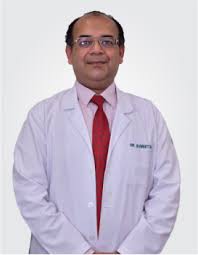
Dr. Sumeet Shah
25 Years Years of Experience
Pushpawati Singhania Research Institute (PSRI), Hospital, New Delhi

What Is GERD and How Is It Different from Occasional Acid Reflux?
GERD (Gastroesophageal Reflux Disease) is a chronic condition where stomach acid persistently moves into the esophagus due to a weak or dysfunctional lower esophageal sphincter (LES). This differs from occasional heartburn or acid reflux which is mild and infrequent.
Key Characteristics of GERD:
- Occurs more than twice a week
- Can cause damage to the esophageal lining
- May lead to complications like Barrett’s esophagus, ulcers, and strictures
GERD often requires long-term lifestyle changes, medication, and sometimes surgical correction when conservative methods fail.
What Are the Common Symptoms and Causes of GERD?
Common Symptoms:
- Persistent heartburn (burning sensation in the chest)
- Regurgitation of sour liquid or food
- Chest pain, especially when lying down
- Difficulty swallowing (dysphagia)
- Chronic cough, sore throat, or hoarseness
- Feeling of a lump in the throat
Common Causes and Risk Factors:
- Weak lower esophageal sphincter (LES)
- Obesity
- Hiatal hernia
- Pregnancy
- Smoking, alcohol, or caffeine
- Certain medications (NSAIDs, sedatives)
Identifying and addressing the root cause is crucial for long-term GERD management.
What Are the Types of GERD Treatment Available in India?
India offers both non-surgical and surgical options for GERD treatment, customized to patient condition and severity.
Non-Surgical Treatments:
Lifestyle modifications: Weight loss, diet adjustments, head-of-bed elevation
Medications:
- Proton Pump Inhibitors (PPIs)
- H2-receptor blockers
- Antacids
Endoscopic therapies:
- Radiofrequency ablation
- Endoscopic fundoplication
Surgical Treatments:
- Laparoscopic Nissen Fundoplication: Reinforces LES by wrapping part of the stomach around it
- LINX Reflux Management System: Magnetic ring placed around LES
- Stretta Procedure: Radiofrequency energy strengthens the LES
India offers a comprehensive range of GERD treatment solutions with minimally invasive surgery as the gold standard for chronic or medication-resistant cases.
What Is the Standard GERD Treatment Protocol for International Patients in India?
India follows a clear, streamlined protocol for international patients seeking GERD treatment.
1. Pre-Arrival Consultation:
- Initial review of medical history
- Sharing of any past diagnostic tests (endoscopy, pH monitoring, manometry)
- Tentative treatment plan and visa invitation
2. On Arrival Evaluation:
- Clinical examination and assessment
- Diagnostic tests:
- Upper GI Endoscopy
- 24-hour pH monitoring
- Esophageal manometry
- Barium swallow study
3. Treatment Planning:
- Non-surgical management for mild to moderate GERD
- Surgical evaluation for chronic, medication-resistant GERD
4. Surgery (if indicated):
- Procedure duration: 1–2 hours (laparoscopic)
- Hospital stay: 2–3 days
- Discharge with recovery and medication plan
5. Recovery & Tele-follow-Up:
- Resume soft diet in 3–5 days
- Light activity in 1–2 weeks
- Full return to routine in 3–4 weeks
- Ongoing follow-ups via video consultation
India ensures end-to-end patient management, from diagnosis through to discharge and aftercare, especially for global travelers.
Who Should Consider GERD Surgery and When Is It Necessary?
Surgery is recommended for patients with chronic or severe GERD who have:
- Poor response to long-term medication (especially PPIs)
- Reluctance or side effects from long-term drug use
- Structural complications like hiatal hernia
- Barrett’s esophagus or risk of esophageal cancer
- Lifestyle-impacting symptoms despite medical therapy
Minimally invasive surgery in India offers long-lasting relief, often eliminating the need for medication entirely.
Why Is India an Ideal Destination for GERD Treatment?
India is among the most trusted countries for comprehensive GERD care, offering high-quality diagnostics, endoscopic therapy, and surgical expertise at globally competitive costs.
Top Reasons to Choose India:
- Globally trained gastroenterologists and surgeons with experience in advanced reflux treatments
- Access to modern endoscopy units and 3D laparoscopy
- Fast-track evaluations and surgery scheduling – no long wait times
- Integrated care: diagnostics, surgery, rehab, and follow-ups all under one roof
- Excellent cost-to-quality ratio – outcomes equivalent to the US/UK at a fraction of the price
- Seamless experience for international patients with language and logistical support
Whether you're managing long-term GERD symptoms or seeking minimally invasive surgery, India offers a complete and affordable solution.
Why Choose Healzone for GERD Treatment in India?
Healzone is a trusted medical travel partner for international patients seeking high-quality treatment in India, ensuring a personalized and stress-free care journey.
Healzone Offers:
- Pre-arrival case evaluation with senior specialists
- Coordinated scheduling for endoscopy, manometry, and surgery
- Detailed treatment and cost plan before travel
- Visa assistance, airport transfers, interpreter services, and hotel booking
- Dedicated care manager available 24/7 during your medical stay
- Follow-up teleconsultation after returning to your home country
Healzone is your one-stop solution for navigating GERD treatment in India with clarity, confidence, and convenience.
What Technologies and Devices Are Used for GERD Treatment in India?
India uses globally certified medical devices and minimally invasive techniques for precise and effective GERD management.
Diagnostic Devices:
- High-definition Upper GI Endoscopy: Visualizes esophageal damage
- 24-Hour pH Monitoring Systems: Tracks acid reflux episodes
- Esophageal Manometry: Measures LES pressure and motility
- Barium Swallow with Digital Fluoroscopy: Detects hernias and reflux
Surgical Devices & Techniques:
- 3D Laparoscopic Equipment: Allows Nissen fundoplication with high precision
- LINX Reflux Management System: Magnetic sphincter augmentation device
- Stretta RF System: Non-surgical, radiofrequency energy therapy
- Robotic Surgical Platforms (in premium centers): For ultra-precise interventions
India’s hospitals use FDA-approved systems, offering outcomes equivalent to US and UK standards for a significantly lower cost.
What Is the Full Cost Breakdown for GERD Treatment in India?
The total cost of GERD treatment in India depends on whether it is managed medically or surgically. Here is a detailed cost estimate:
|
Service/Procedure |
Estimated Cost (USD) |
|
Initial Consultation & Examination |
$30 – $100 |
|
Upper GI Endoscopy |
$150 – $300 |
|
Esophageal Manometry & 24-Hour pH Monitoring |
$300 – $500 |
|
Barium Swallow X-ray |
$100 – $200 |
|
Medication Plan (3–6 months) |
$200 – $400 |
|
Laparoscopic Nissen Fundoplication Surgery |
$3,000 – $5,000 |
|
LINX Device Implantation (if chosen) |
$6,000 – $8,000 |
|
Hospital Stay (2–4 days, private room) |
$400 – $800 |
|
Post-op Medications & Diet Consultation |
$150 – $300 |
|
Total Cost (Non-Surgical Management) |
$1,000 – $2,000 USD |
|
Total Cost (Surgical Treatment) |
$4,000 – $7,000 USD |
Healzone ensures transparent billing, so all international patients know what to expect ahead of time — with no hidden charges.
What Are the Benefits and Expected Outcomes of GERD Surgery?
Surgical treatment for GERD, especially laparoscopic fundoplication, offers long-term relief and improved quality of life for patients who don't respond to medications.
Key Benefits:
- Elimination or significant reduction of reflux symptoms
- Discontinuation or minimization of lifelong medications
- Improved sleep, digestion, and respiratory health
- Reduced risk of complications like Barrett’s esophagus or esophageal cancer
- Minimal scars and shorter hospital stay due to laparoscopic technique
Most patients report complete symptom relief within 2–3 weeks and maintain results for 10+ years or even lifelong in many cases.
What Are the Risks or Complications Associated With GERD Surgery?
GERD surgeries, particularly fundoplication and LINX placement, are considered safe when performed by experienced surgeons. However, as with all surgeries, certain risks exist:
Possible Complications:
- Temporary difficulty swallowing (dysphagia)
- Bloating or inability to burp (gas-bloat syndrome)
- Infection or reaction at the surgical site
- Internal bleeding (rare)
- Hernia recurrence
- LINX device migration or malfunction (if implanted)
How India Minimizes Risks:
- Preoperative diagnostic studies to ensure the right surgical approach
- Use of minimally invasive laparoscopy to reduce complications
- Intraoperative endoscopy or navigation tools to verify positioning
- Post-surgery monitoring and early rehabilitation support
India’s leading centers maintain success rates above 95%, with complications occurring in less than 2–4% of patients.
What Is the Recovery Timeline and Aftercare Plan After GERD Surgery?
Recovery after GERD surgery is usually smooth, with most patients returning to daily activities within a few weeks.
Standard Recovery Timeline:
|
Recovery Stage |
Duration |
|
ICU/Monitoring |
First 6–12 hours post-op |
|
Hospital Stay |
2–3 days |
|
Resume soft diet |
3–5 days |
|
Resume light activity |
7–10 days |
|
Return to normal life/work |
2–3 weeks |
|
Full recovery (internal healing) |
4–6 weeks |
Post-Surgery Care Includes:
- Proton pump inhibitors (temporarily)
- Dietary guidance (soft foods, gradual reintroduction)
- Avoiding heavy lifting or strenuous activity
- Follow-up tests (endoscopy, pH monitoring if needed)
- Tele-follow-up appointments via Healzone
Most international patients are fit to fly in 10–14 days after surgery with a full recovery plan and digital support.
Why India Is the Best Choice for GERD Treatment
India provides a complete ecosystem for treating GERD — from diagnosis to drug therapy to advanced surgical correction — at an affordable price, and with internationally trained specialists.
Why Choose India:
- Cost savings up to 80%
- World-class diagnostics and surgical technology
- Skilled specialists in GERD management
- Full medical tourism support via Healzone
- High success rates and patient satisfaction
Top Hospitals for Gastroesophageal Reflux Disease (GERD) in India
The final treatment cost may vary due to:
-
Type of Treatment:
-
Medical management (lower cost)
-
Surgical management (higher cost, especially with LINX or robotic surgery)
-
-
Diagnostic Tests Required:
-
Endoscopy, manometry, and pH testing may influence total expense
-
-
Hospital Tier and City:
-
Premium hospitals in metros like Delhi, Mumbai, and Chennai may charge more than tier-2 cities
-
-
Surgeon’s Expertise:
-
Senior surgeons or robotic specialists may have higher fees
-
-
Devices Used:
-
LINX implant, advanced stapling devices, and robotic systems can increase cost
-
-
Patient Condition:
-
Complexity of symptoms, obesity, or co-existing hernia repair may require more advanced care
-
-
Stay Duration:
-
Patients with co-morbidities or longer recovery may need extended hospitalization
-
-
International Services by Healzone:
-
Costs may include airport transfer, interpreter, hotel, local transportation, etc.
-
-
Post-op Medications and Diet Plans:
-
Including proton pump inhibitors, nutritional supplements, and consultations
-
Advantages of GERD Treatment in India
-
Significant Cost Savings: Treatment in India costs up to 80% less than in the US or UK, without compromising quality.
-
Minimally Invasive Surgery: Most procedures are done laparoscopically, ensuring quicker recovery, fewer complications, and minimal scarring.
-
Highly Skilled Specialists: Indian gastroenterologists and surgeons are internationally trained and experienced in treating complex reflux conditions.
-
Advanced Diagnostic Capabilities: Full GI testing including manometry, 24-hour pH monitoring, and high-definition endoscopy are readily available.
-
End-to-End Support via Healzone: From diagnosis to visa, treatment, accommodation, and post-op care — everything is streamlined for international patients.
-
Fast Scheduling: No long waiting lists, allowing prompt treatment for symptomatic or medication-resistant cases.
-
Holistic Recovery Plans: Dietary counseling, follow-up teleconsultations, and lifestyle modification support are integrated.
Risks and Complications of GERD Treatment
While GERD treatment in India is generally safe and effective, especially when performed in top centers, there are potential risks to consider:
-
Post-Surgical Dysphagia: Some patients may experience temporary difficulty swallowing after surgery.
-
Gas Bloat Syndrome: Difficulty belching or bloating may occur after fundoplication procedures.
-
LINX Device Risks: In rare cases, the magnetic ring may erode, migrate, or cause discomfort.
-
Infection or Internal Bleeding: Rare but possible, especially with inadequate post-op care.
-
Recurrence of GERD: Though uncommon, symptoms may return if lifestyle modifications aren’t followed.
How Does the Cost of GERD Treatment Compare Between India, US, UK, and Thailand?
India provides world-class GERD care at a fraction of the cost, especially beneficial for uninsured or underinsured patients.
|
Country |
Surgical GERD Treatment (USD) |
Savings vs. India |
|
India |
$4,000 – $7,000 |
— |
|
United States |
$25,000 – $40,000 |
75–85% savings |
|
United Kingdom |
$20,000 – $35,000 |
70–80% savings |
|
Thailand |
$10,000 – $15,000 |
40–60% savings |
|
Singapore |
$12,000 – $18,000 |
45–65% savings |
India delivers the same surgical precision, recovery care, and long-term results — but with dramatically lower financial burden.

Frequently Asked Questions
Most patients can fly back in 2 to 4 days depending on how their body adjusts post-procedure.
Yes. Healzone arranges virtual dietician guidance, surgeon reviews, and support even after you return home.
Contact Healzone via website or email, share your reports, and you’ll receive a customized treatment plan and assistance with travel.
Patients typically recover in 5–7 days and can return to light activity within 2 weeks.
POEM is scarless and preferred for advanced or spastic achalasia, while Heller is standard for many classic cases
Yes, Healzone provides all-inclusive transparent packages covering diagnostics, surgery, hospital stay, and follow-up.
Contact Healzone, share medical records, receive a treatment plan, and begin visa and travel arrangements.
Most follow-ups can be done online unless complications arise, which is rare.
Yes, Healzone offers multilingual coordinators and interpreter services at major hospitals
Contact Healzone with your reports. We’ll arrange consultation, visa support, and travel assistance.
About 7–10 days, including pre-tests and post-op observation.
No, translators and English-speaking staff are available in all major hospitals.
Many hospitals accept global insurance. Healzone can verify coverage before travel.
Yes. Healzone ensures priority appointments and hospital admission within 3–5 working days of document verification.
A valid passport, medical visa, and reports (CT, biopsy, etc.) are required. Healzone will issue a visa invitation letter from the hospital.
Most patients stay 2–3 weeks for surgery and early recovery. Additional time is needed if radiation or chemotherapy is planned.
Yes. Select hospitals offer minimally invasive Whipple surgery, though it depends on tumor size and location.
Absolutely. JCI- and NABH-accredited hospitals follow international hygiene and infection control standards.
Enzyme supplements may be needed, especially if part of the pancreas is removed. Chemotherapy may be advised based on pathology.
Yes, procedures like laparoscopic fundoplication can offer long-term to lifelong relief, particularly when accompanied by lifestyle changes.
Most patients can stop all medications within weeks after successful surgery, though some may need short-term PPIs during healing.
Yes. Select advanced centers in India offer LINX magnetic sphincter augmentation, typically at 30–50% of Western prices.
Initially, you’ll follow a soft food diet for 1–2 weeks. Normal food can usually be resumed within 4–6 weeks, with minor dietary adjustments.
In properly selected patients, recurrence is rare (less than 10%). Long-term relief is common, especially when the hiatal hernia is also repaired.
Yes, GERD surgery is safe for older adults, especially when minimally invasive methods are used and proper preoperative evaluation is done.
Yes. Most people lead completely normal lives after splenectomy. The liver and other organs take over some immune functions.
Not usually. However, long-term antibiotics may be prescribed in children or high-risk individuals to prevent infections.
Yes, when feasible. Laparoscopic surgery offers faster recovery, less pain, smaller scars, and fewer complications.
Yes. Elective patients are vaccinated against pneumococcus, meningococcus, and H. influenzae at least 2 weeks before surgery.
Yes. Emergency splenectomy (e.g., after trauma) is common in India and performed 24/7 in equipped surgical centers.
Yes, slightly. You’ll need to avoid high-risk areas and seek immediate care if fever or infection symptoms occur.
Latest Blogs