

Contact Us for Best Congenital Dislocation of the Knee (CDK) Treatment Doctors in India
Best Congenital Dislocation of the Knee (CDK) Treatment Doctors in India
When it comes to Congenital Dislocation of the Knee (CDK), India’s paediatric orthopaedic specialists combine decades of neonatal-orthopaedic experience, fellowship training, and multidisciplinary care to deliver world-class outcomes. The best doctors for congenital dislocation of the knee in India are paediatric orthopaedic surgeons skilled in early conservative management (serial manipulation and casting), minimally invasive quadriceps procedures, and staged reconstructive surgery for resistant cases. These specialists work with neonatal teams, paediatric physiotherapists and orthotists to tailor safe, evidence-based pathways for infants and older children. International families choose India for clinical expertise, modern facilities and cost-effective packages that prioritise long-term function.
Here is the list of Best Congenital Dislocation of the Knee (CDK) Treatment Doctors in India known for their expertise.
- New Delhi
- Mumbai
- Kolkata
- IVF and Infertility
- Cardiology
- Cosmetic and Plastic Surgery
- Orthopedic
- Dental
- Dermatology
- Endocrinology
- ENT
- Gastroenterology
- Gynecology and Obstetrics
- Hematology
- Hepatology
- Nephrology
- Neurology
- Obesity and Bariatric Surgery
- Oncology
- Opthalmology
- Pulmonology
- Rheumatology
- Urology
- General Surgery
- Transplant Surgery
- Vascular Surgery
- Pediatrics
- Internal Medicine
- Spine Surgery
- Radiology
- Anterior Cruciate Ligament (ACL) Reconstruction
- Knee Replacement
- Minimally Invasive Shoulder Replacement
- Unilateral Total Knee Replacement
- Acromioclavicular (AC) Joint Separation Repair
- Acetabular Fracture Fixation
- Achilles SutureBridge
- Adolescent Idiopathic Scoliosis Treatment
- Ankle Arthroscopy
- Ankle Fixation
- Ankle Fusion
- Arthrodesis (Fusion of Bones)
- Arthrolysis
- Arthroscopic (Minimally Invasive) Ankle Surgery
- Arthroscopic Bankart Repair
- Arthroscopic Capsular Release
- Arthroscopic Debridement of Calcium Deposits
- Arthroscopic Loose Shoulder Surgery
- Arthroscopic Menisectomy
- Arthroscopic Rotator Cuff Repair
- Arthrotomy
- Autologous Chondrocyte Implantation (ACI)
- Bilateral Total Hip Replacement
- Bilateral Total Knee Replacement
- Birmingham Hip Resurfacing (BHR)
- Bone Reconstruction
- Boutonniere Deformity Treatment
- Bursitis - Impingement Surgery
- Carpal Tunnel Surgery
- Closed Reduction for Fracture
- Congenital Limb Defects Surgery
- Congenital Pseudarthrosis of the Tibia (CPT) Surgery
- Corrective Osteotomy and Fixation with Bone Graft
- Robotic Knee Replacement
- Corrective Osteotomy Fixation and Ligament Reconstruction Surgery
- Robotic Hip Replacement
- Debridement of Achilles Tendon
- Distal Clavicle Excision
- Elbow Arthroscopy
- Elbow Surgery
- Extensor Mechanism Realignment
- Extracorporeal Shockwave Therapy (ESWT)
- Femoroacetabular Impingement (FAI) Surgery
- Femur Reconstruction
- Foot and Ankle Deformity Correction
- Foot and Ankle Surgery
- Foot Drop Surgery
- Fracture Reduction and Fixation
- Ganglion Cyst Excision
- High Tibial Osteotomy
- Hip Arthroplasty
- Hip Arthroscopy
- Hip Joint Preservation Surgery
- Hip Reconstruction Surgery
- Hip Replacement with Computer Navigation
- Internal Fixation of Fractures
- Joint Replacement
- Knee Meniscectomy
- Knock Knee Surgery
- Lateral Ankle Ligament Reconstruction
- Lateral Retinacular Release Surgery
- Legg-Calve-Perthes Disease (LCPD) Treatment
- Limb Lengthening
- Lower Femoral Osteotomy
- Meniscal Repair
- Minimally Invasive Hip Replacement
- Minimally Invasive Knee Replacement
- Open Reduction of Fracture
- Osteochondral Autografting (Mosaicplasty)
- Osteotomy
- Palmar Fasciectomy
- Partial Hip Replacement
- Patellofemoral Replacement
- Periacetabular Osteotomy (PAO)
- Plantar Fascia Release
- Pollicization Surgery
- Posterior Cruciate Ligament (PCL) Reconstruction
- Digital Nerve Repair
- Joint Dislocation Repair
- Reverse Shoulder Replacement
- Revision ACL Reconstruction Surgery
- Revision Hip Replacement
- Rotator Cuff Surgery
- Shoulder Arthroscopy
- Shoulder Impingement Surgery
- Shoulder Labral Tear Surgery
- Shoulder Resurfacing
- Superior Labral Tear Anterior to Posterior (SLAP) Repair Surgery
- Syndactyly Surgery
- Synovectomy
- Tendon Repair Surgery
- Thumb Arthroplasty
- Tibial Tubercle Transfer
- TightRope Fixation
- Total Hip Replacement
- Total Shoulder Replacement
- Trigger Point Injection (TPI)
- Wrist Joint Replacement (Wrist Arthroplasty)
- Ankle Surgery
- Arthrocentesis (Joint Aspiration)
- Arthroscopic Shoulder Decompression
- Bunion Surgery
- Elbow Replacement Surgery
- Hip Resurfacing
- Knee Arthroscopy
- Knee Osteotomy
- Limb Salvage Surgery
- Meniscus Surgery
- Needle Aponeurotomy
- Partial Knee Replacement
- Rotationplasty
- Shoulder Replacement
- Total Ankle Replacement
- Occupational Therapy
- Flat Foot
- Foot Deformities
- Golfer's Elbow
- Gout
- Hallux Rigidus (Stiff Big Toe)
- Hammertoe
- Hamstring Injury
- Heel Pain
- Hemimelia
- High Ankle Sprain
- Skeletal Dysplasia
- Lisfranc (Midfoot) Injury
- Mallet Finger
- Meniscus Tear
- Morton’s Neuroma
- Thoracic Outlet Syndrome (TOS)
- Olecranon Fracture
- Osteochondral Lesion
- Osteonecrosis
- Pediatric Myelodysplastic Syndrome (MDS)
- Perthes Disease
- Pigmented Villonodular Synovitis (PVNS)
- Plantar Fibroma and Fibromatosis
- Polymelia
- PCL (Posterior Cruciate Ligament) Tear
- Radial Head Fractures
- Sprengel's Deformity
- Septic Arthritis
- Sports Injury
- Stress Fracture
- Toe Fracture
- Ulnar Nerve Entrapment
- Birth Limb Deformities
- Osteopenia
- Paget's Disease
- Slipping Rib Syndrome
- Steppage Gait
- Cubital Tunnel Syndrome
- Fibrous Dysplasia
- Giant Cell Tumor
- Achilles Tendinitis
- Ankle Ligament Tear
- Ankle Valgus Deformity
- Avascular Necrosis
- Biceps Tendon Rupture
- Congenital Limb Deformities
- Blount's Disease
- Bow Legs
- Brachial Plexus Palsy
- Broken Ankle
- Broken Heel Bone (Calcaneus)
- Broken Ribs
- Bunions
- Clubfoot
- Congenital Dislocation of the Knee (CDK)
- Congenital Hand Deformities
- Congenital Hip Dislocations
- Congenital Vertical Talus (CVT)
- Coxa Vara Deformity
- Cubitus Varus Deformity
- Developmental Dysplasia of the Hip (DDH)
- Diabetic Foot
- Benign Bone Tumors
- Benign Soft Tissue Tumors
- ACL (Anterior Cruciate Ligament) Tears
- Adhesive Capsulitis
- Adolescent Sports Injuries of the Knee
- Adult Acquired Flatfoot
- Adult Scoliosis
- Adult-Onset Still's Disease
- Amplified Musculoskeletal Pain Syndrome (AMPS) in Children
- Ankle Injury
- Ankylosing Spondylitis (AS)
- Arachnoiditis
- Arthritis
- Arthritis of the Thumb Base
- Autism Spectrum Disorder
- Blisters
- Bone Disorders
- Bone Fractures
- Bone Spurs (Osteophytes)
- Brachioradial Pruritus
- Broken Collarbone (Clavicle Fracture)
- Bunions (Hallux Valgus)
- Bursitis
- Bursitis in Shoulder
- Calcium Pyrophosphate Dihydrate Deposition Disease (CPPD, or Pseudogout)
- Carpal Tunnel Syndrome
- Central Nervous System Vasculitis
- Charcot Foot
- Chronic Myofascial Pain (CMP)
- Claw Toes
- Congenital Hand Differences
- Connective Tissue Diseases
- Cryoglobulinemia
- Dislocated Elbow
- Dislocated Shoulder
- Dislocation
- EGPA (Churg-Strauss Syndrome)
- Ehlers-Danlos Syndrome
- Femoroacetabular Impingement (FAI)
- Foot & Ankle Fractures Malunion
- Foot & Ankle Fractures Nonunion
- Foot and Ankle Arthritis
- Frozen Shoulder
- Hip Dysplasia
- Hip Fracture
- Hip Labral Tear
- Huntington's Disease
- Juvenile Dermatomyositis
- Juvenile Idiopathic Arthritis
- Knee Pain
- Knee Pain in Teens
- Mixed Connective Tissue Disease
- Musculoskeletal Pain
- Osteoarthritis
- Osteochondritis Dissecans
- Osteogenesis Imperfecta (OI)
- Osteoporosis
- Overuse Syndrome
- Patellar Tendonitis
- Patellofemoral Pain Syndrome (PFPS)
- Pediatric and Adolescent Scoliosis
- Psoriatic Arthritis
- Rheumatoid Vasculitis
- Rotator Cuff Tendonitis
- Sacroiliitis
- Sciatica
- Sever’s Disease (Calcaneal Apophysitis)
- Shoulder Fractures
- Shoulder Tendinitis
- Slipped Capital Femoral Epiphysis (SCFE)
- Spinal Cord Injury
- Spinal Fracture
- Spinal Muscular Atrophy (SMA)
- Spinal Stenosis
- Spine Tumor
- Spondylitis
- Temporal Arteritis
- Tendinitis
- Thigh Contusion
- Torn Meniscus
- Vasculitis
- Vasculitis in Children
- Back Pain in Athletes
- Bipolar Disorder in Children
- Cervical Spondylosis
- Herniated Disk (Slipped, Ruptured or Bulging Disk)
- Lower Back Pain

Dr. IPS Oberoi

MBBS, MS, MCh, Fellowship
23 Years of Experience
Orthopedic and Joint Replacement Surgeon

Dr Sujoy Bhattacharjee
MBBS, MS, FICS, FACS, MD, FMIS
25 Years of Experience
Orthopedic and Joint Replacement Surgeon
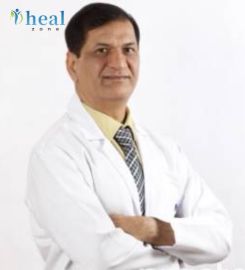
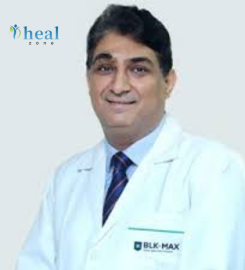
Dr. Rajesh Verma
MBBS, MS, Fellowship
20 Years of Experience
Orthopedic and Joint Replacement Surgeon
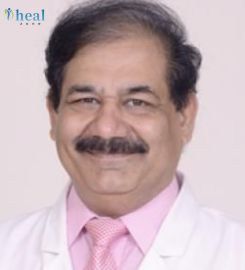
Dr. (Prof.) Anil Arora
MBBS, MS, DNB, Fellowship
30 Years of Experience
Orthopedic and Joint Replacement Surgeon
Contact Us for Best Congenital Dislocation of the Knee (CDK) Treatment Doctors in India

Dr. Subhash Jangid
MBBS, MS, DNB, MCh
26 years Years of Experience
Orthopedic and Joint Replacement Surgeon

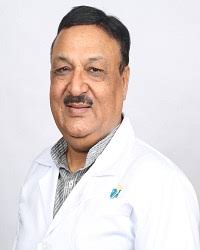

Dr. BK Singh
MBBS, MS, Fellowship, Certificates/Trainings
50 Years of Experience
Orthopedic and Joint Replacement Surgeon

Contact Us for Best Congenital Dislocation of the Knee (CDK) Treatment Doctors in India
Who Are the Best Congenital Dislocation of the Knee (CDK) Treatment Doctors in India?
The best doctor for congenital dislocation of the knee in India will be a paediatric orthopaedic surgeon with fellowship training in paediatric limb deformity, experience in neonatal casting programmes and a record of both conservative and surgical management of CDK. Seek surgeons who: participate in international paediatric orthopaedic societies, publish outcome data or case series, run dedicated infants’ clinics and work within a multidisciplinary team (neonatology, physiotherapy, orthotics). Many leading Indian paediatric orthopaedic units also handle associated deformities such as DDH and clubfoot, which frequently co-exist with CDK.
How can I verify a surgeon’s track record?
Ask for: case volumes, published outcomes, before/after gait or range-of-motion data, references from international patients and information about multidisciplinary support (neonatal anaesthesia, physiotherapy, orthotics). HealZone can provide vetted profiles and outcome summaries on request.
What Is Congenital Dislocation of the Knee (CDK)?
Congenital dislocation of the knee (CDK), also called congenital knee dislocation, is a rare condition present at birth in which the tibia is displaced anteriorly relative to the femur, often with extreme knee hyperextension. The spectrum ranges from mild hyperextension that corrects easily, to frank dislocation with limited passive flexion. CDK may be isolated or associated with syndromes (arthrogryposis, Larsen syndrome), neuromuscular conditions, or intrauterine positioning problems. Early identification and management are essential to prevent gait problems and functional loss.
What are the typical signs, causes and risks?
Typical signs include an obviously hyperextended knee at birth, inability to flex the knee, an anterior bony prominence and in severe cases, compromised skin or vascular concerns (rare). Causes are multifactorial: mechanical factors in utero, connective tissue differences, or associated congenital syndromes. Risks when untreated include stiffness, abnormal gait, limb-length differences, secondary hip problems (DDH) and lifelong functional limitations. Prognosis is best when treatment begins in the neonatal period.
How Do India’s Top Doctors Diagnose and Treat CDK?
Diagnosis is primarily clinical at birth. Imaging includes low-radiation lateral knee radiographs to assess tibial position relative to the femur and ultrasound in neonates where cartilaginous structures are not yet ossified. Assessment also involves screening for associated hip dysplasia (Pavlik harness planning) and a baseline neurological and syndromic evaluation to check for arthrogryposis or spinal dysraphism. Thorough documentation of knee grade (I–III spectrum) guides treatment choice.
What are the main treatment philosophies?
Worldwide—and in India—the management follows a stepped approach: early conservative therapy (serial manipulation and casting) for most cases; minimally invasive quadriceps lengthening techniques or percutaneous tenotomy for resistant neonates; and open surgical procedures (V-Y quadricepsplasty, femoral shortening, posterior capsulotomy) reserved for older or neglected cases or severe grade III dislocations. Early, gentle serial casting often produces excellent correction in mild–moderate cases and avoids extensive surgery
What Are the Available Treatment Options for CDK in India?
Serial manipulation and casting is first line for newborns. The technique uses gentle weekly manual flexion under analgesia or light sedation and long-leg casts (similar in principle to Ponseti casting for clubfoot) to progressively increase knee flexion. Early studies and modern series report high success for grade I and many grade II cases when initiated in the first days to weeks of life. Bracing and caregiver education are used after cast correction to maintain flexion. Conservative care benefits infants without significant fibrosis of the quadriceps, and those without associated syndromes that make stiffness likely.
Minimally invasive and percutaneous techniques — when and how are they used?
When conservative methods stall, percutaneous quadriceps tenotomy (PQT) or mini-open quadriceps recession can release tight extensor mechanism fibers to allow flexion. These procedures are less invasive than formal open surgery and are often effective in infants under 3 months. Contemporary reviews advocate minimally invasive release as a second-line step before major reconstruction.
Open surgical procedures — what are the common operations?
For resistant or late presentations, common surgical options include:
- V-Y quadricepsplasty (VYQ): lengthens the quadriceps tendon allowing knee flexion while preserving function.
- Femoral shortening osteotomy (FS): shortens femur to reduce soft-tissue tension and facilitate reduction.
- Posterior capsulotomy and release of adhesions: addresses contracted posterior structures.
- Combined procedures: sometimes a combination (femoral shortening + V-Y) provides best results in neglected or rigid cases. Surgical plans are individualised based on age, tissue quality and associated deformities.
What about neglected or adolescent cases?
Older children or neglected CDK often require staged, more extensive reconstructions, and functional results may be less favourable than early-treated infants. Complex reconstructions can restore alignment and function but carry higher morbidity and require intensive rehabilitation. Case reports and series from specialized centres detail acceptable outcomes with carefully planned surgery.
What Types of Devices and Materials Are Used?
For conservative care: long-leg plaster casts, soft padding for neonatal skin, and post-correction orthoses or knee splints to maintain flexion. For surgical cases: standard fixation devices for femoral osteotomy (plates/screws) when femoral shortening is needed, suture anchors or tendon repair materials for quadricepsplasty, and sterile surgical instrumentation for mini-open or V-Y procedures. Paediatric orthotics workshops in major Indian hospitals can fabricate custom braces for long-term maintenance.
Why Choose India for CDK?
Key advantages include:
- Early-intervention expertise: Many Indian paediatric orthopaedic teams run neonatal casting clinics and have strong experience with serial manipulation protocols that optimize outcomes.
- Multidisciplinary care: Integrated services (neonatology, paediatric anaesthesia, physiotherapy, orthotics) support safe early casting and post-procedural rehabilitation.
- Accredited hospitals and cost transparency: Accredited tertiary hospitals provide international-patient programs, itemised pricing and bundled packages that are typically more affordable than Western care while using contemporary techniques and materials.
What Are the Success Rates of CDK Treatments in India?
Published series and recent clinical reviews report high success rates for early conservative therapy: many cohorts show near-complete correction for grade I and a high proportion of grade II cases when therapy starts soon after birth (with some papers citing success approaching 85–95% for mild cases). Minimally invasive techniques add further success in selected grade III cases presenting early.
What about surgical outcomes?
Surgical correction for resistant or late CDK can produce functional knees but carries higher risk of stiffness and gait differences compared with early conservative success. Long-term outcome studies indicate that surgically treated knees may show some motion limitations versus normal controls, yet many children achieve satisfactory function, especially when surgery is performed by experienced paediatric orthopaedic teams. Overall success depends on age at intervention, associated anomalies and rehabilitation adherence.
What Is the Cost of CDK Treatment in India?
Note: Costs vary by hospital, city, surgeon, anaesthesia and follow-up needs. These are indicative USD ranges for planning — request itemised quotes for accurate budgeting.
|
Type of Procedure / Pathway |
Estimated Cost (USD) |
|
Initial neonatal evaluation (clinical + basic imaging) |
$150 – $600 |
|
Serial manipulation and casting programme (per episode) |
$400 – $1,500 |
|
Percutaneous quadriceps tenotomy / mini-open release |
$800 – $2,500 |
|
Open quadricepsplasty (V-Y) or combined reconstructive surgery |
$2,500 – $8,000 |
|
Femoral shortening osteotomy + fixation |
$4,000 – $10,000+ |
|
Rehabilitation & orthoses package (post-op / maintenance) |
$200 – $1,200 |
India’s paediatric orthopaedic centres often offer bundled international packages covering consultation, surgery, hospital stay and initial rehab — ask HealZone to obtain itemised package quotes tailored to your child’s case.
How Long Is the Recovery Process?
Serial casting typically proceeds weekly for several weeks until adequate flexion is achieved (often within 2–8 weeks depending on severity). After correction, maintenance bracing or splinting for several months is common. Early casting allows families to return home quickly while follow-up occurs in outpatient clinics.
What is the timeline after minimally invasive release or surgery?
Minimally invasive release usually requires short hospital observation (1–3 days) and targeted physiotherapy; full functional gains develop over weeks to months. Open quadricepsplasty or femoral osteotomy involves longer hospitalization (5–10 days in uncomplicated cases), a period of protected weight-bearing, and months of physiotherapy. Long-term follow-up into childhood is important to monitor gait, leg length and joint function.
What Post-Treatment and Follow-Up Care Are Provided?
Standard post-treatment care includes: wound checks, cast/splint adjustments, scheduled clinical and radiographic reviews, structured paediatric physiotherapy (range of motion, strengthening, gait training), orthotic fitting and caregiver education for home exercises. For international patients, telemedicine follow-ups and coordination with local physiotherapists are commonly available to maintain continuity. Hospitals often provide written home programs and can ship orthoses if necessary.
How is Healzone helping patients treat CDK?
Healzone supports families by:
- Connecting with leading pediatric orthopaedic specialists
- Offering affordable treatment packages for casting, surgery, and rehabilitation
- Ensuring early diagnosis and expert care
- Providing 24/7 patient assistance for consultations and second opinions
- Handling travel, accommodation, and post-treatment support for families
Are you searching for a Pediatric Orthopaedic Specialist in New Delhi, Mumbai, Lucknow, Kolkata, or Chennai?
