Contact us for free opinion
Anterior Spinal Fusion Cost in India
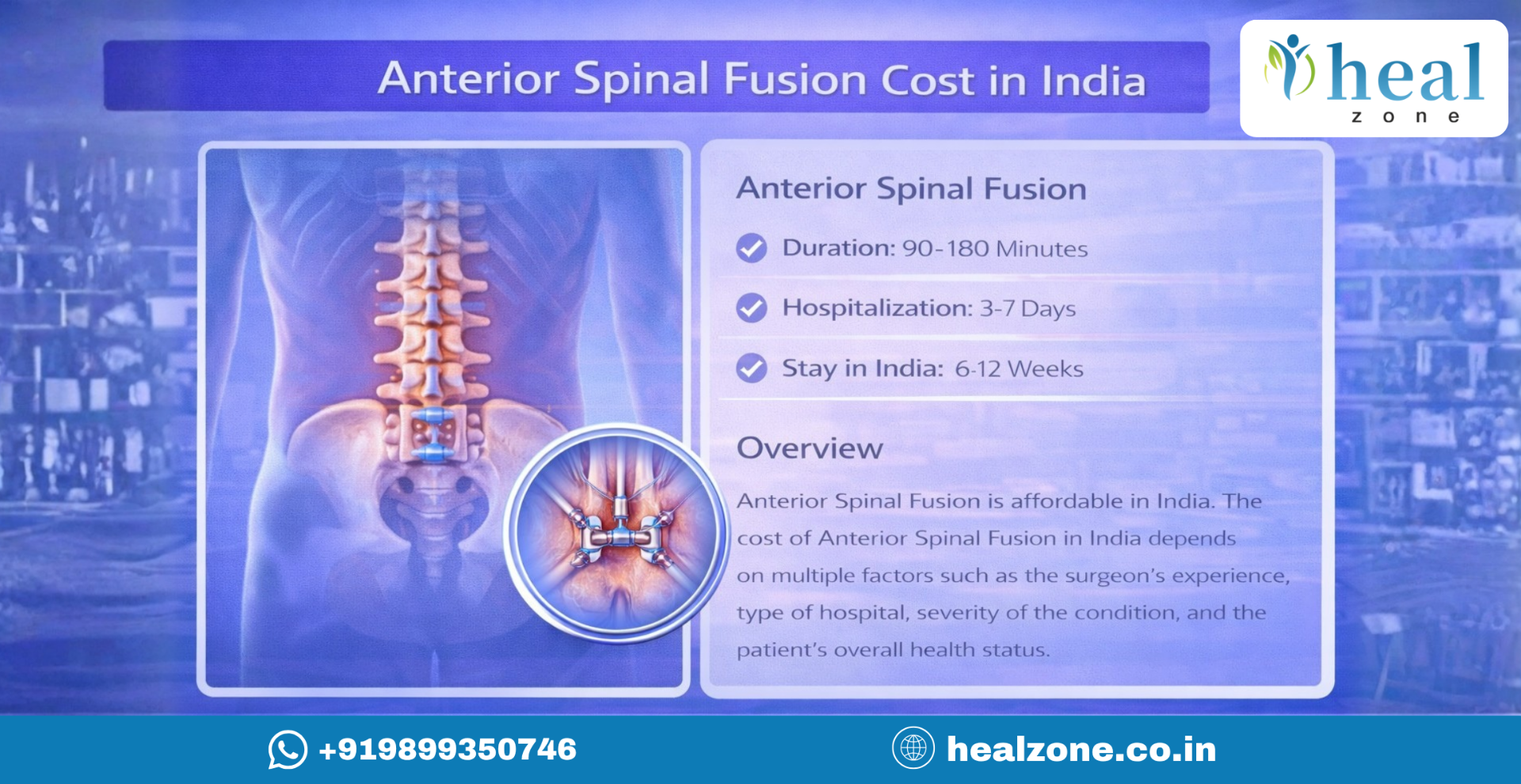
Duration:
90-180 Hours
Hospitalization:
3-7 Days
Stay in India:
6-12 Weeks
Success Rate:
98%
Overview
Anterior Spinal Fusion is affordable in India. The cost of Anterior Spinal Fusion in India lies between USD -. The exact procedure price depends on multiple factors such as the surgeon's experience, type of hospital, severity of the condition, patient's general condition, etc.
Contact us for free opinion
Top Doctors for Anterior Spinal Fusion in India

Dr. Sandeep Vaishya
36 Years Years of Experience

Dr. Sudheer Kumar Tyagi
36 Years Years of Experience


Dr. Anutosh Singh
15 Years of Experience


Dr. Akash Mishra
17 Years of Experience
What is Anterior Spinal Fusion and when is it needed?
Anterior Spinal Fusion (ASF) is a surgical procedure that involves removing a damaged intervertebral disc and fusing the adjacent vertebrae together using bone grafts, cages, and instrumentation. The “anterior” approach means the surgeon accesses the spine through the front of the body, often through the abdomen.
When is ASF needed?
ASF is recommended when spinal instability or structural deformities affect quality of life or neurological function. Conditions that may require ASF include:
- Degenerative Disc Disease (DDD)
- Herniated disc unresponsive to conservative treatment
- Spondylolisthesis (vertebra slipping out of place)
- Traumatic spinal fractures
- Spinal deformities such as scoliosis or kyphosis
- Chronic lower back pain due to disc collapse
- Tumors or infections affecting spinal stability
ASF is often chosen for its superior access to certain spinal levels (especially L4-L5, L5-S1), better disc height restoration, and reduced blood loss compared to posterior approaches.
What are the different types or techniques of this treatment?
Anterior Spinal Fusion can be performed using various surgical techniques, depending on the spinal level involved, the extent of instability, and the surgeon’s expertise.
Types of Anterior Spinal Fusion:
- Anterior Lumbar Interbody Fusion (ALIF):
The most common anterior fusion method targeting lumbar spine (usually L4-L5, L5-S1). It allows the surgeon to directly access and remove the damaged disc.
- Lateral Lumbar Interbody Fusion (LLIF):
Accesses the spine from the side, often avoiding major blood vessels and abdominal contents.
- Oblique Lumbar Interbody Fusion (OLIF):
A minimally invasive anterior-lateral approach, often used to preserve muscles and reduce recovery time.
- Mini-open and Laparoscopic Techniques:
These are less invasive variants of the standard anterior approach, resulting in smaller incisions and faster recovery.
Each of these techniques may involve the use of bone grafts (autograft, allograft, or synthetic), interbody cages, rods, and screws for stabilization.
What is the standard treatment protocol for international patients in India?
International patients visiting India for anterior spinal fusion undergo a well-planned and efficient treatment protocol that prioritizes safety, affordability, and clinical outcomes.
Step-by-Step Protocol:
1. Pre-arrival Virtual Consultation:
Patients share MRI, CT scans, and medical history with spine specialists for remote evaluation and planning.
2. Arrival and Diagnostic Workup (Day 1–2):
On arrival, the patient undergoes detailed physical examinations, imaging (X-rays, MRI/CT), and blood tests to confirm surgical candidacy.
3. Surgical Procedure (Day 3 or 4):
The anterior spinal fusion is performed under general anesthesia. A vascular surgeon may assist in accessing the spine if necessary.
4. Hospital Stay (3–7 Days):
Patients are monitored for pain, mobility, and neurological signs. Physical therapy begins early to assist recovery.
5. Postoperative Care and Local Stay (7–10 Days):
After discharge, patients stay nearby for dressing changes, follow-up imaging, and physiotherapy sessions.
6. Travel and Virtual Follow-Up:
Once stable, patients can fly back home, with follow-up supported via video consultations and shared progress reports.
The entire process is streamlined for medical tourists, with guidance provided at every step by multilingual coordinators.
What kind of devices, implants, or surgical tools are used?
Advanced instrumentation is a key part of anterior spinal fusion to ensure successful alignment and fusion of the spine.
Commonly Used Tools and Devices:
- Interbody Fusion Cages: Made from titanium, PEEK (polyetheretherketone), or carbon fiber, used to maintain disc space and hold bone grafts.
- Pedicle Screws and Rod Systems: For stabilizing the fused segment.
- Bone Grafts: May be harvested from the patient (autograft), donor (allograft), or synthetic alternatives like DBM or BMP (Bone Morphogenetic Proteins).
- Retractors and Surgical Access Tools: Specifically designed for anterior approach surgeries.
- Navigation and Imaging Systems: Intraoperative fluoroscopy or O-arm systems guide precise placement of implants.
- Minimally Invasive Tools (if applicable): For laparoscopic or OLIF procedures to reduce muscle damage and scarring.
All implants used in India for ASF are internationally certified and sourced from reputable global manufacturers, ensuring both quality and safety.
What is the cost breakdown of Anterior Spinal Fusion in India?
Anterior Spinal Fusion (ASF) surgery in India is offered at a fraction of the cost compared to many Western countries, making it an attractive option for international patients.
Typical Cost Range:
$5,000 to $9,000 USD, depending on case complexity and hospital category.
Detailed Cost Breakdown:
- Surgeon’s Fees: $1,200 – $2,000
- Anesthesia and OT Charges: $800 – $1,200
- Implants (Cages, Screws, Rods): $1,000 – $2,500
- Hospital Stay (3–7 days): $500 – $1,000
- Preoperative Investigations: $300 – $500
- Post-op Physiotherapy and Medications: $200 – $500
- Airport Pickup and Visa Support (Optional): $100 – $300
- Hotel/Guest House Near Hospital (Optional): $300 – $600 (for 10–14 days)
Some hospitals may offer fixed-cost medical packages inclusive of surgery, stay, tests, and follow-up for transparent pricing. The final cost depends on spine level operated, implant type, technology used, and recovery services needed.
Why should international patients choose India for this treatment?
India has emerged as one of the leading destinations for complex spinal procedures like anterior spinal fusion due to its excellent clinical standards and lower pricing.
Key Reasons:
- High Surgical Expertise: Indian spine surgeons have trained at top global institutions and perform thousands of spinal fusions each year.
- International-Grade Hospitals: Facilities use advanced imaging, robotics, and minimally invasive tools for precision and safety.
- Multilingual Support: Interpreters and care coordinators speak Arabic, French, Russian, Swahili, and more.
- Affordable Lodging and Logistics: Medical guest houses, hotels, and rehab centers are easily accessible near hospitals.
- No Waiting Period: Elective surgeries can be planned within days, unlike long queues in public systems abroad.
- Cultural Sensitivity: Indian hospitals are equipped to cater to religious and dietary preferences of diverse patients.
This combination of affordability, expertise, and personalized care makes India a globally preferred destination for spinal fusion surgeries.
Why choose Healzone for safe and stress-free treatment in India?
Healzone is a specialized medical tourism partner that assists international patients in accessing world-class spine care in India—smoothly, safely, and affordably.
Here’s why Healzone stands out:
- Vetted Surgeons & Hospitals: Only partners with NABH-accredited hospitals and spine specialists with proven outcomes.
- Personal Case Handling: Each patient is assigned a care coordinator who manages the journey from start to finish.
- Cost Transparency: No surprise charges—patients get detailed, pre-approved pricing before travel.
- Visa & Documentation Assistance: Healzone helps secure medical visas, invitation letters, and embassy documents swiftly.
- End-to-End Logistics: Includes airport pickup, hotel booking, language interpreter, and post-op care support.
- 24/7 Patient Support: Round-the-clock helpline during your stay in India, including emergency assistance if needed.
For those who want peace of mind while undergoing critical spine surgery abroad, Healzone offers the full spectrum of care planning and execution.
What is the recovery process and post-op care timeline?
Recovery after anterior spinal fusion (ASF) involves gradual healing, muscle rehabilitation, and bone fusion. Most international patients experience steady improvement over a few months, with full recovery expected in about 3 months.
Typical Recovery Timeline:
Hospital Stay (3–7 Days):
Immediately after surgery, patients are kept under observation in the ICU or general surgical ward. Pain control, wound management, and early ambulation are the focus during this period. Patients usually start walking with assistance by Day 2.
Week 1–4 (Early Recovery):
Light activities are allowed, but bending, twisting, and lifting are avoided. Pain and stiffness gradually reduce. Physiotherapy sessions begin with gentle stretches and posture training.
Week 5–8 (Intermediate Recovery):
Patients can resume desk jobs or remote work. Daily walks and low-impact exercises are encouraged. A back brace may be advised depending on the surgeon’s protocol.
Week 9–12 (Advanced Recovery):
By this stage, most patients regain good mobility and strength. Fusion continues internally, and physical therapy focuses on strengthening core muscles and spine stability.
Postoperative Care Essentials:
- Take medications as prescribed, including painkillers and antibiotics.
- Keep the incision site clean and dry.
- Avoid sitting for long durations in the first few weeks.
- Follow physiotherapy diligently.
- Wear the prescribed brace if advised.
- Avoid smoking or alcohol to promote bone healing.
- Attend follow-up imaging (X-ray/CT) to monitor fusion progress.
Indian hospitals provide personalized discharge kits and instructions to ensure a safe, successful recovery, even after the patient returns home.
How should international patients prepare for this treatment in India?
Proper planning is key to a stress-free surgical journey. Here is how international patients can prepare for anterior spinal fusion in India:
1. Initial Medical Review:
Share spine imaging (MRI or CT) and health history with the medical team in India for eligibility assessment and surgical planning.
2. Medical Visa and Travel:
Apply for a medical visa with the help of the hospital or facilitator. Ensure your passport is valid for at least 6 months. Travel with a companion is highly recommended.
3. Pre-Travel Checklist:
- Carry copies of all medical reports, prescriptions, and travel documents.
- Pack light but include loose, comfortable clothing (easy to wear post-op).
- Bring supportive footwear for post-surgery mobility.
- Arrange at least 3–4 weeks of stay (including post-op recovery) in India.
- Inform your home physician about the planned surgery abroad.
4. Financial and Accommodation Planning:
- Pay advance or secure the package amount (many hospitals accept online transfers or card payments).
- Confirm hotel or guest house booking near the hospital.
- Set up international roaming or a local SIM card for communication.
Healzone and hospital coordinators assist throughout this phase to ensure patients arrive ready for treatment and fully informed.
What long-term care or lifestyle changes are needed post-treatment?
The goal of anterior spinal fusion is long-term spinal stability, pain relief, and improved quality of life. However, maintaining the results requires dedication to lifestyle changes and self-care.
1. Spinal Health Maintenance:
- Continue physical therapy at home for at least 3–6 months.
- Maintain proper sitting and standing posture to reduce strain on the spine.
- Avoid high-impact activities like running or jumping unless cleared by your surgeon.
2. Weight and Nutrition Management:
- Maintain a healthy weight to reduce stress on the fused segment.
- Eat a bone-friendly diet rich in calcium and Vitamin D.
- Stay hydrated and avoid sugary, processed foods that cause inflammation.
3. Avoid Risky Habits:
- Do not smoke, as it interferes with bone healing and fusion success.
- Limit alcohol intake and avoid sedatives unless prescribed.
4. Regular Medical Follow-Up:
- Schedule periodic checkups, including imaging, to assess fusion progress.
- Monitor for any signs of nerve pain, weakness, or new discomfort.
5. Adapt Daily Routines:
- Learn safe lifting techniques (use your knees, not your back).
- Use ergonomic chairs and lumbar support if working long hours.
- Take regular walking breaks and avoid prolonged sitting or driving.
Following these post-treatment lifestyle changes can help ensure a successful, long-term outcome after anterior spinal fusion.
What kind of support do patients get before, during, and after treatment?
International patients undergoing anterior spinal fusion in India benefit from comprehensive support services that begin before they arrive and continue well after their return home. With the help of trusted facilitators like Healzone, the process becomes smooth, safe, and stress-free.
Pre-Treatment Support:
- Free Case Review: Patients submit medical reports (MRI, CT, history), and receive detailed evaluations from leading spine specialists.
- Transparent Quotes: Clear pricing with all medical and non-medical services outlined upfront—no hidden costs.
- Medical Visa Help: Support in obtaining a medical visa letter and embassy documentation.
- Travel Planning: Assistance with flights, airport pickup, and local logistics.
During Treatment:
- Dedicated Case Manager: A personal coordinator ensures patients attend tests, consultations, and surgery without confusion.
- Language Support: Interpreters available for Arabic, French, Swahili, Russian, and more.
- Safe Accommodation: Budget-friendly and hygienic stays close to the hospital for both patients and their families.
- Daily Monitoring & Updates: Regular updates for family and coordination with referring doctors (if any).
Post-Treatment & Aftercare:
- Physiotherapy Sessions: Supervised in-hospital or hotel-based physiotherapy, if required.
- Follow-Up Appointments: Both in-person and virtual follow-ups after discharge.
- Discharge Summary & Reports: Provided in digital and printed formats, with prescriptions and rehab instructions.
- Virtual Rehab & Support: Continued recovery support after patients return home through email or video consultations.
Anterior Spinal Fusion in India offers global patients a powerful combination of cost savings, cutting-edge technology, and expert surgical care. With tailored support from medical tourism providers like Healzone, patients can safely undergo spine surgery in India and return home with improved function and a better quality of life. Whether you’re suffering from chronic disc issues or spinal instability, India is a trusted destination for long-term healing and affordable care
Top Hospitals for Anterior Spinal Fusion in India
-
Type of Surgical Technique Used: Costs vary depending on whether ALIF, OLIF, LLIF, or minimally invasive/laparoscopic approaches are used, as these require different tools and expertise.
-
Level and Complexity of Spine Involvement: Fusion at lower lumbar levels (like L5-S1) or multilevel fusion surgeries tend to be more expensive due to increased operative time and resources.
-
Choice of Implants and Devices: High-end implants like titanium cages or PEEK interbody devices increase cost. Implant brands (Indian vs. international) also impact pricing.
-
Surgeon’s Expertise and Credentials: Highly experienced or internationally trained surgeons may charge higher professional fees, especially in reputed private hospitals.
-
Hospital Category and Location: Top-tier multispecialty hospitals in metro cities charge more compared to smaller centers in Tier-2 cities.
-
Duration of Hospital Stay: The longer the hospitalization (usually 3–7 days), the higher the cost, especially if ICU monitoring is needed post-surgery.
-
Preoperative Diagnostics: Additional imaging like CT scans, MRI, or bone density scans may increase pre-surgical investigation costs.
-
Use of Navigation/Robotic Systems: Intraoperative imaging systems and robotic-assisted surgery tools add to the surgical expenses.
-
Patient Comorbidities: Conditions like diabetes or hypertension may require additional preoperative stabilization or extended recovery, increasing overall cost.
-
Postoperative Rehabilitation: Charges for physiotherapy, pain management, medications, and follow-up imaging are often separate from surgical costs.
-
Length of Local Stay Post-Discharge: Extended hotel or guest house accommodation near the hospital for dressing changes and reviews can add to total cost.
-
International Patient Services: Services like visa help, airport pickup, interpreter support, and care coordination contribute to the overall package.
-
Optional Add-ons: Some patients opt for room upgrades, premium implants, or wellness packages, which increase final billing.
What are the advantages of undergoing Anterior Spinal Fusion in India?
Choosing India for ASF brings several clinical, financial, and recovery-related benefits for international patients.
Major Advantages:
- Lower Cost for Same Quality: Saves thousands of dollars compared to Western hospitals while maintaining international clinical standards.
- Access to Latest Techniques: Indian surgeons frequently use ALIF, OLIF, and robotic-assisted approaches.
- Minimal Blood Loss & Tissue Damage: Especially with anterior and mini-open techniques, recovery is faster.
- Shorter Hospital Stay: Early mobilization and advanced post-op care minimize complications and reduce hospital days.
- Fusion Success Rates of 90–95%: Comparable to top global benchmarks in spinal surgery.
- Tailored Rehab Programs: Physiotherapy and occupational therapy are included in care plans for faster return to normal life.
These benefits make India an ideal choice for patients looking for long-lasting spine solutions at a fraction of global costs.
What are the possible risks or complications?
While anterior spinal fusion is generally safe when performed by experienced surgeons, patients must be informed of potential complications—both common and rare.
Common Risks:
- Mild abdominal pain or swelling near incision site
- Numbness or tingling in legs (temporary)
- Difficulty in urination or bowel movements in early recovery
- Fusion failure if post-op instructions are not followed
Less Common or Rare Complications:
- Injury to major blood vessels (aorta, iliac artery) during approach
- Infection at surgical site or in hardware
- Deep vein thrombosis (DVT) or pulmonary embolism
- Implant movement or breakage
- Adjacent segment degeneration (affecting levels above/below fusion)
- Persistent nerve pain or muscle weakness (rare, but possible)
Indian hospitals manage these risks through:
- Preoperative health optimization
- Use of vascular access surgeons for safety
- High-grade sterilization protocols
- Antibiotic and DVT prophylaxis
- Advanced post-op monitoring
Patients are carefully evaluated before surgery to minimize these risks and achieve the best outcomes.
| Country | Average Cost (USD) |
|---|---|
| India | $5,000 – $9,000 |
| United States | $50,000 – $80,000+ |
| United Kingdom | $45,000 – $70,000 |
| Thailand | $12,000 – $20,000 |

Frequently Asked Questions
Yes. The fused vertebrae permanently join to prevent motion in the affected segment, providing long-term stability and pain relief.
You may lose some flexibility at the fused level, but overall movement is usually well-preserved, especially if only one segment is fused.
The screws, rods, and cages are designed to stay permanently. They are typically not removed unless complications arise.
Anterior spinal fusion is performed under general anesthesia, monitored by experienced anesthesiologists.
Yes, but your condition will be stabilized first. Indian hospitals are well-equipped to handle patients with comorbidities.
Yes. Rehabilitation is a key part of recovery and includes posture correction, walking, and muscle strengthening.
Latest Blogs