Contact us for free opinion
Achilles SutureBridge Cost in India
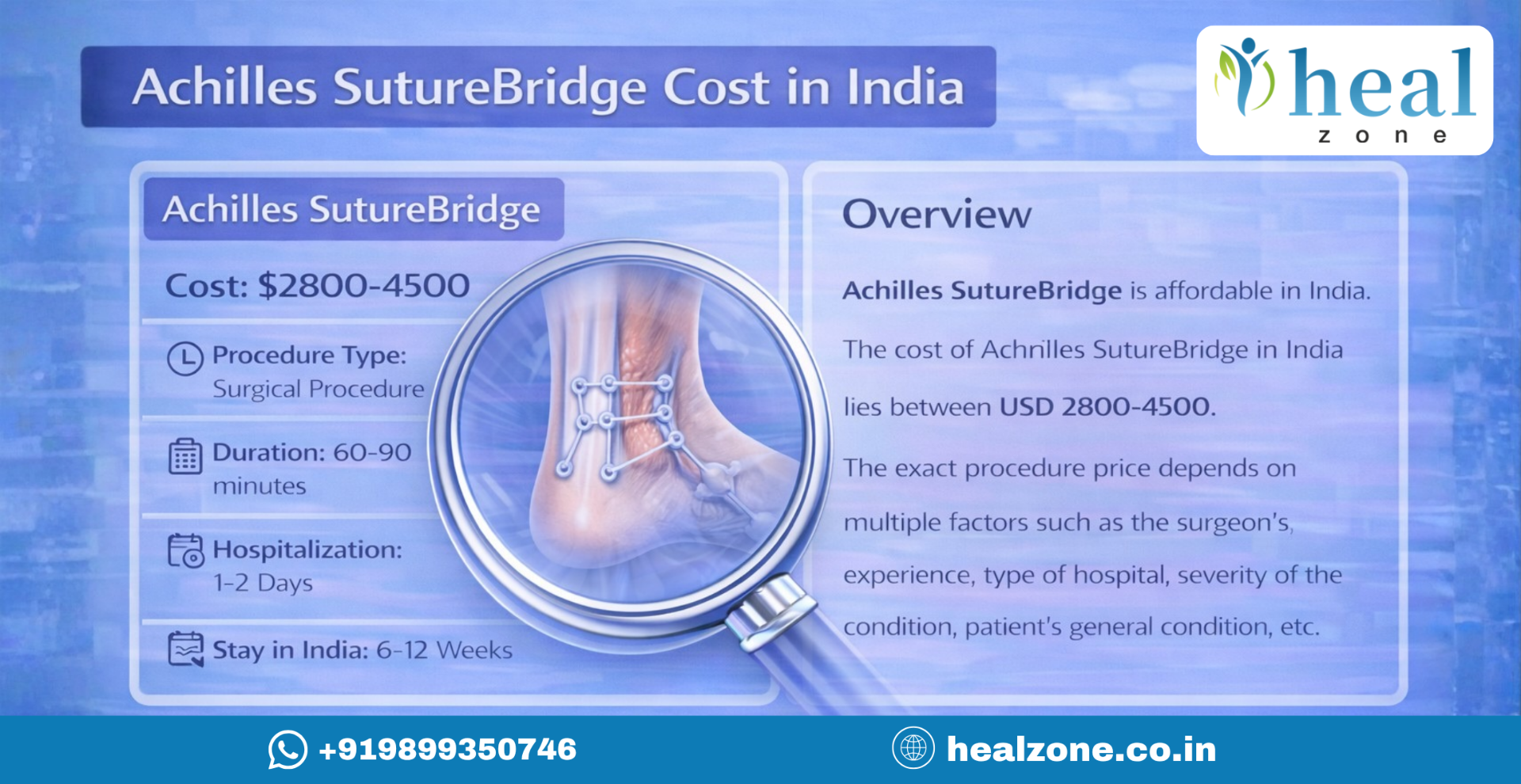
Cost:
$ 2800-4500
Duration:
60-90 Hours
Hospitalization:
1-2 Days
Stay in India:
6-12 Weeks
Success Rate:
98%
Overview
Achilles SutureBridge is affordable in India. The cost of Achilles SutureBridge in India lies between USD 2800-4500. The exact procedure price depends on multiple factors such as the surgeon's experience, type of hospital, severity of the condition, patient's general condition, etc.
Contact us for free opinion
Top Doctors for Achilles SutureBridge in India




Dr. Puneet Girdhar
18 Years Years of Experience

Dr. (Prof.) Anil Arora
30 Years of Experience

Dr. Subhash Jangid
26 years Years of Experience
What is Achilles SutureBridge Repair?
Achilles SutureBridge repair is a minimally invasive surgical technique used to treat complete or partial ruptures of the Achilles tendon—the thick, fibrous cord connecting the calf muscles to the heel bone. This technique involves placing suture anchors into the heel bone and crossing strong sutures over the tendon in a bridge-like pattern to provide strong fixation.
Unlike traditional repair methods that may focus on a single line of sutures, the SutureBridge method offers:
- Stronger tendon-to-bone healing
- Reduced risk of re-rupture
- Faster rehabilitation and return to activity
It is often chosen for athletes, active adults, or anyone seeking a robust and biomechanically superior solution for Achilles injuries.
What Types of Achilles Tendon Injuries Are Treated with SutureBridge Repair?
The Achilles SutureBridge technique is best suited for moderate to severe tendon injuries. These may include:
1. Complete Achilles Tendon Rupture:
- Sudden, sharp tear in the tendon, often during sports or heavy lifting
- Audible "pop" sound and immediate pain
2. Partial Tendon Tear:
- Incomplete rupture with pain and weakness
- May occur due to overuse or repetitive strain
3. Degenerative Tendinopathy:
- Chronic degeneration of the tendon due to aging or inflammation
- Requires reinforcement and debridement during surgery
4. Re-rupture or Failed Previous Repair:
- SutureBridge is used in revision surgeries for failed traditional repairs
This method provides high tendon stability and is particularly useful in young, athletic, or high-demand individuals who need a reliable repair with early mobilization.
Who Should Undergo Achilles SutureBridge Repair Surgery?
You may be a candidate for this surgery if you meet the following conditions:
- Confirmed tendon rupture (complete or high-grade partial tear)
- Failed conservative treatment like rest, braces, or physical therapy
- Involvement in sports or physically demanding work
- Persistent weakness or limping after a previous tendon injury
- Diagnosed degenerative tendinopathy needing surgical reinforcement
Doctors in India evaluate factors like age, activity level, severity, and comorbidities before recommending SutureBridge repair. International patients with delayed or untreated injuries often benefit most from this intervention.
What are the Symptoms and How is Achilles Tendon Injury Diagnosed in India?
Common Symptoms Include:
- Sudden pain or “snapping” sensation in the heel or calf
- Swelling, bruising, and tenderness near the heel
- Difficulty walking or standing on toes
- Visible gap in the tendon
- Weak plantar flexion (pushing foot downward)
Diagnostic Protocol in India:
1. Physical Exam – Includes the Thompson test (squeezing the calf while observing foot movement)
2. Ultrasound – Quick, cost-effective tool to visualize the tendon tear
3. MRI Scan – Offers detailed imaging of the tendon’s length, thickness, and damage level
4. X-rays – Used to rule out associated bone fractures
Indian hospitals use same-day imaging, ensuring a rapid diagnosis and early surgical planning for international patients
What Are the Treatment Options for Achilles Tendon Injuries?
Treatment options depend on the severity of the tendon injury, the patient’s activity level, and the time elapsed since injury.
1. Non-Surgical (Conservative Management):
Used in partial tears or small ruptures
Includes:
- Rest and elevation
- Functional bracing with a walking boot
- Pain management and physiotherapy
May result in longer recovery and higher re-rupture risk in athletes
2. Surgical Treatment (SutureBridge Repair and Others):
Surgery is preferred for:
- Complete tendon ruptures
- Failed conservative treatment
- High-demand patients such as athletes
Surgical techniques include:
- Traditional Open Repair: Longer incision and higher risk of wound complications
- Percutaneous Repair: Minimally invasive but may risk nerve injury
- SutureBridge Repair (Advanced): Uses anchors and crossing sutures for superior tendon fixation
In India, surgeons typically recommend SutureBridge for patients needing strong, stable, and durable repair with early rehab benefits.
What is the Detailed Treatment Protocol for Achilles SutureBridge Repair in India?
Indian hospitals follow a systematic, globally recognized protocol that ensures success from diagnosis to recovery.
1. Pre-operative Phase:
- Virtual consultation for international patients
- Clinical evaluation + MRI confirmation
- Pre-surgical blood tests and anesthesia clearance
- Admission 1 day before surgery
2. Surgical Procedure:
- Performed under regional or general anesthesia
- A small incision is made to access the torn tendon
- Suture anchors are inserted into the calcaneus (heel bone)
- High-strength sutures cross over the tendon in a bridge configuration
- Ensures uniform compression and biological healing
Duration: Approximately 60–90 minutes
3. Immediate Post-operative Care:
- Foot immobilized in a plantarflexed (pointed) position
- Pain management with oral or IV meds
- Antibiotics to prevent infection
4. Rehabilitation Phase:
- Start passive range-of-motion exercises after 2–3 weeks
- Begin partial weight-bearing at 4–6 weeks
- Full weight-bearing and walking without support at 8–10 weeks
- Return to sports/strenuous activity in 4–6 months
Healzone assists with in-hospital recovery and continued virtual physiotherapy for international patients.
What Devices or Implants Are Used in the SutureBridge Technique?
Achilles SutureBridge repair relies on modern orthopedic implants and surgical devices approved for international use.
Key Devices Include:
- Bio-composite or titanium suture anchors
- High-tensile strength sutures (non-absorbable)
- Interference screws (in some hybrid repairs)
- Surgical instrumentation systems for precise anchor placement
Features of Devices Used in India:
- Sourced from FDA- and CE-certified manufacturers
- High biocompatibility and tensile strength
- Minimally invasive insertion
- Promotes biological healing of tendon to bone
India offers access to the same global brands used in US and UK hospitals, but at a fraction of the cost.
What is the Full Cost Breakdown of Achilles SutureBridge Surgery in India?
India offers transparent and all-inclusive pricing for international patients. Here’s a typical cost distribution:
|
Component |
Estimated Cost (USD) |
|
Orthopedic Consultation |
$30 – $50 |
|
MRI / Ultrasound Imaging |
$100 – $200 |
|
Pre-op Blood Tests |
$60 – $100 |
|
Surgery Charges |
$1,200 – $1,800 |
|
SutureBridge Implants |
$500 – $800 |
|
Anesthesia & OT Charges |
$300 – $500 |
|
Hospital Stay (1–2 days) |
$300 – $500 |
|
Post-op Medications |
$100 – $150 |
|
Initial Physiotherapy |
$100 – $200 |
Total Estimated Cost in India: $2,800 – $4,500
Healzone offers package-based pricing to avoid unexpected expenses for international patients.
What Type of Surgical Procedure Is Used for Achilles SutureBridge Repair?
Achilles SutureBridge is a minimally invasive surgical technique designed for maximum tendon healing and stability with reduced trauma to surrounding tissues.
Procedure Type:
- Minimally Invasive/Open Hybrid: A small incision is made to access the torn tendon and place suture anchors into the heel bone.
- SutureBridge Configuration: Sutures are crossed over the tendon in a bridge-like pattern and secured, creating compression across the repair site.
- Sometimes done with endoscopic assistance to ensure precision and reduced scarring.
Surgical Objectives:
- Restore the normal tension and function of the Achilles tendon
- Reduce risk of gapping, re-rupture, or healing failure
- Promote fast biological healing of the tendon to bone
Surgeons in India follow evidence-based protocols, using modern techniques that match those used in leading sports medicine centers globally.
What Are the Advantages of Getting Achilles SutureBridge Repair in India?
India is a leading destination for orthopedic and sports injury treatments. Here’s why international patients choose India for this advanced procedure:
World-Class Medical Expertise:
- Orthopedic surgeons with global training and experience
- High-volume centers handling complex tendon injuries daily
Affordable Yet High-Quality Care:
- Save up to 70% compared to US/UK hospitals
- No compromise on surgical equipment or quality of care
Modern Hospital Infrastructure:
- Equipped with arthroscopy suites, digital radiology, and sterile ORs
- NABH and JCI-accredited facilities
Priority Scheduling for International Patients:
- Short waiting periods
- Pre-scheduled surgery and recovery plans
Comprehensive Support Services:
- Language translators
- Medical visa assistance
- Hotel/hospital coordination
India combines cutting-edge care with logistical convenience and hospitality, making it ideal for medical travelers.
Why Should You Choose Healzone for Achilles SutureBridge Surgery in India?
Healzone is a leading medical tourism facilitator that ensures a seamless and personalized treatment experience for patients from across the globe.
What Healzone Offers:
- Curated Hospitals Only: All partner facilities are accredited and quality-verified
- Pre-approved All-Inclusive Packages: No hidden costs; includes surgery, stay, physiotherapy, and medications
- Medical Visa Support: Guidance on documentation, invitations, and priority approval
- Travel and Logistics: Airport pickup, hotel booking, and hospital transfers
- Language & Cultural Comfort: Dedicated international coordinators and interpreters
- Post-treatment Follow-ups: Free virtual consultations and physiotherapy support
With Healzone, your entire journey—from diagnosis to discharge and beyond—is fully managed, ensuring peace of mind.
What Precautions Should International Patients Take Before and After Surgery?
Before Surgery:
- Avoid smoking and alcohol for at least 7 days
- Disclose any medications, including blood thinners
- Complete pre-op blood work and imaging
- Maintain a healthy diet and hydration
After Surgery:
- Follow strict non-weight bearing instructions during the first few weeks
- Keep the leg elevated to reduce swelling
- Monitor wound for any signs of infection (redness, fever, pus)
- Attend all physiotherapy sessions, either in person or via virtual rehab
- Avoid long-distance travel until medically cleared
Healzone provides a customized care plan, including rehabilitation tips, mobility aids, and step-by-step post-op guidance to ensure a safe and smooth recovery.
What is the Recovery and Follow-Up Timeline After SutureBridge Repair?
Recovery after Achilles SutureBridge surgery is gradual but structured, typically divided into four key phases:
|
Phase |
Timeline |
Goals |
|
Immobilization |
Week 1–3 |
Tendon protection, reduce swelling |
|
Early Mobilization |
Week 3–6 |
Passive/active-assisted exercises |
|
Partial Weight-bearing |
Week 6–8 |
Controlled walking with support |
|
Full Recovery |
Month 3–6 |
Strength training, sports return |
Virtual Follow-Ups:
- Healzone arranges video consultations with your Indian orthopedic surgeon post-discharge
- Reports, x-rays, and progress updates are reviewed remotely
Most patients achieve 90–100% function within 4–6 months, depending on the complexity of the injury and adherence to rehab
Top Hospitals for Achilles SutureBridge in India
- Type and extent of tendon injury (partial vs. complete)
- Implant brand and technology (bio-composite or titanium anchors)
- Surgeon's expertise and hospital reputation
- Diagnostic imaging and blood work needs
- Number of physiotherapy sessions required
- Hospital stay length and room category
- Any existing comorbidities or pre-existing conditions
Advantages and Risk Factors
Advantages of Choosing India:
- Globally trained sports medicine surgeons
- FDA/CE-approved suture implants
- State-of-the-art orthopedic operating theaters
- Affordable yet high-standard care with rapid scheduling
- Healzone assistance throughout treatment and rehabilitation
Possible Risks:
- Post-surgical pain or swelling (temporary)
- Re-rupture (rare with proper care)
- Wound healing issues (more likely in diabetic patients)
- Scar tissue formation affecting flexibility
- Rare allergic reaction to implant material
Cost Comparison With Other Countries
|
Country |
Estimated Total Cost (USD) |
|
India |
$2,800 – $4,500 |
|
USA |
$9,000 – $14,000 |
|
UK |
$8,000 – $12,000 |
|
Thailand |
$5,000 – $7,000 |
|
UAE |
$6,000 – $9,000 |
|
Singapore |
$9,000 – $13,000 |
India offers one of the most competitive prices globally, with expert execution and international hospital standards.

Frequently Asked Questions
The procedure is performed under general or regional anesthesia, so you won’t feel pain during surgery. Post-operative discomfort is common in the first week but is well-managed with medications. Most patients report significant pain relief within 5–7 days.
Recovery typically takes 3 to 6 months, depending on your age, injury severity, and compliance with physiotherapy. Most patients walk unassisted by 10–12 weeks and return to sports or active work by 4–6 months.
You will need to use crutches or a walker for the first few weeks. Weight-bearing starts around week 4–6 and progresses gradually with physical therapy support. Full weight-bearing is generally allowed after 8–10 weeks.
Yes. Indian hospitals use FDA- and CE-approved implants made from titanium or medical-grade polymers. These are the same brands used in the US, UK, and Europe. They ensure long-lasting, biocompatible, and secure tendon fixation.
Yes. The repair is designed to be durable and permanent, especially when supported by proper post-op care and physiotherapy. The implants are typically left in place unless there’s a rare complication or patient discomfort.
Yes. Healzone offers virtual physiotherapy guidance and sends home-based exercise protocols. You may also be referred to a local therapist in your country, coordinated with your Indian surgeon.
We recommend having a companion or caregiver travel with you, especially for the first week after surgery. Healzone also offers in-hospital support staff and patient coordinators to help solo travelers during their hospital stay and discharge.
No. Most Indian doctors and hospital staff speak fluent English. Additionally, Healzone provides language interpreters for Arabic, French, Russian, Spanish, and other languages upon request.
Latest Blogs