

Contact us for Transcatheter Aortic Valve Replacement (TAVR) or Transcatheter Aortic Valve Implantation (TAVI) Cost in India
Transcatheter Aortic Valve Replacement (TAVR) or Transcatheter Aortic Valve Implantation (TAVI) Cost in India
$22,000 – $35,000
95 %
Transcatheter Aortic Valve Replacement (TAVR) or Transcatheter Aortic Valve Implantation (TAVI) is a revolutionary minimally invasive heart procedure used to replace a diseased aortic valve without open-heart surgery. India has become one of the leading global destinations for TAVR, offering advanced cardiac care at 60–80% lower costs compared to Western countries.
In India, the average TAVR cost ranges from USD 22,000 – USD 35,000, depending on the valve type, hospital location, and patient condition. The procedure is especially beneficial for patients who are elderly or considered high-risk for traditional surgery.
Top Doctors for Transcatheter Aortic Valve Replacement (TAVR) or Transcatheter Aortic Valve Implantation (TAVI) in India


Dr. Kewal Kishan Talwar
MBBS, MD, DM, FAMS, FRCP
Cardiologist
45 Years of Experience
Pushpawati Singhania Research Institute (PSRI), Hospital, New Delhi

What Is Transcatheter Aortic Valve Replacement (TAVR) or Transcatheter Aortic Valve Implantation (TAVI)?
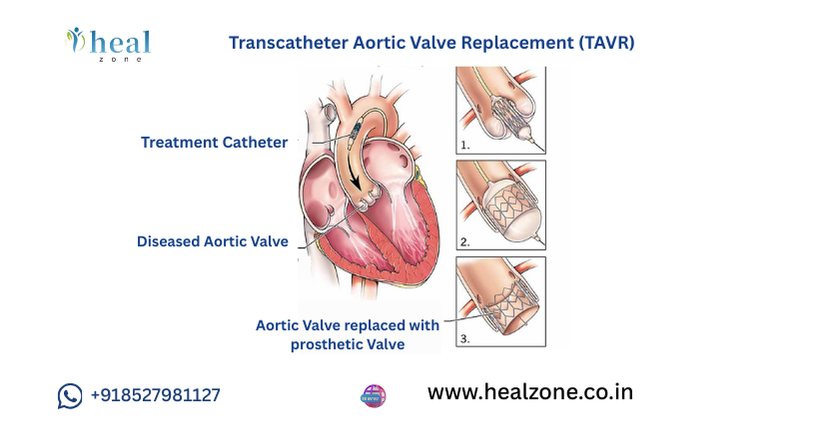
TAVR (Transcatheter Aortic Valve Replacement) or TAVI (Transcatheter Aortic Valve Implantation) is a minimally invasive way to replace a severely narrowed aortic valve. Doctors use a catheter, usually through the femoral artery, to place a bioprosthetic valve made from pig or cow tissue inside the old valve. This restores normal blood flow without open-heart surgery. TAVR is mainly for elderly or high-risk patients. Benefits include faster recovery, shorter hospital stays, and no need for a chest incision. Risks can include stroke, blood vessel problems, valve leakage, or needing a pacemaker. For the right patients, TAVR has very good results. It provides:
- Faster recovery
- Reduced hospital stay
- Lower risk for high-risk cardiac patients
It is now widely recommended worldwide for severe aortic stenosis cases.
Top Hospitals for Transcatheter Aortic Valve Replacement (TAVR) or Transcatheter Aortic Valve Implantation (TAVI) in India

Indraprastha Apollo Hospital, New Delhi
Indraprastha Apollo Hospital, NH-19, New Delhi

Medanta-The Medicity Gurgaon
CH Baktawar Singh Rd, Medicity, Islampur Colony, Sector 38, Gurugram, Haryana 122001

Fortis Memorial Research Institute (FMRI) Gurugram
Sector - 44, Opposite HUDA City Centre, Gurugram, Haryana 122002

Max Super Speciality Hospital, Saket
Press Enclave Marg, Saket, New Delhi, Delhi 110017
What Is Aortic Stenosis and Why Is Transcatheter Aortic Valve Replacement (TAVR) or Transcatheter Aortic Valve Implantation (TAVI) Needed?
Aortic stenosis is a heart condition where the aortic valve becomes narrowed, obstructing blood flow from the heart to the body.
Symptoms include:
- Chest pain
- Breathlessness
- Dizziness or fainting
- Fatigue & reduced activity tolerance
If untreated, severe aortic stenosis can lead to heart failure and death, making timely TAVR life-saving.
Who Is a Candidate for Transcatheter Aortic Valve Replacement (TAVR) in India?
TAVR (Transcatheter Aortic Valve Replacement) is typically recommended for patients who:
- Experience significant symptoms such as chest pain, shortness of breath, fatigue, or episodes of fainting that affect your daily life
- Are older or have other medical conditions that make open-heart surgery risky
- Have a heart that is too weak or fragile for surgical valve replacement, where a minimally invasive approach is safer
- Previously had heart surgery, making another open procedure riskier
- Cannot undergo surgery because of lung disease, kidney problems, or other medical issues
- Prefer a less invasive alternative with faster recovery
Doctors use imaging and heart function tests to decide if TAVR is right for each patient.
Transcatheter Aortic Valve Replacement (TAVR) vs Surgical Aortic Valve Replacement (SAVR)
|
Surgery Type |
Minimally invasive |
Open-heart surgery |
|
Recovery Time |
1–2 weeks |
6–8 weeks |
|
Best For |
High-risk older patients |
Young & low-risk patients |
|
Hospital Stay |
3–5 days |
7–10 days |
|
Anesthesia |
Conscious sedation / General |
General anesthesia |
TAVR is increasingly becoming the first choice for eligible patients.
Factors Affecting Transcatheter Aortic Valve Replacement (TAVR) Cost in India
|
Brand & type of transcatheter valve |
Major cost component |
|
Hospital infrastructure & city |
Premium centers charge more |
|
Surgeon & cardiology team expertise |
Higher experience = higher cost |
|
Patient comorbidities |
Additional tests & ICU stay |
|
Stay duration |
More days increase costs |
|
Coronary interventions if needed |
Adds up to cost |
Cost Breakdown of Transcatheter Aortic Valve Replacement (TAVR) or Transcatheter Aortic Valve Implantation (TAVI) in India
|
Valve Implant |
12,000 – 22,000 |
|
Cath Lab + Procedure Charges |
5,000 – 8,000 |
|
ICU Stay & Hospitalization |
2,000 – 5,000 |
|
Pre-op Investigations |
500 – 1,000 |
|
Medications & Consumables |
800 – 1,500 |
|
Doctor’s Fees |
1,000 – 2,000 |
Total Estimated Cost: USD 22,000 – USD 35,000
Cost Comparison: Transcatheter Aortic Valve Replacement (TAVR) in India vs Other Countries
|
USA |
$80,000 – $200,000 |
|
UK |
$60,000 – $120,000 |
|
UAE |
$45,000 – $70,000 |
|
Singapore |
$50,000 – $90,000 |
|
India |
$22,000 – $35,000 |
India provides the same FDA/CE-certified valves and skilled expertise at far lower costs, making it one of the top destinations for TAVR.
Types of Transcatheter Aortic Valves Used in India
India offers advanced FDA-approved and CE-certified valves such as:
- Balloon-Expandable Valves (e.g., Edwards SAPIEN series)
- Expanded using a balloon during placement
- Known for strong fitting and excellent long-term performance
Cost: $22,000–32,000
- Self-Expandable Valves (e.g., Medtronic CoreValve / Evolut series)
- Automatically expands to fit the heart valve
- Often used in patients with small or calcified valve openings
Cost: $20,000–30,000
- Mechanically Expandable Valves (e.g., LOTUS Edge – selective availability)
- Allows repositioning and precise placement
- Used for complex anatomy cases
Cost: $26,000-35,000
These valves are imported, ensuring top-tier safety and performance.
Step-by-Step Transcatheter Aortic Valve Replacement (TAVR) or Transcatheter Aortic Valve Implantation (TAVI) Procedure in India
The TAVR (Transcatheter Aortic Valve Replacement) procedure replaces the diseased aortic valve without open-heart surgery. Here’s how the process is usually carried out:
- Pre-Procedure Imaging & Planning
Doctors use scans like CT, echo, and angiography to check your heart and choose the safest path for placing the valve, usually through the leg. - Anesthesia & Preparation
Patients are given either local anesthesia with sedation or general anesthesia, ensuring comfort throughout the procedure. - Catheter Insertion
A thin tube (catheter) is inserted, most commonly through the femoral artery in the groin. - Guiding the Catheter to the Heart
Using real-time imaging, the catheter is carefully guided through blood vessels to the diseased aortic valve. - New Valve Placement
The artificial valve is positioned inside the old valve using:
- Balloon inflation (balloon-expandable type) or
- Self-expansion (self-expanding type)
- Deployment & Function Check
The new valve pushes aside the damaged valve tissue and begins working immediately. Doctors check for proper blood flow and valve sealing. - Catheter Removal
The catheter is withdrawn, and the incision is closed — usually with a small dressing, no major scar. - Monitoring in ICU
Patients are monitored for heart rhythm, blood pressure, and recovery of normal valve function.
Time Taken: Usually 60–120 minutes
Hospital Stay: Most patients go home within 3–5 days
Preoperative Evaluation Before Transcatheter Aortic Valve Replacement (TAVR)
- Echocardiography
- CT angiography
- Cardiac catheterization
- Blood tests
- Frailty & anesthesia assessment
These help decide valve sizing and placement approach.
Risks and Complications of Transcatheter Aortic Valve Replacement (TAVR) Surgery
TAVR is considered safer than open-heart surgery for many patients, but like any heart procedure, some risks remain:
- Blood vessel injury due to catheter insertion
- Stroke or mini-stroke from small clots or debris
- Heart rhythm disturbances such as heart block (may require a pacemaker)
- Valve leakage (paravalvular leak) if there is an incomplete seal
- Bleeding at the catheter site
- Kidney issues due to contrast dye used in imaging
- Infection, though uncommon, with proper care
- Heart attack, rare but possible due to underlying heart disease
Most problems can be caught early and treated with regular check-ups. For patients who are high-risk, TAVR generally has fewer complications than open-heart surgery.
Success Rates of Transcatheter Aortic Valve Replacement (TAVR) in India
India reports 92–98% success rates because of:
- Highly experienced interventional cardiologists
- Modern hybrid cath labs
- Advanced post-op monitoring systems
- Careful patient evaluation and personalized treatment planning
Success with TAVR in India relies on choosing the right patients, having skilled specialists, and ensuring proper follow-up care. Long-term results beyond 5 years are still being evaluated, and success is defined by better valve function, improved symptoms, and a noticeable boost in quality of life.
Long-Term Outcomes & Valve Durability After Transcatheter Aortic Valve Implantation (TAVI)
A TAVR valve is designed to last for many years. While durability can vary from person to person, here’s what current experience shows:
- Valve lifespan of around 10–20 years
In most patients, the artificial valve continues to function well for a long time. Factors like age, lifestyle, and other heart conditions can influence longevity. - Better quality of life for years after surgery
Most patients experience improved energy, easier breathing, and greater ability to do daily activities without getting tired quickly. - Reduced risk of hospital readmission
Because your symptoms improve and your heart works more effectively, many patients find they need fewer emergency visits and fewer heart-related treatments going forward. - Stable heart function over time
Regular follow-up scans usually show that the valve keeps its performance steady for many years. - Ongoing check-ups are essential
Even with good results, patients need routine evaluations to ensure the valve remains healthy and any issues are caught early.
Recovery Timeline After Transcatheter Aortic Valve Replacement (TAVR) in India
|
ICU |
1–2 days |
|
Hospital stay |
3–5 days |
|
Return to normal routine |
2–3 weeks |
Recovery is 4–5× faster compared to open-heart surgery.
Postoperative Care and Follow-Up Cost in India for Transcatheter Aortic Valve Replacement (TAVR)
After TAVR (Transcatheter Aortic Valve Replacement), proper postoperative care is essential to help your new valve work effectively and to support your heart’s recovery.
Immediate Post-Procedure Care (Hospital Stay)
- Monitoring in ICU for 24–48 hours
- Regular ECGs, blood pressure, and oxygen monitoring
- Pain control and bleeding surveillance (especially at the catheter insertion site)
- Early mobilization to prevent blood clots and improve lung function
Medications
- Antiplatelet therapy (e.g., Aspirin, Clopidogrel) to prevent blood clots
- Blood pressure and cholesterol-lowering medicines to protect the heart
- Antibiotics if needed to prevent infections
Wound Care
- Keep the catheter site clean and dry
- Watch for redness, swelling, or discharge
- Avoid lifting heavy objects until fully healed
Lifestyle & Activity
- Gradual increase in walking and physical activity
- Healthy diet (low salt, low saturated fats)
- Complete avoidance of smoking and alcohol restriction
- Cardiac rehabilitation may be recommended to regain strength
Follow-Up & Monitoring
- First follow-up usually within 4–6 weeks
- Routine echocardiograms and heart check-ups to evaluate valve function
- Long-term annual follow-ups for life
Awareness of Warning Signs
Seek medical attention if you notice:
- Chest pain, shortness of breath, palpitations
- Excessive bleeding or swelling at wound site
- Fever or dizziness
Typical costs:
- Follow-up visits: $50–100 per visit
- Medication: $50–150 per month
- Cardiac rehab: $200–400
Annual follow-up recommended.
Lifestyle Changes After Transcatheter Aortic Valve Replacement (TAVR) Surgery
After TAVR, the new valve supports your heart to pump more efficiently but maintaining that improvement depends a lot on your daily habits. Healthy lifestyle choices protect the valve, boost your energy levels, and lower the chances of future heart issues. Here’s what to focus on:
- Low-salt, heart-healthy diet to avoid fluid buildup and high blood pressure
- Walking and light exercise to gradually build strength and stamina
- No smoking or tobacco, as these can damage the heart and blood vessels
- Regular blood pressure checks to keep the heart working smoothly
When to Seek Emergency Care After Transcatheter Aortic Valve Replacement (TAVR)
Even with a smooth recovery, it’s important to watch for warning signs. Seek urgent medical help if you experience:
- Sudden or worsening chest pain
- Difficulty breathing or breathlessness at rest
- Irregular or very fast heartbeat
- Signs of infection: fever, chills, redness, or discharge at the incision site
Why Choose India for Transcatheter Aortic Valve Replacement (TAVR) or Transcatheter Aortic Valve Implantation (TAVI) Surgery?
- World-leading cardiac hospitals
- Affordable packages for international patients
- FDA/CE-approved valves
- Minimally invasive expertise
- No waiting list
Stay Duration in India for Transcatheter Aortic Valve Replacement (TAVR) Treatment
- Before surgery: 2–4 days
- Hospital stay: 3–5 days
- Post-discharge monitoring: 5–7 days
Total stay: 2–3 weeks recommended.
How Healzone Supports International Heart Patients in India?
Healzone offers:
- Expert hospital & surgeon selection
- Transparent cost estimates
- Visa & travel guidance
- Airport pick-up & stay arrangements
- Dedicated case manager throughout your care
- Postoperative follow-up coordination
International patients receive end-to-end assistance for stress-free treatment.
Alternative Treatments for Severe Aortic Stenosis
- Balloon Aortic Valvuloplasty (temporary relief)
- Medical therapy (symptomatic only, not a cure)
- Surgical Aortic Valve Replacement (SAVR)
TAVR remains the most preferred option for high-risk patients
Frequently Asked Questions
It is a minimally invasive procedure to replace a narrowed aortic valve without opening the heart.
Patients with severe aortic stenosis who are high-risk or intermediate-risk for open surgery. Eligibility is based on heart imaging, age, and overall health.
Current data shows 10–20 years durability, with ongoing research for long-term results.
Yes, most modern valves are MRI-compatible. Your medical team will confirm based on the valve model.
Valve-in-valve TAVR is possible if the first valve wears out, but suitability depends on measurements and imaging.
