

Contact Us for Best Trans Aortic Valve Replacement (TAVR) Surgery Hospitals in India
Best Trans Aortic Valve Replacement (TAVR) Surgery Hospitals in India
India’s top cardiac centres offer integrated structural-heart programmes that perform high volumes of TAVR, with hybrid operating suites, advanced imaging (CT-angiography, 3D-TEE), and multidisciplinary Heart Teams. The best hospitals in India for TAVR maintain NABH/JCI-level protocols, dedicated ICU/CCU support, and international-patient services including pre-procedure evaluation, visa help, and tele-follow-up. Leading centres provide same-day or next-day mobilisation and structured cardiac rehabilitation to shorten recovery while ensuring safety.
Below is the list of the Best Trans Aortic Valve Replacement (TAVR) Surgery Hospitals in India — choose an accredited, high-volume centre that balances clinical excellence with transparent, affordable pricing for international patients.



Indraprastha Apollo Hospital, New Delhi
 Indraprastha Apollo Hospital, NH-19, New Delhi
26
Specialities
710
Beds Facility
138
ICU Beds
1996
Established in

Medanta-The Medicity Gurgaon
CH Baktawar Singh Rd, Medicity, Islampur Colony, Sector 38, Gurugram, Haryana 122001
27
Specialities
1391+
Beds Facility
271+
ICU Beds
2009
Established in
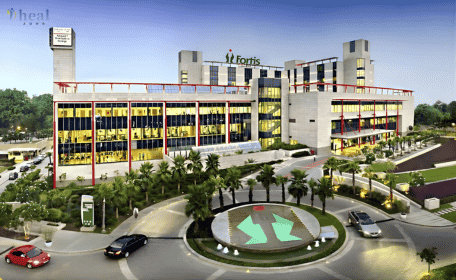
Fortis Memorial Research Institute (FMRI) Gurugram
Sector - 44, Opposite HUDA City Centre, Gurugram, Haryana 122002
26
Specialities
330+
Beds Facility
99+
ICU Beds
2001
Established in
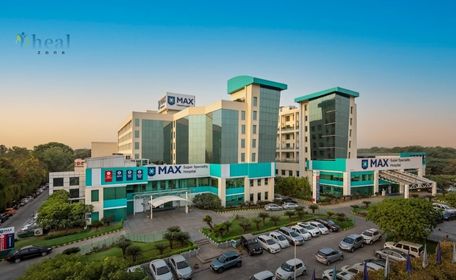
Max Super Speciality Hospital, Saket
Press Enclave Marg, Saket, New Delhi, Delhi 110017
26
Specialities
500
Beds Facility
267
ICU Beds
0
Established in

BLK-Max Super Speciality Hospital, New Delhi
Pusa Rd, Radha Soami Satsang, Rajinder Nagar, New Delhi, Delhi – 110005
26
Specialities
650+
Beds Facility
162+
ICU Beds
1959
Established in
Contact Us for Best Trans Aortic Valve Replacement (TAVR) Surgery Hospitals in India
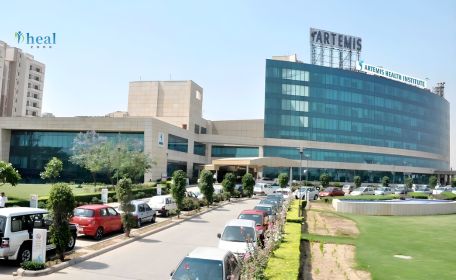
Artemis Hospital, Gurgaon
Sector 51, Gurugram, Bindapur, Haryana – 122001
26
Specialities
750
Beds Facility
185
ICU Beds
2007
Established in
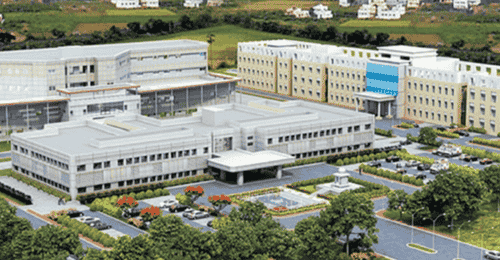
Gleneagles Global Health City, Chennai
439, Cheran Nagar, Sholinganallur, Perumbakkam, Chennai, Tamil Nadu 600100
26
Specialities
2100
Beds Facility
0
ICU Beds
0
Established in
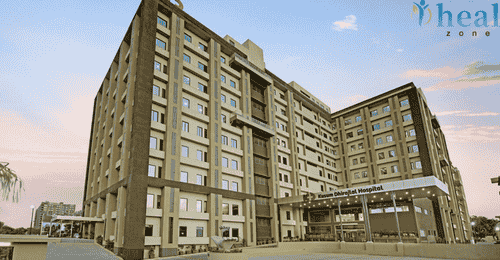
KD Hospital, Ahmedabad
Vaishnodevi Circle, Ahmedabad, Gujarat
26
Specialities
300
Beds Facility
0
ICU Beds
0
Established in

Metro Heart Institute with Multispeciality, Faridabad
Metro Heart Institute Sector 16 A, Faridabad (NCR) – 121002
26
Specialities
400
Beds Facility
30
ICU Beds
0
Established in
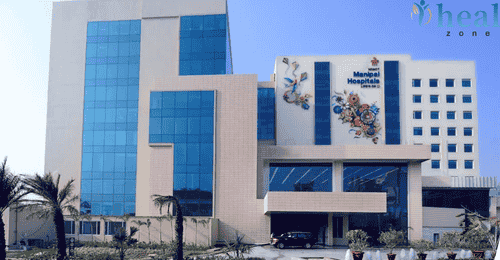
Manipal Hospital, Dwarka, New Delhi
Sector 6 Dwarka, Dwarka, Delhi, 110075
26
Specialities
380+
Beds Facility
118+
ICU Beds
2018
Established in
Contact Us for Best Trans Aortic Valve Replacement (TAVR) Surgery Hospitals in India
Why Choose the Best Trans Aortic Valve Replacement (TAVR) Surgery Hospitals in India?
The advantages of choosing India for TAVR are:
- Experienced Heart Teams: High-volume centres accumulate procedural expertise and manage complications efficiently; this experience translates into better selection, implantation technique and follow-up care.
- Comprehensive infrastructure: Hybrid cath labs, on-site cardiac surgery backup, advanced CT-angiography and 3D imaging support complex planning and execution.
- Accreditation and safety standards: Many leading Indian hospitals maintain NABH and often JCI levels of governance, reflecting international patient-safety practices.
- Cost advantage: Patients often receive world-class valve care in India at a substantially lower cost than in the USA, UK or Singapore, while benefiting from similar device technology and protocols.
What are the advanced Technologies and Surgical Infrastructure available?
Key technologies that support excellent TAVR outcomes-
- 3D CT planning and valve sizing software: Precise annular measurement, coronary height assessment and virtual valve simulation reduce paravalvular leak risk and vascular complications.
- Hybrid operating rooms and advanced fluoroscopy: Facilitates rapid conversion to surgery if needed and high-quality imaging for deployment.
- Transesophageal echocardiography (TEE) and intracardiac echo: Intra-procedural imaging for accurate positioning.
- Low-profile delivery systems and modern valve platforms: Allow transfemoral access in more patients and improved haemodynamics after implantation.
- Vascular closure devices and endovascular support: Minimise access-site complications and speed recovery.
These infrastructures are routinely available in India’s leading TAVR programmes and underpin safe, efficient procedures with quick mobilisation.
What are the accreditations and Global Standards of These Hospitals?
Top hospitals offering TAVR frequently hold:
- NABH (National Accreditation Board for Hospitals & Healthcare Providers) certification — ensures standardized clinical protocols and patient-safety systems.
- JCI (Joint Commission International) accreditation in some tertiary centres — signals alignment with international quality metrics.
- ISO and departmental certifications for laboratory and imaging services.
Accreditation provides an additional layer of trust for international patients seeking complex structural heart procedures.
What are the Comprehensive International Patient Care Services provided?
Leading centres provide end-to-end services:
- Pre-arrival teleconsultation to triage and plan the procedure using uploaded imaging.
- Visa and travel facilitation with invitation letters and appointment coordination.
- Airport pickup, interpreter services and family accommodation assistance.
- Itemised international patient packages with clear listings of what’s included (devices, ICU, post-op tests, rehab).
- Telemedicine and remote monitoring for international follow-up and coordination with local physicians.
This holistic support reduces anxiety and streamlines logistics for overseas patients and families.
What are the Treatment Success Rates and Outcomes for the patients?
Outcomes include technical success, haemodynamic improvement (valve gradients, regurgitation), symptom relief, 30-day mortality and longer-term survival. Modern valve platforms and careful patient selection yield high device success rates and significant symptomatic improvement. Early Indian experiences and global trials show favourable outcomes — early mortality in selected high-risk cohorts historically ranged a few percent at 30 days, improving as technology, sizing and operator skill advanced. Contemporary multi-device comparisons show good haemodynamic performance across main valve types.
Important caveat: Individual outcomes depend on age, co-morbidities, valve anatomy, and centre expertise. The Heart Team provides personalised risk/benefit counselling.
What is the Surgery Cost Comparison of India with Other Countries?
Cost Comparison: India vs Other Countries (indicative averages)
|
Country |
Average Cost (USD) — representative range |
|
USA |
$40,000 – $100,000+ |
|
UK |
$25,000 – $70,000 |
|
Singapore |
$30,000 – $80,000 |
|
India |
$20,000 – $40,000 (device & centre dependent). |
India commonly offers a significant cost advantage (often 40–70% lower) for TAVR compared with Western centres while providing equivalent valve technologies and accredited hospital standards. Cost savings arise from different healthcare economics, competitive pricing and local hospital packages. Always compare itemised inclusions (device brand, ICU days, imaging, follow-ups) when evaluating quotes.
What is the Rehabilitation and Tele-Follow-Up Procedures?
Rehab and long-term surveillance after TAVR-
- Inpatient rehabilitation: Early mobilisation and physiotherapy begin before discharge to restore strength and respiratory function.
- Outpatient cardiac rehab: Structured exercise, education and risk-factor modification (lipids, blood pressure) starting within weeks of discharge.
- Echo surveillance: Baseline at discharge, then at 30 days, 6 months, 1 year and annually to monitor valve function and detect degeneration or paravalvular leaks.
- Remote care for international patients: Teleconsults, local echo review and shared care plans with the patient’s home cardiologist ensure continuity.
- Diet and lifestyle counselling: Cardiac rehabilitation teams include dieticians and counsellors to reduce long-term cardiovascular risk.
These programs accelerate recovery and help maintain long-term benefits of the TAVR procedure.
How HealZone Supports Global Patients?
HealZone provides comprehensive coordination for international TAVR patients:
- Clinical matching: Identifies the best TAVR doctor in India for your clinical profile and valve options.
- Pre-procedure case review: Facilitates secure transfer of imaging for Heart Team assessment and provisional device selection.
- Transparent cost planning: Delivers itemised estimates (device options, hospital stay, ICU, rehab) and explains financing/insurance realities.
- Logistics & hospitality: Medical-visa assistance, airport pickup, interpreter services and curated accommodation near the hospital.
- On-ground coordination: A case manager to guide appointments, tests and discharge planning.
- Post-discharge tele-follow: Remote consultations and coordination with your local cardiologist to monitor recovery and valve function.
HealZone reduces logistic friction and ensures you receive evidence-based care with clear costs and accountable follow-up.
Practical Next Steps for International Patients Considering TAVR in India-
- Collect your medical records: Recent echo, CT aortic root/vascular CT, coronary angiogram and current meds.
- Request a teleconsultation and Heart Team review: Upload images for an initial assessment and device options.
- Obtain an itemised international package: Confirm device brand, hospital stay, ICU time, and follow-up schedule.
- Plan travel and recovery time: Expect ~1–2 weeks in India for evaluation, procedure and early recovery (longer if complications or alternative access).
- Arrange local cardiology follow-up after return: Share discharge summary and imaging; schedule echo at 30 days and onward.
