

Contact Us for Best Multiple Endocrine Neoplasia (MEN) Syndromes Treatment Doctors in India
Best Multiple Endocrine Neoplasia (MEN) Syndromes Treatment Doctors in India
India is home to many internationally trained endocrine surgeons, endocrinologists and geneticists who specialise in diagnosing and managing Multiple Endocrine Neoplasia (MEN) syndromes. These multidisciplinary teams combine decades of experience in endocrine oncology, precision genetic testing, minimally invasive and robotic surgery, and long-term biochemical surveillance. Many specialists hold fellowships from centres in Europe, the United States and Australia and routinely manage complex MEN1 and MEN2 cases referred from across Asia, Africa and the Middle East. Their focus is on personalized care, up-to-date protocol-driven management and compassionate support for patients and families facing hereditary endocrine cancer risk.
Below is the list of the Best Multiple Endocrine Neoplasia (MEN) Syndromes Doctors in India or choose one of the world-class centres listed further in the hospital section.
- New Delhi
- Mumbai
- Kolkata
- IVF and Infertility
- Cardiology
- Cosmetic and Plastic Surgery
- Orthopedic
- Dental
- Dermatology
- Endocrinology
- ENT
- Gastroenterology
- Gynecology and Obstetrics
- Hematology
- Hepatology
- Nephrology
- Neurology
- Obesity and Bariatric Surgery
- Oncology
- Opthalmology
- Pulmonology
- Rheumatology
- Urology
- General Surgery
- Transplant Surgery
- Vascular Surgery
- Pediatrics
- Internal Medicine
- Spine Surgery
- Radiology
- Minimally Invasive Cancer Surgery
- Microsurgical Tumor Removal
- Cardiac Tumor Treatment
- Mohs Surgery
- Fine Needle Aspiration
- Adrenal Cancer Treatment
- Bile Duct Cancer Treatment
- CAR T-Cell Therapy
- Lumpectomy
- Carcinoid Tumor Treatment
- Castleman Disease Treatment
- Colon Cancer Surgery
- Completion Thyroidectomy
- CyberKnife Surgery
- Free Flap Surgery for Treating Osteoradionecrosis
- Endometrial Cancer Treatment
- Actinium-225 (Ac-225) PSMA Therapy
- Endoscopic Tumor Removal
- Endometrial Biopsy
- Radium-223 Dichloride (Xofigo)
- Benign and Cancerous Tumor Excision
- I-131 MIBG Therapy
- Genitourinary Cancer Treatment
- Lu-177 PSMA Therapy
- Gestational Trophoblastic Disease (GTD) Treatment
- Hyperthermic Intraperitoneal Chemotherapy (HIPEC)
- Image-Guided Radiation Therapy (IGRT)
- Intensity-Modulated Radiation Therapy (IMRT)
- Kaposi Sarcoma Treatment
- Malignant Mesothelioma Treatment
- Metastatic Tumor Treatment
- Nasal Cavity and Paranasal Sinus Cancer Treatment
- Nasopharyngeal Cancer Treatment
- Non-Small Cell Lung Cancer (NSCLC) Treatment
- Papillary Thyroid Cancer Treatment
- Bone Marrow Transplant
- Brain Tumor Surgery
- Penile Cancer Treatment
- Ovarian Biopsy
- Proton Therapy
- Radioisotope Therapy
- Rhabdomyosarcoma (RMS) Treatment
- Robotic Cancer Surgery
- Skin Lymphoma Treatment
- Small Intestine Cancer Treatment
- Targeted Therapy
- Thymectomy
- Thymoma and Thymic Carcinoma Treatment
- Transarterial Chemoembolization (TACE)
- Vaginal Cancer Treatment
- Vulvar Cancer Treatment
- Whipple Procedure
- Ewing Family of Tumors Treatment
- Chemotherapy
- Hormone Therapy
- Radiation Therapy
- Immunotherapy
- Gamma Knife Radio-Surgery
- Bacillus Calmette Guerin (BCG) Therapy
- High-Intensity Focused Ultrasound (HIFU) for Prostate Cancer
- Pigmented Villonodular Synovitis (PVNS)
- Adnexal Tumor
- Mediastinal Teratoma
- Sacrococcygeal Teratoma (SCT)
- Nasal Cancer
- Paranasal Tumor
- Acute Lymphoblastic Leukemia (ALL)
- Diffuse Large B-Cell Lymphoma (DLBCL)
- Acute Myeloid Leukemia (AML)
- Acute Promyelocytic Leukemia (APL)
- Adenocarcinoma
- Adenosquamous Carcinoma
- Adrenocortical Carcinoma
- AIDS-Related Cancers
- Bile Duct Cancer
- Ameloblastoma
- Cancer
- Anal Cancer
- Carcinomas
- Anaplastic Carcinoma
- Colon Cancer
- Appendix Cancer
- Cutaneous T-Cell Lymphoma - Lymphoma
- Atypical Spindle Cell Tumor
- Ductal Carcinoma
- Atypical Teratoid/Rhabdoid Tumor (ATRT)
- Fibrous Histiocytoma of Bone (Malignant) and Osteosarcoma
- Basal Cell Carcinoma of the Skin
- Blood Cancer
- Malignant Fibrous Histiocytoma of Bone and Osteosarcoma
- Bone Marrow Cancer
- Bronchial Tumors
- Midline Tract Carcinoma With NUT Gene Changes
- Burkitt Lymphoma
- Cancer in Children
- Carcinoid Tumor (Gastrointestinal)
- Cholangio Carcinoma
- Pediatric Chordomas
- Chronic Lymphocytic Leukemia (CLL)
- Chronic Myelogenous Leukemia
- Chronic Myeloid Leukemia (CML)
- Chronic Myeloproliferative Neoplasms
- Desmoid Tumor
- Pediatric Ependymoma
- Esthesioneuroblastoma
- Ewing Sarcoma
- Extracranial Germ Cell Tumor
- Extragonadal Germ Cell Tumor
- Hodgkin Lymphoma
- Eye Cancer
- Malignant Fibrous Histiocytoma (MFH)
- Follicular Lymphoma
- Gallbladder Cancer
- Gastric (Stomach) Cancer
- Pediatric Spinal Tumor
- Gastrointestinal Stromal Tumor (GIST)
- Myeloproliferative Neoplasms (MPN)
- Pediatric Germ Cell Tumor
- Gestational Trophoblastic Disease
- Gum Tumor
- Polycythemia Vera
- Hairy Cell Leukemia (HCL)
- Hepatocellular (Liver) Cancer
- Invasive Breast Cancer
- Invasive Lobular Carcinoma
- Islet Cell Tumor
- Kaposi Sarcoma
- Renal Cell Cancer
- Large Cell Carcinoma
- Large Granular Lymphocytic (LGL) leukemia
- Laryngeal Cancer
- Lip and Oral Cavity Cancer
- Lymphatic Cancer
- Male Breast Cancer
- Malignant Mesothelioma
- Medullary Carcinoma
- Medulloblastoma
- Merkel Cell Carcinoma
- Metastatic Squamous Neck Cancer with Occult Primary
- Anaplastic Astrocytoma
- NUT Midline Carcinoma
- Mouth Cancer
- Multiple Endocrine Neoplasia (MEN) Syndromes
- Nasopharyngeal Cancer
- Neuroendocrine Tumor
- Non-Hodgkin Lymphoma
- Non-Small Cell Lung Cancer
- Oncogenic Osteomalacia
- Brain Stem Glioma
- Ovarian Primary Peritoneal Cancer
- Pancreatic Neuroendocrine Tumor
- Paraganglioma
- Parathyroid Cancer
- Parotid Gland Tumor
- Pediatric Rhabdomyosarcoma
- Pediatric Spinal Cord Tumor
- Pediatric Vascular Tumors
- Pharyngeal Cancer
- Pheochromocytoma
- Pineal Region Tumor
- Plasma Cell Neoplasms
- Pleural Tumor
- Pleuropulmonary Blastoma
- Primary Central Nervous System (CNS) Lymphoma
- Rectal Cancer
- Relapsed ALL
- Relapsed AML
- Relapsed Multiple Myeloma
- Retroperitoneal Tumor
- Olfactory Neuroblastoma
- Sezary Syndrome
- Skull Base Tumor
- Small Cell Carcinoma
- Small Intestine Cancer
- Giant Cell Tumor
- Soft Tissue Sarcoma
- Spinal Tumor
- Synovial Sarcoma
- Hemangiopericytoma
- Throat Cancer
- Thymoma and Thymic Carcinoma
- Thymus Gland Tumor
- Tracheobronchial Tumor
- Transitional Cell Cancer
- Urethral Cancer
- Vascular Tumor
- Waldenstrom Macroglobulinemia
- Wilms Tumor
- Malignant Peripheral Nerve Sheath Tumor (MPNST)
- Nasopharyngeal Angiofibroma
- Optic Nerve Glioma
- Acute Lymphocytic Leukemia
- Adult Hodgkins Lymphoma
- Bacillus Calmette Guerin (BCG) Treatment for Non-Muscle Invasive Bladder Cancer
- Astrocytoma
- Atypical Hyperplasia
- Basal Cell Carcinoma (BCC)
- Benign Bone Tumors
- Benign Lung Tumors
- Benign Soft Tissue Tumors
- Bile Duct Cancer, Stones, & Strictures
- Bone Cancer
- Breast Cancer
- Esophagectomy
- Carcinoid Syndrome
- Carcinoid Tumors of the Lungs
- Cervical Cancer
- Intensity Modulated Radiation Therapy IMRT
- Childhood Acute Lymphoblastic Leukemia
- Chordomas
- Chronic Lymphocytic Leukemia
- Colorectal Cancer
- Cutaneous T-Cell Lymphoma
- Cyclic Neutropenia
- Ductal Carcinoma in Situ (DCIS)
- Eosinophilia
- Estrogen Dependent Cancers
- Extrahepatic Bile Duct Cancer
- Ophthalmic Cancer
- Fallopian Tube Cancer
- Familial Adenomatous Polyposis (FAP)
- Familial Adenomatous Polyposis (FAP): Inherited
- Fanconi Anemia (FA)
- Gliomas Tumors
- Head and Neck Cancer
- Hereditary Non-polyposis Colorectal Cancer (HNPCC)
- Hurthle Cell Carcinoma
- Hypopharyngeal Cancer
- Inflammatory Breast Cancer
- Intraocular Melanoma
- Kidney Cancer
- Leukemia
- Liver Cancer
- Liver Cysts & Liver Tumors
- Lung Cancer
- Lymphocytosis
- Malignant Soft Tissue Tumors
- Mediastinal Tumor
- Melanoma
- Meningioma
- Metastatic Cancer
- Metastatic Spinal Tumors
- Metastatic Tumors
- Multiple Myeloma
- Oral Cancer
- Oropharyngeal Cancer
- Osteosarcoma
- Ovarian Cancer
- Ovarian Germ Cell Tumors
- Pancreatic Cancer
- Paraneoplastic Syndromes
- Penile Cancer
- Prostate Cancer
- PTEN Hamartoma Tumor Syndrome (Cowden Syndrome and Bannayan-Riley-Ruvalcaba Syndrome)
- Pulmonary Nodules
- Pure Red Cell Aplasia (PRCA)
- Retinoblastoma (Cancer of the Eye)
- Rhabdomyosarcoma
- Salivary Gland Cancer
- Sarcoma
- Sickle Cell Anemia
- Skin Cancer
- Small Cell Lung Cancer
- Squamous Cell Carcinoma (SCC)
- Stomach Cancer
- Sun Exposure & Skin Cancer
- Testicular Cancer
- Thrombocytosis
- Thyroid Cancer
- Uterine Cancer
- Uterine Sarcoma
- Vaginal Cancer
- Vulvar Cancer
- Myelofibrosis
- Brain Cancer (Brain Tumor)
- Glioblastoma Tumors
- Schwannomas
- Bladder Cancer




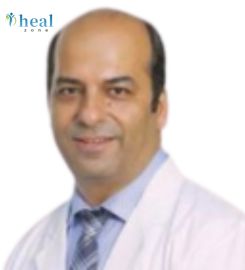
Contact Us for Best Multiple Endocrine Neoplasia (MEN) Syndromes Treatment Doctors in India


Dr. Kushal Bairoliya

MBBS, MS, MCh, MRCS
13 Years Years of Experience
GI Onco Surgeon, Surgical Oncologist

Contact Us for Best Multiple Endocrine Neoplasia (MEN) Syndromes Treatment Doctors in India
Who Are the Best Multiple Endocrine Neoplasia (MEN) Syndromes Doctors in India?
India’s top MEN doctors typically include endocrine surgeons, clinical endocrinologists, medical geneticists and nuclear medicine specialists who collaborate in multidisciplinary tumour boards. Their credentials often include MBBS followed by MS (Surgery) or MD (Medicine), super-speciality training (MCh in Endocrine Surgery, DM Endocrinology) and international fellowships in endocrine oncology or hereditary endocrine syndromes. They are experienced in:
- Managing MEN1 (parathyroid, pancreatic neuroendocrine tumours, pituitary) and MEN2 (medullary thyroid carcinoma, pheochromocytoma, parathyroid involvement).
- Performing high-precision parathyroidectomy, thyroidectomy, adrenalectomy and pancreatic neuroendocrine tumour resections using open, laparoscopic or robotic techniques.
- Interpreting complex genetic test results and counselling families about inheritance, prophylactic surgery and surveillance.
Patient outcomes improve at centres that perform higher caseloads and that follow international guidelines for diagnosis and family screening. Many Indian specialists contribute to international conferences and publications and participate in collaborative tumour boards with overseas experts.
What Is Multiple Endocrine Neoplasia (MEN) Syndrome?
Multiple Endocrine Neoplasia (MEN) syndromes are hereditary disorders in which affected individuals develop tumours—benign or malignant—in two or more endocrine glands. The two best known forms are:
- MEN1: Characterised primarily by tumours of the parathyroid glands (leading to hyperparathyroidism), pancreatic neuroendocrine tumours (insulinoma, gastrinoma, others) and pituitary adenomas.
- MEN2: Subtypes MEN2A and MEN2B. MEN2A involves medullary thyroid carcinoma (MTC), pheochromocytoma (adrenal tumour) and parathyroid disease; MEN2B features MTC, pheochromocytoma and mucosal neuromas with a distinct body habitus. MEN2 is associated with germline RET gene mutations.
These syndromes are inherited in an autosomal dominant pattern, meaning a 50% chance of transmission to each child if a parent carries the mutation. Early detection through genetic testing and structured surveillance is central to preventing advanced disease and improving survival.
How Do India’s Top Doctors Diagnose and Treat MEN Syndromes?
Diagnosis and management are protocol driven and multidisciplinary.
Initial assessment typically includes:
- Detailed family and medical history focused on endocrine symptoms and relatives with cancer.
- Baseline biochemical screening: serum calcium and parathyroid hormone (PTH) for MEN1; calcitonin and carcinoembryonic antigen (CEA) for medullary thyroid cancer in MEN2; plasma or urine metanephrines for pheochromocytoma; fasting insulin/glucose/gastrin levels for pancreatic NETs where indicated.
- High-resolution imaging: neck ultrasound, sestamibi scan or 4D CT for parathyroid disease; contrast CT/MRI for adrenal or pancreatic lesions; somatostatin receptor PET (68Ga-DOTATATE) for neuroendocrine tumour staging.
- Genetic testing to identify pathogenic RET mutations for MEN2 and MEN1 gene mutations for MEN1, alongside cascade testing of relatives.
Treatment planning:
- Multidisciplinary tumour board review including endocrinology, endocrine surgery, genetics, oncology, nuclear medicine, anaesthesia and critical care.
- For MEN2 patients with specific RET mutations, prophylactic total thyroidectomy is recommended at defined ages depending on mutation risk—an approach that has transformed outcomes for medullary thyroid carcinoma. This approach follows international guidance emphasizing early, risk-stratified intervention
- For MEN1, surgery for hyperparathyroidism (focused or subtotal parathyroidectomy) and resection of pancreatic NETs when indicated; pituitary tumours are managed medically or surgically depending on size and hormone activity.
- Management of pheochromocytoma requires alpha blockade and careful preoperative preparation before adrenal surgery to avoid intraoperative hypertensive crises.
What Are the Available Treatment Options for MEN Syndromes in India?
India offers the full spectrum of treatments available internationally:
Surgical Options
- Prophylactic and therapeutic thyroidectomy (total thyroidectomy) for RET-positive MEN2 patients and for confirmed medullary thyroid carcinoma.
- Parathyroid surgery: Minimally invasive parathyroidectomy, focused excision guided by intraoperative PTH monitoring, or subtotal/total parathyroidectomy in multigland disease.
- Adrenalectomy for pheochromocytoma: laparoscopic, retroperitoneoscopic or open approaches depending on tumour size and invasiveness.
- Pancreatic neuroendocrine tumour surgeries: enucleation, distal pancreatectomy, pancreatoduodenectomy (Whipple) or parenchyma-sparing resections based on tumour location and size.
- Pituitary surgery (transsphenoidal approach) for functioning or large adenomas when needed.
Minimally Invasive and Advanced Approaches
- Robotic and laparoscopic endocrine surgery for selected parathyroid, adrenal and thyroid procedures—these approaches aim to reduce blood loss, pain and recovery time while maintaining oncologic safety.
- Image-guided localisation (4D CT, sestamibi, ultrasound, PET) to enable focused minimally invasive parathyroid or adrenal procedures.
Medical and Systemic Therapies
- Targeted therapies: Vandetanib and cabozantinib for advanced or metastatic medullary thyroid carcinoma in patients unsuitable for curative surgery.
- Somatostatin analogues (octreotide, lanreotide) and peptide receptor radionuclide therapy (PRRT) for metastatic or progressive pancreatic neuroendocrine tumours when somatostatin receptor positive.
- Hormonal therapies for functioning pituitary tumours (dopamine agonists for prolactinomas, somatostatin analogues for some GH tumours).
Perioperative and Supportive Care
- Careful perioperative endocrine management including alpha adrenergic blockade for pheochromocytoma, calcium management after parathyroid surgery, and lifelong thyroid hormone replacement after total thyroidectomy.
What Are the Types of Devices and Technologies Used?
High-quality MEN care in India uses:
- High-resolution ultrasound and 4D CT scanners for neck and parathyroid localisation.
- Nuclear medicine systems for sestamibi, I-123/I-131 imaging and PET-CT (including 68Ga-DOTATATE).
- Intraoperative PTH assay systems for parathyroid surgery.
- Robotic surgical platforms and advanced laparoscopic towers for minimally invasive endocrine procedures.
- Molecular genetic testing platforms for germline RET and MEN1 analysis and next-generation sequencing (NGS) panels for broader hereditary cancer screening.
What Is MEN1? What Is MEN2?
Briefly:
- MEN1: Caused by MEN1 gene mutations. Primary manifestations are parathyroid hyperplasia (hypercalcaemia), pancreatic NETs and pituitary adenomas. Surveillance is lifelong and family screening is recommended.
- MEN2: Caused by germline RET mutations. MEN2A and MEN2B have distinct clinical patterns but both carry high risk of medullary thyroid carcinoma and pheochromocytoma. Prophylactic thyroidectomy timing is guided by genotype-based risk categories.
What Are the Causes of MEN Syndromes?
MEN syndromes are inherited genetic disorders caused by germline mutations:
- MEN1 results from inactivating mutations in the MEN1 tumour suppressor gene.
- MEN2 is caused by activating germline mutations in the RET proto-oncogene.
Both are autosomal dominant with variable penetrance; new (de novo) mutations can occur.
What Are the Symptoms of MEN Syndromes?
Symptoms vary by the gland involved:
- Hyperparathyroidism: fatigue, bone pain, kidney stones, polyuria, constipation.
- Pancreatic NETs: hypoglycaemic episodes (insulinoma), peptic ulcer disease and diarrhoea (gastrinoma), or nonspecific pain.
- Pituitary adenomas: headaches, visual disturbance, hormonal imbalances (acromegaly, Cushing’s, prolactin excess).
- Medullary thyroid carcinoma (MEN2): neck nodule, rarely early symptoms—screening with calcitonin is crucial.
- Pheochromocytoma: episodic hypertension, headaches, palpitations, sweating.
What Are the Complications of MEN Syndromes?
Complications arise from hormone excess or tumour growth:
- Chronic hypercalcaemia leading to bone loss and renal impairment.
- Local invasion or metastasis from pancreatic NETs or medullary thyroid carcinoma.
- Cardiovascular risks related to uncontrolled catecholamine release from pheochromocytoma.
- Long-term endocrine deficiency after prophylactic or therapeutic gland removal (necessitating lifelong hormone replacement and surveillance).
How Is MEN Diagnosed?
Diagnosis integrates clinical, biochemical, imaging and genetic components:
- Biochemical screening for hormone excess (PTH, calcium, calcitonin, catecholamines, gastrin, insulin/glucose as indicated).
- Localisation imaging (ultrasound, CT/MRI, nuclear medicine, PET).
- Genetic testing for pathogenic MEN1 or RET mutations is decisive: a positive germline result confirms hereditary MEN and triggers cascade testing for relatives. Genetic counselling before and after testing is mandatory.
- International guidelines emphasise genotype-guided management—especially for RET mutations in MEN2 where timing of prophylactic thyroidectomy can be life-saving.
What Is the Treatment for MEN Syndromes?
Treatment is personalised:
- Prophylactic surgery (e.g., early thyroidectomy in high-risk RET carriers).
- Curative or cytoreductive surgery for functioning tumours (parathyroidectomy, adrenalectomy, pancreatic resections).
- Systemic therapies for metastatic disease (kinase inhibitors, somatostatin analogues, PRRT).
- Lifelong biochemical surveillance and management of endocrine deficits after gland removal.
Why Choose India for MEN Treatment?
India offers a combination of clinical expertise, cost efficiency and international standard care. Key advantages include:
- Highly trained endocrine surgeons and multidisciplinary teams experienced in complex hereditary endocrine disorders.
- Access to advanced imaging, molecular genetics and nuclear medicine in major centres.
- JCI/NABH-accredited hospitals catering to international patients with established medical visa support, multilingual coordinators and telemedicine follow-up options.
- Transparent, competitive pricing for comprehensive care packages, often at a fraction of Western costs while maintaining comparable technical standards.
How HealZone Helps Patients with MEN Syndromes?
HealZone supports international patients through:
- Specialist selection and second-opinion coordination with India’s leading endocrinologists and endocrine surgeons.
- Assistance with genetic testing logistics, cost estimates and interpretation.
- Arranging hospital appointments, visa paperwork, airport pickup, interpreter services and comfortable local accommodation.
- Pre-travel teleconsultations, surgery scheduling, and structured postoperative tele-follow-up and rehabilitation plans tailored to endocrine recovery.
- Transparent cost breakdowns and coordination of local laboratory follow-up or telemedicine visits for long-term endocrine surveillance.
What Are the Success Rates of MEN Treatments in India?
Success rates depend on disease type, stage and timing of intervention. For prophylactic thyroidectomy in RET-positive individuals and early surgical management of localized endocrine tumours, outcomes are excellent and comparable to international standards—early surgery may deliver near-complete prevention of medullary thyroid carcinoma progression. For complex pancreatic NETs and advanced metastatic disease, multidisciplinary management is associated with improved symptom control and longer progression-free intervals when modern systemic therapies and PRRT are available. (Outcome metrics are centre and disease specific; ask your specialist for centre-specific results.)
What Is the Cost of MEN Treatment in India?
Below is a representative cost range for common procedures (USD). Exact price depends on hospital, city, complexity and whether genetic testing or adjuvant therapies are required.
|
Type of Procedure |
Estimated Cost (USD) |
|
Genetic testing (single gene RET or MEN1) |
$200 – $900 |
|
Total thyroidectomy (for prophylactic or therapeutic MTC) |
$2,000 – $6,000 |
|
Focused parathyroidectomy (with intraop PTH) |
$1,500 – $4,000 |
|
Adrenalectomy (laparoscopic) for pheochromocytoma |
$3,000 – $10,000 |
|
Pancreatic NET resection (distal pancreatectomy / Whipple) |
$6,000 – $18,000 |
|
Systemic targeted therapy (per month, drug dependent) |
$2,000 – $8,000 |
|
PRRT (per cycle, when available) |
$6,000 – $15,000 |
These ranges emphasise value for money when compared with Western prices and include multidisciplinary care, hospital stay and basic investigations. HealZone can provide tailored, itemised estimates for your clinical scenario.
How Long Is the Recovery Process?
Recovery varies by procedure and patient factors:
- Thyroidectomy: hospital stay 1–3 days; return to normal activities in 1–2 weeks; thyroid hormone replacement is lifelong.
- Parathyroidectomy: often day-care or 1–2 days hospital stay; biochemical monitoring of calcium postoperatively and temporary calcium supplementation may be required.
- Laparoscopic adrenalectomy: hospital stay 2–5 days; return to routine activities in 2–4 weeks.
- Pancreatic surgery: may require longer hospitalisation (5–12 days) and staged recovery with diet advancement and physiotherapy; full recovery may take 6–12 weeks.
Follow-up includes serial biochemical tests and imaging; fertility, bone health and long-term endocrine replacement are addressed in scheduled visits.
What Post-Treatment and Follow-Up Care Are Provided?
Comprehensive post-treatment care includes:
- Telemedicine follow-ups for international patients to review labs and imaging results.
- Long-term biochemical surveillance schedules tailored to MEN subtype, genotype and prior treatment.
- Family cascade testing coordination and genetic counselling for relatives.
- Rehabilitation, bone health management and nutritional support when needed.
Why Choose India and How HealZone Makes It Easier?
India provides internationally accredited hospitals, experienced multidisciplinary teams and cost-effective care. For international patients HealZone offers a single point of contact to coordinate pre-visit investigations, select specialists, plan travel, arrange admission, and manage postoperative telemedicine follow-ups—reducing complexity and ensuring continuity of care.
For patients with hereditary endocrine syndromes the benefits of early specialist referral, accurate genetic diagnosis and timely prophylactic or curative surgery cannot be overstated; India offers world-class expertise with compassionate patient support at competitive prices.
