

Deep Brain Stimulation (DBS) Cost in India
Contact us for Deep Brain Stimulation (DBS) Cost in India

$20000 - $30000
2-3 weeks
Deep Brain Stimulation (DBS) is affordable in India. The cost of Deep Brain Stimulation (DBS) in India lies between USD 12500-21000. The exact procedure price depends on multiple factors such as the surgeon's experience, type of hospital, severity of the condition, patient's general condition, etc.
Deep Brain Stimulation (DBS) in India typically costs between 10,50,000 to 17,50,000 (approx. $12,500 to $21,000), depending on the device used, hospital, and complexity of the condition. DBS offers advanced surgical management for patients with Parkinson’s disease, dystonia, essential tremor, and related neurological disorders when medications lose effectiveness. India provides high-quality DBS surgery using globally recognized systems like Medtronic and Boston Scientific at a fraction of Western prices. International patients choose India for its affordability, surgical precision, and reliable long-term outcomes.
What Is Deep Brain Stimulation?
Deep Brain Stimulation is a neurosurgical treatment that uses electrical impulses to regulate abnormal brain activity. Surgeons implant electrodes into specific areas of the brain, such as the subthalamic nucleus (STN) or globus pallidus internus (GPi), depending on the condition being treated. These electrodes connect to a pulse generator (similar to a pacemaker) placed under the skin in the chest or abdomen. The device sends continuous electrical signals to correct irregular nerve activity.
Doctors primarily recommend DBS for movement disorders that no longer respond to medications. These include Parkinson’s disease, essential tremor, dystonia, and select cases of epilepsy or obsessive-compulsive disorder (OCD). DBS does not cure these conditions but significantly reduces disabling symptoms and improves motor function. The therapy is adjustable and reversible, allowing personalized settings for each patient.
Top Doctors for Deep Brain Stimulation (DBS) in India



Who Needs Deep Brain Stimulation?
Doctors recommend Deep Brain Stimulation for patients whose symptoms remain uncontrolled despite optimal medication. Candidates often include individuals with Parkinson’s disease who experience motor fluctuations, severe tremors, or dyskinesia. Patients with essential tremor who cannot manage daily tasks due to hand or head tremors also benefit from DBS.
The procedure suits those with dystonia unresponsive to drug therapy or those experiencing disabling involuntary movements. In select cases, neurologists consider DBS for treatment-resistant epilepsy or obsessive-compulsive disorder after extensive evaluation. Ideal candidates must be physically fit for surgery, show symptom improvement with medication, and have realistic expectations regarding outcomes.
What are the Different Types of Deep Brain Stimulation Systems?
Deep Brain Stimulation systems vary in design, battery type, and functional features. The choice of system depends on the patient’s diagnosis, symptom severity, lifestyle needs, and long-term treatment plan. Indian hospitals offer a wide range of internationally approved DBS devices, providing flexibility and precision for personalized care.
Rechargeable vs. Non-Rechargeable Systems
Doctors typically offer two types of implantable pulse generators (IPGs):
- Rechargeable Systems: These devices last 10 to 15 years and require external charging using a dedicated kit. Patients must recharge the battery every few days or weekly, depending on usage. Rechargeable IPGs reduce the need for repeat surgeries and are ideal for younger patients or those requiring high stimulation levels.
- Non-Rechargeable Systems: These devices last 3 to 5 years and require replacement through minor surgery after the battery depletes. They suit older patients or individuals unable to manage regular recharging. Non-rechargeable systems offer convenience at the cost of more frequent procedures.
Single-Channel vs. Dual-Channel Devices
- Single-Channel DBS Systems: These stimulate one side of the brain and are typically used for patients with unilateral symptoms or localized tremors. They offer a simpler setup and are often recommended for milder cases.
- Dual-Channel DBS Systems: These deliver stimulation to both brain hemispheres through two independent channels. Doctors use these for bilateral symptoms, such as in advanced Parkinson’s disease or dystonia. They provide more extensive symptom control.
Device Brands Available in India
India offers high-end DBS systems from globally recognized manufacturers:
- Medtronic (USA): Pioneer in DBS technology, known for its Activa and Percept systems with BrainSense technology.
- Boston Scientific (USA): Offers Vercise Genus and Cartesia directional leads for enhanced precision.
- Abbott (USA): Provides Infinity DBS with Bluetooth-enabled remote programming and constant current stimulation.
These systems support directional stimulation, allowing neurologists to steer current precisely within the brain. This reduces side effects and maximizes symptom relief. Most models are also MRI-compatible, allowing patients to undergo imaging safely when needed.
Top Hospitals for Deep Brain Stimulation In India
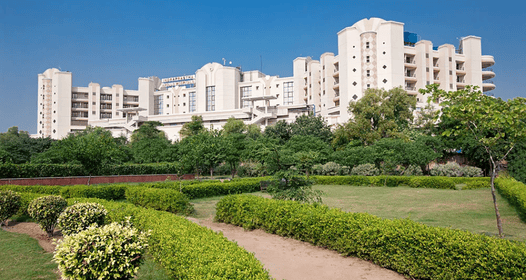
Medanta-The Medicity
CH Baktawar Singh Rd, Medicity, Islampur Colony, Sector 38, Gurugram, Haryana 122001
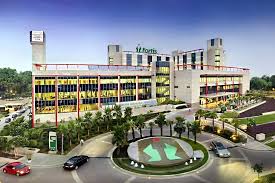
Fortis Memorial Research Institute
Sector - 44, Opposite HUDA City Centre, Gurugram, Haryana 122002
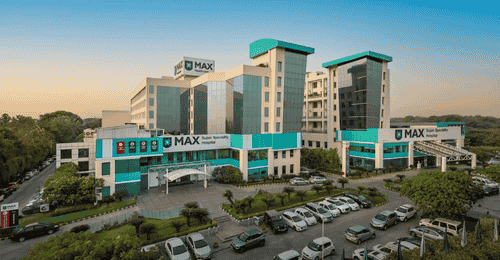
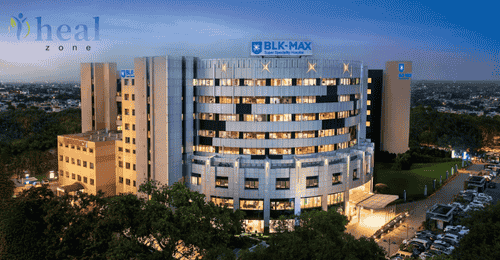
BLK-Max Super Speciality Hospital
Pusa Rd, Radha Soami Satsang, Rajinder Nagar, New Delhi, Delhi – 110005
What Happens During the DBS Procedure?
Deep Brain Stimulation involves a multi-stage neurosurgical process that requires precision targeting and careful coordination between the surgical and neurology teams. The goal is to implant electrodes in specific brain regions that control movement and symptoms, then connect them to a pulse generator that modulates brain activity.
-
Step 1: Pre-Surgical Mapping and Target Planning
Before surgery, the medical team performs brain imaging using MRI or CT scans to locate the exact coordinates of the brain structures responsible for the patient's symptoms. The surgeon defines the ideal trajectory to access deep brain targets such as the subthalamic nucleus (STN), globus pallidus internus (GPi), or ventral intermediate nucleus (VIM).
In most cases, patients stay awake during surgery to provide real-time feedback, allowing the team to confirm accuracy and avoid unwanted effects.
-
Step 2: Electrode Implantation in the Brain
Using a stereotactic frame or robotic navigation system, the surgeon inserts thin electrodes into the predetermined target area of the brain. These electrodes carry multiple contact points, which can later be programmed externally to adjust stimulation zones.
Neurophysiologists may perform microelectrode recordings to monitor brain activity and ensure the leads are correctly positioned. Once the response is confirmed, the surgeon anchors the leads in place.
-
Step 3: Implantation of the Pulse Generator
After electrode placement, the patient undergoes general anesthesia for the second stage. The surgeon creates a small pocket under the skin of the chest or abdomen to implant the implantable pulse generator (IPG). This battery-powered device sends electrical pulses through the brain electrodes.
A thin extension wire tunnels under the skin from the scalp to the chest, linking the brain leads to the pulse generator.
-
Step 4: System Testing and Closure
Once connected, the surgeon checks the continuity and impedance of the system to verify that all components work correctly. After confirming functionality, the incisions are closed using sutures or staples, and sterile dressings are applied.
-
Step 5: Hospital Stay and Monitoring
Patients usually stay in the hospital for 5 to 7 days. During this period, doctors monitor neurological status, manage any pain or swelling, and ensure proper healing of the surgical sites. The system remains turned off until the healing phase completes.
What Is the Cost of Deep Brain Stimulation in India?
The cost of Deep Brain Stimulation surgery in India ranges from ?10,50,000 to ?17,50,000, which is approximately $12,500 to $21,000. The price includes the DBS device, hospital charges, neurosurgery, and follow-up programming. The final cost depends on the type of system used (rechargeable vs. non-rechargeable), the hospital's infrastructure, the surgeon’s expertise, and the specific neurological condition being treated.
Major hospitals in Delhi, Mumbai, Bangalore, and Chennai offer DBS at internationally competitive prices using advanced systems from Medtronic, Boston Scientific, and Abbott. These centers follow global protocols and provide personalized care with experienced neurosurgeons and neurologists.
International patients often choose India for DBS surgery due to its lower costs, quick scheduling, and comprehensive rehabilitation support. Compared to Western countries, India offers the same FDA-approved systems at nearly 70% lower cost without compromising quality.
Inclusions in the Treatment Package
Hospitals generally include the following in the total DBS surgery cost:
- Surgeon’s and neurologist’s consultation fees
- Pre-surgical tests (MRI, blood tests, ECG, etc.)
- Hospital admission charges
- Electrode and implantable pulse generator (IPG)
- Operating room, anesthesia, and surgical team fees
- ICU and ward stay (usually 5-7 days)
- Post-operative medications during hospitalization
- Initial device programming and follow-up sessions (limited)
- Nursing care and physiotherapy (if advised)
Exclusions from the Package
The following items are usually billed separately:
- Travel and visa arrangements
- Airport transfers and hotel stays for attendants
- Extended hospital stay due to complications or comorbidities
- Rehabilitation beyond initial programming
- Follow-up consultations beyond the included sessions
- Replacement of batteries in the future (if a non-rechargeable system is used)
- Personal expenses (food for attendants, mobile SIM, etc.)
Deep Brain Stimulation Cost Breakdown in India
The cost of Deep Brain Stimulation in India depends on several components, including the type of implantable pulse generator, the complexity of the neurological condition, and the hospital’s clinical infrastructure. Typically, the DBS device itself contributes the largest portion of the overall cost, especially if you choose an FDA-approved rechargeable system. The surgical fees vary based on the surgeon’s experience and the technology used during the procedure, such as frame-based or robotic navigation.
Pre-surgical diagnostics like brain MRI, CT scans, and neurological assessments also add to the cost, especially for international patients who undergo detailed evaluation. Most Indian hospitals include ICU charges, anesthesia, hospital stay, and initial programming sessions within the package. Post-operative care and additional programming visits after discharge may incur separate charges.
| Component | Estimated Cost (INR) | Estimated Cost (USD) |
|---|---|---|
| Pre-surgical Tests & Imaging | $40,000 – $70,000 | $475 – $830 |
| DBS Device (IPG + Electrodes) | $200,000 – $400,000+ | $2,400 – $4,800+ |
| Neurosurgery & Operating Room | $350,000 – $650,000 | $4,200 – $7,800 |
| Anesthesia & ICU Charges | $75,000 – $120,000 | $900 – $1,440 |
| Hospital Stay (5–7 Days) | $80,000 – $120,000 | $960 – $1,440 |
| Post-Surgery Programming (Initial) | $20,000 – $50,000 | $240 – $600 |
What are the Factors Affecting Deep Brain Stimulation Cost in India?
The cost of Deep Brain Stimulation in India varies widely due to multiple medical, technical, and logistical factors. Each patient’s treatment plan is individualized, and several variables influence the total expense of the procedure.
- The type of DBS system plays a significant role. Rechargeable devices cost more initially but reduce the need for future replacement surgeries, making them more cost-effective over time. In contrast, non-rechargeable systems have a lower upfront price but require replacement every 3–5 years.
- The choice of hospital and city also impacts pricing. JCI or NABH-accredited hospitals in metro cities like Delhi, Mumbai, or Bangalore typically charge more than smaller regional centers, owing to higher operational costs and access to advanced technologies.
- Surgeon experience and hospital reputation directly influence pricing. Highly specialized neurosurgeons with DBS expertise charge a premium for their skill, which often results in better surgical outcomes.
- Pre-surgical investigations, such as MRI brain scans, blood tests, and neuro-evaluations, contribute to the cost, especially for patients undergoing comprehensive diagnostics.
- Similarly, the duration of hospital stay increases costs if complications arise or additional monitoring becomes necessary.
- Post-operative care, including device programming sessions, physiotherapy, and long-term neurologist follow-ups, may or may not be included in the initial package.
- Patients should also consider costs related to follow-up visits, battery replacements, or complications that require revision surgeries.
Cost Comparison of Deep Brain Stimulation: India vs Other Countries
India offers Deep Brain Stimulation (DBS) at a fraction of the cost charged in countries like the United States, the UK, or Singapore, while maintaining global standards in surgical care. International patients often choose India because leading hospitals use the same FDA-approved DBS systems and provide access to experienced neurosurgeons and neurologists at much lower prices.
In the US or UK, DBS surgery typically costs between $50,000 - $100,000, which includes the device, surgery, hospital stay, and post-op care. In comparison, the same treatment in India ranges from $12,500 to $21,000, depending on the complexity of the case and type of IPG used.
| Country | DBS Surgery Cost (USD) | Remarks |
|---|---|---|
| India | $12,500 – $21,000 | Advanced care, FDA-approved systems, low waiting time |
| USA | $50,000 – $100,000 | High cost of device, surgery, and hospitalization |
| UK | $45,000 – $90,000 | Limited access through the public system, private is costly |
| Singapore | $40,000 – $75,000 | Excellent care, but high overall healthcare cost |
| UAE | $45,000 – $80,000 | Specialized centers are only in select hospitals |
Why Choose India for Deep Brain Stimulation?
India has become a preferred destination for Deep Brain Stimulation due to its combination of clinical excellence, cost-effectiveness, and patient-centered care. Patients from over 100 countries choose India for DBS surgery because they receive advanced treatment using the latest technology at significantly lower prices than in the West.
- Hospitals in India use globally recognized DBS systems from manufacturers like Medtronic, Boston Scientific, and Abbott, all approved by regulatory agencies such as the FDA and CE. These devices are identical to those used in the US or Europe, ensuring no compromise in quality or safety.
- India’s top hospitals are JCI- and NABH-accredited, offering state-of-the-art neurosurgical infrastructure, modular operating rooms, and dedicated neurology units.
- These institutions follow international clinical protocols and offer services like intraoperative neuro-monitoring, MRI-guided navigation, and directional stimulation programming, enhancing the precision of electrode placement and therapy adjustment.
- Indian neurosurgeons bring decades of experience in treating complex movement disorders. Many have trained or practiced in the US, UK, or Singapore, and lead specialized DBS programs backed by multidisciplinary teams of neurologists, rehabilitation experts, and clinical psychologists.
- Beyond medical excellence, India provides a seamless experience for international patients. Hospitals offer fast-track treatment scheduling, language interpreter support, airport pickup, and dedicated international coordinators. Compared to long waitlists in other countries, India ensures faster access to life-improving procedures.
What Services are Available for International Patients Seeking DBS Surgery in India?
Hospitals across India provide comprehensive support services to ensure a smooth and stress-free medical journey for international patients seeking Deep Brain Stimulation (DBS). From initial consultation to post-operative care, dedicated international teams coordinate every detail.
- Visa Assistance and Invitation Letters: Hospitals issue medical visa invitation letters upon request and assist with documentation. They coordinate with Indian embassies to expedite visa approval for patients and attendants.
- Airport Pickup and Local Transfers: On arrival, patients receive complimentary airport pickup and local transport services. Dedicated coordinators ensure safe transfers between the airport, hospital, and hotel.
- Language Interpreter Support: Hospitals provide interpreters for Arabic, French, Russian, Spanish, and other languages. This ensures patients understand each step of the procedure and can communicate freely with doctors.
- Assistance With Accommodation: The international desk helps book affordable hotels or serviced apartments close to the hospital. Packages may include options for dietary needs and long-stay discounts for family members.
- Free Online Consultation and Second Opinion: Before traveling, patients can share reports and imaging for a free video consultation or second opinion with a DBS specialist. This helps confirm eligibility and finalize the treatment plan in advance.
- Dedicated International Care Coordinator: Each patient is assigned a personal coordinator to guide them through admissions, billing, documentation, follow-ups, and discharge. The coordinator remains available throughout the stay to address any non-medical concerns.
Post-Surgery Care and Device Programming
After Deep Brain Stimulation surgery, patients undergo a structured recovery and device activation process. The care team monitors wound healing, programs the device, and fine-tunes the stimulation to achieve optimal results. This phase is critical for long-term symptom control and quality of life.
- Healing and Initial Recovery: The surgical sites on the head and chest require around 10 to 14 days to heal. Doctors prescribe antibiotics and pain relievers to prevent infection and reduce discomfort. Patients are advised to avoid heavy physical activity during this period. Regular follow-ups help track progress and detect any early complications such as swelling or skin irritation.
- First Device Activation: Doctors activate the DBS device approximately 2 to 4 weeks after surgery, once the tissues around the electrodes and generator have settled. The patient visits the neurologist or programming specialist, who uses a handheld controller to turn on the system and begin stimulation.
- Custom Programming Sessions: Each patient responds differently to electrical stimulation, so the team adjusts the settings over multiple sessions. Using an external programmer, the neurologist fine-tunes parameters such as voltage, pulse width, and frequency. These adjustments are based on the patient’s symptom response, side effects, and overall functionality. This process may take several weeks to months to reach the ideal configuration.
- Medication Adjustments: As the stimulation starts taking effect, doctors gradually reduce anti-Parkinsonian or anti-tremor medications to avoid side effects like dyskinesia or drowsiness. The team monitors cognitive and motor performance to balance therapy outcomes and drug levels.
- Maintenance and Long-Term Follow-Up: Patients with rechargeable devices receive training on how to use the charger and manage their power schedule. Those with non-rechargeable systems are monitored for battery depletion, which usually requires replacement every 3 to 5 years. Doctors recommend follow-up visits every 3 to 6 months to check device function, assess symptom control, and reprogram settings if needed.
What are the Benefits and Improvements After DBS?
- Improved Motor Function: Patients with Parkinson’s disease and dystonia experience smoother movement, reduced stiffness, and fewer tremors after DBS activation. Tasks like walking, dressing, eating, and writing become easier, especially for those previously dependent on caregivers or assistive devices.
- Reduced Medication Dependency: Deep Brain Stimulation lowers the need for high-dose medications, especially levodopa and similar drugs. This reduction decreases the risk of side effects such as involuntary movements (dyskinesia), nausea, hallucinations, and sudden drops in blood pressure.
- More Consistent Symptom Control: Unlike oral medications that wear off between doses, DBS provides continuous stimulation. This stability minimizes motor fluctuations such as “on-off” episodes, freezing, or unpredictable tremors throughout the day and night.
- Reversible and Adjustable Treatment: Neurologists can modify DBS settings externally based on changing symptoms, lifestyle, or disease progression. If necessary, they can also turn the system off or remove it entirely, making it a reversible option, unlike ablative brain surgeries.
- Better Quality of Life: With better control over symptoms, patients regain confidence in social, professional, and personal environments. Many report improved sleep, speech, emotional stability, and participation in everyday life activities without relying solely on medication.
What is the Success Rate and Long-Term Outcome of DBS in India?
Deep Brain Stimulation (DBS) surgery in India delivers high success rates when performed at accredited hospitals by experienced neurosurgical teams. Clinical studies and real-world outcomes consistently show symptom improvement in 85% to 95% of patients undergoing DBS for conditions like Parkinson’s disease, essential tremor, and dystonia.
In patients with Parkinson’s disease, DBS reduces motor complications, improves movement control, and decreases reliance on medication. Those with essential tremor often experience a dramatic reduction in tremors, allowing them to regain the ability to write, eat, or dress independently. For dystonia, patients typically notice gradual but lasting improvements in muscle tone and posture.
The implanted pulse generator continues to function effectively for years. Rechargeable devices last up to 15 years, while non-rechargeable systems require replacement every 3 to 5 years. Regular follow-ups and reprogramming ensure sustained symptom control as the disease evolves.
Long-term studies show that many patients maintain their functional gains for a decade or more, especially when they follow a consistent follow-up schedule and receive timely device adjustments.
Recovery Timeline After DBS Surgery
- Hospital Stay: 5 to 7 Days: Patients typically remain hospitalized for 5 to 7 days following DBS surgery. During this period, doctors monitor brain function, manage any surgical swelling or discomfort, and ensure there are no complications such as infection or lead displacement. Patients are discharged once they are stable and their wounds have healed sufficiently.
- Device Activation: 2 to 4 Weeks Post-Surgery: The implanted DBS system remains turned off immediately after surgery. Neurologists activate the device approximately 2 to 4 weeks later, once the incisions have healed and swelling has subsided. This delay ensures accurate programming and reduces the risk of interference from post-surgical inflammation.
- Adjustment and Programming: 1 to 3 Months: Following activation, patients attend multiple follow-up sessions for stimulation programming. Neurologists adjust settings based on symptom response, side effects, and daily functioning. Most patients require several visits over 1 to 3 months to reach optimal stimulation levels.
- Functional Improvements: 4 to 6 Weeks Onward: Patients begin to experience symptom relief within a few weeks after the system is activated. Improvements in tremors, rigidity, and movement control become more noticeable over time, especially as medications are adjusted and stimulation settings are optimized.
- Return to Normal Activities: 4 to 8 Weeks: Most patients resume light daily activities within 4 weeks, and gradually return to work or social functions by 6 to 8 weeks, depending on the nature of their job and medical progress. Doctors advise avoiding contact sports or heavy lifting during the first two months.
