

Contact us for Cost of TACE Treatment in India
Cost of TACE Treatment in India
$3,500 – $6,000
90 %
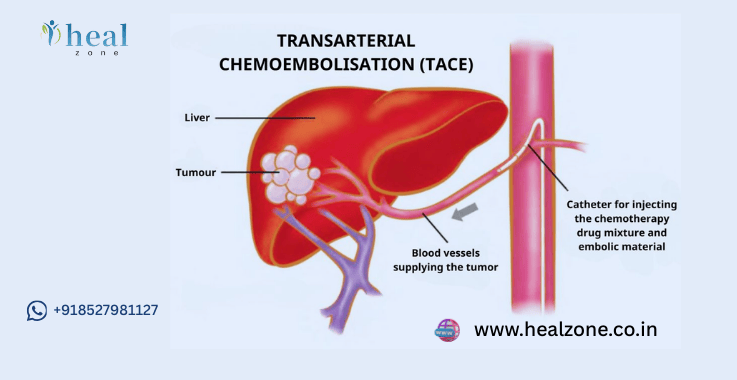
Transarterial Chemoembolization (TACE) is a minimally invasive, targeted treatment primarily for liver cancers. It delivers concentrated chemotherapy directly into the arteries supplying the tumor and blocks these vessels to restrict the tumor’s oxygen supply. This approach helps shrink or control tumors while minimizing side effects compared to systemic chemotherapy. TACE is recommended when surgery or transplantation is not an option, making it a common treatment for intermediate-stage liver cancer. India is preferred for TACE due to its affordability, advanced facilities, and skilled interventional radiologists. TACE is significantly more affordable in India than in Western and Middle Eastern countries.
Most patients require:
- 1 session for early or limited disease
- 2–3 sessions for intermediate-stage or multifocal tumors
India offers clinical quality comparable to global centers at a lower cost, supported by reduced operating expenses, efficient systems, and high patient volume.
Top Doctors for TACE Treatment in India




Detailed Cost Breakdown for Transarterial Chemoembolization (TACE)
The overall cost of a Transarterial Chemoembolization (TACE) procedure typically ranges from USD 3,500 to 6,000 per session. This amount includes all major components of the treatment:
- Procedure Charges (USD 2,000 – 4,000): Covers the specialist’s fee, angiography suite use, catheters, embolic materials, and chemotherapy drugs used during the procedure.
- Medications & Consumables (USD 200 – 450): Includes antibiotics, pain-relief medicines, anti-nausea drugs, saline, syringes, and other medical supplies.
- Imaging (USD 300 – 700): CT/MRI scans, ultrasound, and angiographic mapping performed before and after the procedure.
- Hospital Stay (USD 200 – 350 per day): Depending on the case, patients may require a short ICU stay or one to two days in a private room.
- Follow-Up Evaluations (USD 100 – 200): Includes consultations, blood tests, and follow-up imaging to assess the response to treatment.
Overall, Transarterial Chemoembolization (TACE) remains a cost-effective and targeted treatment option, especially compared to more extensive liver cancer therapies.
Worldwide Transarterial Chemoembolization (TACE) Price Comparison
|
India |
$3,500 – $6,000 |
|
USA |
$25,000 – $40,000 |
|
UK |
$20,000 – $28,000 |
|
UAE |
$18,000 – $26,000 |
|
Singapore |
$15,000 – $20,000 |
|
Thailand |
$10,000 – $14,000 |
|
Turkey |
$9,000 – $13,000 |
|
Germany |
$22,000 – $30,000 |
India offers 70–80% cost savings while maintaining international standards of care.
Top Hospitals for TACE Treatment in India

Indraprastha Apollo Hospital, New Delhi
Indraprastha Apollo Hospital, NH-19, New Delhi

Medanta-The Medicity Gurgaon
CH Baktawar Singh Rd, Medicity, Islampur Colony, Sector 38, Gurugram, Haryana 122001
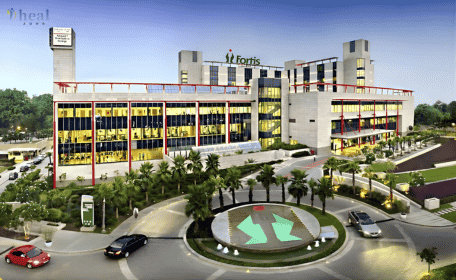
Fortis Memorial Research Institute (FMRI) Gurugram
Sector - 44, Opposite HUDA City Centre, Gurugram, Haryana 122002
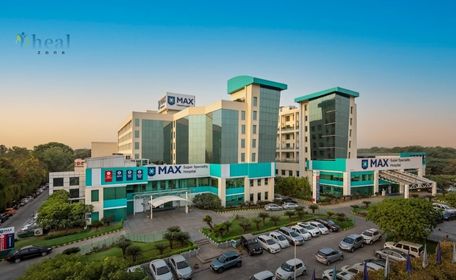
Max Super Speciality Hospital, Saket
Press Enclave Marg, Saket, New Delhi, Delhi 110017
Factors That Influence Transarterial Chemoembolization (TACE) Cost in India
The exact cost depends on several factors:
Type of Hospital
- Tier-1 hospitals have higher costs.
- Tier-2 hospitals offer more budget-friendly packages.
Type of TACE
- Conventional TACE (cTACE) is less expensive.
- Drug-eluting bead Transarterial Chemoembolization (TACE) (DEB-TACE) is more expensive.
Tumor Size & Number
Larger or multiple tumors require:
- Longer procedure time
- More beads
- Higher chemo dose
Patient’s Liver Function: Patients with cirrhosis or reduced liver function may require additional monitoring or ICU care.
Number of TACE Sessions Needed: More sessions increase the total cost.
Special Embolic Materials: Using newer beads or radiopaque particles increases the cost.
Combined Therapies: Combining TACE with RFA, TARE, or targeted therapy increases overall cost.
What Is Transarterial Chemoembolization (TACE)?
TACE is an image-guided, minimally invasive cancer therapy that starves the tumor of its blood supply while exposing it to high concentrations of chemotherapy. The interventional radiologist injects chemotherapy directly into the tumor’s feeding arteries and then blocks these arteries using embolic particles.
How the Procedure Works?
Liver tumors receive most of their blood supply through the hepatic artery. By blocking this artery during TACE:
- The tumor loses oxygen and nutrients
- Chemotherapy stays trapped inside the tumor
- Healthy liver tissue remains protected (mainly supplied by the portal vein)
TACE is used for:
- Unresectable liver cancer
- Intermediate-stage HCC
- Liver metastases from colon, breast, neuroendocrine cancers
- Bridging or downstaging to liver transplantation
Who Needs Transarterial Chemoembolization (TACE)?
TACE is not suitable for all liver cancer patients. It is specifically recommended for certain stages and clinical scenarios, as detailed below:
- Primary Liver Cancer (Hepatocellular Carcinoma – HCC)
TACE is the standard-of-care for intermediate-stage HCC based on the Barcelona Clinic Liver Cancer (BCLC) guidelines. It is indicated when:
- The tumor is not suitable for surgical removal
- The cancer is confined to the liver
- There is no vascular invasion or distant spread
- The patient has preserved liver function (Child-Pugh A or B)
TACE can:
- Reduce tumor burden
- Control progression
- Improve overall survival
- Liver Metastases
TACE is very effective for liver metastases from:
- Colorectal cancer
- Neuroendocrine tumors (NET-induced hormonal symptoms often improve)
- Breast cancer
- Pancreatic tumors
- Cholangiocarcinoma
These cancers may not respond well to systemic chemotherapy. TACE offers localized tumor control.
-
- TACE as Bridge to Transplantation
Some patients waiting for liver transplant need their tumor controlled to prevent progression. TACE:
- Prevents tumor growth
- Maintains eligibility under transplant criteria
- Reduces dropout rates from the transplant waiting list
- Downstaging Large Tumors
When tumors are too large for surgery:
- TACE is used to shrink them
- Some patients become operable after TACE
- Success is highest for tumors <7 start="5">
- Palliation for Advanced Disease
When cure is not possible, TACE helps:
- Reduce symptoms (pain, hormonal symptoms)
- Slow tumor growth
- Improve quality of life
- Patients Not Suitable for Systemic Chemotherapy
TACE is ideal for those who:
- Cannot tolerate systemic chemo
- Have significant comorbidities
- Are elderly but medically stable
In summary, TACE is recommended for a specific patient group, and proper selection improves treatment success.
Are Chemotherapy and TACE (Trans arterial Chemoembolization) same?
Chemotherapy and TACE are both cancer treatments, but they work in different ways.
Chemotherapy
Medicine is given through the bloodstream (IV or tablets).
- Travels all over the entire body.
- Affects cancer cells everywhere, but also affects some healthy cells.
- Side effects are more common—hair loss, weakness, nausea, low immunity.
- Used when cancer has spread beyond the liver.
TACE (Transarterial Chemoembolization)
Treatment is done only inside the liver.
- A small tube (catheter) is placed into the liver artery.
- Doctors put chemotherapy directly into the tumor and then block the blood supply.
- Because the drug stays mostly in the liver, side effects are fewer.
- Best for cancers limited to the liver or when surgery is not possible.
How TACE Works: Step-by-Step Overview?
A standard TACE procedure includes:
Step 1: Pre-procedure Assessment
- Blood tests
- Liver function evaluation
- CT/MRI imaging
- Anesthesia evaluation
Step 2: Catheter Insertion
A catheter is inserted through:
- The groin (femoral artery), or
- The wrist (radial artery)
Step 3: Tumor Mapping
The radiologist identifies:
- Tumor-feeding vessels
- Non-target arteries to avoid
Step 4: Chemo Delivery
Chemotherapy (doxorubicin, cisplatin, or others) is injected into the tumor’s blood supply.
Step 5: Embolization
Particles or beads are injected to block the tumor’s artery.
Step 6: Post-procedure Care
- Rest
- Monitoring
- Discharge in 1–2 days
Types of Transarterial Chemoembolization (cTACE, DEB-TACE)
There are two main types:
- Conventional TACE (cTACE)
Process:
- Chemotherapy mixed with an oily contrast (Lipiodol)
- Injection into tumor-feeding arteries
- Followed by embolic materials to block blood flow
Advantages
- Cost-effective
- Widely available
- Highly effective for intermediate HCC
Limitations
- Temporary drug exposure
- Slightly higher post-embolization symptoms
Cost: $3,500 – $4,500 per session
- Drug-Eluting Bead TACE (DEB-TACE)
Process:
- Uses special beads pre-loaded with chemotherapy
- Beads slowly release drug over days to weeks
- Provides sustained local chemotherapy exposure
Advantages
- More predictable drug delivery
- Lower systemic toxicity
- Better for large or aggressive tumors
- Higher safety in patients with comorbidities
Limitations
- More expensive
- Not available in all countries
Cost: $4,500 – $6,000 per session
- Other Evolving Forms
Some centers use:
- Radiopaque beads
- High-dose DEB systems
- Combination therapies (TACE + RFA / TACE + targeted therapy)
These options may increase costs but can improve outcomes for some patients.
Success Rate of TACE
TACE is considered one of the most effective and widely used treatments for intermediate-stage liver cancer, especially Hepatocellular Carcinoma (HCC). While it is not a cure, it offers high tumor-control rates, slows cancer progression, and significantly improves patient survival.
Overall Tumor Response Rate
Most global studies show that TACE achieves a 60–70% tumor control rate, meaning the tumor:
- Shrinks in size
- Stops growing
- Or becomes inactive (necrosis of cancer cells)
Complete tumor death may occur in smaller, well-defined tumors, while larger or multiple tumors usually show partial response.
Risks, Complications & Cost of Managing Them
TACE is generally safe, but some side effects may occur:
Common Mild Effects
- Fever
- Nausea
- Vomiting
- Abdominal pain
- Fatigue
Post-embolization Syndrome
This occurs in 20 to 40 percent of patients and is usually self-limiting.
Rare Complications
- Liver abscess
- Gallbladder inflammation
- Arterial injury
- Non-target embolization
- Liver failure (rare, in advanced cirrhosis)
Why India Is a Cost-Effective Destination for TACE?
- 70–80% Lower Prices: Compared to the USA, UK, UAE, and Europe.
- Highly Experienced Interventional Radiologists: Thousands of TACE procedures performed yearly.
- Advanced Technology: DSA labs, High-end CT/MRI, Hybrid operating rooms
- No Waiting Time: Immediate scheduling for international patients.
- Complete Medical Tourism Support: Patients receive seamless support from arrival to discharge.
How HealZone Helps Patients?
HealZone assists international patients by:
- Provides clear and transparent TACE cost estimates with no hidden charges.
- Matches patients with top interventional radiologists and advanced liver cancer centers.
- Offers fast report review & expert second opinions to confirm the best treatment plan.
- Helps international patients with medical visa assistance, travel planning, and airport pickup.
- Negotiates cost-effective treatment packages, reducing expenses by 20–40%.
- Assists during hospital admission, pre-procedure tests, and doctor consultations.
- Coordinates follow-up scans, lab tests, and repeat TACE sessions when needed.
- Arranges affordable accommodation near hospitals (hotels, guest houses, serviced apartments).
- Provides post-treatment support, including teleconsultations and scan reviews.
- Offers patient education and emotional guidance to prepare for and recover from TACE smoothly.
Transarterial Chemoembolization (TACE) vs Other Liver Cancer Treatments
International patients should understand how TACE compares with other liver cancer treatments in terms of cost and clinical benefit.
TACE vs Surgery
|
Invasiveness |
Minimally invasive |
Major operation |
|
Cost in India |
$3,500–6,000 |
$8,000–15,000 |
|
Best For |
Intermediate-stage HCC |
Early-stage HCC |
|
Recovery |
2–3 days |
Several weeks |
TACE vs TARE (Y-90)
|
Cost |
$3,500–6,000 |
$15,000–25,000 |
|
Best For |
Intermediate HCC |
Advanced HCC |
|
Radiation |
None |
Uses Y-90 microspheres |
|
Sessions |
1–3 |
Mostly 1 |
TARE is better for advanced or portal vein-invading tumors, but it is significantly more expensive.
TACE vs RFA (Radiofrequency Ablation)
|
Ideal Tumor Size |
Large or multiple |
Small (<3> |
|
Cost |
$3,500–6,000 |
$3,000–5,000 |
|
Suitable For |
Unresectable tumors |
Early focal tumors |
TACE vs Systemic Therapy
|
Cost |
Per session |
Monthly recurring |
|
Side Effects |
Localized |
Systemic |
|
Best Use |
Local disease |
Advanced, widespread disease |
For many patients, TACE offers a superior cost-benefit balance.
Life After TACE: Follow-Up Visits and Long-Term Cost Considerations
TACE requires ongoing long-term monitoring to ensure control of liver cancer.
Follow-Up Schedule
1 Month After TACE
- Liver function tests
- Basic blood tests
- Symptom review
6–8 Weeks After TACE
- CT or MRI to assess:
- Tumor shrinkage
- Necrosis
- Need for second session
Regular Follow-Up (Every 3 Months)
- Ultrasound
- AFP tumor marker
- Clinical examination
- Occasional CT/MRI
Quality of Life After TACE
Most patients:
- Resume daily activity within 1–2 weeks
- Experience reduced symptoms
- Maintain stability with proper follow-up
- Have improved survival if liver function is preserved
Lifestyle Recommendations
- Avoid alcohol
- Follow liver-friendly diet
- Treat underlying hepatitis
- Regular exercise
- Strict follow-up compliance
Frequently Asked Questions
TACE is mainly used to treat liver cancer, especially Hepatocellular Carcinoma (HCC), and sometimes liver metastases from other cancers.
No. TACE is a minimally invasive procedure, done through a tiny catheter inserted into an artery — no large incisions, no stitches.
Most TACE sessions take 1–2 hours, depending on the location and size of the tumor.
Patients generally stay 1–2 days for observation and recovery.
Most patients need 1–3 sessions, usually spaced 4–8 weeks apart, depending on tumor response.
Common side effects: Fever, Fatigue, Pain or cramps, Nausea
Rare complications include liver dysfunction or infection.
TACE is rarely used in children. It is mainly for adult liver cancers.
Tumor response is usually evaluated 4–6 weeks after the procedure using CT/MRI.
