

Contact us for Aortic Dissection Repair Surgery Cost in India
Aortic Dissection Repair Surgery Cost in India
$5,000–$15,000
10–21 days
Introduction
Aortic Dissection Repair Surgery is a critical life-saving procedure performed to correct a tear in the aorta—the body’s main artery. Depending on the severity and location of the dissection, treatment may involve open surgical repair or endovascular stent-graft repair (TEVAR).
HealZone works as a trusted medical-travel partner, connecting patients with high-quality, accredited Indian cardiac centres that specialize in complex aortic procedures. Through HealZone, patients gain access to experienced cardiovascular surgeons, advanced hybrid operating rooms, transparent package pricing, and end-to-end assistance, making India a reliable and cost-effective destination for this surgery.
Top Doctors for Aortic Dissection Repair Surgery in India

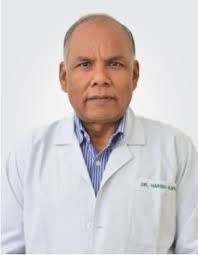
Dr. Harish Kapila
MBBS, MD, DM, FACC, FIC
Cardiologist
40 Years Years of Experience
Pushpawati Singhania Research Institute (PSRI), Hospital, New Delhi
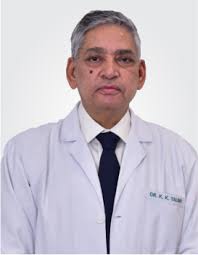
Dr. Kewal Kishan Talwar
MBBS, MD, DM, FAMS, FRCP
Cardiologist
45 Years of Experience
Pushpawati Singhania Research Institute (PSRI), Hospital, New Delhi
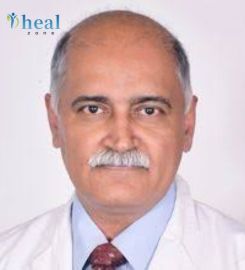
Dr. Kulbhushan Singh Dagar
MBBS, MS, MCh, Fellowship, Certificates/Trainings
Pediatric Cardiac Surgeon, Pediatric Cardiologist
35 Years of Experience
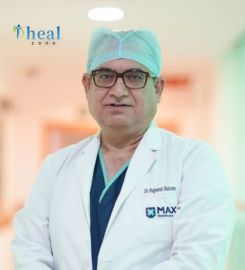
Dr. Rajneesh Malhotra
MBBS, MCh, Fellowship
Cardiothoracic and Vascular Surgeon
30 Years of Experience

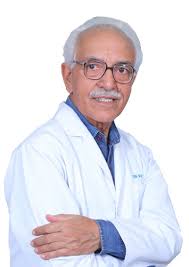
Dr. V.P. Choudhry
MBBS, MD, DM
Cardiologist
40 Years Years of Experience
Pushpawati Singhania Research Institute (PSRI), Hospital, New Delhi
Cost Overview
Different Indian sites and hospital packages report a wide but consistent range depending on type and complexity:
- Typical range (broad): USD $5,000 – $15,000 (most commonly seen packages cluster around $6,000–$12,000).
- Some providers list lower estimates for relatively straightforward procedures (~$4,800–$6,400) and higher estimates (up to ~$12k–15k) for complex repairs or when advanced stent grafts / ICU stays are needed.
- Note: those are package/pricing ranges commonly published for India (includes surgery, ICU stay, basic implants in many packages). Exact price for a given patient depends on case specifics (see factors below).
How Long to Stay in the Hospital and in India
Immediate hospital stay: ICU 1–5 days (for many TEVAR cases ICU 1–3 days; open repairs often need longer ICU care).
In-hospital stay: commonly 3–10 days depending on procedure and recovery.
Recommended total stay in India (medical tourism planning): many providers advise 10–21 days (initial hospitalization + early follow-ups) before returning home.
Factors that influence the cost
Procedure type: TEVAR (endovascular) vs open surgical repair — TEVAR often has higher device (stent-graft) cost but shorter ICU/hospital time; open surgery may have lower device cost but longer ICU/hospitalization and OR time. Device price can be a large single line item.
- Patient condition / urgency: Emergency Type A repairs (acute) often cost more because of ICU, blood products, longer OR time, organ support — and emergency cases may use more resources.
- Type and brand of stent-graft / implants: Commercial stent-grafts themselves commonly cost thousands to tens of thousands USD on the world market; that device price is reflected in the hospital bill (even if discounted in India). l
- Hospital tier and city: Top private multispecialty hospitals in Mumbai/Delhi/Chennai/Bangalore charge more than smaller centres; JCI/NABH accreditation and international patient services add to package pricing.
- Surgeon & team experience / centre volume: High-volume aortic centres usually have better outcomes but may charge premium fees.
- Diagnostics & pre-op planning (CT angiography, 3D planning, hybrid OR): Advanced imaging and hybrid OR time add cost.
- ICU days, complications, reinterventions: Post-op complications (stroke, renal failure needing dialysis, reoperation) dramatically raise total costs.
- Length of stay & rehabilitation needs: Extended hospitalization or rehab increases the package price.
- Inclusion/exclusion in quoted package: Some quotes include implants, consumables and certain follow-ups; others are “surgery only” and add device/ICU/meds as extras — always read what’s included.
India vs other countries
- United States / Canada: Typical hospital charges for aortic dissection repair (open or TEVAR) are much higher: tens of thousands to >$100,000 depending on complications, device costs and insurance billing; published median or mean hospitalization charges for thoracic aortic surgery commonly fall in the $30,000–$150,000 range in the US/Canada. TEVAR device list prices alone are often $12k–$20k per device.
- United Kingdom / NHS / Europe: NHS costing studies show total in-hospital costs for TEVAR or open repair in the tens of thousands of GBP (studies quote TEVAR NHS in-hospital costs ~£30k–34k or similar for a full episode), though out-of-pocket private prices are higher.
- Turkey, Eastern Europe, Asia (Singapore, Thailand): Variable — some countries offer competitive prices (often higher than India but lower than the US/UK), with prices often from $12k–$40k for complex aortic repairs depending on the country and hospital.
Why India is cheaper : lower hospital operating costs, competitive pricing of professional fees, currency differences, and established medical tourism packages. However, the major device costs (stent grafts) are globally priced and can still be a substantial component of the bill even in India.
Top Hospitals for Aortic Dissection Repair Surgery in India

Medanta-The Medicity Gurgaon
CH Baktawar Singh Rd, Medicity, Islampur Colony, Sector 38, Gurugram, Haryana 122001

Max Super Speciality Hospital, Saket
Press Enclave Marg, Saket, New Delhi, Delhi 110017
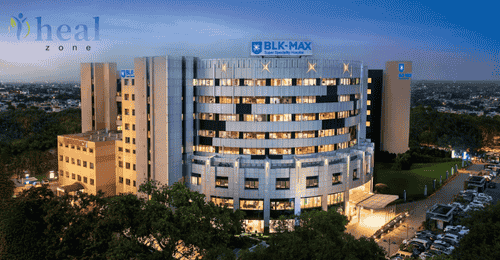
BLK-Max Super Speciality Hospital, New Delhi
Pusa Rd, Radha Soami Satsang, Rajinder Nagar, New Delhi, Delhi – 110005
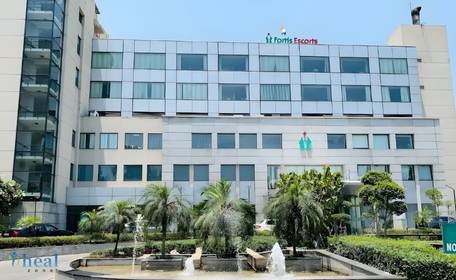
Fortis Escorts Heart Institute, New Delhi
Metro Station, Okhla Rd, opposite Sukhdev Vihar, New Friends Colony, New Delhi, Delhi 110049
Why Choose India for Aortic Dissection Repair Surgery?
1. Highly Experienced Cardiovascular & Aortic Surgeons
India has some of the most experienced cardiac and vascular surgeons who specialize in complex aortic cases, including Type A and Type B dissections. Many have international training and handle high volumes, which improves outcomes.
2. Advanced Technology & Hybrid Operating Rooms
Top Indian hospitals use hybrid operating theatres, 3D imaging, advanced CT angiography, and high-precision stent-grafts. These technologies enable both open repair and minimally invasive TEVAR (Thoracic Endovascular Aortic Repair) with high accuracy.
3. Affordable Cost Compared to Western Countries
India offers the same level of medical expertise as the US/UK/EU but at 70–90% lower cost.
This makes life-saving treatment accessible for many international patients.
4. Short Waiting Times
In emergencies like aortic dissection, time is critical. Indian cardiac centres offer immediate admission, fast diagnostics, and quick surgical intervention.
5. Accredited Hospitals & International Quality Standards
Many leading hospitals are JCI, NABH, or ISO accredited, ensuring globally recognized safety and care standards.
6. Comprehensive Medical Tourism Support
India is one of the world’s leading destinations for heart surgeries and provides seamless international patient support — airport pickup, translators, visa help, and postoperative care.
How HealZone Helps International Patients with Aortic Dissection Repair Surgery
HealZone acts as a trusted care coordinator and medical-tourism partner, ensuring international patients receive timely, safe, and affordable treatment.
1. Hospital Selection Based on Your Case
HealZone evaluates your medical reports and recommends the best cardiac centres specialized in aortic repairs (open and TEVAR).
2. Transparent Cost Estimates
You receive clear, itemized treatment plans and cost packages, avoiding surprise expenses.
3. Medical Record Review & Quick Scheduling
HealZone works with surgeons to review files in advance and arranges priority appointments or urgent admissions when needed.
4. Travel, Visa & Logistics Support
They assist with:
- Medical visa invitations
- Airport pick-up & drop
- Accommodation for patients & families
- Local transport
5. On-Ground Patient Support
HealZone provides dedicated coordinators who stay with you throughout your medical journey — hospital registration, tests, surgery day, and discharge formalities.
6. Post-Treatment & Follow-Up Care
Even after you return home, HealZone helps arrange:
- Teleconsultations with your surgeon
- Recovery advice
- Long-term monitoring support
What Is Aortic Dissection Repair?
Aortic Dissection Repair is a life-saving surgical procedure that treats a tear in the inner layer of the aorta. Blood flows into the tear, creating a “false channel” between the layers of the artery.
If untreated, this can lead to rupture, stroke, organ damage, or sudden death.
The surgery aims to:
- Seal the tear
- Reinforce or replace the damaged part of the aorta
- Prevent rupture
- Restore normal blood flow to organs
There are two main approaches:
- Open Surgical Repair
- Endovascular Repair (TEVAR)
How Does the Surgery Work?
1. Open Aortic Dissection Repair
Used mostly for Type A dissections (involving the ascending aorta/near the heart).
Steps:
- General anesthesia and cardiopulmonary bypass (heart-lung machine).
- The surgeon opens the chest (sternotomy).
- The damaged section of the aorta is removed.
- A synthetic graft (Dacron tube) is sewn in to replace the torn segment.
- Blood flow is restored, and the chest is closed.
When it is preferred:
- Emergency Type A dissections
- When the aortic valve is affected
- When the tear is close to the hear
2. Endovascular Repair (TEVAR)
Used mostly for Type B dissections (descending thoracic aorta).
Steps:
- Under anesthesia, a small incision is made in the groin.
- A catheter is used to guide a stent-graft inside the aorta.
- The stent-graft is placed over the tear to seal it from inside.
- Blood is redirected into the true channel, allowing the false channel to shrink.
- No open chest surgery is required.
Benefits of TEVAR:
- Minimally invasive
- Faster recovery
- Shorter ICU stay
- Lower risk for certain patient
3. Combined / Hybrid Procedures
For complex cases, surgeons may combine open repair with endovascular techniques, especially when multiple sections of the aorta are involved.
Benefits of Aortic Dissection Repair Surgery
1. Saves Life in a Critical Condition
Aortic dissection can be fatal if untreated. Surgery prevents aortic rupture, cardiac arrest, stroke, and internal bleeding.
2. Restores Normal Blood Flow
Repairing or sealing the tear ensures the heart and other organs receive proper blood supply.
3. Prevents Future Complications
Surgery reduces long-term risks such as aneurysm formation, organ damage, and blood clots.
4. Minimally Invasive Options Available (TEVAR)
Many patients, especially with Type B dissections, can undergo endovascular repair, which offers:
- Smaller incisions
- Faster recovery
- Less pain
- Shorter hospital stays
5. Long-Term Survival Improves Significantly
Once the torn section is repaired or isolated, patients have a much better life expectancy with proper follow-up.
Procedure Overview (How the Surgery is Performed)
1. Pre-Surgical Assessment
- CT angiography
- Echocardiogram
- Blood tests
- Assessment of heart, blood flow & organ health
2. Surgery Options
A. Open Surgical Repair (commonly for Type A dissections)
Steps:
- Patient under general anesthesia.
- Chest is opened through sternotomy.
- Heart-lung machine is used to maintain blood flow.
- Damaged section of the aorta is removed.
- A synthetic graft replaces the torn tissue.
- Aortic valve is repaired/replaced if needed.
- Chest is closed.
B. TEVAR (Thoracic Endovascular Aortic Repair – for Type B)
Steps:
- Small incision made in the groin.
- A catheter with a stent-graft is guided through arteries.
- Stent is placed inside the aorta to cover the tear.
- Tear is sealed internally.
- No open-chest surgery required.
C. Hybrid Procedures
Combination of open repair + stent-graft for extensive or complex dissections.
Success Rate
1. TEVAR (Endovascular Repair)
- Technical success: ~95–99%
- Lower short-term mortality compared to open surgery for Type B dissections
- Better outcomes in stable patients
2. Open Surgery (Type A Dissection)
- Because Type A dissections are medical emergencies, success depends on:
- How quickly the patient reaches a hospital
- Heart involvement
- Organ damage
- Approximate survival rates in major centres:
- 70–85% survival for emergency Type A repair
- Long-term survival improves significantly after successful surgery
3. Overall
Early diagnosis + high-volume hospital + experienced surgeon = higher success rates and fewer complications.
Recovery & Rehabilitation After Surgery
Recovery depends on whether surgery was open or endovascular.
1. ICU Stay
- TEVAR: 1–3 days
- Open repair: 2–5+ days
2. Hospital Stay
- TEVAR: 3–7 days
- Open surgery: 7–14 days
3. Early Recovery (2–6 weeks)
Patients may experience:
- Fatigue
- Mild chest or back discomfort
- Reduced stamina
Most TEVAR patients return to normal activity faster.
4. Rehabilitation Program
A tailored rehab plan may include:
- Light physical activity
- Breathing exercises
- Heart-healthy diet guidance
- Monitoring blood pressure
- Medication adjustments
5. Return to Routine Life
- TEVAR: 3–4 weeks
- Open repair: 6–12 week
Aftercare / Post-Surgery Care
1. Follow-Up Visits
Regular reviews with CT scans or MRI at:
- 1 month
- 3–6 months
- 1 year
- Then annually
2. Blood Pressure Management
Controlling BP is essential — often lifelong medication is required.
3. Lifestyle Management
- Avoid heavy lifting for 2–3 months
- Quit smoking
- Maintain heart-healthy diet
- Manage cholesterol
4. Wound Care
- Keep the incision area clean
- Monitor for redness, swelling, or fever
- Avoid soaking in water until healed
5. Medication
Patients may need:
- Blood pressure medicines
- Blood thinners
- Pain management
- Antibiotics (short-term
Risks & Potential Complications
Though surgery is life-saving, risks exist because the condition is severe.
Possible Risks Include:
- Bleeding
- Stroke
- Heart attack
- Infection
- Kidney injury
- Spinal cord ischemia (rare in TEVAR)
- Aortic leak or re-dissection
- Blood clots
- Complications from anesthesia
Important: The risk level depends on the patient’s condition before surgery, not just the procedure itself.
Frequently Asked Questions
Type A is always a medical emergency.
Type B may be managed medically initially but can become emergency if complications arise.
Open repair: 4–8 hours
TEVAR: 1–3 hours
Yes. With proper follow-up, most patients return to normal or near-normal lifestyles.
Blood pressure control is vital, so antihypertensive medicines are usually lifelong.
TEVAR: usually after 10–14 days
Open surgery: 2–3 weeks, depending on healing
Medical teams confirm this before discharge.
Neither is universally better.
TEVAR is preferred for Type B dissections.
Open surgery is required for Type A dissections.
Your doctor chooses based on location and severity.
Yes, if other parts of the aorta weaken over time which is why follow-ups are essential.
