

Contact Us for Best Aortic Dissection Repair Surgery Doctors in India
Best Aortic Dissection Repair Surgery Doctors in India
Aortic dissection is a life-threatening condition where the inner layer of the aorta tears, requiring urgent surgical repair. The procedure may involve open-heart surgery or endovascular techniques to stabilize the aorta and restore normal blood flow.
India offers advanced cardiovascular care with survival rates for aortic dissection repair comparable to top international centers. Skilled cardiothoracic surgeons, modern ICUs, and affordable care make India a preferred choice.
Below is a curated list of the Best Aortic Dissection Repair Surgery Doctors in India, trusted for their expertise in handling high-risk emergencies.
- New Delhi
- Mumbai
- Kolkata
- IVF and Infertility
- Cardiology
- Cosmetic and Plastic Surgery
- Orthopedic
- Dental
- Dermatology
- Endocrinology
- ENT
- Gastroenterology
- Gynecology and Obstetrics
- Hematology
- Hepatology
- Nephrology
- Neurology
- Obesity and Bariatric Surgery
- Oncology
- Opthalmology
- Pulmonology
- Rheumatology
- Urology
- General Surgery
- Transplant Surgery
- Vascular Surgery
- Pediatrics
- Internal Medicine
- Spine Surgery
- Radiology
- Aneurysm Surgery: Traditional Open Surgery
- Automatic Implantable Cardioverter Defibrillator (AICD)
- Ambulatory BP Monitoring (ABPM)
- Aortic Dissection Repair Surgery
- Aortic Stent Grafting
- Aortic Surgery
- Aortic Valve Repair (AVR)
- Aortic Valve Replacement (AVR)
- Arterial Switch Surgery
- Atrial Septal Defect (ASD) Closure
- Atrioventricular Canal Repair
- Balloon Septostomy
- Balloon Valvuloplasty
- Beating Heart Surgery
- Bentall Surgery
- Blalock-Taussig (BT) Shunt
- Cardiac Ablation
- Cardiac Catheterization
- Cardiac Resynchronization Therapy
- Cardiac Tumor Treatment
- Complex Congenital Heart Surgeries
- Congestive Heart Failure (CHF) Treatment
- Coronary Angiogram
- Coronary Angioplasty
- Coronary Stents
- Coronary Thrombectomy
- Cardiac Resynchronization Therapy with Defibrillator (CRT-D)
- Cardiac Resynchronization Therapy with Pacemaker (CRT-P)
- Device Closure For ASD
- VSD Device Closure
- Device Closure For PDA
- Double Valve Replacement (DVR)
- Drug Eluded Stent
- Dual Chamber Pacemaker
- Fontan Conversion Surgery
- Fontan Procedure
- Glenn Procedure
- Coronary Artery Bypass Graft(CABG) Surgery
- Minimally Invasive CABG
- Heart Lung Transplant
- Impella Device Implantation
- Intra-Aortic Balloon Pump (IABP)
- LV Restoration Surgery
- Mechanical Valve Replacement – MVR
- Mitral Valve Replacement
- Myectomy-Myotomy
- Myocardial Perfusion Imaging (MPI) Test
- Neonatal And Infant Cardiac Surgeries
- Norwood Procedure
- Off-Pump CABG
- On-Pump CABG
- PDA Ligation
- Pediatric Cardiomyopathy Treatment
- Pediatric Heart Surgery
- Percutaneous Coronary Intervention (PCI)
- Percutaneous Myocardial Laser Revascularization
- Percutaneous Valve Replacement
- Percutaneous Transluminal Coronary Angioplasty (PTCA)
- Percutaneous Transvenous Mitral Commissurotomy (PTMC)
- Pulmonary Valve Repair
- Pulmonary Valve Replacement
- Radiofrequency Ablation
- Revision CABG
- Rhabdomyomas
- Rotational Atherectomy
- Stress Echocardiography
- Tissue Valve Replacement
- Transarterial Radioembolization (TARE)
- Transmyocardial Revascularization (TMR)
- Tricuspid Valve Replacement
- Truncus Arteriosus Repair
- Wearable Cardioverter Defibrillator
- Aortic Stenosis Treatment
- Aortic Valve Regurgitation Treatment
- Cardiac Arrest
- Cardiac Cyst
- Cardiac Tumour Treatment
- Cardiomyopathy Treatment
- Coronary Artery Disease (CAD)
- Heart Attack Treatment
- Heart Bypass Surgery (CABG)
- Heart Bypass- Minimally Invasive CABG
- Heart Failure Treatment
- Hypertrophic Cardiomyopathy
- Left Ventricular Valve Dysfunction
- Left ventricular assist device (LVAD)
- Minimal Access Surgeries for Valves
- Mitral Valve Regurgitation
- Pulmonary Hypertension
- Single Bypass and Valve Replacement
- Trans Aortic Valve Replacement (TAVR) Surgery
- Heart Valve Repair
- Heart Valve Replacement
- Transesophageal Echocardiography (TEE)
- ASD/VSD Device Closure
- Ablation Therapy
- Angiography
- Aorta Surgery
- Aortic Valve Surgery
- Aortic Valve Surgery in the Young Patient
- Ross Procedure
- Biventricular Pacemaker
- Cardiac Devices for Patients with Heart Failure
- Cardiac Implant Closure Devices in Adults
- Cardiac Implantable Electronic Device Replacement
- Catheter Ablation
- Complex Aorta Surgery
- Congenital Heart Disease Treatments
- Coronary Artery Bypass Surgery (CABG)
- Coronary Brachytherapy
- Electrical Cardioversion
- Endoleak Treatments
- Endovascular Repair of Thoracic Aortic Aneurysms
- Endovascular Stent Graft: Aortic Aneurysm Repair
- Enhanced External Counterpulsation (EECP)
- Heart Failure Surgery
- Open Heart Surgery
- Maze Procedure (Atrial Fibrillation Surgery)
- Heart Transplant
- Heart Valve Surgery
- Implantable Cardioverter Defibrillator (ICD)
- Infective Endocarditis Surgery
- Intermittent Pneumatic Compression (IPC) Device
- Intestinal PAD Bypass Surgery
- Intestinal PAD Visceral Artery Aneurysm Surgery
- Laparoscopic Antireflux Surgery
- Left Atrial Appendage & Closure
- Left Ventricular Assist Devices (Mechanical Circulatory Support MCS)
- Left Ventricular Reconstructive Surgery (Modified Dor Procedure)
- Minimally Invasive Heart Surgery
- Minimally Invasive Mitral Valve Repair
- Mitral Valve Repair
- Paravalvular Leak Closure
- Pericardiectomy
- Permanent Pacemaker
- Radial Artery & Saphenous Vein Harvesting
- Robotically Assisted Atrial Septal Defect Repair
- Robotically Assisted Heart Surgery
- Robotically Assisted Mitral Valve Repair
- Robotically Assisted Removal of Cardiac Tumors
- Tricuspid Valve Repair
- Septal Myectomy
- Transcatheter Aortic Valve Replacement (TAVR)
- Transcatheter Pulmonary Valve Replacement (TPVR)
- Video-Assisted Thoracic Surgery (VATS)
- Patent Foramen Ovale (PFO) Closure
- Fetal Heart Disease
- Aberrant Subclavian Artery
- ALCAPA - Anomalous Left Coronary Artery from the Pulmonary Artery
- Aortic and Mitral Atresia
- Aortic Stenosis
- Aortic Valve Regurgitation
- Atrial Tachycardia
- Atrioventricular Canal Defect (AVC Defect)
- Atrioventricular Septal Defect (AVSD)
- Cardiac Arrest
- Cardiac Cyst
- Congenital Heart Anomaly
- Congenital Heart Disease (CHD)
- Cyanotic Heart Defects
- Dextro-Transposition of the Great Arteries (d-TGA)
- Dextrocardia
- Double Aortic Arch
- Double Inlet Left Ventricle (DILV)
- Ebstein's Anomaly
- Heart Birth Defects
- Hole in the Heart
- Hypoplastic Right Heart Syndrome (HRHS)
- Interrupted Aortic Arch (IAA)
- Irregular Heartbeat
- Left Ventricular Valve Dysfunction
- Mitral Valve Regurgitation
- Non-Cyanotic Heart Defects
- Partial Anomalous Pulmonary Venous Connection (PAPVC)
- Pentalogy of Cantrell
- Persistent Truncus Arteriosus
- Pulmonary Atresia
- Pulmonary Hypertension
- Pulmonary Stenosis
- Scimitar Syndrome
- Shone's Complex
- Supraventricular Tachycardia
- Tetralogy of Fallot
- Total Anomalous Pulmonary Venous Connection (TAPVC)
- Transposition of the Great Vessels
- Tricuspid Valve Regurgitation
- Ventricular Septal Defect (VSD)
- Viral Myocarditis
- Wolff-Parkinson-White Syndrome
- Coronary Fistula
- Levo-Transposition of the Great Arteries (l-TGA)
- Automatic Implantable Cardioverter Defibrillator (AICD)
- Hyperlipidemia
- Portal Hypertension
- Adventitial Cystic Disease
- Angina
- Abdominal Aortic Aneurysm
- Aortic Aneurysm
- Thoracic Aortic Aneurysm
- Aortic Coarctation
- Aortic Dissection
- Arrhythmia
- Arrhythmogenic Right Ventricular Dysplasia (ARVD)
- Atherosclerosis
- Atrial Fibrillation (AFIB)
- Atrial Septal Defect (ASD)
- Axillo-Subclavian Vein Thrombosis
- Bicuspid Aortic Valve Disease
- Cardiovascular Disease
- Cerebrovascular Occlusive Disease
- Cervical (Carotid or Vertebral) Artery Dissection
- Chronic Thromboembolic Pulmonary Hypertension (CTEPH)
- Chronic Venous Insufficiency (CVI)
- Coronary Artery Disease
- Dilated Cardiomyopathy
- Double Outlet Right Ventricle
- Endocarditis
- Enlarged Heart (Cardiomegaly)
- Esophageal Cancer
- Esophageal Diverticulum
- Extracranial Carotid Artery Aneurysm
- Hantavirus Pulmonary Syndrome (HPS)
- Heart Cancer
- Heart Palpitations
- Heart Valve Disease
- High Blood Pressure (Hypertension)
- High Cholesterol in Children
- Hypertrophic Cardiomyopathy
- Hypoplastic Left Heart Syndrome (HLHS)
- Heart Failure
- Patent Ductus Arteriosus (PDA)
- Patent Foramen Ovale (PFO)
- Pediatric and Congenital Heart Conditions
- Peripartum Cardiomyopathy
- Peripheral Artery Disease (PAD)
- Postural Orthostatic Tachycardia Syndrome (POTS)
- Premature Ventricular Contractions
- Spontaneous Coronary Artery Dissection (SCAD)
- Valve Disease
- Ventricular Tachycardia
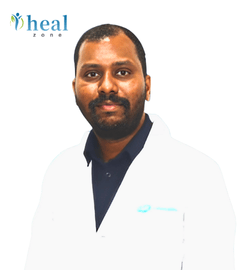
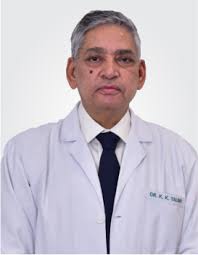
Dr. Kewal Kishan Talwar

MBBS, MD, DM, FAMS, FRCP
45 Years of Experience
Cardiologist
Pushpawati Singhania Research Institute (PSRI), Hospital, New Delhi

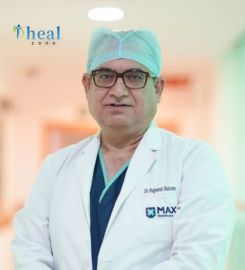
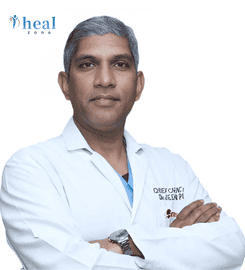
Dr. Rajneesh Malhotra
MBBS, MCh, Fellowship
30 Years of Experience
Cardiothoracic and Vascular Surgeon
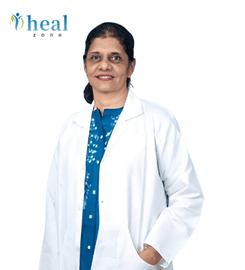
Contact Us for Best Aortic Dissection Repair Surgery Doctors in India
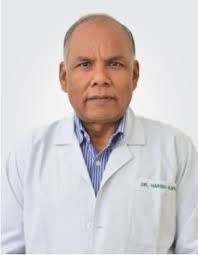
Dr. Harish Kapila
MBBS, MD, DM, FACC, FIC
40 Years Years of Experience
Cardiologist
Pushpawati Singhania Research Institute (PSRI), Hospital, New Delhi
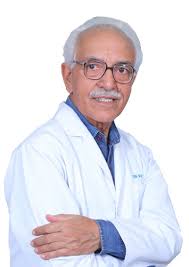
Dr. V.P. Choudhry
MBBS, MD, DM
40 Years Years of Experience
Cardiologist
Pushpawati Singhania Research Institute (PSRI), Hospital, New Delhi
Contact Us for Best Aortic Dissection Repair Surgery Doctors in India
What training and experience do the Best Aortic Dissection Repair Surgery Doctors in India have?
The best doctors for Aortic Dissection Repair Surgery in India are cardiothoracic and vascular surgeons who have completed advanced fellowships in aortic surgery, endovascular therapy, and trauma/emergency vascular care. Many have trained or completed observerships at leading international centers (North America, Europe, Japan) and maintain memberships in global societies such as the Society of Thoracic Surgeons (STS) and the European Association for Cardio-Thoracic Surgery (EACTS). They routinely manage acute Type A and Type B dissections, chronic aneurysmal disease, and re-operations, and are experienced in hybrid aortic arch procedures, fenestrated/branched stent grafts, and valve-sparing root reconstructions.
How do these surgeons demonstrate success with complex cases?
High-volume surgeons document outcomes including perioperative mortality, stroke, renal failure, and reintervention rates. Top teams run dedicated aortic programs with preoperative multidisciplinary case conferences, standardized protocols for emergency transfer, and integrated ICU pathways. Their experience frequently includes dozens to hundreds of aortic repairs annually, involvement in device selection and sizing, and participation in clinical registries that benchmark outcomes nationally and internationally.
Are specific names important for patients?
Renowned names help but the most important factors are surgeon experience with the specific dissection type, institutional volume, availability of hybrid facilities, and a functional aortic team. International patients often rely on platforms like HealZone or direct hospital international desks to match them with the appropriate aortic specialist based on clinical needs.
What is an aortic dissection and why is it serious?
An aortic dissection occurs when a tear develops in the inner lining (intima) of the aorta, allowing blood to split the layers of the aortic wall and create a false lumen. This can rapidly compromise blood flow to vital organs, cause rupture, severe bleeding, stroke, heart attack, or death.
Dissections are classified by location—
- Type A (involving the ascending aorta, often requiring emergency surgery) and
- Type B (limited to the descending aorta, sometimes managed medically or with endovascular techniques).
What causes an aortic dissection?
Common causes and risk factors include uncontrolled hypertension (most frequent), connective tissue disorders (Marfan, Ehlers-Danlos), bicuspid aortic valve, aortic aneurysm, atherosclerosis, chest trauma, prior cardiac surgery or catheter procedures, cocaine or stimulant use, and advanced age.
What symptoms should prompt urgent evaluation?
Typical symptoms are sudden, severe chest pain described as tearing or ripping (often radiating to the back), shortness of breath, syncope (fainting), stroke-like symptoms (weakness/numbness), abdominal pain or leg ischemia if branch vessels are affected. Any suspicion mandates immediate medical evaluation and imaging.
What diagnostic tools are used?
Rapid, accurate imaging is critical. Tools include:
- CT Angiography (CTA) — gold standard for acute dissection: fast, widely available, excellent spatial resolution for planning surgery or endovascular repair.
- Transesophageal Echocardiography (TEE) — useful at bedside or intraoperatively to assess valve involvement, pericardial effusion, and ascending aorta.
- MRI / MR Angiography — detailed soft tissue assessment and follow-up in stable patients.
- Aortic Angiography — used during endovascular procedures for device deployment.
- Laboratory tests — markers for organ perfusion, renal function, and coagulation.
What acute management steps are taken before surgery?
Immediate goals are hemodynamic stabilization and limiting propagation of the dissection:
- Aggressive blood pressure and heart rate control (IV beta-blockers, nitroprusside if needed) to reduce shear stress.
- Analgesia and close monitoring in an ICU setting.
- Rapid imaging to classify the dissection and plan treatment.
- Multidisciplinary team activation (cardiac surgery, vascular surgery, interventional radiology, anesthesiology, critical care).
How do doctors choose between open surgery, endovascular repair, or hybrid approaches?
Choice depends on dissection type, location, extent, patient stability, comorbidities, and anatomy:
- Type A dissections (ascending aorta) usually require emergency open surgical repair—replacement of the ascending aorta ± aortic root/valve interventions.
- Type B dissections (descending aorta) may be managed medically if uncomplicated, but TEVAR (thoracic endovascular aortic repair) is indicated for complications (malperfusion, rupture, persistent pain, rapid expansion).
- Hybrid approaches (debranching + TEVAR) suit complex arch disease where combining open and endovascular techniques reduces invasiveness while ensuring durable repair.
What does open surgical repair involve?
Open repair for Type A typically requires median sternotomy, cardiopulmonary bypass, removal of the intimal tear segment, and replacement with a Dacron graft. If the aortic root or valve is involved, surgeons may perform valve-sparing root replacement or a Bentall procedure (composite graft + valve). Open repair addresses proximal dissections definitively and prevents fatal rupture.
What is endovascular (TEVAR/EVAR) repair?
TEVAR is performed via femoral arterial access and involves deploying a stent-graft to seal the intimal tear and redirect flow into the true lumen. TEVAR reduces operative trauma, blood loss, and ICU stay versus open surgery, and is preferred for complicated descending aortic dissections or for patients at high surgical risk.
What are hybrid procedures?
Hybrid repairs combine surgical rerouting (debranching) of head/neck vessels with endovascular stent grafting of the arch/descending aorta. These are useful for extensive arch disease where isolated TEVAR may not have suitable proximal landing zones.
What are staged or adjunctive strategies?
Complex cases may need staged interventions—initial TEVAR to stabilize malperfusion followed by delayed open repair of residual pathology, or elective downstream interventions for persistent false lumen flow. Neuromonitoring, spinal cord protection, and visceral perfusion strategies are routine considerations in staged plans.
Which devices are used in aortic repair?
Devices commonly used in Indian centers include:
- Stent graft systems designed for thoracic aorta (Gore TAG, Medtronic Valiant, Cook Zenith) with options for fenestration or branches for complex anatomy.
- Dacron/PTFE vascular grafts for open surgical replacement and root procedures.
- Composite valve-graft (Bentall) prostheses when root replacement + valve replacement are needed.
- Hybrid branched/fenestrated stent grafts for custom solutions in complex aneurysms.
All devices used in reputable centers adhere to international regulatory standards and are selected based on anatomy and durability needs.
What advantages does India offer international patients?
India provides a compelling combination of:
- Highly experienced, internationally trained surgeons and multidisciplinary teams.
- Advanced infrastructure (hybrid OTs, high-resolution CT, TEE, ECMO) found in JCI/NABH-accredited hospitals.
- Cost-effectiveness — procedures often cost significantly less than in North America, Europe, or Singapore while using the same devices and protocols.
- Rapid access to care—many hospitals accept emergency referrals and direct transfers, and international patient services streamline logistics.
- Comprehensive aftercare and telemedicine for long-term follow-up with remote imaging review.
Is the quality comparable to Western centers?
In leading Indian institutions the clinical outcomes, infection control standards, and device availability closely match international benchmarks, especially when patients are treated within high-volume aortic programs.
What success and survival rates do top centers report?
Reported perioperative survival for elective and emergent aortic dissection repairs varies with disease complexity, patient risk profile, and center experience.
In experienced Indian centers:
- Type A emergency repair survival rates can approach 85–95% in optimized settings; success improves with rapid transfer and team readiness.
- TEVAR for complicated Type B shows high technical success with lower early mortality and morbidity compared with open thoracotomy in selected patients.
- Overall, top centers report outcomes comparable to international benchmarks, with meticulous ICU care and rehabilitation contributing to excellent mid- and long-term survival.
What are typical cost ranges for different procedures?
|
Type of Procedure |
Estimated Cost (USD) |
|
Emergency Open Repair (Type A) |
$10,000 – $18,000 |
|
Endovascular Repair (TEVAR — uncomplicated) |
$12,000 – $20,000 |
|
Hybrid Aortic Arch Repair |
$14,000 – $25,000 |
|
Staged Complex Aortic Reconstructions |
$18,000 – $35,000 |
Costs vary by device choice, ICU duration, blood products, comorbidities, and need for staged or additional procedures. International packages offered by hospitals or facilitators like HealZone often include preoperative evaluation, surgery, ICU/hospital stay, basic implants, and limited follow-up; confirm inclusions and exclusions in writing.
How does India compare cost-wise to other countries?
India typically provides 40–70% cost savings compared with the USA, UK, or Singapore for aortic procedures, while maintaining comparable standards in accredited centers.
What is the typical hospital and recovery timeline?
Recovery depends on procedure type and patient factors:
- TEVAR: ICU stay 24–48 hours, overall hospital stay 3–7 days, faster mobilization and earlier discharge.
- Open repair (Type A): ICU stay 2–5 days, hospital stay 7–14 days for uncomplicated recovery.
- Hybrid or complex staged repair: hospital stays and rehabilitation may be longer; staged procedures require interval recovery between interventions.
- Return to normal activity: generally 6–12 weeks for major open repairs; TEVAR patients may return earlier with tailored rehabilitation.
Are rehabilitation services offered?
Yes—top centers provide multidisciplinary rehabilitation including physiotherapy, cardiac rehabilitation, nutritional counseling, psychological support, and blood-pressure management programs to reduce recurrence risk.
What does follow-up include for international patients?
Typical follow-up regimen includes:
- Early postoperative reviews before discharge and at 2–6 weeks (clinical and imaging as needed).
- Surveillance imaging (CT angiography or MR angiography) at 3–6 months, 12 months, then annually or as advised to monitor graft integrity and false lumen thrombosis.
- Blood pressure optimization, lipid control, smoking cessation support, and tailored exercise programs.
- Telemedicine: many centers offer remote consultations, review of imaging studies, and medication adjustments for international patients.
- Clear emergency plans and local referral networks for complications in the patient’s home country.
How does HealZone assist patients needing Aortic Dissection Repair Surgery in India?
HealZone provides end-to-end support:
- Clinical triage & surgeon matching — reviews medical records, recommends appropriate aortic specialists and hospitals.
- Fast-track admissions & emergency transfers — coordinates ambulance/air ambulance transfers and hospital readiness for emergencies.
- Transparent cost estimates — itemized packages including surgery, device costs, ICU/hospital stay, and basic follow-up.
- Logistics & concierge services — visa assistance, flight/hotel bookings, airport pickup, and interpreter services.
- Postoperative care coordination — telemedicine follow-up, medication management, rehabilitation referrals, and documentation for local physicians.
HealZone acts as a single point of contact to reduce stress, expedite care, and ensure continuity between in-hospital treatment and long-term follow-up.
