

Contact us for Pacemaker Implantation Cost in India
Pacemaker Implantation Cost in India
USD 5,000 – 9,000
95 %
Pacemaker implantation is a safe and effective way to help people with irregular heart rhythms. Many people now choose India for this surgery because Pacemaker Cost in India is much lower (USD 5,000) than Western countries with skilled heart doctors and modern hospitals.
This Healzone guide covers pacemaker costs in India, the types of devices available, what to expect during the procedure, recovery advice, and why India is a good choice for international patients needing heart care. The price mainly depends on the type of pacemaker, your health needs, the hospital you pick, and the device’s features.
Top Doctors for Pacemaker Implantation in India


Dr. Kewal Kishan Talwar
MBBS, MD, DM, FAMS, FRCP
Cardiologist
45 Years of Experience
Pushpawati Singhania Research Institute (PSRI), Hospital, New Delhi

Dr. Kulbhushan Singh Dagar
MBBS, MS, MCh, Fellowship, Certificates/Trainings
Pediatric Cardiac Surgeon, Pediatric Cardiologist
35 Years of Experience
What is a Pacemaker?
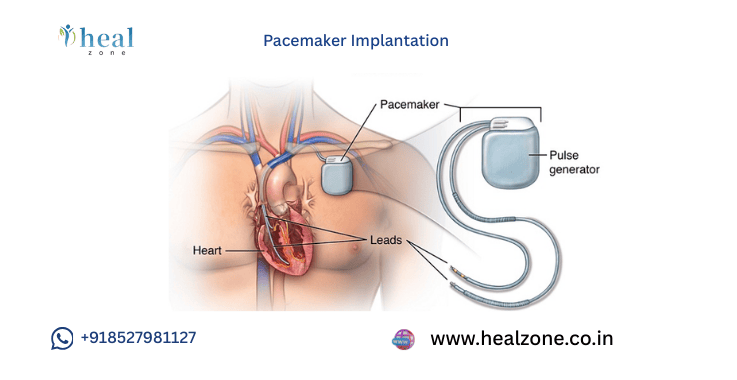
A pacemaker is a small medical device placed under the skin of the chest. It gently sends electrical signals to help the heart beat regularly, especially when it becomes too slow or irregular. This allows the heart to pump blood properly so you can stay active and feel better in daily life.
Why is a Pacemaker Needed?
A pacemaker is recommended when the heart’s electrical system slows down or becomes irregular. It helps maintain a steady heartbeat so your body gets enough oxygen and energy. After getting a pacemaker, many people notice:
• Helps the heart beat steadily and strongly
• Supports better blood flow so your body gets enough oxygen
• Boosts energy and reduces tiredness or breathlessness
• Makes daily activities easier and improves overall quality of life
Types of Pacemakers Used in India
Doctors choose different types of pacemakers based on your heart rhythm problem and your health or lifestyle needs. In India, the most common types are:
Single-Chamber Pacemaker
This device connects to one heart chamber, either the right atrium or the right ventricle. It is used for simple rhythm problems and is often recommended for people with mild arrhythmias.
Dual-Chamber Pacemaker
These pacemakers have two wires, one in the atrium and one in the ventricle. They help the upper and lower heart chambers work together, making them a good choice for most people with irregular heartbeats.
Biventricular Pacemaker (CRT – Cardiac Resynchronization Therapy)
CRT pacemakers are used for people with heart failure. They help both sides of the heart pump together, which makes the heart work better, increases exercise ability, and improves quality of life.
Rate-Responsive Pacemaker
This device changes the heart rate based on your activity. It increases your heart rate when you move and slows it down when you rest. This is ideal for active patients who need flexibility.
MRI-Compatible Pacemaker
These pacemakers are made with special parts so you can safely have MRI scans in the future. This is helpful if you may need medical imaging over time.
Top Hospitals for Pacemaker Implantation in India

Indraprastha Apollo Hospital, New Delhi
Indraprastha Apollo Hospital, NH-19, New Delhi

Medanta-The Medicity Gurgaon
CH Baktawar Singh Rd, Medicity, Islampur Colony, Sector 38, Gurugram, Haryana 122001

Fortis Memorial Research Institute (FMRI) Gurugram
Sector - 44, Opposite HUDA City Centre, Gurugram, Haryana 122002

Max Super Speciality Hospital, Saket
Press Enclave Marg, Saket, New Delhi, Delhi 110017
Pacemaker Cost Comparison: India vs Other Countries
|
India |
USD 3,000 – 9,000 |
|
United States |
USD 35,000 – 65,000 |
|
United Kingdom |
USD 25,000 – 45,000 |
|
UAE |
USD 18,000 – 35,000 |
Treatment in India can cost up to 70–85% less than in other countries, while medical standards remain high.
Cost Breakdown of Pacemaker Implantation
- Overall cost generally includes the pacemaker device, surgery, hospitalisation, and follow-up care
- Pacemaker device is usually the largest expense; cost varies by type (single-chamber, dual-chamber, CRT, leadless)
- Hospital room and operating theatre charges depend on city, hospital category, and length of stay
- Surgeon and specialist fees reflect the experience/qualification of the cardiologist/electrophysiologist
- Diagnostic tests before surgery add to the cost (ECG, Echo, blood tests, X-ray, etc.)
- Post-operative medications and monitoring are included for a short period after surgery
- Costs may rise if ICU stay, complications, or longer recovery is required
- Advanced pacemaker features such as MRI-compatibility, longer battery life, or remote monitoring can make the device more expensive, but they offer added convenience and safety.
- Choice of hospital room can affect the overall cost, depending on whether you opt for a private, deluxe, or shared room.
- Brand of the pacemaker can influence price, as well-known brands may cost more but are often preferred for reliability.
- Location matters—treatment costs can vary between cities and hospitals.
- Long-term costs should also be considered, including regular follow-ups and eventual battery replacement for the pacemaker.
Healzone offers clear and honest pricing for all international patients.
Pacemaker Surgery Procedure: Step-by-Step
Pacemaker implantation is a safe and common procedure. Here’s what usually happens:
Pre-Procedure Evaluation
Your heart doctor reviews your medical history, checks your heart rhythm with ECG and Holter monitoring, and confirms if you need a pacemaker. Blood tests and imaging may also be done.
Anesthesia and Preparations
You are taken to a special heart procedure room or the operating room. Numbing medicine is given near your shoulder to stop pain, and you get medicine to help you relax but stay awake.
Making a Small Incision
A small cut, about 2 to 3 centimeters long, is made below your collarbone to make space for the pacemaker.
Guiding the Leads Into the Heart
Thin wires, called leads, are put into a vein and carefully moved into your heart using X-ray pictures. The doctor checks that the wires are working right.
Connecting Leads to the Pacemaker Device
Once the leads are in the right place, they are connected to the pacemaker, which contains the battery and electronics.
Placing the Device Under the Skin
The pacemaker is put under your skin and tested to make sure it works right.
The cut is closed with stitches or glue, and a bandage is applied to help prevent infection.
Short Monitoring Period
You may stay in the hospital for 24 to 48 hours so your heart rhythm and pacemaker settings can be monitored before you go home.
Tests Done Before Pacemaker Surgery
- Electrocardiogram (ECG):
A quick test that checks your heartbeat pattern to confirm the type of rhythm problem. - 24-hour Holter Monitoring:
You wear a small device for a day (or longer) so the doctor can see how your heart behaves during normal activities. - Echocardiogram (Heart Ultrasound):
Uses sound waves to show how well your heart muscles and valves are working. - Chest X-ray:
Helps doctors check the size and shape of the heart and make sure the lungs are healthy before surgery. - Blood Tests:
Done to ensure there is no infection, anaemia, or any problem that could affect surgery or healing. - Electrophysiology (EP) Study – only when needed:
A more detailed test that maps the heart’s electrical signals when the cause of rhythm issues isn’t clear.
Pacemaker Brands Available in India
Approved and globally recognized brands in India include:
• Medtronic
• Boston Scientific
• Abbott (St. Jude Medical)
• Biotronik
• LivaNova
Who May Need a Pacemaker?
- Slow heart rate causing symptoms:
When the heartbeat is too slow and leads to tiredness, dizziness, or breathlessness. - Heart block (signal delay or interruption):
The electrical messages from the top chambers of the heart aren’t reaching the bottom chambers properly, causing irregular rhythms. - Unexplained fainting spells due to heart rhythm problems:
If someone keeps fainting because the heart suddenly slows or pauses. - Rhythm issues after heart surgery:
Some patients develop electrical problems following a heart operation and need a pacemaker to maintain a steady heartbeat. - Heart failure needing special support (CRT):
When the heart is weak and not pumping in sync, a special type of pacemaker helps the heart chambers beat together more effectively.
Symptoms Suggesting the Need for a Pacemaker
A pacemaker is recommended when the heart beats too slowly or irregularly, causing poor blood flow to the body. Common symptoms include:
- Frequent dizziness or lightheadedness
- Fainting or near-fainting episodes
- Unexplained fatigue or weakness, especially during activity
- Shortness of breath during routine tasks
- Chest discomfort or palpitations (heart feels like it’s skipping beats)
- Slow heart rate (bradycardia) detected on medical tests
- Difficulty exercising or reduced stamina
- Confusion or memory issues due to poor oxygen flow to the brain
- Swelling in legs or ankles (in severe cases of heart rhythm failure)
These symptoms do not always mean you need a pacemaker, but if they keep happening, you should see a doctor.
Risks and Complications of Pacemaker Surgery
Pacemaker surgery is generally safe and routine, but like any operation, there can be some risks:
- Infection at the device
- Bleeding or bruising
- Lead displacement: the wires might move out of place
- Blood clots near the vein where leads are inserted
- Allergic reaction to anesthesia or device materials
- Pneumothorax (rare): a small air leak in the lung during wire placement
- Device malfunction: the pacemaker may need to be adjusted over time
Most of these risks are rare and can be managed if found early and treated properly. Regular check-ups help make sure your pacemaker works well and safely.
Recovery After Pacemaker Implantation
Recovery is usually quick, and most people go home within 24 hours.
What to expect during recovery:
- Mild soreness or swelling at the incision site for a few days
- Limit arm movement on the implant side for 2–4 weeks to prevent lead displacement
- Avoid heavy lifting and strenuous exercise until cleared by your doctor
- Regular pacemaker checks — first after a week, then every 6–12 months
- Keep the incision clean and dry until healed
With proper care, patients typically resume normal daily activities and enjoy a better quality of life. Healzone ensures full postoperative support for safe and comfortable recovery.
Life With a Pacemaker
A pacemaker can greatly improve quality of life:
- Live a mostly normal and active lifestyle
- Attend regular pacemaker check-ups (remote or in-clinic)
- Smartphones, microwaves, and appliances are generally safe
- Some precautions around strong magnetic or electrical fields
- You can travel, but remember to carry your pacemaker ID card
- Battery lasts about 7–12 years, then only the generator is replaced
Most people experience a more stable heart rhythm, better energy, and fewer hospital visits.
Pacemaker Lifespan and Battery Replacement Cost
The device battery life is typically:
8 to 12 years
Replacement cost: USD 1,500 – 3,000
Recovery is faster because leads usually remain intact.
Follow-Up Care and Monitoring
- Regular pacemaker check-ups every 3–6 months (or as advised)
- Device interrogation to check battery, lead function, and heartbeat tracking
- Remote monitoring may be used for quick updates
- Adjustments made if heart rhythm or activity level changes
- Stay away from strong magnetic or electrical fields, as they can affect your pacemaker settings
- Report symptoms like dizziness, palpitations, or fainting immediately
- Long-term medication and lifestyle support if needed for heart health
Healzone can help arrange long-term follow-up appointments after you go back home.
Pacemaker Success Rate in India
Success rates typically range from:
95% to 99%
Most people see a clear improvement in their overall health and survival after getting a pacemaker.
Pacemaker vs ICD (Implantable Cardioverter-Defibrillator)
Pacemaker
- Helps when the heartbeat is too slow or irregular
- Sends gentle electrical signals to keep the heart beating at a steady rate
- Commonly used for conditions like bradycardia and heart block
- Does not deliver shocks — it simply supports normal rhythm
- Some advanced versions (CRT) can help the heart pump more efficiently in heart failure
ICD
- Used when someone is at high risk of sudden, dangerous heart rhythms
- Can give a strong shock or rapid pacing to stop life-threatening arrhythmias
- Helps prevent sudden cardiac death in conditions like ventricular tachycardia or ventricular fibrillation
- Some devices combine ICD + CRT to improve heart pumping and provide life-saving protection
Why Choose India for Pacemaker Treatment?
India has become a trusted choice for pacemaker treatment because it combines expert care, modern hospitals, and affordable costs. Here’s why many patients consider India for this life-improving procedure:
Experienced Heart Specialists
- India has highly skilled cardiologists and surgeons who have performed thousands of pacemaker procedures, even for complex cases.
Modern Hospitals and Technology
- Hospitals are equipped with advanced cardiac labs, monitoring systems, and comfortable care units to ensure safe and effective treatment.
Affordable Care
- Pacemaker implantation in India costs much less than in Western countries—often 70–80% lower—without compromising quality.
Variety of Pacemaker Options
- Patients can choose from single-chamber, dual-chamber, biventricular (CRT), MRI-compatible, and even leadless pacemakers depending on their needs.
Quick Scheduling
- You don’t have to wait for weeks or months—procedures can usually be arranged quickly, so you can get the care you need without unnecessary delays.
Support After Surgery
- Hospitals stay by your side even after the procedure, offering follow-up care, checking your device, and guiding you on lifestyle changes to help you return to your daily life safely and confidently.
Assistance for International Patients
-
- Many hospitals help with visas, airport pickups, accommodation, and language support to make the process smooth and stress-free.
Advanced Techniques
-
- Minimally invasive and robotic-assisted pacemaker procedures are available for patients who want the latest technology.
Preparing for Pacemaker Surgery
• Share complete medical history and current medications
• Stop certain blood thinners as per doctor’s direction
• Fast as advised before the procedure
• Arrange assistance for the first few days after discharge
Healzone helps arrange your medical checks before you travel.
Precautions After Pacemaker Surgery
- Avoid lifting heavy objects for about 4–6 weeks
This gives time for the pacemaker and leads inside the chest to settle properly. - Try not to sleep on the side where the pacemaker is placed
It helps prevent pressure and discomfort while the area heals. - Keep the wound clean and dry
Follow the care instructions given by your doctor to reduce infection risk. - Stay away from strong magnetic or electrical sources
These can interfere with how the pacemaker works, so always check with your doctor about safe devices.
Long-Term Lifestyle Recommendations
• Heart-healthy diet and hydration
• Regular walking or light physical exercise
• Avoid smoking and limit alcohol
• Follow prescribed cardiac medications
• manage blood pressure, cholesterol, and diabetes
Following these tips will help your pacemaker work well for many years.
Pacemaker Warranty & Replacement
- Most pacemakers come with a warranty of about 5–10 years
This usually matches the battery life, but it can vary depending on the model and brand. - The warranty protects you against device-related issues
If there is a manufacturing fault or technical failure, the company typically replaces the device at no cost. - Replacement depends on the manufacturer’s policies
Each brand has its own rules, and your doctor or hospital will help you understand the coverage and paperwork when needed.
Pacemaker Safety: Do’s and Don’ts at Home
Do’s
- Keep all follow-up appointments so the doctor can check your device regularly
- Carry your pacemaker ID card everywhere you go
- Use mobile phones on the opposite ear from the pacemaker side
- Maintain good hygiene around the implant area, especially during the first few weeks
- Inform healthcare workers (including dentists) that you have a pacemaker before any procedure
- Use common household appliances normally — they are generally safe (TV, fridge, washing machine, microwave)
Don’ts
- Avoid keeping phones, earphones, or any electronic device directly over the area where the pacemaker is placed
- Try not to bend close to large electrical motors or engines for long stretches of time
- Keep strong magnetic items and smart devices away from the pacemaker side
- Do not do heavy or wide-arm movements on the implant side, especially while the area is still healing
- Don’t ignore warning signs like sudden dizziness, breathing trouble, fainting, or unusual chest sensations, contact your doctor right away
Healzone: Your Trusted Partner for Pacemaker Treatment in India
A pacemaker helps keep your heartbeat steady, which can improve your energy levels and allow you to enjoy daily activities with more confidence. Many people also choose India for treatment because the country offers highly skilled heart doctors and advanced hospitals, while still keeping the overall cost more affordable.
Healzone ensures that each patient receives:
• Quality healthcare from top cardiologists
• Safe and efficient medical travel experience
• Personalised treatment recommendations
• Fair and transparent pricing
• Continuous care from consultation to recovery
Frequently Asked Questions
A small medical device implanted under the skin that helps control abnormal heart rhythms.
It sends tiny electrical signals to the heart to maintain a steady and safe heartbeat.
Just below the collarbone, with wires (leads) connected to the heart.
No, you normally cannot feel when the pacemaker is working.
Most batteries last 8–12 years before replacement is needed.
Yes. Device checks every 6–12 months help ensure proper functioning.
Infection, lead displacement, bleeding, or bruising, but most issues are rare and manageable.
