

Contact us for IVF (In Vitro Fertilization) Cost in India
IVF (In Vitro Fertilization) Cost in India
$3,500 – $4,500
2 Months
India has become one of the most sought-after destinations for IVF (In Vitro Fertilization) treatment, offering world?class fertility care at significantly lower costs compared to Western countries. IVF (In Vitro Fertilization) Cost in India may be in the range of USD 2,000 TO USD 4,000. With advanced technology, experienced reproductive endocrinologists, high success rates, and internationally accredited IVF centers, India provides comprehensive fertility solutions for domestic and international couples.
IVF treatment in India is known for its transparency, affordability, and personalized care. Patients travel from the Middle East, Africa, Europe, and South Asia to India due to shorter waiting times, modern labs with cutting?edge embryology techniques, and compassionate medical teams.
Top Doctors for IVF (In Vitro Fertilization) in India

Dr. Kiran Arora
MBBS, MD, MRCOG, FRCOG
Gynecologist and Obstetrician, IVF Specialist
34 Years Years of Experience

Dr. Sohani Verma
MBBS, MD, DNB, Fellowship
Gynecologist and Obstetrician
49 Years Years of Experience

Dr. Sushma Prasad Sinha
MBBS, MS, Fellowship
Gynecologist and Obstetrician, IVF Specialist
39 Years Years of Experience

Cost of IVF (In Vitro Fertilization) in India by Treatment Type
IVF treatment costs vary based on the complexity of the case, type of IVF cycle, technology used, and additional procedures. Below is the average cost range in leading Indian fertility centers.
Basic IVF Cycle
Cost: $2,000 – $3,500
- Suitable for couples without major infertility complications.
IVF with ICSI (Intracytoplasmic Sperm Injection)
Cost: $2,500 – $4,000
- Recommended for male-factor infertility.
IVF with Donor Eggs
Cost: $3,500 – $6,000
- Used when maternal egg reserve or quality is low.
IVF with Donor Sperm
Cost: $2,200 – $3,000
- Used for severe male infertility or genetic risks.
IVF with Frozen Embryo Transfer (FET)
Cost: $1,000 – $1,800
- For couples using previously frozen embryos.
IVF with PGT/PGD
Cost: $4,000 – $7,000
- Includes embryo genetic screening.
IVF with IMSI
Cost: $2,800 – $4,200
- Enhances sperm selection for improved success.
IVF (In Vitro Fertilization) Treatment Packages in India (Single Cycle / Multiple Cycle / Guarantee Programs)
Many Indian IVF centers offer structured packages to make treatment more affordable and predictable.
Single Cycle IVF Package
- Covers ovarian stimulation, egg retrieval, fertilization, and embryo transfer.
- Cost: $2,000 – $3,000
Two or Three Cycle IVF Package
- Designed for couples who need more than one attempt.
- Cost: $4,000 – $7,000
IVF Guarantee / Refund Programs
- 70–100% refund if pregnancy does not occur.
- Cost: $7,000 – $12,000
- Available only for eligible patients (age, ovarian reserve, health criteria).
Top Hospitals for IVF (In Vitro Fertilization) in India

Indraprastha Apollo Hospital, New Delhi
Indraprastha Apollo Hospital, NH-19, New Delhi

Medanta-The Medicity Gurgaon
CH Baktawar Singh Rd, Medicity, Islampur Colony, Sector 38, Gurugram, Haryana 122001
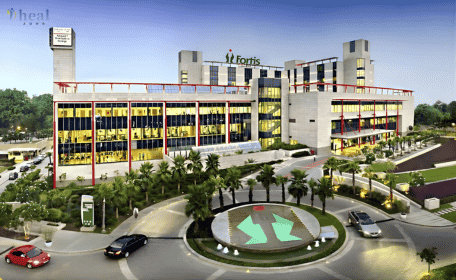
Fortis Memorial Research Institute (FMRI) Gurugram
Sector - 44, Opposite HUDA City Centre, Gurugram, Haryana 122002

Max Super Speciality Hospital, Saket
Press Enclave Marg, Saket, New Delhi, Delhi 110017
Factors Affecting IVF (In Vitro Fertilization) Cost in India
IVF (In Vitro Fertilization) pricing depends on several clinical and logistical factors:
- Age of the female partner
- Ovarian reserve and AMH levels
- Requirement of donor sperm or eggs
- Laboratory technology (laser hatching, time?lapse embryo monitoring)
- Number of cycles required
- Use of genetic testing or advanced sperm selection
- Clinic reputation and city location
Cost Comparison: IVF (In Vitro Fertilization) in India vs Other Countries
India offers one of the most affordable IVF treatments worldwide.
|
Country |
Cost per IVF Cycle |
|
USA |
$12,000 – $18,000 |
|
UK |
$8,000 – $12,000 |
|
UAE |
$6,000 – $10,000 |
|
Thailand |
$6,000 – $9,000 |
|
Turkey |
$4,000 – $7,000 |
|
India |
$3,500 – $4,500 |
Patients save 60–80% by opting for IVF treatment in India.
Types of IVF (In Vitro Fertilization) Procedures Performed in India
Conventional IVF (In Vitro Fertilization)
This is the standard IVF technique most couples start with.
How it works:
- The woman takes hormone injections to develop multiple eggs.
- Eggs are collected and mixed with sperm in a lab dish.
- The healthiest embryo is selected and transferred into the uterus.
Best for:
- Unexplained infertility
- Women with normal ovarian reserve
- Couples trying for the first time
ICSI (Intracytoplasmic Sperm Injection)
A more advanced form of IVF where a single healthy sperm is injected directly into the egg.
How it works:
- Embryologist selects one strong sperm under a microscope.
- Injects it into the egg to improve fertilization.
Best for:
- Low sperm count or poor sperm motility
- Male-factor infertility
- Previous IVF cycles with poor fertilization
IMSI (Intracytoplasmic Morphologically Selected Sperm Injection)
A refined version of ICSI using high-magnification imaging to pick the best-quality sperm.
How it works:
- Sperm is examined at very high zoom (6,000x).
- Only the healthiest sperm is used for injection.
Best for:
- Severe sperm abnormalities
- Recurrent IVF failure or miscarriages
IUI (Intrauterine Insemination)
Though not IVF, it is often offered in IVF centres as a simpler option.
How it works:
- Prepared sperm is placed inside the uterus during ovulation.
Best for:
- Mild sperm issues
- Cervical problems
- Couples wanting a less invasive option first
Donor Egg IVF
Used when the woman cannot produce healthy eggs.
How it works:
- Eggs are taken from a donor.
- Fertilized with the partner’s sperm.
- Embryos transferred into the woman’s uterus.
Best for:
- Poor ovarian reserve
- Premature menopause
- Women above 40–45
Donor Sperm IVF
Used when the male partner’s sperm is unsuitable.
How it works:
- Donor sperm from certified sperm banks is used for fertilization.
Best for:
- Azoospermia (no sperm)
- Very low sperm quality
- Genetic disorders in the male partner
Frozen Embryo Transfer (FET)
Embryos created earlier are frozen and later thawed for transfer.
How it works:
- Embryos are stored using vitrification.
- Transferred in a future cycle when the uterus is ready.
Best for:
- Patients needing time before pregnancy
- Previous fresh-cycle failure
- High risk of ovarian hyperstimulation (OHSS)
Blastocyst Transfer
Embryos are grown for 5–6 days until they reach the blastocyst stage, then transferred.
How it works:
- Allows selection of stronger embryos with higher pregnancy rates.
Best for:
- Couples wanting higher success chances
- Recurrent IVF failures
PGT / PGD (Preimplantation Genetic Testing)
Embryos are tested for genetic abnormalities before transfer.
How it works:
- A few cells are taken from the embryo.
- Tested for chromosomal or genetic disorders.
Best for:
- Recurrent miscarriage
- Family history of genetic disease
- Advanced maternal age
Mini IVF (Mild Stimulation IVF)
Uses fewer medications and produces fewer but better-quality eggs.
How it works:
- Low-dose hormone injections
- Less aggressive stimulation
Best for:
- Women with low ovarian reserve
- Those who prefer a gentler, lower-cost option
IVF with Donor Embryos
Both egg and sperm come from donors.
Best for:
- Couples where both partners have fertility issues
- Risk of genetic disease
IVF with Surrogacy
Embryos created from intended parents (or donors) are placed in a surrogate’s uterus.
Best for:
- Women unable to carry a pregnancy
- Repeated IVF failure
- Medical conditions like absent uterus, heart disease, etc.
Step-by-Step IVF (In Vitro Fertilization) Procedure in India
Initial Consultation
Medical history, fertility evaluation, and treatment planning.
Ovarian Stimulation
Hormone injections for 10–12 days to produce multiple eggs.
Monitoring
Regular ultrasounds and blood tests.
Egg Retrieval
A minor procedure under sedation.
Sperm Collection & Processing
Partner sperm or donor sperm.
Fertilization
Via IVF, ICSI, or IMSI.
Embryo Culture
Embryos develop for 3–5 days.
Embryo Transfer
One or two embryos are placed in the uterus.
Pregnancy Test
After 12–14 days.
Risks and Complications of IVF (In Vitro Fertilization) Treatment in India
IVF is generally safe, and India follows strict medical standards, like any medical procedure, there are certain risks to be aware of. Most of these can be managed when treatment is done in an experienced fertility center with proper monitoring.
Ovarian Hyperstimulation Syndrome (OHSS)
During IVF, fertility medicines stimulate the ovaries. Sometimes the ovaries respond too strongly, causing swelling, abdominal discomfort, nausea, or bloating.
Severe cases are rare and usually prevented with careful monitoring.
Multiple Pregnancy
IVF can increase the chances of twins or triplets if more than one embryo is transferred.
Multiple pregnancies carry higher risks such as early delivery, low birth weight, and pregnancy complications.
Ectopic Pregnancy
In some cases, the embryo may implant outside the uterus, usually in the fallopian tube.
It requires immediate medical attention but is uncommon.
Egg Retrieval Complications
The procedure to collect eggs is usually safe, but mild risks include infection, bleeding, or injury to nearby structures.
These are rare when done in a skilled IVF center.
Emotional and Psychological Stress
IVF can be emotionally demanding due to the pressure of treatment, cost, and repeated cycles.
Counseling and strong support help many patients cope better.
Miscarriage
The risk of miscarriage exists in IVF just like natural pregnancy.
Risk depends on age, embryo quality, and overall health.
Side Effects from Medications
Hormonal injections may cause mood swings, headaches, breast tenderness, or mild bloating.
These usually settle once the stimulation phase ends.
Birth Defects (Rare)
Studies show that IVF babies have only a slightly higher risk of certain congenital issues, but the overall risk remains low.
Most IVF babies are healthy.
Failed IVF Cycle
Even with the best doctors, IVF is not 100% guaranteed.
Success depends on age, egg quality, sperm quality, and the underlying cause of infertility.
Key Factors That Influence IVF (In Vitro Fertilization) Success Rates in India
IVF success depends on several personal and clinical factors. Age plays the most important role.
Maternal Age
- Under 35: Highest success (45%–55% per cycle)
- 35–40 years: Moderate success (30%–40%)
- Above 40: Lower success due to reduced egg quality (10%–20%)
Egg and Sperm Quality
Healthier eggs and sperm lead to stronger embryos and better implantation.
Uterine and Hormonal Health
A receptive uterus and balanced hormones improve chances of pregnancy.
Number and Quality of Embryos
High-grade embryos significantly increase success.
Lifestyle Factors
Smoking, alcohol, obesity, and stress can reduce IVF outcomes.
Previous Treatment History
Couples with repeated IVF failures may need advanced techniques like ICSI, PGT, or donor options.
Clinic Expertise
Experience of the IVF specialist, embryologist, and lab quality also influence results.
IVF (In Vitro Fertilization) for Single Mothers or Same-Sex Couples in India
India allows IVF treatment for:
- Single women
- Married heterosexual couples
Same sex couples may face legal restrictions in certain states; however, treatment options like donor sperm or donor eggs are accessible individually.
Recovery After IVF (In Vitro Fertilization) Treatment in India
Recovering after IVF is usually smooth, but every woman’s body responds differently. Most patients can return to light daily activities within a day or two, but it’s important to take things easy and follow your doctor’s guidance.
What to Expect After the Embryo Transfer?
- Mild cramping, bloating, or breast tenderness is common and usually settles on its own.
- You may feel emotional or tired due to hormonal changes—this is completely normal.
Activity and Lifestyle
- Gentle movement is fine, but avoid heavy exercise, lifting weights, or anything that puts strain on your abdomen.
- Get plenty of rest, stay hydrated, and eat balanced meals to support your body.
- Try to keep stress low; relaxation helps your overall well-being during this phase.
Medications
- You’ll continue prescribed hormonal support, such as progesterone, as directed by your fertility specialist.
- Do not skip or stop medications unless your doctor advises.
Travel and Work
- Many international patients stay in India for 10–14 days after embryo transfer for monitoring before traveling home.
- You can resume desk work in a day or two, but avoid physically demanding jobs.
When to Call Your Doctor?
Seek medical help if you experience:
- Severe abdominal pain
- Heavy bleeding
- Difficulty breathing
- Sudden weight gain or swelling (possible signs of OHSS)
Pregnancy Test
- A blood test (beta hCG) is usually done 12–14 days after the embryo transfer to confirm pregnancy.
Do’s and Don’ts During IVF (In Vitro Fertilization) Treatment in India
Do’s
- Eat healthy, balanced meals with plenty of fruits, vegetables, and protein.
- Stay hydrated and drink enough water throughout the day.
- Take your prescribed medications on time without skipping doses.
- Get adequate sleep to support hormone balance.
- Stay positive and reduce stress, as emotional health plays a big role.
- Attend all scheduled scans and follow-up visits to track progress.
Don’ts
- Avoid smoking, alcohol, and caffeine in excess, as they can reduce success rates.
- Don’t engage in heavy exercise, running, or lifting weights.
- Avoid hot baths, saunas, or steam rooms, which may affect implantation.
- Don’t self-medicate or take herbal supplements without approval from your doctor.
- Try not to overthink symptoms—every body reacts differently during IVF.
Lifestyle and Diet Recommendations for IVF (In Vitro Fertilization) Success in India
- High?protein diet
- Omega?3 rich foods
- Iron and folate supplementation
- Adequate sleep
- Avoid junk foods, caffeine excess, and high sugar
Why Choose India for IVF (In Vitro Fertilization) Treatment?
- High Success Rates: Many top fertility centers in India use advanced techniques that improve chances of pregnancy.
- Affordable Treatment: IVF in India costs much less than in Western countries while maintaining strong medical standards.
- Experienced Fertility Specialists: India has highly trained IVF doctors who handle a wide range of complex fertility cases.
- Advanced Technology: Clinics offer modern options like ICSI, IMSI, ERA testing, donor programs, and embryo freezing.
- Shorter Waiting Times: Patients usually receive quick appointments, fast testing, and timely treatment cycles.
- Personalized Care: Many centers provide tailored treatment plans and one-on-one support throughout the process.
- International Patient Support: Assistance with travel, stay, documentation, and coordination makes the process easier for overseas patients.
- Ethical and Transparent Practices: Most reputed centers follow strict medical standards, safety protocols, and clear pricing.
How Healzone Helps International IVF (In Vitro Fertilization) Patients in India?
Healzone offers full?service medical tourism support including:
- Personalized Treatment Guidance: Healzone connects you with leading IVF specialists and clinics based on your medical condition, preferences, and budget, making the decision process easier and stress-free.
- Transparent Cost Estimates: You receive clear, upfront IVF cost breakdowns, including tests, procedures, medications, and travel/stay expenses—so you can plan your budget confidently with no surprises.
- End-to-End Travel & Logistics Support: From visa assistance to airport pick-up, hotel recommendations, and hospital coordination, Healzone ensures a smooth and comfortable journey.
- Fast Appointment Scheduling: We help arrange quick consultations and priority appointments with top fertility experts, reducing waiting time for international patients.
- Dedicated Case Manager: Each patient gets a personal coordinator who stays in touch throughout the journey—helping with reports, appointments, and any assistance you need during treatment.
- Assistance With Medical Reports & Pre-IVF Evaluation: Healzone helps you share medical records with the doctor in advance so your IVF plan is ready before you arrive.
- Support During Treatment: We guide you through scans, injections, medications, procedures, and follow-ups, making the entire IVF process easier to navigate in a foreign country.
- Post-Treatment Follow-Up: After you return home, Healzone continues to support you with doctor communication, online consultations, and guidance for pregnancy care.
- Access to Accredited IVF Centers: We work only with trusted, certified fertility clinics known for high success rates, advanced technology, and ethical practices.
- Emotional & Cultural Support: We understand the emotional stress of IVF, especially for international patients, and provide compassionate guidance throughout your journey.
Healzone ensures a smooth, stress?free journey for international IVF patients seeking affordable and high?quality treatment in India.
Frequently Asked Questions
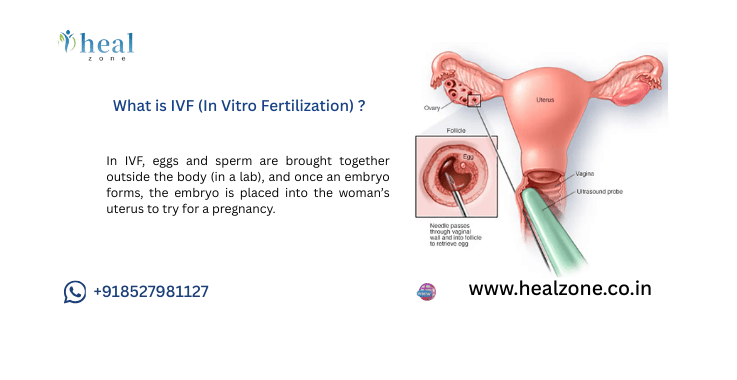
In Vitro Fertilization (IVF) is a process where eggs are fertilized by sperm outside the body and then implanted into the uterus to achieve pregnancy.
Couples or individuals facing fertility issues, including low sperm count, blocked fallopian tubes, unexplained infertility, or women with irregular ovulation.
Typically 4–6 weeks from ovarian stimulation to embryo transfer. Multiple cycles may be needed depending on individual cases.
Yes, several clinics in India provide IVF for single women and same-sex couples, with legal and procedural guidance.
A single IVF cycle usually ranges from $2,000 to $5,000, depending on the clinic, medications, and any additional procedures.
Typically 10–15 days for a single IVF cycle, including scans, procedures, and initial follow-ups.
We guide you through every step — scans, injections, procedures, medications, and follow-ups — making IVF in India easier to navigate from abroad.
