

Contact Us for Best Coxa Vara Deformity Treatment Hospitals in India
Best Coxa Vara Deformity Treatment Hospitals in India
India’s leading orthopaedic centres treat coxa vara with a full complement of services: dedicated paediatric operating rooms, 3D imaging and templating, intra-operative fluoroscopy, child-safe implants and specialist rehabilitation teams. The best hospitals in India for coxa vara hold NABH/JCI-level standards, run dedicated paediatric orthopaedics or deformity units, and provide international patient support (teleconsultation, visa assistance and bundled pricing). These hospitals perform corrective valgus osteotomies, proximal femoral reconstruction and staged limb-lengthening when needed, and offer long-term follow-up for growth-related changes.
Below is the list of the Best Coxa Vara Deformity Treatment Hospitals in India — pick an accredited, high-volume centre that fits your child’s clinical needs and travel plan.
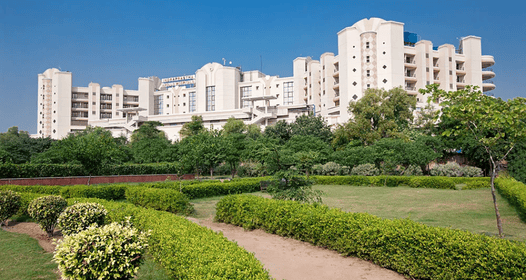
Indraprastha Apollo Hospital, New Delhi
 Indraprastha Apollo Hospital, NH-19, New Delhi
26
Specialities
710
Beds Facility
138
ICU Beds
1996
Established in

Medanta-The Medicity Gurgaon
CH Baktawar Singh Rd, Medicity, Islampur Colony, Sector 38, Gurugram, Haryana 122001
27
Specialities
1391+
Beds Facility
271+
ICU Beds
2009
Established in
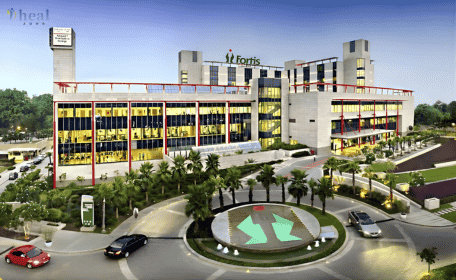
Fortis Memorial Research Institute (FMRI) Gurugram
Sector - 44, Opposite HUDA City Centre, Gurugram, Haryana 122002
26
Specialities
330+
Beds Facility
99+
ICU Beds
2001
Established in
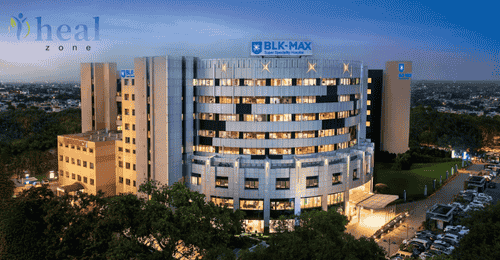
BLK-Max Super Speciality Hospital, New Delhi
Pusa Rd, Radha Soami Satsang, Rajinder Nagar, New Delhi, Delhi – 110005
26
Specialities
650+
Beds Facility
162+
ICU Beds
1959
Established in
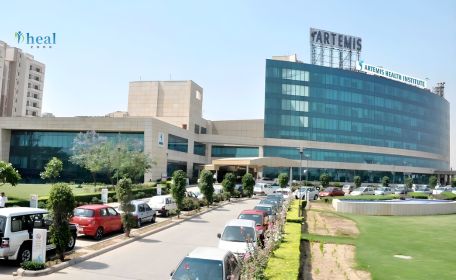
Artemis Hospital, Gurgaon
Sector 51, Gurugram, Bindapur, Haryana – 122001
26
Specialities
750
Beds Facility
185
ICU Beds
2007
Established in
Contact Us for Best Coxa Vara Deformity Treatment Hospitals in India
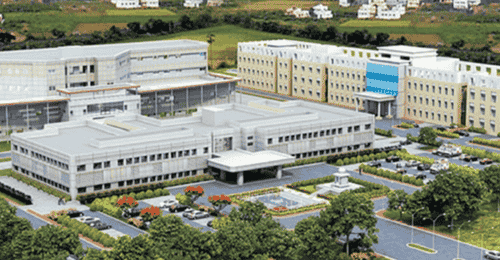
Gleneagles Global Health City, Chennai
439, Cheran Nagar, Sholinganallur, Perumbakkam, Chennai, Tamil Nadu 600100
26
Specialities
2100
Beds Facility
0
ICU Beds
0
Established in
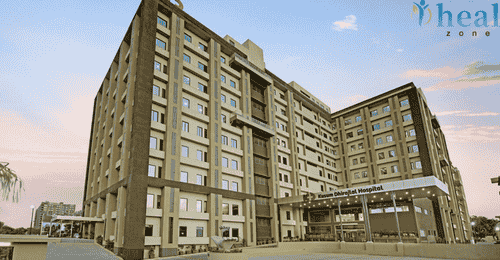
KD Hospital, Ahmedabad
Vaishnodevi Circle, Ahmedabad, Gujarat
26
Specialities
300
Beds Facility
0
ICU Beds
0
Established in

Metro Heart Institute with Multispeciality, Faridabad
Metro Heart Institute Sector 16 A, Faridabad (NCR) – 121002
26
Specialities
400
Beds Facility
30
ICU Beds
0
Established in
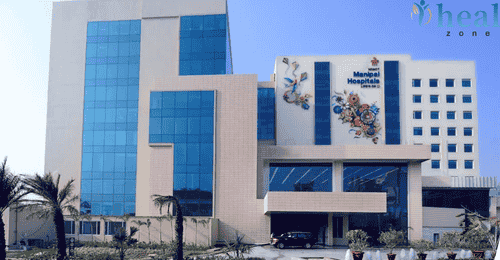
Manipal Hospital, Dwarka, New Delhi
Sector 6 Dwarka, Dwarka, Delhi, 110075
26
Specialities
380+
Beds Facility
118+
ICU Beds
2018
Established in

Amrita Hospital, Faridabad
Amrita Hospital, Faridabad, Haryana
26
Specialities
2600
Beds Facility
534
ICU Beds
2022
Established in
Contact Us for Best Coxa Vara Deformity Treatment Hospitals in India
Why Choose the Best Coxa Vara Deformity Treatment Hospitals in India?
Leading hospitals combine paediatric orthopaedic expertise, high case volumes in deformity correction, accredited governance and multidisciplinary teams (paediatric anaesthesia, orthotics, physiotherapy and gait labs). These factors together deliver reproducible surgical planning, safer anaesthesia for children and structured rehabilitation — key determinants of successful long-term outcomes. Many centres also engage in teaching, audits and publication of outcome series, reflecting transparency and continuous quality improvement.
Is quality compromised for cost?
No — India’s top tertiary centres maintain international accreditation (NABH, JCI) and use modern implants and evidence-based protocols while offering more affordable pricing due to different healthcare economics. Families should verify accreditation, surgeon experience and follow-up arrangements rather than choose solely on price.
What Advanced Technologies and Surgical Infrastructure Are Available?
Top hospitals provide:
- Digital radiography and 3D CT templating for precise pre-operative correction calculations.
- Intra-operative fluoroscopy for real-time alignment and fixation checks.
- Child-sized instrumentation and paediatric implant sets (locking plates, blade plates and pediatric screws).
- Orthotics and plaster workshops for post-op immobilization or specialised gait aids.
- Dedicated paediatric anaesthesia and peri-operative nursing for optimal safety in young patients.
- Rehabilitation suites and gait analysis labs at larger centres to personalise therapy and monitor recovery. These resources help to decrease complications, improve accuracy of correction and speed functional recovery.
What Are the Accreditations and Global Standards of These Hospitals?
Seek NABH certification (India’s national accreditation) and JCI accreditation where present — these indicate compliance with audited clinical governance, infection control, patient safety and administrative processes. Also check whether the hospital has a dedicated paediatric orthopaedics department and documented international-patient services.
What Comprehensive International Patient Care Is Provided?
Leading hospitals offer a full suite of services for international families:
- Pre-arrival teleconsultation and imaging review;
- Medical-visa letters and appointment scheduling;
- Airport pickup, interpreters and family accommodation coordination;
- Itemised treatment packages with transparent inclusion/exclusion lists;
- Structured telemedicine follow-up and coordination with local practitioners after the family returns home. These services provide continuity and make cross-border care practical and safe.
What Are the Treatment Success Rates and Outcomes for Patients?
With appropriate selection and precise correction, the majority of children undergoing valgus osteotomy for coxa vara achieve improved limb alignment, correction of limp and better hip mechanics. Contemporary reviews report overall success rates near 80–90% in many series, with some variability depending on etiology (congenital vs acquired), age at surgery and adequacy of correction. Complications can include loss of correction, hardware irritation, or, rarely, the need for revision — but proper planning and follow-up reduce risks.
How do centres report long-term outcomes?
High-quality centres provide longitudinal follow-up into adolescence and adulthood in many cases, assessing limb length, gait, hip congruency and the need for secondary procedures. Ask prospective hospitals for their published outcome data or anonymised case series when possible.
What Is the Surgery Cost Comparison of India with Other Countries?
Cost Comparison: India vs Other Countries (indicative ranges)
|
Country |
Average Cost (USD) — representative range |
|
USA |
$10,000 – $50,000+ |
|
UK |
$8,000 – $30,000+ |
|
Singapore |
$8,000 – $35,000+ |
|
India |
$2,500 – $12,000+ (depending on complexity and implants). |
Takeaway: India commonly offers 40–70% or greater cost savings for paediatric deformity surgery compared with Western centres, with accredited hospitals and specialist teams — a major factor for many international families balancing quality and affordability.
What Is the Rehabilitation and Tele-Follow-Up Procedure?
Rehabilitation and tele-follow up:
- Early inpatient rehab: pain control, gentle ROM and family education on transfers and wound care.
- Outpatient therapy: progressive strengthening, gait training, shoe lifts when needed, and monitoring for limb-length discrepancy.
- Long-term surveillance: periodic radiographs through growth to detect recurrence or residual dysplasia.
- Tele-medicine: virtual appointments permit radiograph review and functional assessment for international patients; hospitals assist in coordinating local physiotherapy to implement the centre’s protocols post-discharge. This hybrid model supports durable outcomes with minimal travel.
How HealZone Supports Global Patients?
HealZone provides end-to-end assistance so international families can safely access world-class coxa vara care in India:
- Clinical matching & verified surgeon profiles for the best doctor for coxa vara in India.
- Secure teleconsultation & image review to determine candidacy and an evidence-based plan.
- Transparent, itemised cost estimates and negotiation of international packages.
- Logistics & hospitality — visa letters, airport transfers, interpreters and family accommodation.
- On-ground case managers to navigate hospital admissions, therapy scheduling and post-op needs.
- Post-discharge tele-follow and coordination with local providers to ensure long-term success.
HealZone ensures clinical clarity, logistical support and accountable follow-up so families can focus on recovery.
Practical Next Steps for International Families:
- Collect records: recent X-rays (AP pelvis, frog-leg lateral), clinical notes, growth history and photos of gait.
- Request HealZone teletriage: upload images for an early expert opinion and proposed pathway (guided growth vs osteotomy).
- Obtain itemised quotes: include implant types, hospital stay, physiotherapy and tele-follow.
- Plan travel & recovery: allow 2–3 weeks for straightforward osteotomy or longer for staged/complex reconstructions.
- Arrange tele-follow: confirm structured remote reviews and local therapy liaison before travel.
