

Contact Us for Best Liver Cancer Treatment Hospitals in India
Best Liver Cancer Treatment Hospitals in India
India’s leading cancer hospitals offer advanced hepatobiliary programmes with dedicated liver surgery units, interventional radiology suites, pediatric and adult transplant services, PET-CT/ PET-MRI imaging, intraoperative ultrasound, and robotic hepatectomy capabilities. Many centres hold NABH and some JCI accreditations and provide comprehensive international patient services — from visa support and interpreters to coordinated aftercare and telemedicine follow-up.
Below is the list of the Best Hospitals in India for Liver Cancer or choose one of the top centres to receive a personalised treatment plan and cost estimate.



Indraprastha Apollo Hospital, New Delhi
 Indraprastha Apollo Hospital, NH-19, New Delhi
26
Specialities
710
Beds Facility
138
ICU Beds
1996
Established in

Medanta-The Medicity Gurgaon
CH Baktawar Singh Rd, Medicity, Islampur Colony, Sector 38, Gurugram, Haryana 122001
27
Specialities
1391+
Beds Facility
271+
ICU Beds
2009
Established in

Fortis Memorial Research Institute (FMRI) Gurugram
Sector - 44, Opposite HUDA City Centre, Gurugram, Haryana 122002
26
Specialities
330+
Beds Facility
99+
ICU Beds
2001
Established in

BLK-Max Super Speciality Hospital, New Delhi
Pusa Rd, Radha Soami Satsang, Rajinder Nagar, New Delhi, Delhi – 110005
26
Specialities
650+
Beds Facility
162+
ICU Beds
1959
Established in

Artemis Hospital, Gurgaon
Sector 51, Gurugram, Bindapur, Haryana – 122001
26
Specialities
750
Beds Facility
185
ICU Beds
2007
Established in
Contact Us for Best Liver Cancer Treatment Hospitals in India

Gleneagles Global Health City, Chennai
439, Cheran Nagar, Sholinganallur, Perumbakkam, Chennai, Tamil Nadu 600100
26
Specialities
2100
Beds Facility
0
ICU Beds
0
Established in
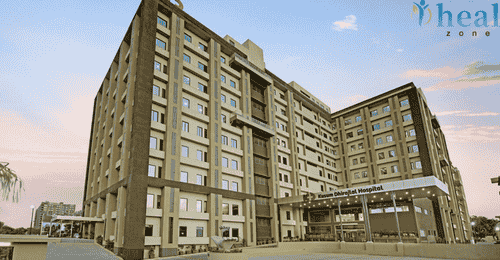
KD Hospital, Ahmedabad
Vaishnodevi Circle, Ahmedabad, Gujarat
26
Specialities
300
Beds Facility
0
ICU Beds
0
Established in

Metro Heart Institute with Multispeciality, Faridabad
Metro Heart Institute Sector 16 A, Faridabad (NCR) – 121002
26
Specialities
400
Beds Facility
30
ICU Beds
0
Established in

Manipal Hospital, Dwarka, New Delhi
Sector 6 Dwarka, Dwarka, Delhi, 110075
26
Specialities
380+
Beds Facility
118+
ICU Beds
2018
Established in

Amrita Hospital, Faridabad
Amrita Hospital, Faridabad, Haryana
26
Specialities
2600
Beds Facility
534
ICU Beds
2022
Established in
Contact Us for Best Liver Cancer Treatment Hospitals in India
Why Choose the Best Hospitals in India for Liver Cancer?
The best Indian hospitals offer multidisciplinary liver cancer programmes that integrate hepatology, hepatobiliary surgery, transplant surgery, interventional radiology, medical oncology and radiation oncology. These centres emphasise evidence-based protocols, prehabilitation, ERAS (enhanced recovery after surgery) pathways, and infection control — all of which improve outcomes and shorten hospital stay. JCI and NABH accreditation signals adherence to international patient safety and quality standards.
What Are the Advanced Technologies and Surgical Infrastructure Available?
Top Indian liver cancer centres commonly have:
- High-resolution multiphase CT and MRI scanners and PET-CT/PET-MRI for staging and surgical planning.
- Hybrid operating rooms and dedicated hepatobiliary theatres with intraoperative ultrasound.
- Robotic platforms enabling precision parenchymal-sparing resections.
- State-of-the-art angiography suites for TACE and Y-90 radioembolization.
- Dedicated transplant ICUs with experienced anaesthesia and critical care teams.
- Onsite pathology, molecular diagnostics and multidisciplinary tumour board review systems.
These technologies reduce operative blood loss, shorten recovery and expand minimally invasive options for patients who previously required large open operations.
What Are the Accreditations and Global Standards of These Hospitals?
Many top institutions hold NABH accreditation and some have JCI certification, indicating compliance with robust safety, governance and patient rights standards. Hospitals also often participate in international registries and clinical trials and maintain affiliations with global cancer networks that help standardise care pathways to international benchmarks.
What Comprehensive International Patient Care Is Provided?
International patient services are standard at major Indian centres and include:
- Visa invitation letters, fast-track appointments and multilingual coordinators.
- Airport pickup, curated accommodation near the hospital, and local transportation.
- Concierge services for family members, nutrition planning and interpreters.
- Financial counselling and transparent billing with pre-admission cost estimates.
- Telemedicine and e-medical records for continuity of care once the patient returns home.
What Are the Treatment Success Rates and Outcomes for Patients?
Success rates are highly stage-dependent. When HCC is caught early and patients have preserved liver function, curative options (resection or transplant) can offer substantial long-term survival, often similar to global standards reported in peer-reviewed literature. Locoregional therapies and systemic advances have improved control of intermediate and advanced disease, extending survival and quality of life. Indian centres publish institutional outcome data and report improved perioperative mortality and enhanced long-term survival with modern surgical and perioperative care.
What Is the Surgery Cost Comparison of India with Other Countries?
Cost Comparison: India vs Other Countries (illustrative averages)
|
Country |
Average Cost (USD) |
|
USA |
$60,000 – $150,000 (hepatic resection / transplant range much higher) |
|
UK |
$30,000 – $90,000 |
|
Singapore |
$25,000 – $80,000 |
|
India |
$3,000 – $40,000 (depending on procedure — resection at lower end, transplant at higher end). |
India typically offers 60–70% cost advantage while many hospitals match international clinical protocols and accreditation standards.
What Is the Rehabilitation and Tele-Follow-Up Procedure?
Rehabilitation is individualised and includes:
- Early mobilization, respiratory exercises and graded physiotherapy to prevent complications and speed functional recovery.
- Nutritional support to manage cirrhosis and promote tissue healing.
- Psychosocial support, smoking/alcohol cessation counselling and management of comorbidities.
- Telemedicine follow-up with hepatologists and oncologists to review lab results, imaging and therapy adjustments remotely.
- Long-term surveillance to detect recurrences early, with schedules based on tumour type and stage.
Tele-follow-up allows international patients to continue care with their India team without repeated travel.
How HealZone Supports Global Patients?
HealZone provides seamless support across the care journey:
- Shortlists accredited hospitals and top liver cancer doctors based on stage and needs.
- Obtains cost estimates and helps compare treatment packages.
- Arranges teleconsultations, imaging transfers and expedited appointments.
- Coordinates logistics: visa letters, airport transfers, accommodation and interpreters.
- Helps with donor evaluation logistics for living-donor transplants and coordinates long-term follow-up and remote prescription management.
This care coordination reduces delays to treatment — a critical factor in cancer outcomes.
Final Notes for International Patients, Practical Tips and Expectations:
- Bring Complete Records: Send CT/MRI images (DICOM preferred), pathology reports and previous treatment notes before travel for a rapid second opinion.
- Ask About Multidisciplinary Review: Confirm that a tumour board has reviewed your case; this ensures balanced planning across surgery, radiology and oncology.
- Understand the Cost Breakdown: Request a written estimate that includes surgeon fees, consumables (stents, embolic agents), ICU charges, medicines and transplant-related donor costs if applicable.
- Plan for Recovery Time: For resections allow 4–8 weeks and for transplant allow several months of phased recovery and monitoring. Telemedicine reduces the need for prolonged stays when appropriate.
- Vaccination and Infection Precautions: Ensure hepatitis vaccination status is known; follow hospital infection control guidance and preoperative optimization advice.
- Legal and Donor Considerations: For living-donor transplants, understand donor evaluation protocols, consent requirements and post-donor support policies
