

Contact Us for Best Genitourinary Cancer Treatment Hospitals in India
Best Genitourinary Cancer Treatment Hospitals in India
India’s leading tertiary hospitals and cancer centres offer comprehensive genitourinary (GU) oncology programs covering prostate, kidney, bladder, testicular and penile cancers. The Best Hospitals in India for GU Cancer Treatment provide advanced diagnostics (multiparametric MRI, PET-CT), robotic and laparoscopic operating theatres, high-dependency anaesthesia and ICU support, integrated radiation oncology (IMRT/VMAT), medical oncology clinics offering targeted and immunotherapies, and specialised rehabilitation and sexual-health support.
Here is the list of the Best Genitourinary Cancer Treatment Hospitals in India — choose a centre that suits your clinical needs and budget.



Indraprastha Apollo Hospital, New Delhi
 Indraprastha Apollo Hospital, NH-19, New Delhi
26
Specialities
710
Beds Facility
138
ICU Beds
1996
Established in

Medanta-The Medicity Gurgaon
CH Baktawar Singh Rd, Medicity, Islampur Colony, Sector 38, Gurugram, Haryana 122001
27
Specialities
1391+
Beds Facility
271+
ICU Beds
2009
Established in
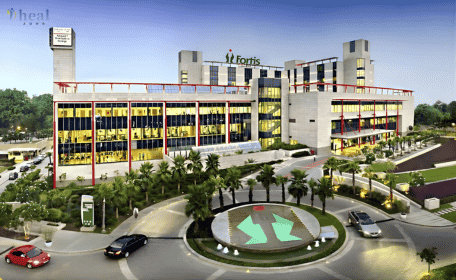
Fortis Memorial Research Institute (FMRI) Gurugram
Sector - 44, Opposite HUDA City Centre, Gurugram, Haryana 122002
26
Specialities
330+
Beds Facility
99+
ICU Beds
2001
Established in
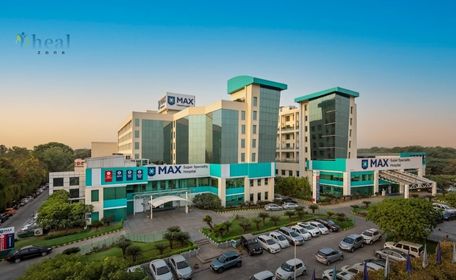
Max Super Speciality Hospital, Saket
Press Enclave Marg, Saket, New Delhi, Delhi 110017
26
Specialities
500
Beds Facility
267
ICU Beds
0
Established in

BLK-Max Super Speciality Hospital, New Delhi
Pusa Rd, Radha Soami Satsang, Rajinder Nagar, New Delhi, Delhi – 110005
26
Specialities
650+
Beds Facility
162+
ICU Beds
1959
Established in
Contact Us for Best Genitourinary Cancer Treatment Hospitals in India
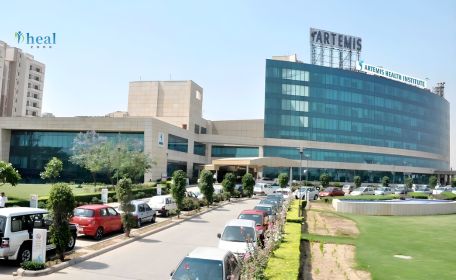
Artemis Hospital, Gurgaon
Sector 51, Gurugram, Bindapur, Haryana – 122001
26
Specialities
750
Beds Facility
185
ICU Beds
2007
Established in

Gleneagles Global Health City, Chennai
439, Cheran Nagar, Sholinganallur, Perumbakkam, Chennai, Tamil Nadu 600100
26
Specialities
2100
Beds Facility
0
ICU Beds
0
Established in
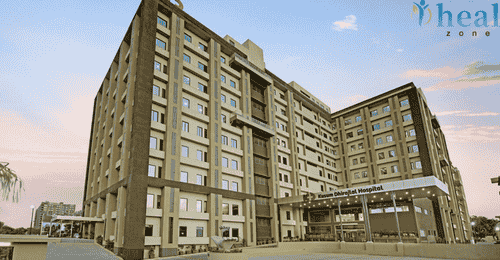
KD Hospital, Ahmedabad
Vaishnodevi Circle, Ahmedabad, Gujarat
26
Specialities
300
Beds Facility
0
ICU Beds
0
Established in

Metro Heart Institute with Multispeciality, Faridabad
Metro Heart Institute Sector 16 A, Faridabad (NCR) – 121002
26
Specialities
400
Beds Facility
30
ICU Beds
0
Established in
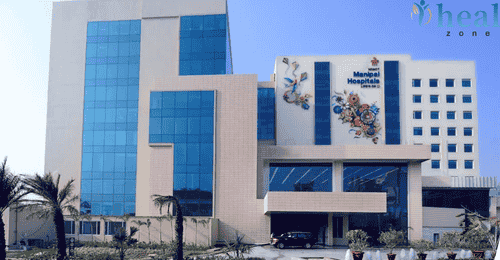
Manipal Hospital, Dwarka, New Delhi
Sector 6 Dwarka, Dwarka, Delhi, 110075
26
Specialities
380+
Beds Facility
118+
ICU Beds
2018
Established in
Contact Us for Best Genitourinary Cancer Treatment Hospitals in India
Why Choose the Best Genitourinary Cancer Treatment Hospitals in India?
The best hospitals in India offer multidisciplinary GU oncology programs combining surgical excellence, advanced diagnostics and integrated oncology services. High surgical volumes, availability of robotic platforms and experienced anaesthesia/intensive care support translate into improved perioperative outcomes. Accreditation (NABH and in some cases JCI) ensures standardised protocols, infection control and international-patient services. For international patients, Indian centres often provide faster access, bundled pricing and dedicated care coordinators—making India an attractive destination for high-quality, affordable GU cancer care.
What Are the Advanced Technologies and Surgical Infrastructure Available in These Hospitals?
Leading GU cancer hospitals in India invest in technologies that support precision oncology and safer surgery.
Brief paragraph then bullets:
- Robotic surgical systems for fine dissection and nerve preservation in prostate, kidney and bladder surgery; widespread adoption has increased procedural precision and decreased blood loss. Recent hospital reports highlight substantial robotic case volumes.
- Multiparametric MRI and PSMA-PET imaging to improve prostate cancer lesion detection and recurrence mapping.
- High-definition endoscopy and TURBT suites with bipolar/laser energy for bladder disease management.
- Interventional radiology for percutaneous ablation, embolisation and image-guided biopsies.
- Modern radiation oncology (IGRT, IMRT, SBRT) for organ-preserving radiation strategies and palliation.
- Enhanced recovery after surgery (ERAS) pathways and specialised rehabilitation services (continence, sexual health, stoma care).
These technologies enable evidence-based, organ-sparing care and faster rehabilitation.
What Are the Accreditations and Global Standards of These Hospitals?
Top hospitals typically hold NABH accreditation, and some also have JCI recognition or international affiliations. Accreditation demonstrates compliance with clinical governance, safety, documentation and patient-centred services—key considerations for international patients evaluating treatment options.
What Are the Comprehensive International Patient Services Provided?
Hospitals that serve international patients typically provide end-to-end concierge services.
Brief paragraph then bullets:
- Pre-arrival teleconsultations and image/pathology review to plan treatment and reduce in-country wait times.
- Visa invitation letters, airport pickup and priority appointment scheduling for urgent cases.
- Dedicated international-patient desks for billing transparency, interpreters and accommodation coordination.
- Concierge services to assist with local travel, family logistics and pharmacy access.
- Telemedicine and outgoing referrals to coordinate local care once patients return home.
These services are crucial to streamline complex cancer care pathways for overseas patients.
What Are the Treatment Success Rates and Long-Term Outcomes?
Outcomes are stage and procedure dependent but have improved with modern techniques.
Brief paragraph then bullets:
- Prostate cancer: Excellent long-term control for localized disease with surgery or radiation; modern systemic therapies and PSMA-targeted approaches are improving outcomes for advanced disease. Institutional analyses in India show stage-matched survival comparable to international series when care is delivered at specialised centres.
- Kidney cancer: Early detection and nephron-sparing surgery provide good oncologic control with preserved renal function; targeted therapies and immunotherapy have extended survival for metastatic disease.
- Bladder cancer: NMIBC has high rates of disease control with TURBT and intravesical therapy; MIBC outcomes improve with neoadjuvant chemotherapy and cystectomy performed in high-volume centres. Comparative studies show perioperative outcomes improving with minimally invasive approaches.
- Testicular cancer: Among the best cure rates in oncology with modern chemo and surgical approaches.
Ask hospitals for centre-specific and stage-matched survival and functional outcomes when making decisions.
What Is the Surgery Cost Comparison of India with Other Countries?
Cost Comparison: India vs Other Countries (Representative)
|
Country |
Average Cost (USD) |
|
USA |
$30,000 – $200,000+ (varies by procedure & systemic therapy) |
|
UK |
$15,000 – $80,000 |
|
Singapore |
$12,000 – $60,000 |
|
India |
$3,000 – $20,000 |
India commonly offers a 60–70% cost advantage for complex GU oncology procedures while delivering accredited standards and experienced multidisciplinary care. Savings are more pronounced when generics are available for long-term systemic therapies; however, advanced immunotherapies and novel agents can still be expensive even in India. Always obtain itemised package quotes for accurate comparison.
What Is the Rehabilitation and Tele-Follow-Up Procedure?
Rehabilitation and structured follow-up maximise functional recovery and early detection of recurrence.
Brief paragraph then bullets:
- Pelvic-floor rehabilitation and continence services following prostatectomy; sexual-rehabilitation clinics and prosthesis options for persistent dysfunction.
- Renal functional monitoring and lifestyle measures after partial nephrectomy to preserve kidney health.
- Stoma education and support following urinary diversion, with access to home-care nursing if required.
- Psychosocial and fertility counselling provided for testicular cancer patients and those needing gonadal preservation.
- Long-term telemedicine follow-up: imaging done locally can be shared with the treating team for remote review, reducing repeat travel.
Hospitals that serve international patients coordinate local testing, teleconsults and medication supply logistics to sustain follow-up.
How HealZone Supports Global Patients?
HealZone Medical Tourism provides a full coordination service for international GU cancer patients.
Brief paragraph then bullets:
- Personalised hospital & surgeon matching based on cancer type, stage, surgeon volume and technology needs (robotics, PSMA imaging, transplant support).
- Pre-travel case review and teleconsultations to create a treatment timeline and itemised cost plan.
- Concierge logistics: visa invitation letters, priority appointments, airport pickup, accommodation and interpreter services.
- Transparent cost estimates and finance guidance for surgery, systemic therapy and long-term medication procurement.
- Postoperative coordination and telemedicine follow-up to support surveillance and rehabilitation after the patient returns home.
HealZone acts as the single point of contact to simplify clinical and logistical complexity so patients can focus on care and recovery.
Practical Closing Guidance for International Patients:
- Gather complete medical records (imaging, biopsy/pathology, prior interventions) before contacting centres — remote reviews speed planning.
- Ask for centre- and surgeon-specific outcomes (oncologic control, continence and potency rates, renal preservation stats) — volume matters.
- Clarify whether robotic surgery is necessary for your case and compare surgeon experience rather than technology alone.
- Request itemised cost estimates including hospital stay, implants/diversions, systemic therapy and initial post-op rehab to avoid surprises.
- Plan telemedicine follow-up and local testing arrangements for continuity of care after you return home.
India’s genitourinary oncology programmes combine experienced multidisciplinary teams, modern technology and cost-effective care that make the country an attractive choice for international patients. HealZone Medical Tourism can connect you with the best doctors for genitourinary cancer in India, prepare itemised cost options, arrange pre-travel teleconsultations and coordinate your entire clinical and logistical journey — from diagnosis through long-term follow-up. If you’d like a personalised shortlist of centres and estimated packages for your specific diagnosis, share your recent imaging and pathology reports and preferred cities for treatment and we’ll prepare a tailored plan.
