

Contact Us for Best Gastrointestinal Stromal Tumor (GIST) Treatment Hospitals in India
Best Gastrointestinal Stromal Tumor (GIST) Treatment Hospitals in India
Who are the Best Gastrointestinal Stromal Tumor (GIST) Treatment Hospitals in India?
The top doctors treating gastrointestinal stromal tumours (GIST) in India are surgical oncologists and medical oncologists who subspecialize in sarcomas and upper-GI malignancies, backed by expert pathologists and radiologists.
GIST specialists typically have:
- Fellowship training in GI surgical oncology or sarcoma care and many years of experience in complex resections.
- Expertise in minimally invasive (laparoscopic/robotic) and organ-preserving surgery when anatomically feasible.
- Proficiency in molecular diagnostics and targeted systemic therapy (imatinib, sunitinib, regorafenib and newer agents) and experience managing side effects and dose strategies.
- A record of multidisciplinary tumour-board management and involvement in clinical trials or registries.
International patients should prioritise centres where the team treats GISTs routinely, has access to reliable mutational testing and can coordinate surgery plus long-term targeted therapy.
What Is a Gastrointestinal Stromal Tumor (GIST)?
GIST is the most common mesenchymal (connective-tissue) tumour of the digestive tract. It arises from the interstitial cells of Cajal (or related precursor cells) and is biologically distinct from adenocarcinomas of the stomach or bowel.
- GISTs can occur anywhere along the GI tract but are most common in the stomach (?60%) and small intestine (?30%).
- They range from small, incidental, low-risk lesions to large, high-risk tumours that invade locally or metastasize—commonly to the liver and peritoneum.
- Unlike many solid tumours, GIST behaviour is strongly influenced by tumour size, mitotic rate and genetic mutation (KIT, PDGFRA and others).
What Causes GIST?
The majority of GISTs are driven by activating mutations in the KIT gene (approx. 70–80%) or PDGFRA gene (approx. 5–10%), which cause uncontrolled cell growth. A small subset is wild-type for these genes and may involve other pathways (SDH deficiency, BRAF, NF1, etc.). Most GISTs are sporadic; rare familial syndromes predispose to multiple GISTs.
- KIT and PDGFRA mutations are the main drivers and determine sensitivity to specific targeted drugs.
- Genetic syndromes (e.g., germline KIT mutations, NF1, Carney–Stratakis syndrome) are uncommon but important to recognise for family counselling.
- Environmental causes are not established—molecular changes are the dominant explanation.
What Are the Symptoms of GIST?
Symptoms depend on tumour size and location and may be non-specific.
Brief paragraph then bullets:
- Early or small GISTs are often asymptomatic and discovered incidentally on imaging or endoscopy.
- Larger GISTs can cause abdominal pain, a palpable mass, early satiety (if gastric), nausea, vomiting (if obstructing), or bleeding leading to anaemia.
- Rapid growth or rupture may cause sudden pain or intra-abdominal haemorrhage—an emergency.
Because symptoms are variable, timely specialist assessment is important when any unexplained GI mass or bleeding occurs.
What Are the Complications of GIST?
Complications are driven by local effects and metastatic spread.
- GI bleeding due to mucosal ulceration leading to anaemia or need for transfusion.
- Mass effect causing obstruction, compression of adjacent organs, or pain.
- Tumour rupture can seed the peritoneum and is associated with higher recurrence risk.
- Metastatic disease—most commonly to liver and peritoneum—requires systemic therapy and sometimes repeated interventions.
Effective planning and multidisciplinary care reduce the risk of avoidable complications such as inadvertent rupture during biopsy or surgery.
How Is GIST Diagnosed?
Diagnosis requires clinical evaluation, imaging, tissue diagnosis and molecular testing.
- Imaging: Contrast-enhanced CT scan of the abdomen and pelvis is the primary staging tool; MRI can be useful for liver lesions or pelvic tumours; PET-CT is useful to assess metabolic activity and early response to therapy.
- Endoscopy / Endoscopic ultrasound (EUS): Helpful for gastric and proximal small-bowel lesions; allows fine-needle aspiration (FNA) or core biopsy.
- Biopsy and pathology: Core or excisional biopsy (planned to avoid rupture) with immunohistochemistry—most GISTs are KIT (CD117)+ and DOG1+.
- Molecular testing: KIT and PDGFRA mutation testing is essential to guide systemic therapy choice and predict response. Other molecular markers (SDH, BRAF, NTRK) may be tested for rare subsets.
- Multidisciplinary review: A sarcoma tumour board integrates imaging, pathology, and clinical findings to plan surgery versus neoadjuvant therapy.
High-quality mutational testing should be available locally or via accredited reference labs; this is a cornerstone of personalised GIST care.
How Do India’s Top Doctors Diagnose and Treat GIST?
Indian centres follow international, evidence-based pathways that combine precise surgery with targeted systemic therapy.
- Resectable, low-risk GIST: Surgical excision with negative margins (R0 resection) is curative. For small gastric GISTs, stomach-sparing wedge resections or endoscopic approaches may be used. Lymph node dissection is rarely required.
- Resectable, high-risk or large GIST: Many centres discuss neoadjuvant imatinib (tyrosine kinase inhibitor) to shrink tumours, facilitate organ preservation, and reduce rupture risk; this strategy is guided by mutation status. After maximal response or plateau, surgery is performed.
- Unresectable or metastatic GIST: First-line systemic therapy with imatinib is standard for KIT-mutant disease. On progression, second-line sunitinib and third-line regorafenib are used, with additional newer agents (ripretinib, avapritinib) for select mutations and lines as available. Dose adjustments and management of adverse effects are routine components of care.
- Adjuvant therapy: For high-risk tumours after complete resection, adjuvant imatinib for 3 years reduces recurrence risk and is standard practice in appropriate patients.
- Role of interventional radiology and loco-regional therapy: Hepatic metastases may be managed with embolisation, ablation or selective surgeries in multidisciplinary settings. Palliative procedures relieve obstruction or bleeding.
- Surveillance: Regular CT scans and clinical follow-up are done at defined intervals to detect recurrence early.
Indian sarcoma centres adopt mutation-directed strategies and provide long-term follow-up and dose optimisation for TKIs to maximise outcomes and quality of life.
What Are the Available Treatment Options for GIST in India?
India offers the full contemporary GIST management armamentarium, often at more accessible cost for international patients.
- Curative surgery (R0 resection) for localized, resectable tumours—open, laparoscopic or robotic approaches based on tumour site and size.
- Endoscopic resection for select small gastric GISTs (EMR/ESD) in experienced centres.
- Neoadjuvant targeted therapy (imatinib) to downstage large or challenging tumours to allow organ-preserving surgery.
- Adjuvant imatinib for high-risk tumours after surgery (commonly given for three years).
- Systemic therapy for advanced disease: imatinib ? sunitinib ? regorafenib sequence and other newer agents for mutation-defined subgroups.
- Interventional and surgical metastasis management: hepatic metastasectomy, radiofrequency ablation, transarterial therapy for selected patients.
- Palliative care and symptom control integrated throughout for advanced disease stages.
Many Indian hospitals combine surgical skill with longstanding experience using TKIs and supportive services to deliver comprehensive GIST care.
What Types of Devices and Technologies Are Used?
GIST treatment utilises a range of diagnostic and therapeutic technologies.
- CT, MRI and PET-CT scanners for staging and response assessment.
- Endoscopic ultrasound (EUS) with biopsy needles for tissue diagnosis of gastric lesions.
- Laparoscopic and robotic surgical systems for minimally invasive resection and precise tissue handling to avoid rupture.
- Interventional radiology suites for percutaneous ablation or hepatic embolisation.
- Molecular diagnostic platforms (PCR, NGS panels) for mutation analysis (KIT, PDGFRA, SDH, BRAF).
- Outpatient infusion and monitoring facilities for managing side effects of targeted therapies and second-line agents.
Top centres combine these technologies with experienced teams to minimise complications and tailor treatment.
Why Choose India for GIST Treatment?
India is a compelling destination for international patients with GIST because of combined expertise, access to molecular diagnostics and favourable economics.
- Experienced multidisciplinary teams—surgeons, medical oncologists and sarcoma pathologists—who routinely manage GIST and collaborate within tumour boards.
- Access to mutation testing and targeted therapy (imatinib and subsequent lines), including availability of generic and branded options that improve affordability.
- Advanced surgical techniques (laparoscopy/robotics) and interventional radiology supporting organ-sparing resections.
- Cost advantage—surgery and long-term follow-up (including TKIs) are frequently more affordable than in many Western countries while maintaining high standards of care.
- International patient services—coordinated logistics, telemedicine and transparent pricing make planning easier for overseas patients.
These strengths make India attractive for patients searching best doctor for GIST in India and affordable GIST treatment in India.
What Are the Success Rates and Outcomes for GIST in India?
Outcomes depend on risk stratification, mutation status and treatment pathway.
- Localized, completely resected low-risk GIST has excellent long-term outcomes and many patients are effectively cured by surgery alone.
- High-risk tumours benefit from adjuvant imatinib; trial evidence supports improved recurrence-free survival and many centres adopt this practice for 3 years.
- Advanced GIST: Median survival has improved dramatically with TKIs; many patients achieve durable disease control for years with sequential targeted agents and selective surgical interventions.
- Mutation-directed therapy (e.g., recognising PDGFRA D842V resistance to imatinib) guides drug choice and improves outcomes; centres providing molecular diagnostics achieve better personalised results.
Indian tertiary centres report outcomes in line with international practice when patients receive guideline-based, mutation-directed care and long-term follow-up.
What Is the Cost of GIST Treatment in India?
Costs depend on surgery, need for molecular testing and long-term targeted therapy. Representative USD ranges for international patients:
|
Type of Procedure / Pathway |
Estimated Cost (USD) |
|
Diagnostic workup (CT, EUS with biopsy, labs, pathology) |
$600 – $2,000 |
|
Molecular mutation testing (KIT/PDGFRA/NGS panel) |
$200 – $1,000 |
|
Surgical resection (open/laparoscopic) |
$3,000 – $10,000 |
|
Robotic resection (where applied) |
$6,000 – $15,000 |
|
Neoadjuvant/adjuvant imatinib (per year) — generic options lower cost |
$1,000 – $10,000 (wide range by brand & dose) |
|
Advanced line agents (sunitinib, regorafenib, ripretinib, avapritinib) — per course |
$4,000 – $80,000 (depending on drug and duration; generics may reduce costs) |
|
Total pathway (diagnosis ? surgery ? adjuvant therapy) |
$6,000 – $30,000 (typical range) |
These are indicative ranges; affordability improves where high-quality generics or biosimilars are available. HealZone can obtain itemised quotes and compare package options across accredited hospitals.
How Long Is the Recovery Process?
Recovery depends on tumour site, surgery type and overall health.
- Small, endoscopically removed gastric GISTs: outpatient to short stay and rapid recovery within days to 2 weeks.
- Laparoscopic wedge resection or small-bowel resection: hospital stay roughly 2–5 days; recovery in 2–6 weeks.
- Open resections for large tumours or multivisceral surgery: hospital stay 7–14 days and full recovery over several months.
- If neoadjuvant imatinib is used, surgery is timed after maximal response; systemic therapy may continue post-op as adjuvant therapy.
- Long-term therapy: adjuvant or palliative TKIs require ongoing monitoring and periodic assessment for toxicity and response.
Physiotherapy, nutritional support and close outpatient monitoring ensure safer recovery and return to activity.
What Post-Treatment and Follow-Up Care Are Provided?
Long-term follow-up is a standard part of GIST management to detect recurrence early and manage chronic therapy.
Brief paragraph then bullets:
- Regular imaging (CT scans)—intervals depend on risk: high-risk tumours require closer surveillance than low-risk lesions.
- Clinical monitoring and laboratory tests for TKI toxicity (liver function, blood counts, blood pressure, etc.).
- Dose adjustments and side-effect management are handled by experienced medical oncologists to maintain quality of life.
- Re-intervention (surgery or loco-regional therapy) may be offered for limited metastatic disease after systemic control.
- Telemedicine and coordinated local testing for international patients reduce the need for frequent return travel; many centres offer long-term remote follow-up.
How HealZone Helps Patients with GIST?
HealZone Medical Tourism provides end-to-end support designed for international GIST patients.
- Doctor & hospital selection: Matches you with the best doctor for GIST in India and accredited sarcoma/GI centres with mutational testing and long-term TKI experience.
- Pre-travel teleconsultation & second opinions: Facilitates remote pathology and imaging review so the team can plan neoadjuvant therapy or surgery before you arrive.
- Cost estimates & transparency: Provides itemised treatment packages including surgery, molecular tests and anticipated drug costs.
- Travel & visa assistance: Handles visa invitation letters, appointment scheduling, airport pickup and local accommodation for patient and family.
- Local support & interpreters: Helps with pharmacy access, home care and cultural liaison.
- Postoperative care & tele-follow-up: Coordinates remote clinics and local testing to maintain continuity of care after discharge.
HealZone’s coordinated approach reduces delays and simplifies long-term management for international patients with GIST.
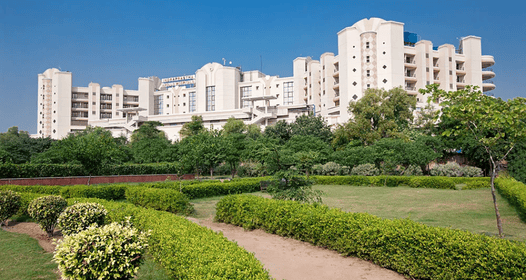


Indraprastha Apollo Hospital, New Delhi
 Indraprastha Apollo Hospital, NH-19, New Delhi
26
Specialities
710
Beds Facility
138
ICU Beds
1996
Established in

Medanta-The Medicity Gurgaon
CH Baktawar Singh Rd, Medicity, Islampur Colony, Sector 38, Gurugram, Haryana 122001
27
Specialities
1391+
Beds Facility
271+
ICU Beds
2009
Established in
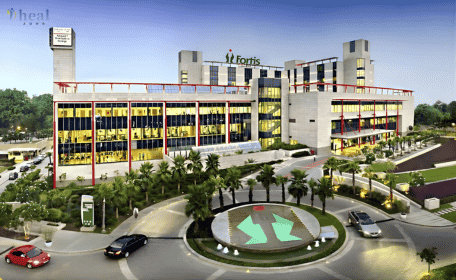
Fortis Memorial Research Institute (FMRI) Gurugram
Sector - 44, Opposite HUDA City Centre, Gurugram, Haryana 122002
26
Specialities
330+
Beds Facility
99+
ICU Beds
2001
Established in
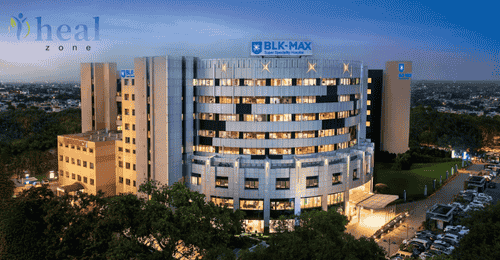
BLK-Max Super Speciality Hospital, New Delhi
Pusa Rd, Radha Soami Satsang, Rajinder Nagar, New Delhi, Delhi – 110005
26
Specialities
650+
Beds Facility
162+
ICU Beds
1959
Established in
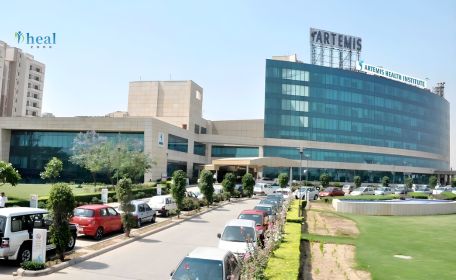
Artemis Hospital, Gurgaon
Sector 51, Gurugram, Bindapur, Haryana – 122001
26
Specialities
750
Beds Facility
185
ICU Beds
2007
Established in
Contact Us for Best Gastrointestinal Stromal Tumor (GIST) Treatment Hospitals in India

Gleneagles Global Health City, Chennai
439, Cheran Nagar, Sholinganallur, Perumbakkam, Chennai, Tamil Nadu 600100
26
Specialities
2100
Beds Facility
0
ICU Beds
0
Established in
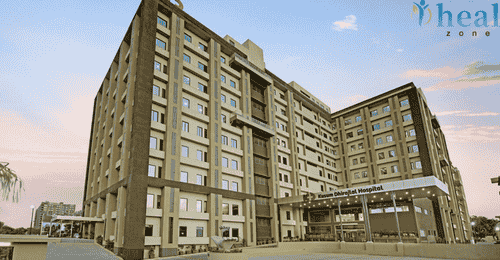
KD Hospital, Ahmedabad
Vaishnodevi Circle, Ahmedabad, Gujarat
26
Specialities
300
Beds Facility
0
ICU Beds
0
Established in

Metro Heart Institute with Multispeciality, Faridabad
Metro Heart Institute Sector 16 A, Faridabad (NCR) – 121002
26
Specialities
400
Beds Facility
30
ICU Beds
0
Established in
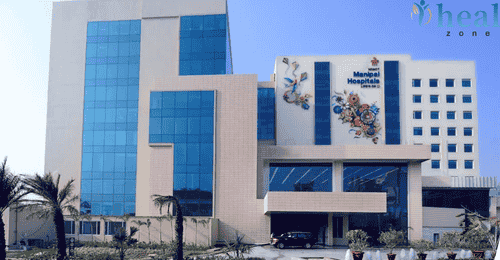
Manipal Hospital, Dwarka, New Delhi
Sector 6 Dwarka, Dwarka, Delhi, 110075
26
Specialities
380+
Beds Facility
118+
ICU Beds
2018
Established in

Amrita Hospital, Faridabad
Amrita Hospital, Faridabad, Haryana
26
Specialities
2600
Beds Facility
534
ICU Beds
2022
Established in
Contact Us for Best Gastrointestinal Stromal Tumor (GIST) Treatment Hospitals in India
Why Choose the Best Gastrointestinal Stromal Tumor (GIST) Treatment Hospitals in India?
The best hospitals in India provide integrated sarcoma programmes that combine surgical expertise, molecular diagnostics, interventional radiology and experienced medical oncology for TKI management. These centres convene dedicated sarcoma tumour boards to personalise therapy. For international patients, the combination of high clinical standards, availability of mutation testing and cost-effective access to long-term TKIs makes India a practical choice for comprehensive GIST care.
What Are the Advanced Technologies and Surgical Infrastructure Available?
Leading Indian sarcoma/GI centres are equipped with the technologies needed for modern GIST management.
- High-resolution CT, MRI and PET-CT for staging and assessing response to neoadjuvant therapy.
- Endoscopic ultrasound for safe tissue acquisition in gastric lesions.
- Laparoscopic and robotic platforms for precise, organ-sparing resections and reduced perioperative morbidity.
- Interventional radiology suites for hepatic ablation, embolisation and image-guided biopsies.
- Molecular diagnostic labs or partnerships offering KIT/PDGFRA testing and broader NGS panels when needed.
- Day-care and infusion units for safe administration and monitoring of targeted therapies.
This infrastructure reduces perioperative risk and enables personalised, mutation-directed systemic therapy.
What Are the Accreditations and Global Standards of These Hospitals?
Top hospitals hold NABH accreditation and many additionally pursue JCI recognition or equivalent international standards, confirming clinical governance, patient safety, and international-patient services. Accredited institutions typically maintain documented care pathways, infection control measures and patient feedback systems—important reassurance for overseas patients.
What Comprehensive International Patient Care Is Provided?
Hospitals that host international patients provide full concierge services.
- Pre-arrival teleconsultation and pathology/image review to streamline admission and plan treatment.
- Visa invitation letters and priority appointment scheduling for urgent cases.
- Airport pickup, local transportation and accommodation for patient and caregiver.
- Interpreter services and cultural liaison to smooth communication.
- Transparent bundled pricing for surgery, testing and initial drug supplies.
- Telemedicine follow-up and coordination with local physicians to reduce repeat travel.
These services are crucial for continuity of care for patients travelling long distances.
What Are the Treatment Success Rates and Outcomes for Patients?
GIST outcomes have improved with targeted agents and multidisciplinary care.
- Localized low-risk GIST: Surgery alone yields excellent long-term cure rates.
- High-risk localized GIST: Adjuvant imatinib reduces recurrence and improves recurrence-free survival; many centres adopt 3 years of therapy for high-risk cases.
- Metastatic GIST: Sequential TKIs offer prolonged disease control; median survival has improved substantially compared to the pre-TKI era and some patients achieve long-term stable disease.
- Mutation-directed therapy improves outcomes—e.g., PDGFRA D842V often resists imatinib but may respond to avapritinib in appropriate settings.
Treatment success rests on prompt mutation testing, appropriate surgical technique, and adherence to long-term surveillance.
What Is the Surgery Cost Comparison of India with Other Countries?
Cost Comparison: India vs Other Countries (Representative)
|
Country |
Average Cost (USD) |
|
USA |
$30,000 – $150,000+ (varies with complexity & long-term drug costs) |
|
UK |
$20,000 – $80,000 |
|
Singapore |
$15,000 – $60,000 |
|
India |
$4,000 – $30,000 |
India often offers 60–70% cost advantage for comparable surgery and early follow-up care, and substantial savings on long-term drug costs when generics are available. Exact savings vary by hospital tier, choice of drug (branded vs generic) and duration of therapy.
What Is the Rehabilitation and Tele-Follow-Up Procedure?
Rehabilitation and remote follow-up are integral to long-term outcomes.
- Early mobilisation and physiotherapy after abdominal surgery to reduce complications and speed recovery.
- Nutritional support for patients with gastric or small-bowel resections to optimise recovery and tolerance to systemic therapy.
- Regular imaging schedule tailored to risk: high-risk patients require closer surveillance.
- Telemedicine: imaging can be done locally and reports uploaded for remote review; medication monitoring and toxicity management are often handled via tele-consults.
- Access to local pharmacies or hospital supply chains to ensure continuous access to TKIs after travel.
These services help international patients maintain uninterrupted therapy and early detection of recurrence.
How HealZone Supports Global Patients?
HealZone Medical Tourism provides practical, clinical and logistical support to make GIST care in India safe and straightforward.
- Specialist matching: connects you with the best doctor for GIST in India based on tumour site, size and mutation profile.
- Pre-treatment planning: arranges teleconsultations, remote pathology review and treatment scheduling to minimise delays.
- Transparent cost & package planning: itemised proposals covering diagnostics, surgery and initial drug supply.
- Travel and visa logistics: visa letters, appointment coordination, airport pickup and family accommodation.
- On-ground coordination: interpreter services, pharmacy navigation and local transfers during treatment.
- Post-treatment continuity: tele-follow-up, local imaging coordination and assistance with long-term drug procurement.
HealZone acts as a single point of contact so patients and families can focus on treatment and recovery.
Closing Practical Advice for International Patients:
- Obtain full imaging and histopathology (CT/MRI/PET-CT, EUS reports, biopsy slides) before contacting centres. Pre-travel review speeds planning.
- Ask for mutation testing (KIT/PDGFRA/NGS) because treatment choices and expected responses depend on molecular results.
- Discuss neoadjuvant imatinib if your tumour is large or anatomically challenging—this can enable organ-preserving surgery.
- Request an itemised cost estimate that includes surgery, mutation testing and at least an initial supply of TKI medication. Clarify branded vs generic options and ongoing drug procurement.
- Plan for long-term follow-up and confirm telemedicine options to avoid frequent return trips.
GIST is a model of precision oncology: a correct diagnosis, reliable mutation testing and coordinated surgery plus targeted therapy often transform the outlook. India provides experienced teams, molecular diagnostics and cost-effective therapy options that make world-class GIST care accessible to international patients. If you’d like, HealZone can prepare a personalised shortlist of GIST specialists and hospitals in India with estimated costs, timelines and a suggested travel plan — share your imaging and pathology reports and we’ll get started.
