

Contact Us for Best Eye Cancer Treatment Hospitals in India
Best Eye Cancer Treatment Hospitals in India
India’s top centres for ocular oncology provide the infrastructure and multidisciplinary care necessary for safe, modern eye cancer treatment. The Best Hospitals in India for Eye Cancer Treatment combine dedicated ocular oncology units, advanced imaging (ultra-high-resolution ocular ultrasound, OCT, MRI), radiation oncology for plaque brachytherapy and external beam radiotherapy, and pediatric oncology services for retinoblastoma. Many of these hospitals hold NABH and JCI standards, and they have dedicated international-patient teams to coordinate travel, visas, and aftercare.
Here is the list of the Best Eye Cancer Treatment Hospitals in India — pick one that matches your clinical needs and budget.
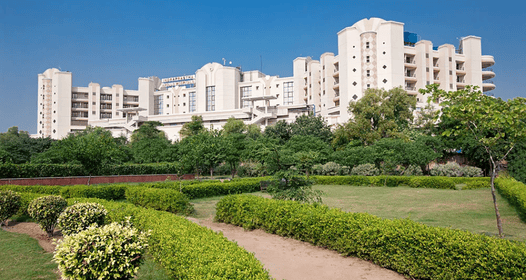
Indraprastha Apollo Hospital, New Delhi
 Indraprastha Apollo Hospital, NH-19, New Delhi
26
Specialities
710
Beds Facility
138
ICU Beds
1996
Established in

Medanta-The Medicity Gurgaon
CH Baktawar Singh Rd, Medicity, Islampur Colony, Sector 38, Gurugram, Haryana 122001
27
Specialities
1391+
Beds Facility
271+
ICU Beds
2009
Established in
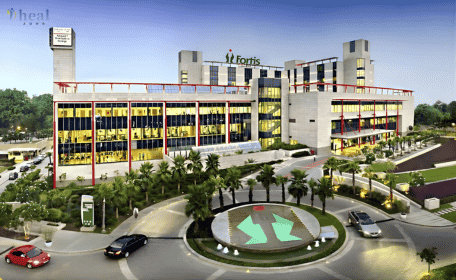
Fortis Memorial Research Institute (FMRI) Gurugram
Sector - 44, Opposite HUDA City Centre, Gurugram, Haryana 122002
26
Specialities
330+
Beds Facility
99+
ICU Beds
2001
Established in
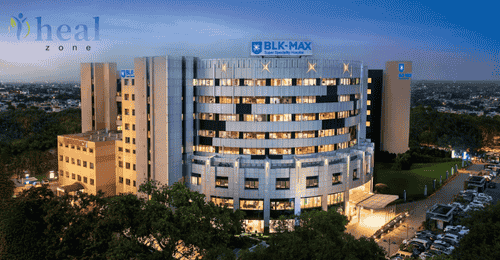
BLK-Max Super Speciality Hospital, New Delhi
Pusa Rd, Radha Soami Satsang, Rajinder Nagar, New Delhi, Delhi – 110005
26
Specialities
650+
Beds Facility
162+
ICU Beds
1959
Established in
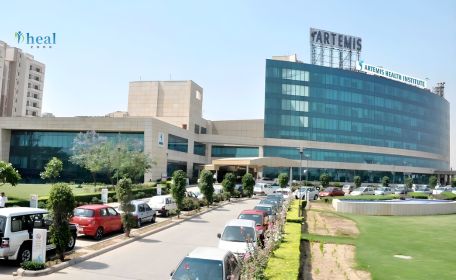
Artemis Hospital, Gurgaon
Sector 51, Gurugram, Bindapur, Haryana – 122001
26
Specialities
750
Beds Facility
185
ICU Beds
2007
Established in
Contact Us for Best Eye Cancer Treatment Hospitals in India
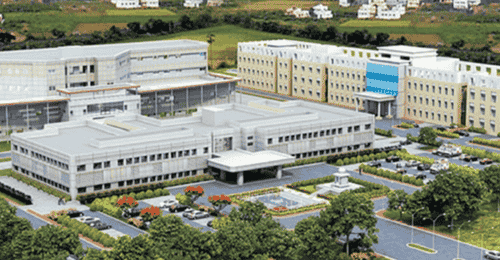
Gleneagles Global Health City, Chennai
439, Cheran Nagar, Sholinganallur, Perumbakkam, Chennai, Tamil Nadu 600100
26
Specialities
2100
Beds Facility
0
ICU Beds
0
Established in
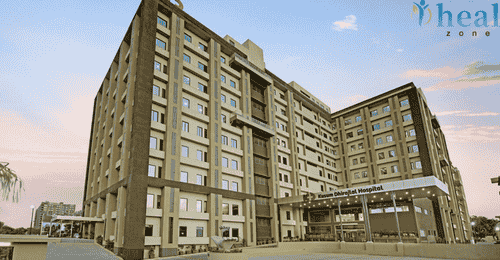
KD Hospital, Ahmedabad
Vaishnodevi Circle, Ahmedabad, Gujarat
26
Specialities
300
Beds Facility
0
ICU Beds
0
Established in

Metro Heart Institute with Multispeciality, Faridabad
Metro Heart Institute Sector 16 A, Faridabad (NCR) – 121002
26
Specialities
400
Beds Facility
30
ICU Beds
0
Established in
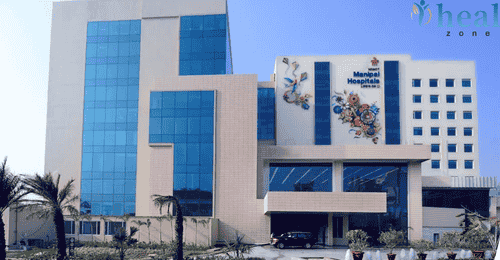
Manipal Hospital, Dwarka, New Delhi
Sector 6 Dwarka, Dwarka, Delhi, 110075
26
Specialities
380+
Beds Facility
118+
ICU Beds
2018
Established in

Amrita Hospital, Faridabad
Amrita Hospital, Faridabad, Haryana
26
Specialities
2600
Beds Facility
534
ICU Beds
2022
Established in
Contact Us for Best Eye Cancer Treatment Hospitals in India
Why Choose the Best Eye Cancer Treatment Hospitals in India?
The best hospitals in India for eye cancer offer multidisciplinary teams (ocular oncology, pediatric oncology, radiation oncology, interventional radiology, ocular pathology), modern operating rooms, advanced imaging and dedicated eye cancer programs. These centres balance oncologic control with vision preservation, and they provide patient-centric services tailored for international patients: simplified appointment scheduling, dedicated international wards, and transparent billing. For global patients searching Top hospital for eye cancer in India or Best ophthalmic oncology hospital in India, these institutions are reliable partners for high-quality, affordable care.
What Are the Advanced Technologies and Surgical Infrastructure Available?
Leading Indian ocular oncology hospitals provide:
- High-resolution ocular imaging: Ultrasound B-scan, A-scan, OCT, wide-field imaging and fundus autofluorescence for precise tumour mapping.
- Interventional radiology suites for IAC: Image-guided catheters for safe delivery of chemotherapy into the ophthalmic artery. Several Indian centres have established IAC programs with published outcomes.
- Plaque brachytherapy facilities: Beta and iodine plaque systems with experienced dosimetrists for customised treatment.
- Stereotactic radiosurgery/Gamma Knife: Available in tertiary centres for select indications (e.g., recurrent disease or difficult-to-access tumours). AIIMS and other centres have reported expanding radiosurgery applications in ocular tumours.
- Pediatric anesthesia and neonatal ICU support: Essential for safe treatment of infants with retinoblastoma undergoing anesthesia-dependent procedures.
- Ocular prosthetics and microvascular reconstructive expertise: For post-surgical rehabilitation and cosmetic restoration.
This high-end infrastructure enables precision therapy with reduced complications and faster recovery.
What Are the Accreditations and Global Standards of These Hospitals?
Top hospitals typically hold NABH accreditation and many also have JCI or other international recognitions—signals of robust governance, safety practices, infection control, and patient rights. Accredited ocular oncology units adhere to international clinical protocols and document outcomes, which is reassuring for international patients expecting consistent, evidence-based care. NABH maintains a list of accredited eye care organisations validating quality at the national level.
What Comprehensive International Patient Care Is Provided?
Hospitals focused on international care streamline the patient journey:
- Pre-travel teleconsultations and second opinions to plan diagnostics and estimate costs.
- Visa and travel assistance, airport pickup and hospital transfers.
- Interpreters and cultural liaison services to ease communication.
- Transparent cost packages with itemised inclusions for surgery, implants, hospital stay and follow-ups.
- Accommodation coordination for patients and accompanying family members near the hospital.
- Rehab and prosthetic services after enucleation or reconstructive surgery.
- Telemedicine follow-up and collaboration with physicians in the patient’s home country for ongoing surveillance.
These services reduce logistical stress and help families focus on treatment and recovery.
What Are the Treatment Success Rates and Outcomes for Patients?
Outcome data vary by tumour type and stage. Large Indian series document improved globe salvage and survival for retinoblastoma with modern protocols, including intravitreal and intra-arterial chemotherapy. For example, a multi-centre Indian series analysed thousands of retinoblastoma eyes and reported meaningful improvements in outcomes when managed according to current protocols.
For uveal melanoma, contemporary Indian cohorts report survival and metastasis rates in ranges comparable to global series when treated at specialised centres; structured follow-up and early intervention for liver metastases remain critical. Recent Indian literature highlights favourable survival outcomes in some cohorts and underscores the importance of surveillance.
What Is the Surgery Cost Comparison of India with Other Countries?
Cost Comparison: India vs Other Countries (Representative)
|
Country |
Average Cost (USD) |
|
USA |
$40,000 – $120,000+ (complex eye cancer pathways) |
|
UK |
$25,000 – $80,000 |
|
Singapore |
$15,000 – $50,000 |
|
India |
$900 – $12,000 (depending on procedure) |
India frequently offers a 60–70% cost advantage for comparable procedures while maintaining high clinical standards, making it a preferred destination for patients seeking affordable healthcare in India without sacrificing quality. Typical examples include plaque brachytherapy or enucleation, where costs in India can be a fraction of Western prices.
What Is the Rehabilitation and Tele-Follow-Up Procedure?
Rehabilitation is integrated into the hospital pathway:
- Visual rehabilitation: Low-vision aids, occupational therapy and training for activities of daily living.
- Prosthetic rehabilitation: Custom orbital prosthesis and fitting services after enucleation; this process includes interim conformer placement and later definitive prosthesis fabrication (weeks to months).
- Physiotherapy and psychosocial support: For orbital and facial reconstruction cases; counselling for families affected by childhood cancers.
- Tele-follow-up: Digital clinics and teleconsultation reduce the need for long international travel for routine checks; hospitals coordinate imaging locally with home-country providers and review results remotely. Many Indian centres explicitly offer telemedicine continuity for international patients.
What Are the Key Hospitals and What Do They Offer?
India’s major multispecialty and eye hospitals host experienced ocular oncology programs: large academic centres and private tertiary hospitals provide comprehensive services—pediatric oncology units, radiation oncology, interventional radiology, and ocular prosthetics. Examples (representative, not exhaustive) include apex public centers and private multispecialty hospitals with NABH/JCI standards; these centres publish outcomes and maintain international patient services. When choosing a hospital, consider surgical volume, published outcomes, accreditations and the presence of a dedicated ocular oncology team.
How HealZone Supports Global Patients at the Hospital Level?
HealZone Medical Tourism partners with accredited hospitals to provide end-to-end support:
- Tailored hospital selection matching tumour type, required technology (IAC, brachytherapy, radiosurgery) and budget.
- Direct scheduling with ocular oncology teams and pre-arrival teleconsultation to shorten time to treatment.
- Transparent cost packages that include diagnostics, surgery, implants, hospital stay and prosthetic rehabilitation when needed.
- Coordination of postoperative care including telemedicine, imaging review and local liaison for adjuvant therapy.
- Long-term navigation for surveillance and metastatic work-up, connecting patients with liver oncology services if required.
HealZone’s role reduces delays and ensures high standards of clinical and non-clinical care for international patients.
Practical Advice for International Patients:
- Get a specialist ocular oncology opinion. Eye tumours require precise diagnosis and staging—obtain fundus images, ultrasound, and MRI before travel where possible.
- Ask about multidisciplinary tumour boards and published outcomes. Centres that discuss cases in tumour boards and publish results show commitment to quality.
- Clarify treatment plans and costs upfront. Request a written, itemised cost estimate including implant costs, radiation sessions, anesthesia and expected hospital stay.
- Plan for follow-up. Uveal melanoma requires long-term liver surveillance; retinoblastoma needs structured monitoring into childhood and adolescence. Confirm telemedicine availability for follow-up after you return home.
- Consider psychosocial needs. Eye cancer can be traumatic for families—ask about counselling, prosthetics and rehabilitation services.
Choosing care for eye cancer is a complex, emotional and time-sensitive decision. India’s ocular oncology centres combine skilled surgeons, advanced technology and cost advantages that make world-class, compassionate care accessible to international patients. If you are considering treatment, HealZone Medical Tourism can connect you with the best doctors for eye cancer in India and accredited hospitals that specialise in ocular oncology — providing a clear pathway from diagnosis to rehabilitation and long-term follow-up.
