

Contact Us for Best Brachial Plexus Palsy Treatment Hospitals in India
Best Brachial Plexus Palsy Treatment Hospitals in India
India’s top centres for brachial plexus palsy offer advanced microsurgery theatres, high-resolution nerve imaging, dedicated paediatric anaesthesia and comprehensive rehabilitation units. The best hospitals in India for brachial plexus palsy maintain NABH/JCI accreditation, run high-volume peripheral nerve programmes, and provide international-patient services including teleconsultation, visa support and bundled pricing. These hospitals perform early infant nerve repairs as well as complex adult reconstructions — from nerve grafting and neurotization to free-functional muscle transfers — backed by experienced physiotherapy and pain-management teams.
Below is the list of the Best Brachial Plexus Palsy Treatment Hospitals in India — choose an accredited centre that matches your medical needs and travel plan.
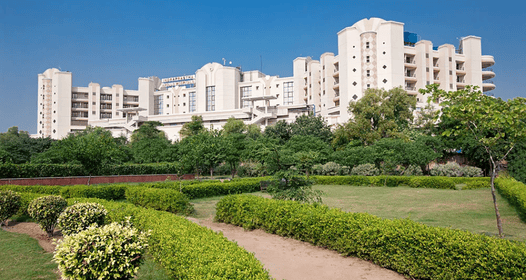
Indraprastha Apollo Hospital, New Delhi
 Indraprastha Apollo Hospital, NH-19, New Delhi
26
Specialities
710
Beds Facility
138
ICU Beds
1996
Established in

Medanta-The Medicity Gurgaon
CH Baktawar Singh Rd, Medicity, Islampur Colony, Sector 38, Gurugram, Haryana 122001
27
Specialities
1391+
Beds Facility
271+
ICU Beds
2009
Established in
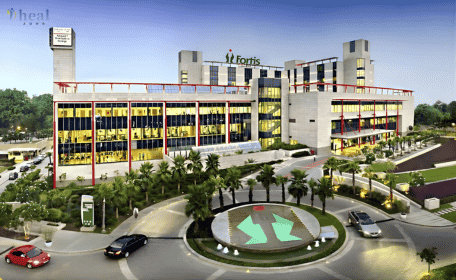
Fortis Memorial Research Institute (FMRI) Gurugram
Sector - 44, Opposite HUDA City Centre, Gurugram, Haryana 122002
26
Specialities
330+
Beds Facility
99+
ICU Beds
2001
Established in
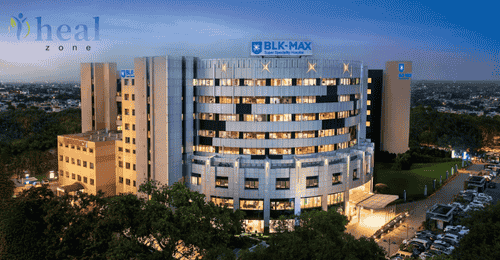
BLK-Max Super Speciality Hospital, New Delhi
Pusa Rd, Radha Soami Satsang, Rajinder Nagar, New Delhi, Delhi – 110005
26
Specialities
650+
Beds Facility
162+
ICU Beds
1959
Established in
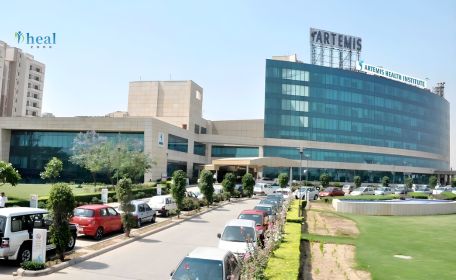
Artemis Hospital, Gurgaon
Sector 51, Gurugram, Bindapur, Haryana – 122001
26
Specialities
750
Beds Facility
185
ICU Beds
2007
Established in
Contact Us for Best Brachial Plexus Palsy Treatment Hospitals in India
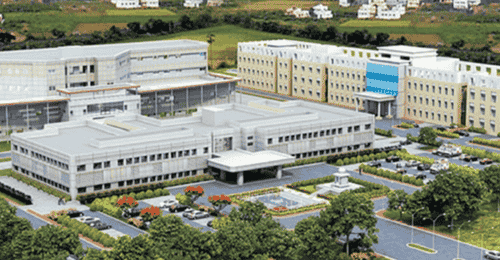
Gleneagles Global Health City, Chennai
439, Cheran Nagar, Sholinganallur, Perumbakkam, Chennai, Tamil Nadu 600100
26
Specialities
2100
Beds Facility
0
ICU Beds
0
Established in
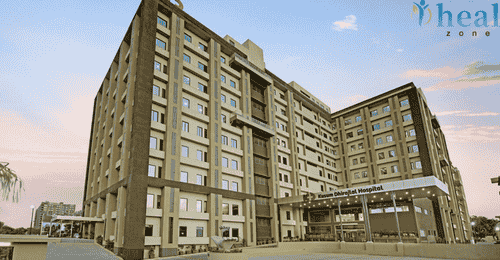
KD Hospital, Ahmedabad
Vaishnodevi Circle, Ahmedabad, Gujarat
26
Specialities
300
Beds Facility
0
ICU Beds
0
Established in

Metro Heart Institute with Multispeciality, Faridabad
Metro Heart Institute Sector 16 A, Faridabad (NCR) – 121002
26
Specialities
400
Beds Facility
30
ICU Beds
0
Established in
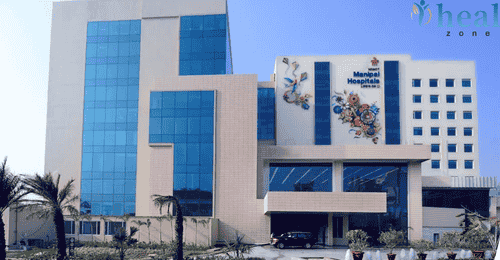
Manipal Hospital, Dwarka, New Delhi
Sector 6 Dwarka, Dwarka, Delhi, 110075
26
Specialities
380+
Beds Facility
118+
ICU Beds
2018
Established in

Amrita Hospital, Faridabad
Amrita Hospital, Faridabad, Haryana
26
Specialities
2600
Beds Facility
534
ICU Beds
2022
Established in
Contact Us for Best Brachial Plexus Palsy Treatment Hospitals in India
Why Choose the Best Brachial Plexus Palsy Treatment Hospitals in India?
The reasons for choosing the Best Hospitals in India for Brachial Plexus Palsy are:
- High surgical volumes and specialised teams: Centres that perform many peripheral nerve and brachial plexus procedures develop focused expertise that improves outcomes.
- Integrated multidisciplinary care: Radiology, neurophysiology, microsurgery, paediatric anaesthesia, intensive care (where needed), physiotherapy and pain management working together.
- High standards of safety: NABH and JCI accreditations at many hospitals assure standardised protocols, infection control and patient safety.
- Value and accessibility: Competitive pricing and international-patient programmes make advanced care accessible to families worldwide.
What are the Advanced Technologies and Surgical Infrastructure available?
The Advanced Technologies and Surgical Infrastructure available in India:
- Microsurgical operating microscopes and microinstruments for precise nerve coaptation.
- Intraoperative nerve stimulators and monitoring to confirm viable motor branches during nerve transfers.
- High-field MRI / MR myelography to detect root avulsion and preganglionic injury.
- Ultrasound for dynamic nerve and muscle evaluation in infants.
- Dedicated rehabilitation gyms with paediatric physiotherapy equipment and occupational-therapy suites.
These technologies and facilities reduce intraoperative uncertainty, speed accurate diagnosis and support intensive rehabilitation—all critical for better functional recovery.
What are the Accreditations and Global Standards of These Hospitals?
Look for hospitals that list:
- JCI (Joint Commission International) accreditation or NABH certification.
- ISO certifications and departmental recognitions.
- Active contributions to peer-reviewed literature and participation in international surgical societies. Accreditation and external audits indicate adherence to global quality standards for surgical safety, nursing, and infection control.
What are the Comprehensive International Patient Care Provided in These Hospitals?
Typical services for overseas families include:
- Pre-arrival teleconsultation with surgeons and case coordinators.
- Issuance of medical visa invitation letters and guidance on travel logistics.
- Airport transfer, interpreter services and a dedicated international-patient concierge.
- Transparent bundled pricing with clear inclusions (surgery, implants, physiotherapy, tests).
- Accommodation help, local SIM cards, currency exchange and day-to-day bilingual support.
- Teleconsultation and remote physiotherapy liaison after discharge. These services make the treatment journey less stressful for families travelling from abroad.
What are the Treatment Success Rates and Outcomes for the Patients?
Success is measured by regained muscle strength (especially elbow flexion and shoulder abduction), improved active range of motion, better functional scores and patient/caregiver satisfaction. For neonatal cases treated appropriately and early, many patients achieve good shoulder and elbow function; for adult traumatic plexus injuries, staged reconstructions can produce meaningful functional gains though the prognosis is generally less favourable than for infants. Published series from specialised centres show outcomes comparable to international literature when managed by experienced teams
What is the Surgery Cost Comparison of India with Other Countries?
Cost Comparison: India vs Other Countries (indicative averages)
|
Country |
Average Cost (USD) — representative range |
|
USA |
$25,000 – $100,000+ |
|
UK |
$15,000 – $60,000 |
|
Singapore |
$20,000 – $70,000 |
|
India |
$4,000 – $30,000+ |
Indian hospitals often provide equivalent surgical expertise and accredited care at approximately 60–70% lower cost (or more) compared with many Western centres — especially when bundled international-patient packages are considered. Always request an itemised package (surgeon fee, implants, hospital stay, rehab) to compare apples-to-apples.
What is the Rehabilitation and Tele-Follow-Up procedures?
The Rehabilitation and Tele-Follow-Up procedures are as follows:
- Inpatient rehabilitation: Early mobilisation, splintage protocols, and caregiver education begin during the hospital stay.
- Outpatient physiotherapy: Progressive strengthening, motor re-education and functional training spanning months to years, customised by age.
- Occupational therapy: Focuses on fine motor skill development, adaptive strategies and activities of daily living.
- Orthotic support: Custom splints and braces to protect joints until reinnervation is effective.
- Tele-rehab and remote follow-up: Virtual sessions enable continuity of care for international patients, with therapists providing home-programme supervision and the surgical team reviewing videos and EMG/radiology remotely.
This combined model ensures international patients receive both intensive initial rehabilitation in India and continued progress support after returning home.
How HealZone Supports Global Patients?
HealZone is positioned as a premium medical-tourism partner that coordinates clinical, logistical and aftercare needs end-to-end:
- Clinical matching & second opinion: We provide access to the best doctor for brachial plexus palsy in India and can arrange secure second opinions.
- Transparent packages & financing help: Itemised cost breakdowns and advice on insurance/medical loans where applicable.
- Logistics & hospitality: Visa documentation, hospital appointments, airport pickup, family accommodation and cultural support.
- On-ground case managers: A dedicated coordinator during the hospital stay to liaise with surgeons, therapists and hospitality staff.
- Postoperative tele-care: Ongoing teleconsults, therapy monitoring, and coordination with local providers so your child’s recovery continues smoothly after you return home.
HealZone’s role is to reduce uncertainty, provide timely information and ensure safe continuity of care across borders.
Practical Checklist for International Families (quick next steps):
- Collect clinical records: Recent clinical notes, EMG reports, MRI and photos/video of arm movements.
- Request a teleconsultation: Upload images for surgeon review; get a recommended treatment window and an estimated cost package.
- Confirm surgeon credentials & centre accreditation: Ask HealZone for surgeon profiles and hospital accreditation (NABH/JCI).
- Plan realistic recovery time: Prepare for 2–6 weeks in India for surgery and early rehab; continue therapy at home for months.
- Arrange tele-follow ups: Ensure ongoing remote access to the surgical and rehab team before you travel home.
