

Contact Us for Best Crigler-Najjar Syndrome Treatment Hospitals in India
Best Crigler-Najjar Syndrome Treatment Hospitals in India
India’s leading pediatric and liver centres provide coordinated care for Crigler–Najjar syndrome with neonatal intensive care units, phototherapy infrastructure, metabolic genetics services and transplant programmes. The best hospitals in India for Crigler–Najjar Syndrome maintain high standards of patient safety, multidisciplinary clinics, NABH-aligned governance and international patient facilitation. These centres offer immediate access to intensive phototherapy units, emergency exchange transfusion capability, molecular genetic testing, and liver transplant pathways (living-donor and deceased-donor) when required. Transparent international packages, telemedicine follow-up and family-centred support lower logistical burden for overseas patients while ensuring continuity of care.
Below is the list of the Best Crigler-Najjar Syndrome Treatment Hospitals in India commonly selected by international families.
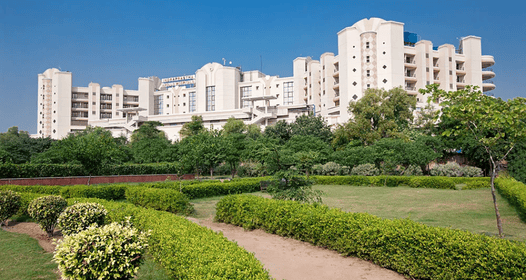
Indraprastha Apollo Hospital, New Delhi
 Indraprastha Apollo Hospital, NH-19, New Delhi
26
Specialities
710
Beds Facility
138
ICU Beds
1996
Established in

Medanta-The Medicity Gurgaon
CH Baktawar Singh Rd, Medicity, Islampur Colony, Sector 38, Gurugram, Haryana 122001
27
Specialities
1391+
Beds Facility
271+
ICU Beds
2009
Established in
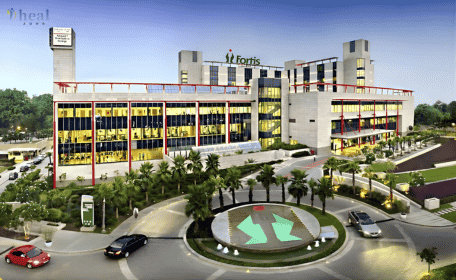
Fortis Memorial Research Institute (FMRI) Gurugram
Sector - 44, Opposite HUDA City Centre, Gurugram, Haryana 122002
26
Specialities
330+
Beds Facility
99+
ICU Beds
2001
Established in
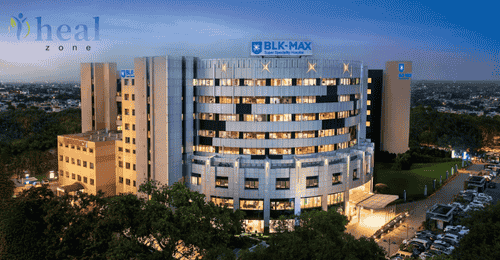
BLK-Max Super Speciality Hospital, New Delhi
Pusa Rd, Radha Soami Satsang, Rajinder Nagar, New Delhi, Delhi – 110005
26
Specialities
650+
Beds Facility
162+
ICU Beds
1959
Established in
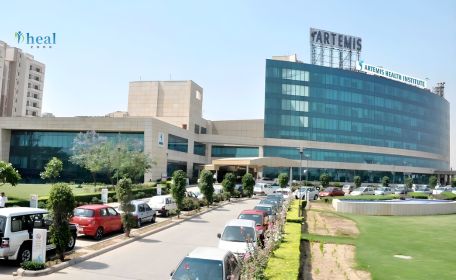
Artemis Hospital, Gurgaon
Sector 51, Gurugram, Bindapur, Haryana – 122001
26
Specialities
750
Beds Facility
185
ICU Beds
2007
Established in
Contact Us for Best Crigler-Najjar Syndrome Treatment Hospitals in India
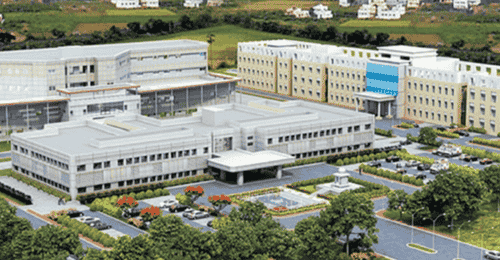
Gleneagles Global Health City, Chennai
439, Cheran Nagar, Sholinganallur, Perumbakkam, Chennai, Tamil Nadu 600100
26
Specialities
2100
Beds Facility
0
ICU Beds
0
Established in
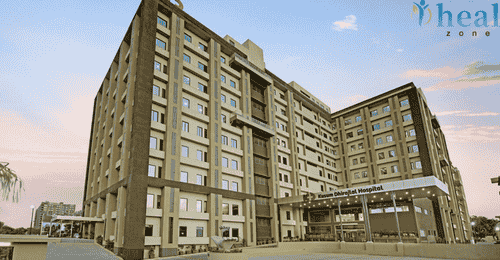
KD Hospital, Ahmedabad
Vaishnodevi Circle, Ahmedabad, Gujarat
26
Specialities
300
Beds Facility
0
ICU Beds
0
Established in

Metro Heart Institute with Multispeciality, Faridabad
Metro Heart Institute Sector 16 A, Faridabad (NCR) – 121002
26
Specialities
400
Beds Facility
30
ICU Beds
0
Established in
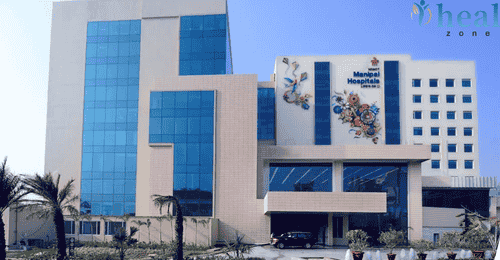
Manipal Hospital, Dwarka, New Delhi
Sector 6 Dwarka, Dwarka, Delhi, 110075
26
Specialities
380+
Beds Facility
118+
ICU Beds
2018
Established in

Amrita Hospital, Faridabad
Amrita Hospital, Faridabad, Haryana
26
Specialities
2600
Beds Facility
534
ICU Beds
2022
Established in
Contact Us for Best Crigler-Najjar Syndrome Treatment Hospitals in India
Why Choose the Best Crigler-Najjar Syndrome Treatment Hospitals in India?
Selecting an experienced, accredited centre is crucial when treating a rare metabolic liver disease.
Concise reasons to choose India’s top centres:
- Comprehensive multidisciplinary teams combining neonatology, pediatric hepatology, clinical genetics, interventional radiology and pediatric transplant surgery under one care pathway.
- Immediate access to specialised neonatal intensive care and intensive phototherapy equipment capable of long-term use when necessary.
- Established pediatric liver transplant programmes offering both living-donor and deceased-donor options with experience in small infant grafting and paediatric post-transplant care.
- Genetic diagnostics and counselling integrated into care to identify causative UGT1A1 mutations, enable family screening, and inform reproductive decision-making.
- International patient services that facilitate travel, accommodation and telemedicine for continuing care after discharge.
These combined capabilities reduce time to definitive treatment, protect neurologic development and offer predictable long-term follow-up.
What are the Advanced Technologies and Surgical Infrastructure Available in These Hospitals?
Top paediatric and transplant centres in India are equipped with technologies tailored to the needs of newborns and children.
Infrastructure and technology highlights:
- High-irradiance LED phototherapy arrays with specialised neonatal beds and irradiance meters to ensure therapeutic light levels.
- On-site blood bank and neonatal exchange transfusion protocols to enable urgent exchanges with minimal delay.
- Molecular diagnostics laboratories offering rapid UGT1A1 testing and broader metabolic panels.
- Pediatric operating rooms with microvascular capability for delicate anastomoses in small recipient/donor pairs.
- Advanced pediatric intensive care with neonatal CRRT, micro-infusion pumps and ventilatory modes tailored to infants.
- Rehabilitation and developmental therapy suites for long-term neurodevelopmental support.
These resources allow comprehensive acute management and successful transition to definitive therapies like transplantation.
What are the Accreditations and Global Standards of These Hospitals?
Leading Indian hospitals commonly hold national accreditation (NABH) and implement internationally informed clinical protocols for neonatal metabolic disease and pediatric transplantation. Accreditation signals adherence to infection control, medication safety, surgical and anesthetic standards, and quality improvement processes. Families should ask hospitals for specific accreditations, transplant programme outcomes and paediatric ICU credentials when comparing options.
What are the Comprehensive International Patient Care Services Provided?
Internationally facing centres streamline the family experience beyond clinical care.
Typical services include:
- Pre-arrival telemedicine consultations to review records, triage urgency and pre-book tests to shorten in-country stay.
- Visa assistance and appointment coordination with clear timelines for evaluation, phototherapy, transplantation listing and post-discharge follow-up.
- Family accommodation options near the hospital, interpreter services and child-friendly amenities.
- Transparent billing and package options that specify inclusions (NICU, phototherapy, exchange transfusion, transplant) and exclusions to avoid unexpected charges.
- Telemedicine and shared-care plans for local pediatrician involvement after return home.
These supports greatly reduce logistical stress for families travelling from abroad and enable continuous care.
What are the Treatment Success Rates and Outcomes for Patients?
Outcomes are highly dependent on timing and the chosen therapy.
Concise outcome points:
- Prompt phototherapy and exchange transfusion prevent kernicterus in most acutely managed neonates. Long-term reliance on phototherapy is burdensome but can maintain safe bilirubin levels until definitive therapy.
- Phenobarbital responsiveness in CNS II often produces stable control and good neurologic outcomes.
- Pediatric liver transplant is curative for CNS I and for refractory CNS II; transplant outcomes in experienced paediatric programmes are favourable with high early graft survival when surgery is performed before irreversible neurologic injury. Long-term success includes normalisation of bilirubin metabolism and prevention of further neurologic damage.
Families should discuss centre-specific survival and developmental outcome data with the transplant team to set expectations.
What Is the Surgery Cost Comparison of India with Other Countries?
Cost Comparison — Indicative (Pediatric Liver Transplant and Advanced Care)
|
Country |
Average Cost (USD) (Pediatric Liver Transplant/Advanced Care) |
|
USA |
$250,000 – $700,000+ |
|
UK |
$120,000 – $300,000 |
|
Singapore |
$100,000 – $300,000 |
|
India |
$15,000 – $45,000 |
India commonly offers a 60–90% cost advantage for pediatric liver transplant and associated neonatal care while delivering accredited, high-quality services. Lower costs for prolonged phototherapy, exchange transfusion and transplant make India a practical option for many international families.
What Is the Rehabilitation and Tele-Follow-Up Procedure?
Rehabilitation and structured follow-up are critical for developmental catch-up and long-term health.
Rehabilitation and follow-up components:
- Early developmental interventions: physiotherapy, occupational therapy and speech therapy to address motor and cognitive delays where present.
- Audiological monitoring to detect and address hearing loss, which can be a consequence of severe neonatal hyperbilirubinemia.
- Nutritional rehabilitation to support catch-up growth, with dietician input for energy and micronutrient needs.
- Immunisation and infection prevention planning adapted for immunosuppressed transplant recipients.
- Telemedicine follow-up: regular virtual clinics to review labs, growth charts and developmental milestones, coordinate local testing and adjust therapy without prolonged travel.
- Local physician integration: shared care plans enable local pediatricians to participate in routine monitoring while the transplant centre provides specialist oversight.
This integrated approach maximises functional recovery and quality of life.
How HealZone Supports Global Patients?
HealZone provides clinical and logistical coordination to simplify care for international families.
Key services and patient benefits:
- Personalised centre selection based on your child’s diagnosis, age and urgency, matching to paediatric hepatology and transplant teams with relevant experience.
- Pre-arrival medical triage with a specialist review to recommend immediate steps and a focused in-country evaluation plan.
- Full logistic facilitation: visa letters, appointment scheduling, airport pickup, family accommodation and interpreter services.
- Transparent financial planning: itemised treatment estimates and assistance with payment modalities for international patients.
- On-ground coordination: patient navigators to liaison between subspecialties, arrange tests and assist during hospitalisation.
- Post-discharge tele-follow up: ongoing virtual care coordination, local lab linkage and medication procurement assistance.
HealZone helps families concentrate on their child’s care while ensuring high clinical standards and seamless logistics.
Crigler–Najjar syndrome is a rare but treatable metabolic condition when managed promptly by experienced multidisciplinary teams. India’s paediatric hepatology and transplant centres provide the full continuum of care—from intensive phototherapy and emergency exchange transfusion to phenobarbital therapy and definitive pediatric liver transplantation—at cost-effective prices with robust international patient support. Early diagnosis, genetic confirmation and rapid neuroprotective management are essential to prevent irreversible neurologic injury.
If you would like, HealZone can arrange an expedited pre-arrival review by pediatric hepatology specialists in India, obtain itemised treatment estimates and propose a concise travel and care plan. Please upload your child’s most recent bilirubin measurements, response to any phenobarbital trial, genetic test results (if available) and neonatal records so our team can begin a focused specialist evaluation.
