

Contact Us for Best Heart Transplant Hospitals in India
Best Heart Transplant Hospitals in India
The best hospitals in India for heart transplant are tertiary referral centres offering end-to-end transplant services: donor coordination, organ retrieval logistics, dedicated transplant theatres, specialized cardiac ICUs, advanced infection control and structured outpatient transplant clinics. These hospitals combine national and international governance standards with experience in complex adult and pediatric transplants, mechanical circulatory support (LVAD) bridging strategies, and multidisciplinary rehabilitation.
Below is the list of the Best Heart Transplant Hospitals in India for international patients, supported by dedicated international patient departments, transparent costing, visa assistance and bilingual coordinators — making care accessible, safe and affordable for overseas travelers.



Indraprastha Apollo Hospital, New Delhi
 Indraprastha Apollo Hospital, NH-19, New Delhi
26
Specialities
710
Beds Facility
138
ICU Beds
1996
Established in

Medanta-The Medicity Gurgaon
CH Baktawar Singh Rd, Medicity, Islampur Colony, Sector 38, Gurugram, Haryana 122001
27
Specialities
1391+
Beds Facility
271+
ICU Beds
2009
Established in
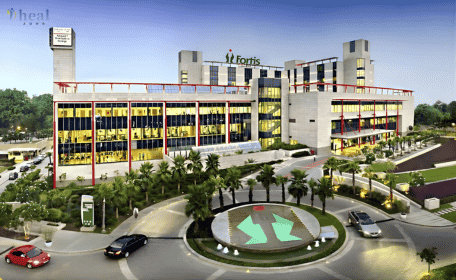
Fortis Memorial Research Institute (FMRI) Gurugram
Sector - 44, Opposite HUDA City Centre, Gurugram, Haryana 122002
26
Specialities
330+
Beds Facility
99+
ICU Beds
2001
Established in

Max Super Speciality Hospital, Saket
Press Enclave Marg, Saket, New Delhi, Delhi 110017
26
Specialities
500
Beds Facility
267
ICU Beds
0
Established in

BLK-Max Super Speciality Hospital, New Delhi
Pusa Rd, Radha Soami Satsang, Rajinder Nagar, New Delhi, Delhi – 110005
26
Specialities
650+
Beds Facility
162+
ICU Beds
1959
Established in
Contact Us for Best Heart Transplant Hospitals in India

Artemis Hospital, Gurgaon
Sector 51, Gurugram, Bindapur, Haryana – 122001
26
Specialities
750
Beds Facility
185
ICU Beds
2007
Established in

Gleneagles Global Health City, Chennai
439, Cheran Nagar, Sholinganallur, Perumbakkam, Chennai, Tamil Nadu 600100
26
Specialities
2100
Beds Facility
0
ICU Beds
0
Established in
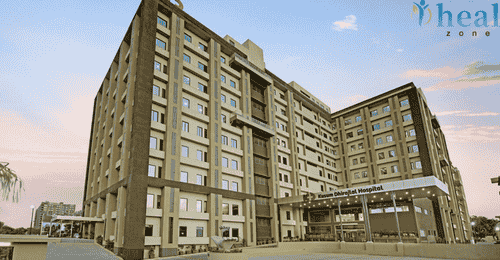
KD Hospital, Ahmedabad
Vaishnodevi Circle, Ahmedabad, Gujarat
26
Specialities
300
Beds Facility
0
ICU Beds
0
Established in

Metro Heart Institute with Multispeciality, Faridabad
Metro Heart Institute Sector 16 A, Faridabad (NCR) – 121002
26
Specialities
400
Beds Facility
30
ICU Beds
0
Established in

Manipal Hospital, Dwarka, New Delhi
Sector 6 Dwarka, Dwarka, Delhi, 110075
26
Specialities
380+
Beds Facility
118+
ICU Beds
2018
Established in
Contact Us for Best Heart Transplant Hospitals in India
Why Choose the Best Heart Transplant Hospitals in India?
Integrated transplant ecosystems:
Leading Indian hospitals offer the full transplant continuum: donor coordination networks, rapid retrieval teams, operating rooms with advanced perfusion systems, specialized transplant ICUs, pathogen surveillance labs and outpatient transplant clinics. These integrated systems shorten ischemic times, enhance graft viability and improve patient outcomes.
High procedural experience:
Several centres have mature programs with significant surgical volumes, which is a known factor in better outcomes. Experience in complex cases, pediatric transplants and LVAD bridging contributes to the robustness of these programs.
Affordability with quality:
Compared with many Western nations, India offers heart transplant care at a fraction of the cost while maintaining high clinical standards in accredited centres. This cost-effectiveness, combined with strong clinical expertise, attracts many international patients.
What Advanced Technologies and Surgical Infrastructure Are Available?
Top transplant hospitals in India typically provide:
- Hybrid operating rooms and advanced perfusion systems to support organ transplantation.
- Organ preservation and rapid retrieval logistics to minimize graft ischemia.
- High-dependency cardiac ICUs with continuous invasive hemodynamic monitoring and specialty nursing care.
- Mechanical circulatory support units with experience in LVAD implantation, ECMO and temporary support devices.
- Comprehensive laboratory services including rapid crossmatch, HLA typing and infectious disease PCR testing.
- Cardiac rehabilitation units and multidisciplinary outpatient clinics for personalized long-term care.
This infrastructure supports safe organ replacement surgery and comprehensive postoperative management.
What Are the Accreditations and Global Standards of These Hospitals?
Many leading Indian transplant hospitals maintain national accreditation (such as NABH) and pursue international quality benchmarks. They operate within the legal framework for organ transplantation, including transparent waitlist management and ethical organ allocation. Clinical protocols are aligned with international guidelines for perioperative management, immunosuppression, infection control and long-term surveillance.
What Comprehensive International Patient Care Is Provided?
International patient services typically include:
- Pre-travel advisory and visa documentation for medical travel.
- Airport transfers, local transportation and lodging arrangements near transplant centres.
- Multilingual interpreters and cultural liaison services for patient comfort.
- Dedicated case coordinators who handle scheduling, document preparation, billing transparency and updates to families.
- Itemized cost packages and insurance liaison to facilitate funding and approvals.
- Telemedicine follow-up after discharge to coordinate local testing and medical care.
These services are tailored to reduce stress and logistical burden on patients and families.
What Are the Treatment Success Rates and Outcomes for Patients?
Outcomes summary:
Experienced Indian transplant centres report improving short-term outcomes, with many programs achieving 1-year survival rates in the 80–85% range in contemporary cohorts. Long-term survival depends on multiple factors but improves with close follow-up, infection prevention and adherence to therapy. These centers increasingly align their outcomes with global benchmarks through continuous quality improvement and participation in registries.
Factors that drive better outcomes:
Early referral, meticulous donor selection, low ischemic times, skilled surgical teams, experienced ICU staff, robust infection control, and patient adherence to lifelong follow-up all contribute to better survival and quality of life.
What Is the Surgery Cost Comparison of India with Other Countries?
Cost Comparison: Heart Transplant
|
Country |
Average Cost (USD) |
|
USA |
$500,000 – $1,500,000+ |
|
UK |
$150,000 – $300,000+ |
|
Singapore |
$100,000 – $300,000 |
|
India |
$50,000 – $70,000+ |
India’s lower cost results from more affordable hospital day rates, lower staffing overheads and competitive pricing for devices and drugs. Even after factoring travel and accommodation costs, many international patients achieve substantial savings while receiving high-quality care.
What Is the Rehabilitation and Tele-Follow-Up Procedure?
Inpatient rehabilitation:
Early mobilization, respiratory therapy, nutrition optimization and physiotherapy commence in hospital under transplant rehabilitation specialists.
Outpatient cardiac rehab:
Structured exercise plans, dietary counseling, psychosocial support and education about medication adherence and infection prevention are integral to long-term success.
Tele-follow-up and remote monitoring:
For international patients, scheduled teleconsultations review symptoms, local laboratory results and imaging, and adjust immunosuppressive regimens as needed. Hospitals coordinate with local physicians to ensure continuity of care and rapid intervention if issues arise.
Long-term surveillance:
Includes routine biopsies or non-invasive rejection testing schedules, infectious disease surveillance, metabolic monitoring, cancer screening related to immunosuppression and reproductive counseling for younger recipients.
How HealZone Supports Global Patients (Hospital Coordination & Beyond)?
HealZone offers a comprehensive concierge model for heart transplant patients:
- Clinical triage and second opinion services to confirm candidacy and optimize timing.
- Hospital matching based on program expertise, ICU capability and waitlist logistics.
- Transparent financial planning with staged cost estimates and help with insurance or funding approaches.
- End-to-end logistics: visas, flight bookings, local accommodation and culturally sensitive patient support services.
- Post-discharge coordination for telemedicine, local lab testing, and emergency pathways.
- Psychosocial support and counseling for patients and families navigating the emotional and practical challenges of transplantation.
HealZone’s mission is to ensure safety, reduce administrative complexity and provide continuity across borders.
A heart transplant can be life-saving for patients with end-stage heart failure. India offers internationally accredited centers, experienced multidisciplinary teams, modern ICU and mechanical support infrastructure, and a cost advantage that makes transplant care accessible to many international patients. With careful candidate selection, timely referral, high-quality perioperative care and lifelong follow-up — and with a trusted facilitator like HealZone to manage logistics and continuity — global patients can access safe, affordable, world-class heart transplant care in India.
