

Contact Us for Best Double Valve Replacement (DVR) Hospitals in India
Best Double Valve Replacement (DVR) Hospitals in India
India’s top hospitals for double valve replacement offer full-spectrum cardiac care with dedicated valve programs, hybrid operating theatres, advanced cardiac ICUs and robust postoperative rehabilitation. These centres are equipped with high-end imaging (3D echocardiography, cardiac CT/MRI), cardiopulmonary bypass technology, transcatheter valve platforms and minimally invasive surgical suites. Many hospitals hold JCI and NABH accreditations, provide international patient services, and deliver transparent pricing and bundled packages for overseas patients.
Here is the list of theBest Double Valve Replacement (DVR) Hospitals in India, offering world-class surgical expertise, comprehensive perioperative care, and tailored recovery plans for international patients seeking safe and cost-effective valve surgery.



Indraprastha Apollo Hospital, New Delhi
 Indraprastha Apollo Hospital, NH-19, New Delhi
26
Specialities
710
Beds Facility
138
ICU Beds
1996
Established in

Medanta-The Medicity Gurgaon
CH Baktawar Singh Rd, Medicity, Islampur Colony, Sector 38, Gurugram, Haryana 122001
27
Specialities
1391+
Beds Facility
271+
ICU Beds
2009
Established in
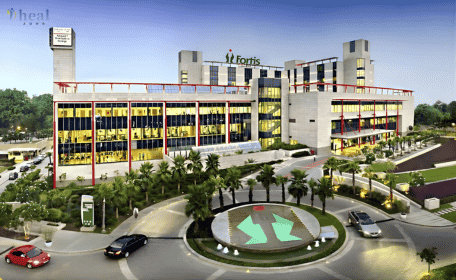
Fortis Memorial Research Institute (FMRI) Gurugram
Sector - 44, Opposite HUDA City Centre, Gurugram, Haryana 122002
26
Specialities
330+
Beds Facility
99+
ICU Beds
2001
Established in
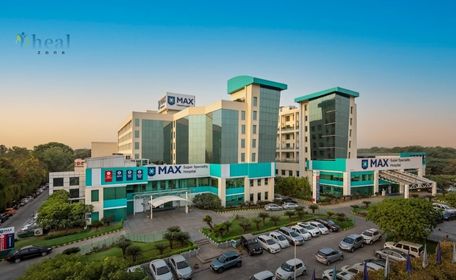
Max Super Speciality Hospital, Saket
Press Enclave Marg, Saket, New Delhi, Delhi 110017
26
Specialities
500
Beds Facility
267
ICU Beds
0
Established in

BLK-Max Super Speciality Hospital, New Delhi
Pusa Rd, Radha Soami Satsang, Rajinder Nagar, New Delhi, Delhi – 110005
26
Specialities
650+
Beds Facility
162+
ICU Beds
1959
Established in
Contact Us for Best Double Valve Replacement (DVR) Hospitals in India

Artemis Hospital, Gurgaon
Sector 51, Gurugram, Bindapur, Haryana – 122001
26
Specialities
750
Beds Facility
185
ICU Beds
2007
Established in
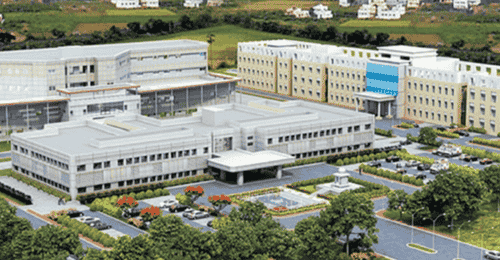
Gleneagles Global Health City, Chennai
439, Cheran Nagar, Sholinganallur, Perumbakkam, Chennai, Tamil Nadu 600100
26
Specialities
2100
Beds Facility
0
ICU Beds
0
Established in
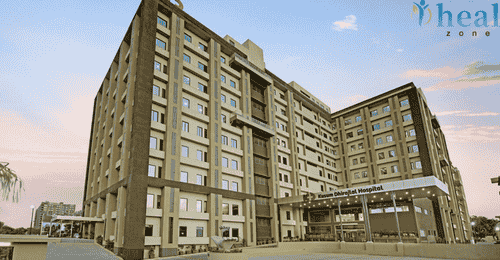
KD Hospital, Ahmedabad
Vaishnodevi Circle, Ahmedabad, Gujarat
26
Specialities
300
Beds Facility
0
ICU Beds
0
Established in

Metro Heart Institute with Multispeciality, Faridabad
Metro Heart Institute Sector 16 A, Faridabad (NCR) – 121002
26
Specialities
400
Beds Facility
30
ICU Beds
0
Established in

Manipal Hospital, Dwarka, New Delhi
Sector 6 Dwarka, Dwarka, Delhi, 110075
26
Specialities
380+
Beds Facility
118+
ICU Beds
2018
Established in
Contact Us for Best Double Valve Replacement (DVR) Hospitals in India
Why Choose the Best Double Valve Replacement (DVR) Hospitals in India?
India’s leading cardiac hospitals offer integrated valve programs with experienced teams that manage the entire patient journey — from diagnosis to long-term follow-up. High surgical volumes translate into refined protocols, low complication rates and excellent outcomes. Hospitals maintain robust ICU care, emergency backup (ECMO, mechanical support), and infection control processes essential for complex valve surgery.
Affordability without compromise:
Double valve replacement in India provides substantial cost savings when compared to the same procedures in many Western nations, while following evidence-based standards, modern technology, and internationally accredited processes.
Accreditation and continuous quality improvement:
Top hospitals maintain national (NABH) and international (JCI) accreditations and participate in clinical audits and registries to benchmark outcomes and uphold standards.
What Advanced Technologies and Surgical Infrastructure Are Available?
Leading cardiac centres offering double valve replacement typically include:
- Hybrid operating theatres: Enable combined surgical and catheter-based interventions in the same setting when necessary.
- High-resolution 3D echocardiography and intraoperative TEE: Essential for valve assessment and real-time confirmation of prosthetic function.
- Cardiac CT and MRI: for precise annular sizing, assessment of calcification and surgical planning.
- Modern cardiopulmonary bypass machines and myocardial protection systems: Improve organ perfusion and reduce ischemic injury during surgery.
- Minimally invasive surgical tools and robotic platforms: For select patients, these technologies reduce trauma and speed recovery.
- Mechanical circulatory support (IABP, Impella, ECMO) and advanced ICU monitoring: Provide rescue capability for perioperative complications.
- Onsite catheterization and electrophysiology labs: Offer immediate access to interventions if arrhythmias or coronary disease require treatment.
These infrastructures collectively reduce operative risk, enhance precision, and support faster recovery and better outcomes.
What Are the Accreditations and Global Standards of These Hospitals?
Reputable cardiac hospitals in India commonly meet the following standards:
- NABH (National Accreditation Board for Hospitals & Healthcare Providers) – ensures standardized processes and patient safety.
- JCI (Joint Commission International) – for hospitals serving global patients and meeting international benchmarks.
- Compliance with international clinical guidelines (AHA/ESC) for valvular heart disease and cardiac surgery.
- Structured morbidity and mortality reviews, infection control protocols, and patient safety checklists — ensuring continuous quality improvement.
Such accreditations give international patients confidence that care pathways and safety standards match global expectations.
What Comprehensive International Patient Care Is Provided?
International patient services at major centres typically include:
- Pre-arrival teleconsultations and tailored treatment plans based on submitted medical records.
- Visa invitation letters and travel coordination to expedite medical visas and travel.
- Airport pickup, local transport and accommodation arrangement near the hospital with options for family stays.
- Language interpreter services and cultural liaison officers for non-English speaking patients.
- Concierge services for banking, local SIM, and immediate needs during stay.
- Insurance facilitation and transparent billing, with itemised invoices for ease of reimbursement.
- Post-discharge telemedicine and coordination with local physicians for INR monitoring and long-term follow-up.
These coordinated services reduce stress and provide continuity for overseas patients undergoing DVR.
What Are the Treatment Success Rates and Patient Outcomes?
Elective DVR outcomes:
When performed electively in experienced centres, DVR shows high procedural success, symptomatic improvement and good mid-term survival. Perioperative mortality is influenced by patient factors (age, ventricular function, pulmonary pressures) and complexity (redo operations, infective endocarditis).
Key outcome measures include:
- Perioperative mortality: Relatively low in elective, well-selected cases at high-volume centres.
- Stroke and major complication rates: Minimized through meticulous intraoperative technique and postoperative monitoring.
- Functional improvement: Most patients report significant improvement in symptoms and exercise tolerance after recovery.
- Long-term valve performance: Depends on prosthesis choice and patient follow-up; mechanical valves have long durability; tissue valves may require reintervention over decades.
Comparative studies and registry data indicate that outcomes in accredited Indian centres are comparable to international benchmarks when care is protocol-driven and multidisciplinary.
What Is the Surgery Cost Comparison of India with Other Countries?
|
Country |
Average Cost (USD) |
|
USA |
$60,000 – $150,000+ |
|
UK |
$25,000 – $60,000 |
|
Singapore |
$25,000 – $70,000 |
|
India |
$7,000 – $25,000 (depending on complexity) |
Cost advantage: India commonly offers 60–80% cost savings for similar-quality double valve replacement procedures. Savings stem from lower facility and labor costs, bundled international packages, and competitive pricing for prostheses and rehabilitation services.
Important: Always verify what is included in the package (prosthesis cost, ICU days, medicines, imaging, surgeon & anesthetist fees, physio and follow-up).
What Are the Rehabilitation and Tele-Follow-Up Procedures?
- In-hospital (Phase I) rehabilitation: Focuses on early mobilization, breathing exercises, wound care, pain management and education about anticoagulation and activity restrictions.
- Outpatient (Phase II) rehabilitation: Structured exercise programs, dietary counseling, psychosocial support and gradual increase in activity under supervision — usually 6–12 weeks post-surgery.
- Maintenance (Phase III): Lifelong lifestyle modification, periodic medical reviews and exercise maintenance for cardiac health.
Tele-follow-up for international patients:
- Scheduled virtual consultations for INR and medication adjustments, wound surveillance, symptom review and echocardiogram assessments.
- Local lab coordination for INR testing with remote reporting back to the surgical team.
- Digital health platforms for sharing reports and quick messaging between patient and care team.
This hybrid model of in-person and telemedicine follow-up ensures safe long-term outcomes for overseas patients.
How HealZone Supports Global Patients?
HealZone provides an end-to-end concierge service for international patients seeking double valve replacement:
- Clinical match-making: Shortlists top valve surgeons and hospitals tailored to clinical needs.
- Logistics & visas: Manages visa invitation letters and travel planning.
- Transparent pricing & packages: Itemised quotes covering surgery, prostheses, ICU, hospital stay, and rehabilitation.
- On-ground assistance: Airport pickup, accommodation, interpreters, and dedicated patient coordinators.
- Continuity of care: Telemedicine follow-ups, anticoagulation monitoring facilitation, and liaison with local healthcare providers.
HealZone’s coordination reduces administrative complexity and provides patients with a focused, safe pathway to world-class valve surgery in India.
