

Contact us for Hematopoietic Stem Cell Transplantation Cost in India
Hematopoietic Stem Cell Transplantation Cost in India
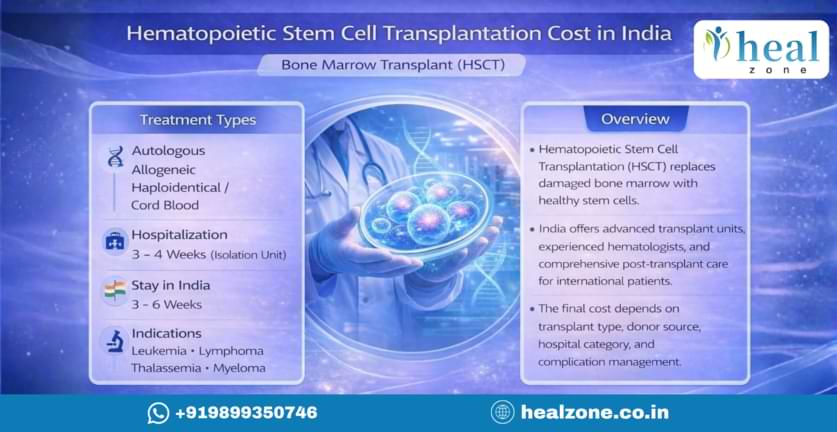
3-6 weeks
99%
Patients and families considering HSCT travel internationally to combine clinical expertise with cost savings, shorter wait times, and access to experienced transplant teams. This guide is written to be medically accurate, transparent about costs, and practical for international patients evaluating HSCT in India — covering medical facts, real-world cost drivers, hospital selection, travel logistics, and answers to common questions.
What is Hematopoietic Stem Cell Transplantation (HSCT)?
Hematopoietic stem cell transplantation (HSCT), commonly called bone marrow transplant (BMT), replaces damaged or diseased bone marrow with healthy hematopoietic stem cells. These cells can be sourced from the patient (autologous transplant), a related donor (matched sibling), an unrelated donor (matched unrelated donor, MUD), a partially matched family member (haploidentical), or cord blood. HSCT treats blood cancers (leukemia, lymphoma, multiple myeloma), certain genetic blood disorders (thalassemia, sickle cell disease), and some severe immune or marrow-failure conditions.
Top Doctors for Best Hematopoietic Stem Cell Transplantation Doctors in India



Dr. Dharma Choudhary
MBBS, MD, DM
Bone Marrow Transplant Specialist, Hemato-Oncologist, Hematologist
20 Years Years of Experience

Dr. Pratibha Dhiman
MBBS, MD, DM, Fellowship, Certificates/Trainings
Hemato-Oncologist, Hematologist
22 Years Years of Experience

Types of transplants and why type matters for cost
- Autologous HSCT (self): patient’s own stem cells harvested, stored, and reinfused after high-dose chemotherapy. Shorter donor logistics and usually less expensive.
- Allogeneic HSCT (another person): donor cells — may be matched related, matched unrelated, or cord blood. Additional costs include donor search/registry fees, courier/HLA testing, and management of graft-versus-host disease (GVHD).
- Haploidentical transplant: partially matched family donor (common when matched donor unavailable). Often requires extra immune-modulation strategies and can increase costs.
- Cord blood transplant: from cryopreserved cord blood units; sometimes expensive because of sourcing/storage.
Costs rise from autologous ? matched related allogeneic ? unrelated/haploidentical/cord blood due to donor sourcing, longer hospital/ICU stays, and higher complication risk.
Typical step-by-step HSCT care pathway (what you pay for)
Understanding the care pathway clarifies where costs come from.
- Pre-transplant evaluation: consultations (hematologist/oncologist), imaging, lab panels, organ function tests, HLA typing for donor/recipient, infectious disease screening, psychosocial assessment.
- Mobilization & stem cell harvest (for autologous and peripheral blood stem cell transplants): growth factors (G-CSF), apheresis sessions, laboratory processing (CD34 counts).
- Conditioning regimen: high-dose chemotherapy ± radiation to prepare marrow — significant drug cost.
- Transplant day (infusion): reinfusion of stem cells, monitoring.
- Inpatient recovery & isolation: HEPA filtration rooms, nursing, transfusions (blood/platelets). Median length of stay varies (commonly 3–6 weeks but may be longer). Costs here are large drivers.
- Post-transplant medications: prophylactic antibiotics/antivirals/antifungals, immunosuppressants (for allogeneic), growth factors, and supportive meds. These may be ongoing for months.
- Complication management: infections, GVHD treatment, ICU care, re-admissions — major cost drivers.
- Follow-up & rehabilitation: lab tests, clinic visits, physiotherapy/nutrition support, long-term surveillance.
How much does HSCT cost in India? (detailed cost ranges and evidence)
Expect autologous HSCT roughly INR 8–15 lakh and allogeneic HSCT roughly INR 15–35 lakh, but individual cases can fall outside this range depending on donor type, complications, and hospital. These are ballpark ranges commonly reported by hospitals and insurers in India.
Authoritative datapoints / studies
- A multi-center Indian study (cost analysis) reported median autologous transplant cost ? USD 12,500 and median allogeneic ? USD 17,914, with large ranges driven by complications and length of stay. This academic data gives historical context that India’s costs are often far below many developed countries while delivering comparable outcomes in many centers.
- Hospital pages and industry overviews show private hospital starting prices (examples): Apollo lists autologous starting from around ?15,00,000 with allogeneic higher depending on case complexity. These “starting” prices must be treated as indicative; final bills often include many add-ons.
Typical hospital listed ranges (illustrative):
- Private multispecialty tertiary centers often advertise autologous starting ~12–20 lakh and allogeneic from ~18–40 lakh depending on donor type and services.
Why ranges are wide: Many costs are conditional (ICU days, donor search fees, expensive drugs, long term complications like chronic GVHD). Expect transparent pre-transplant estimates but be prepared for variability.
Detailed cost breakdown (what contributes to the bill)
Below is a breakdown of typical cost components and an indicative percentage of the total bill (these percentages are illustrative to help planning — actual values vary by hospital and case severity):
- Hospital bed + nursing + room charges (isolation HEPA room): 20–35%
- Conditioning chemotherapy & specialized drugs (e.g., cyclophosphamide, busulfan, fludarabine, antithymocyte globulin, monoclonal agents): 15–30%
- Stem cell collection & processing (apheresis, cryopreservation for autologous): 5–10%
- Donor search / registry fees & HLA typing (for unrelated donor transplants): 2–8% (can be higher if international registry searches are needed).
- ICU days (if required), ventilator support, dialysis: 10–30% (major contributor if complications occur).
- Drugs post-transplant (immunosuppressants, antimicrobials): 5–15% ongoing costs.
- Diagnostics, imaging, labs, transfusions: 3–8%
- Professional fees (transplant team, surgeons/anaesthetists if needed): 5–10%
- Miscellaneous (blood products, physiotherapy, donor lodging/transport, HLA courier): variabl
Top Hospitals for Best Hematopoietic Stem Cell Transplantation Hospitals in India
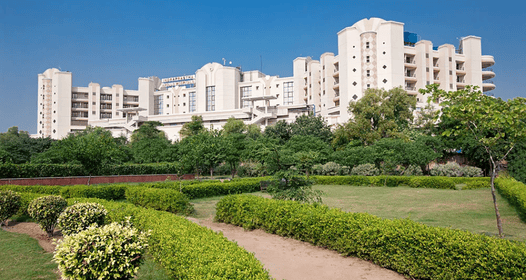
Indraprastha Apollo Hospital, New Delhi
Indraprastha Apollo Hospital, NH-19, New Delhi

Medanta-The Medicity Gurgaon
CH Baktawar Singh Rd, Medicity, Islampur Colony, Sector 38, Gurugram, Haryana 122001
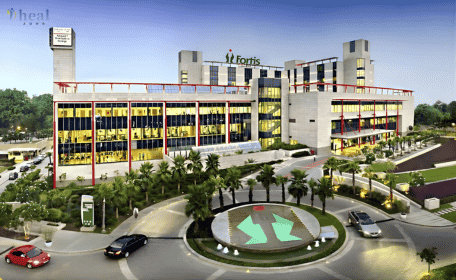
Fortis Memorial Research Institute (FMRI) Gurugram
Sector - 44, Opposite HUDA City Centre, Gurugram, Haryana 122002
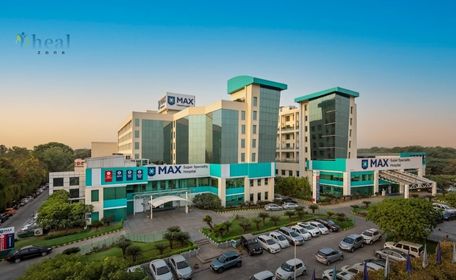
Max Super Speciality Hospital, Saket
Press Enclave Marg, Saket, New Delhi, Delhi 110017
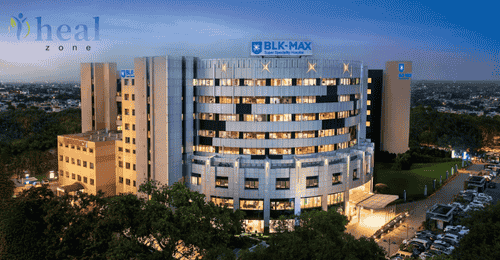
BLK-Max Super Speciality Hospital, New Delhi
Pusa Rd, Radha Soami Satsang, Rajinder Nagar, New Delhi, Delhi – 110005
Factors that most influence final cost
- Type of transplant (autologous vs allogeneic vs haploidentical vs cord). Allogeneic and haplo cases usually cost more.
- Donor source & search complexity: unrelated donor searches, registry usage, and international donor logistics increase cost.
- Length of hospitalization and ICU care: complications dramatically increase bills (infections, organ failure). Studies show complications are the main drivers of cost variability.
- Drugs & biologics used in conditioning and GVHD prevention/therapy: some novel agents are expensive.
- Facility chosen: public/government centers can be far cheaper (subsidized) than private tertiary hospitals; private center amenities, single rooms, and brand premium increase cost.
- Geographic location and foreign patient packages: Delhi, Mumbai, Gurgaon, Chennai and Bangalore host most transplant centers; costs differ modestly between cities.
- Post-transplant complications and readmissions: these can be the largest unpredictable cost.
Public vs private hospital costs — tradeoffs
- Public / government transplant units: often offer significantly lower prices; may have longer wait times and more restricted infrastructure for international patients. Examples: some new government BMT units estimate much lower costs (some news reports cite significantly lower ranges).
Private tertiary hospitals: shorter wait times, bundled international patient services, private rooms, and comprehensive packages — but higher base cost. Reputable institutes include Apollo, Medanta, Fortis, BLK, Nanavati, Artemis, etc
Expected timeline from first consult to transplant
- Initial consultation & tests: 1–2 weeks (more if overseas).
- Donor identification & HLA testing (for allogeneic): 2–6 weeks for family donors; unrelated donor searches may take longer (weeks–months).
- Pre-transplant workup and optimization: 2–4 weeks.
- Transplant admission and inpatient stay: typically 3–6+ weeks (depends on complications).
Early post-transplant follow-up and immunosuppression: months (regular clinic visits weekly ? monthly).
Overall, plan 2–3 months for evaluation to discharge for many cases (longer if donor search or complications occur).
Medical outcomes & safety — what to expect
Outcomes depend on diagnosis, disease status at transplant, age, donor match, and center expertise. India’s established transplant centers report survival and complication rates comparable to many international centers for many indications, but outcomes vary by disease and patient factors. The previously cited Indian cost/outcome analyses also highlighted that success rates in experienced Indian centers can be near equivalent to developed countries, which is an important EEAT consideration for medical tourists.
Medical tourism practicalities
For international patients HealZone should present a clear, transparent package:
- Pre-travel medical review: share medical records, preliminary remote consultation, and candidate suitability assessment.
- Itemized cost estimate: include bed, drugs, diagnostics, donor search, HLA testing, and likely post-discharge drug costs; state clearly which items are estimates vs guaranteed.
- Visa & travel support: medical visa assistance, ambulance transfers, interpreter, local SIM, and lodging.
- Accommodation & caregiver logistics: near hospital for the transplant period.
- Post-discharge care plan: local follow-up options in patient’s home country or telemedicine plan with the transplant unit.
Informed consent & EEAT: ensure patient understands risks, alternatives, and expected outcomes in plain language.
How HealZone can add value for patients
- Credential verification: list doctor profiles (qualifications, training, publications) and hospital accreditations (JCI, NABH).
- Transparent pricing pages: publish sample cost breakdowns and typical package inclusions/exclusions to reduce unexpected bills.
- Patient stories & verified outcomes: include anonymized case summaries and survival/outcome statistics with author/doctor review
- Detailed FAQs and downloadable pre-transplant checklist (for patients and caregivers).
- Local logistic support: visa letters, airport pickup, accommodation, interpreter, and aftercare coordination.
Selecting the right centre: checklist for filtering hospitals
- Volume of transplants per year (higher volume often correlates with better outcomes).
- Multidisciplinary care: dedicated hematology/oncology + critical care + infectious disease + rehabilitation.
- Infection control standards: HEPA rooms, isolation policies, and lab capacity.
- Accreditations and published outcomes.
- Transparent international patient services (cost estimates, language support).
- Post-transplant follow-up and telemedicine options.
Practical travel & stay guidance for international patients
- Pre-travel: send medical records as PDFs (blood counts, bone marrow reports, imaging, prior chemo details), passport, and contact info.
- Accommodation: choose lodging within easy reach of the hospital; some hospitals provide patient housing or partner hotels.
- Caregiver planning: one caregiver should be present during inpatient stay; plan for their visa and expenses.
- Food & hygiene: the first weeks post transplant require strict infection precautions — opt for hospital diet guidance.
- Phone & telehealth: ensure the hospital offers teleconsultation post discharge for continuity.
Risks, complications and long-term considerations (what the price doesn’t always show)
- Infections (bacterial, fungal, viral) are the most frequent early complications and a major reason for extended hospitalization and cost.
- Graft-versus-host disease (GVHD) in allogeneic transplants may require prolonged immunosuppression, targeted therapies, and rehospitalizations (costly).
- Organ toxicities (liver, lungs, kidneys) may need ICU care and specialized treatments.
Fertility, secondary malignancy, and long-term immunodeficiency — discuss fertility preservation and long-term surveillance with your team.
How to get an accurate, personalized cost estimate (actionable steps)
- Request an itemized quote from the transplant team covering: bed charges (per day), conditioning drugs, ICU estimates, apheresis processing, donor search, blood products, and post-transplant meds for a defined period.
- Share full medical records (complete pathology, staging, prior treatments). Hospitals can give better estimates when they know disease status and comorbidities.
- Ask about contingency costs (ICU, re-admissions) and average historic extra costs at that center.
- Confirm what the hospital package includes/excludes (e.g., GCSF, donor lodging, travel, HBV/HCV testing).
- Get signed estimate and financial consent before admission where possible.
Sample patient scenarios with approximate cost expectations (illustrative)
These are hypothetical examples to help planning. Actual quotes from hospitals will vary.
- Scenario A — Autologous HSCT for Multiple Myeloma (young adult, no complications): Expected direct medical cost ~INR 8–15 lakh; shorter stay (3–4 weeks).
- Scenario B — Matched related allogeneic transplant for AML (adult): Expected cost ~INR 15–25 lakh; donor is sibling so no registry fees; risk of GVHD possible.
- Scenario C — Matched unrelated donor HSCT with international donor: Expected cost ~INR 25–40+ lakh — includes registry search fees, courier/HLA matching, and possible international logistics.
- Scenario D — Haploidentical transplant (no matched donor): Expected cost often similar or slightly higher vs matched related allogeneic due to additional immune suppression strategies.
Evidence & references (selection of high-value sources)
Key references used in preparing this guide (for HealZone’s editorial transparency and EEAT):
- Sharma SK, et al. Cost of Hematopoietic Stem Cell Transplantation in India — PMC/NCBI. (Provides median cost data and shows complications as main cost drivers.)
- Hospital cost pages and patient-facing estimates: Apollo Hospitals (BMT procedure pages).
- Industry & medical tourism overviews showing typical India cost ranges and hospital lists (MedicalTourismCo, Medigence).
- Insurance and consumer guidance overviews (HDFC ERGO / SBI General content summarizing typical price ranges in India).
(HealZone editorial note: when publishing, link to the cited studies and hospital pages and ensure local team verifies current pricing with partner hospitals — costs quoted on hospital websites are often “starting from” and need confirmation.)
Frequently Asked Questions
The typical cost depends on transplant type, but autologous transplants commonly range between INR 8–15 lakh while allogeneic transplants commonly range between INR 15–35 lakh; complex cases or unrelated donor searches can push costs higher.
