

Contact us for Heart Transplant Cost in India
Heart Transplant Cost in India
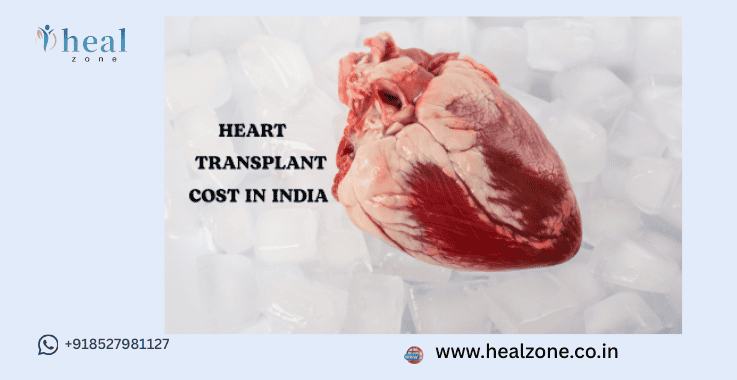
$35,000 – $55,000
95 %
India has emerged as one of the top global destinations for heart transplants, offering advanced cardiac surgery, experienced specialists, and internationally accredited hospitals — all at far more affordable costs than in Western countries. This guide explains heart transplant costs in India, factors influencing pricing, what’s included in the package, and how India compares globally in terms of quality and affordability.
Top Doctors for Heart Transplant in India

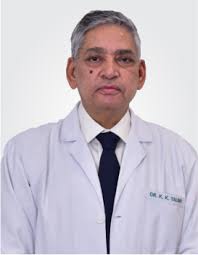
Dr. Kewal Kishan Talwar
MBBS, MD, DM, FAMS, FRCP
Cardiologist
45 Years of Experience
Pushpawati Singhania Research Institute (PSRI), Hospital, New Delhi
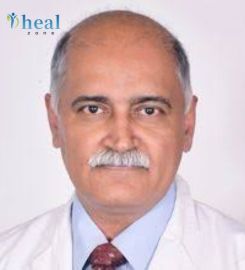
Dr. Kulbhushan Singh Dagar
MBBS, MS, MCh, Fellowship, Certificates/Trainings
Pediatric Cardiac Surgeon, Pediatric Cardiologist
35 Years of Experience
What Is Usually Included in the Heart Transplant Cost Package in India?
When hospitals in India quote a heart transplant cost, they usually include most clinical and procedural expenses related to both the transplant surgery and early recovery. The major inclusions are:
- Initial Cardiac Evaluation & Diagnostics: Cardiac function tests, angiography, echocardiography, CT/MRI scans, blood panel, and cross-matching with donor heart.
- Operation Theatre & Anaesthesia: OT preparation, anesthesia support, perfusion system setup, and specialized cardiac consumables.
- Professional Surgeon Fees: Lead cardiac transplant surgeon and team charges.
- Hospitalization & Critical Care: ICU stay with ventilator support, room charges, cardiac monitoring, and continuous nursing care.
- Medications & Supplies: Immunosuppressives, antibiotics, anticoagulants, and necessary surgical consumables.
- Postoperative Medical Supervision: Recovery monitoring, cardiac rehab sessions, lab tests, and medical follow-ups after discharge.
Factors Affecting the Cost
Several variables can affect the overall cost of a heart transplant in India:
- Hospital & City: Premium hospitals in metros like Delhi, Mumbai, Chennai, and Hyderabad have higher charges due to advanced cardiac facilities.
- Type of Donor: All heart transplants are done using deceased donor hearts in India — costs may vary depending on donor availability and logistics.
- Surgeon’s Expertise: Highly experienced transplant surgeons may charge more, but they offer higher success and survival rates.
- Pre-existing Conditions: Patients with other heart or lung complications may require longer ICU care.
- Post-Transplant Medication: Lifelong immunosuppressant therapy and follow-ups are necessary.
- Hospital Stay Duration: A longer ICU recovery or any complications after surgery can raise the total expenses.
Top Hospitals for Heart Transplant in India

Indraprastha Apollo Hospital, New Delhi
Indraprastha Apollo Hospital, NH-19, New Delhi

Medanta-The Medicity Gurgaon
CH Baktawar Singh Rd, Medicity, Islampur Colony, Sector 38, Gurugram, Haryana 122001

Fortis Memorial Research Institute (FMRI) Gurugram
Sector - 44, Opposite HUDA City Centre, Gurugram, Haryana 122002

Max Super Speciality Hospital, Saket
Press Enclave Marg, Saket, New Delhi, Delhi 110017
Additional Expenses to Consider
While most hospital packages are comprehensive, patients should also plan for:
- Travel and accommodation for patients and caregivers
- Long-term immunosuppressive medications and cardiac follow-ups
- Expenses related to insurance and financing arrangements.
- Legal and documentation expenses
Global Price Comparison for Heart Transplants: How India stand out
Country Average Heart Transplant Cost (USD)
India $35,000 – $55,000
USA $1,000,000 – $1,400,000
Singapore $250,000 – $400,000
Turkey $90,000 – $150,000
UK $700,000 – $900,000
Thailand $100,000 – $160,000
South Korea $180,000 – $250,000
India offers the same high medical standards at a fraction of the cost, thanks to affordable healthcare infrastructure, skilled manpower, and favorable exchange rates.
Average Cost of Heart Transplant in India
In 2025, a heart transplant in India typically costs between $35,000 and $55,000.
This package usually includes:
- Pre-transplant medical evaluations and cardiac diagnostic tests
- Surgeon’s and anesthetist’s fees
- Operation theatre and ICU charges
- Hospital stays (2–3 weeks or longer, depending on condition)
- Immunosuppressive and other essential medicines during hospitalization
- follow-up and Post-surgery monitoring
The final cost may vary depending on the hospital, city, complexity of the case, and availability of a donor heart.
Life Expectancy After a Heart Transplant
Most patients enjoy a healthy, active life after transplant — often for 15–20 years or more.
Average Survival Rates:
- 1-year: 85–90%
- 5-year: 75–80%
- 10-year: 60–70%
Factors Affecting Longevity:
- Younger, healthier patients recover faster
- Strict medication routine (immunosuppressants)
- Infection control and regular check-ups
- Balanced lifestyle — no smoking, limited salt, moderate exercise
Quality of Life:
Most patients return to their normal activities within 6–12 months — including work, travel, and family life. Energy and emotional well-being improve significantly.
Who Needs a Heart Transplant?
Heart transplantation is recommended for patients with end-stage heart failure who no longer respond to medical or device therapy.
Common conditions include:
- Dilated or ischemic cardiomyopathy
- Serious birth defects of the heart that can’t be repaired
- Severe coronary artery disease
- Permanent damage to the heart muscle
- Life-threatening arrhythmias unresponsive to treatment
Causes of Heart Failure
Heart failure happens when the heart becomes too weak or stiff to pump blood properly. Over time, this causes tiredness, breathlessness, fluid buildup, and organ damage. When medicines and other surgeries no longer work, a heart transplant becomes the final treatment option.
Common Causes:
- Coronary Artery Disease (CAD): Blocked arteries reduce blood flow, damaging heart muscle.
- Dilated Cardiomyopathy: The heart enlarges and weakens due to infection, genetics, or toxins.
- Congenital Heart Disease: Birth defects that can’t be corrected by surgery.
- Valvular Heart Disease: Leaky or narrow valves strain the heart.
- Myocarditis: Heart muscle inflammation, often due to viral infection.
- Arrhythmias: Irregular heartbeats that reduce pumping efficiency.
- Restrictive Cardiomyopathy: Stiff heart walls (as in amyloidosis, sarcoidosis).
- Hypertensive Heart Disease: Long-term high blood pressure thickens and weakens the heart.
- Alcohol/Drug Damage: Chronic alcohol or certain drugs (like chemotherapy) injure heart cells.
Types of Heart Transplant in India
Different transplant types are chosen based on the patient’s condition and donor availability.
1. Orthotopic Transplant (Most Common)
- The patient's diseased heart is removed and replaced by the donor heart in the same position.
- Best for: Most patients with end-stage heart failure
- Benefits: Proven results, excellent long-term survival
2. Heterotopic Transplant (Piggyback)
- The donor heart is connected beside the patient’s heart.
- Best for: Patients with high lung pressure or partial heart function
- Benefits: Both hearts work together for better support
3. Domino Transplant
- In this unique approach, a patient receiving a heart–lung transplant donates their healthy heart to another person.
- Best for: Rare, carefully matched cases
- Benefits: Maximizes organ use
4. Pediatric Heart Transplant
- For infants and children with severe heart defects.
- Best for: Congenital or inherited heart failure
- Benefits: Helps children grow and live normal lives
5. Combined (Multi-Organ) Transplant
- Heart transplanted along with another organ (like kidney, lung, or liver).
- Best for: Patients with multiple organ failure
- Benefits: Treats both conditions together
Steps of a Heart Transplant Procedure
A heart transplant involves three key stages — before, during, and after surgery — all requiring expert coordination.
1. Pre-Transplant Phase (Evaluation & Preparation)
- Complete heart check-up (echo, angiogram, blood tests)
- Blood type and tissue match
- Infection screening and fitness assessment
- Listing in the NOTTO transplant registry
- Medical stabilization while waiting for a suitable donor
2. Transplant Surgery (Operative Phase)
- General anesthesia and heart-lung bypass support
- Chest opened (sternotomy)
- Diseased heart removed, donor heart implanted
- New heart connected to major vessels
- Heart restarted (often beats spontaneously)
- Chest closed after ensuring stable vitals
Duration: 4–6 hours
3. Post-Transplant Phase (Recovery & Monitoring)
- ICU care for 24–48 hours
- Ventilator and continuous heart monitoring
- Immunosuppressants to prevent rejection
- Gradual recovery, physiotherapy, and follow-ups
- Hospital stay: about 2–3 weeks
Why Choose India for Heart Transplant?
India is among the top five countries globally for advanced cardiac surgery and organ transplantation. The country combines medical expertise, world-class infrastructure, ethical transplant laws, and cost efficiency — making it the preferred choice for patients from GCC, Africa, CIS, and Southeast Asia.
Key Advantages:
- Highly Experienced Cardiac Surgeons: Many trained in top global heart centers and have done hundreds of successful transplants.
- Dedicated Heart Transplant Units: Specialized ICUs with 24/7 monitoring and infection-control protocols.
- Modern Technology: Hospitals use robotic tools, ECMO machines, and heart-assist devices for better results.
- Shorter Waiting Time: India’s efficient donor registry helps patients get transplants quickly.
- Transparent & Ethical Practices: Strict regulation under the Transplantation of Human Organs Act ensures ethical and legal procedures.
- Globally Recognized Results: High success and survival rates reaffirm India’s excellence in cardiac transplantation
- Holistic Care: Rehabilitation, nutrition, psychological counseling, and family support.
- Exceptional Value: High-quality results with lower financial stress.
Why International Patients Choose India for Heart Transplants?
In 2025, India continues to attract thousands of patients for cardiac transplants due to:
- World-Class Expertise – Global standard cardiac surgeons and transplant teams
- Affordable Packages – Only 10–15% of US or UK prices
- Accredited Hospitals – NABH, JCI, and ISO-certified institutions
- Comprehensive Care – From donor coordination to rehabilitation
- Fast Process: Shorter waiting period for the transplant.
- Multilingual Support – Translators, dietary customization, and personal coordinators
How HealZone Helps International Patients with Heart Transplant in India
HealZone makes your heart transplant journey in India is smooth, guided, and transparent from start to finish. From choosing hospital to post-surgery recovery, we simplify every step with expert support.
- Case Evaluation & Triage: Medical report review and referral to suitable heart transplant programs.
- Expert Second Opinions: Opinions from India’s top cardiac transplant surgeons before arrival.
- Transparent Cost Quotes: Detailed, itemized hospital quotations with inclusions and exclusions.
- Donor & Legal Guidance: Support with all donor-related procedures and documentation.
- Medical Visa Assistance: Invitation letters and coordination with the Indian Embassy.
- Arrival & On-Ground Care: Airport pickup, accommodation, interpreter, and hospital coordination.
- Treatment Updates: Daily medical progress reports and family coordination.
- Post-Transplant Care: Long-term follow-up and medication support even after you return home.
With HealZone, patients and families can focus on recovery — while every detail of their medical and travel journey is professionally managed.
Frequently Asked Questions
With proper care and medications, most patients live 15–20 years or more with good quality of life.
India’s top hospitals report around 90% success rate at one year, matching global standards.
On average, it costs $30,000–$45,000 USD, including surgery, hospitalization, and post-transplant care.
The surgery lasts 4–6 hours, and full recovery takes 3–4 months, including hospital stay and follow-ups.
Usually 8–10 weeks post-discharge for regular monitoring and stabilization before returning home.
Only deceased donors are eligible. Donation and allocation are regulated by NOTTO (National Organ & Tissue Transplant Organization).
The primary risks are bleeding, infection, and organ rejection, though these are minimized with expert care and medication.
These drugs (like tacrolimus, cyclosporine) prevent the body from rejecting the new heart and must be taken lifelong.
Doctors monitor through biopsies, blood tests, and echocardiograms to catch any early signs of rejection.
Yes. Most return to work, travel, and light exercise within 6–12 months after surgery.
Usually 1–3 months, depending on blood group and urgency.
Follow a low-salt diet, exercise regularly, avoid infections, and strictly adhere to medication schedules.
