

Contact Us for Best Penile Implant Doctors in India
Best Penile Implant Doctors in India
A penile implant, also known as a penile prosthesis, is a medical device surgically inserted into the penis to assist men with erectile dysfunction (ED) in achieving and maintaining an erection. This treatment is often considered when other options, such as medications, vacuum devices, or injections, have proven ineffective or are not suitable for the individual.
Here is the list of the Best Penile Implant Doctors in India.
- New Delhi
- Mumbai
- Kolkata
- IVF and Infertility
- Cardiology
- Cosmetic and Plastic Surgery
- Orthopedic
- Dental
- Dermatology
- Endocrinology
- ENT
- Gastroenterology
- Gynecology and Obstetrics
- Hematology
- Hepatology
- Nephrology
- Neurology
- Obesity and Bariatric Surgery
- Oncology
- Opthalmology
- Pulmonology
- Rheumatology
- Urology
- General Surgery
- Transplant Surgery
- Vascular Surgery
- Pediatrics
- Internal Medicine
- Spine Surgery
- Radiology
- Transurethral Incision of the Prostate (TUIP)
- Lithotripsy
- Sacral Neuromodulation
- Percutaneous Nephrolithotomy (PCNL)
- Extracorporeal Shock Wave Lithotripsy (ESWL)
- Varicocele Intervention
- Anal Sphincteroplasty
- Sling Surgery
- Extracorporeal Shockwave Therapy (ESWT)
- Stress Urinary Incontinence Surgery
- Bladder Instillation
- Burch Colposuspension
- Cystectomy (Bladder Removal)
- Cystolithotripsy
- Genitourinary Reconstruction
- Greenlight Laser Treatment of BPH
- Hydrocele Surgery
- Ileal Conduit
- Laser Prostatectomy
- Mitrofanoff Procedure
- Optical Urethrotomy
- Orchidectomy
- Orchidopexy
- Penis Enlargement Surgery
- Prostate Biopsy
- Laser Photo-Vaporization of the Prostate (PVP)
- Radical Cystectomy
- Robotic Ureteral Reimplantation
- Sacral Nerve Stimulation (SNS)
- Transperineal Biopsy
- Transrectal Ultrasound (TRUS)
- Transurethral Resection of Bladder Tumor (TURBT)
- Transurethral Resection of the Prostate (TURP)
- Ureteral Reimplantation Surgery
- Ureteral Stent Placement
- Ureteral Stenting and Nephrostomy
- Ureteroscopy (URS)
- Ureteroscopy and Laser Lithotripsy (URSL)
- Urethral Catheterisation Device (UCD)
- Urethral Stricture Surgery
- Urethroplasty
- Microscopic Varicocele Surgery
- Bladder Augmentation (Cystoplasty)
- Bladder Surgery
- Cystolitholapaxy
- Feminizing Genitoplasty
- Holmium Laser Enucleation of the Prostate (HoLEP)
- Hypospadias Surgery
- Inguinal Lymph Node Dissection
- Laparoscopic Prostatectomy
- Laparoscopic Radical Cystoprostatectomy
- Male Sling Procedure
- Meatoplasty/Meatotomy
- Microscopic Testicular Sperm Extraction (microTESE)
- Minimally Invasive Urological Surgery
- Nephroureterectomy
- Open Radical Prostatectomy
- Orchiectomy
- Orchiopexy
- Posterior Urethral Reconstruction
- Prostatic Urethral Lift (PUL)
- Pyeloplasty
- Robotic Cystectomy
- Robotic Radical Prostatectomy
- Single-Port Radical Prostatectomy
- Penile Implant
- Testicular Implants/Prosthesis
- Flexible Ureteroscopy
- Ureterostomy
- Urethral and Vaginal Reconstruction
- Vasectomy (Male Sterilization)
- Vasectomy Reversal
- Chronic Syphilis
- AIDS
- Bladder Exstrophy and Epispadias
- HIV
- Bedwetting (Nocturnal Enuresis)
- Phimosis and Paraphimosis
- Pseudohermaphrodite
- Pyonephrosis
- Ureteropelvic Junction (UPJ) Obstruction
- Penile Cancer
- Prostate Cancer
- Testicular Cancer
- Neurogenic Bladder
- Acute Tubular Necrosis
- Adrenal Disorders
- Balanitis
- Benign Prostatic Enlargement/Hyperplasia (BPE/BPH)
- Bladder Cancer
- Bladder Control Issues
- Bladder Neck: Contracture of the Bladder Neck
- Bladder Outlet Obstruction
- Bladder Stones (Bladder Calculi)
- Chlamydia
- Cloacal Malformations
- Communicating Hydrocele
- Congenital Penile Curvature
- Congenital Urological Anomalies
- Cystine Stones
- Cystocele (Fallen Bladder)
- Duplex Kidney
- Epididymitis
- Epispadias
- Erectile Dysfunction (ED)
- Focal Segmental Glomerulosclerosis (FSGS)
- Genital Lymphedema
- Genital Warts
- Glomerular Diseases
- Glomerulonephritis (GN)
- Goodpasture Syndrome
- Granulomatosis with Polyangiitis (GPA, formerly called Wegener’s)
- Hematuria
- Hemolytic Uremic Syndrome
- Percutaneous Nephrolithotomy
- Perineal Urethrostomy
- Hydrocele
- Hydronephrosis
- Hyperaldosteronism
- Hypercalcemia
- Hyperoxaluria
- Hyponatremia
- Hypospadias
- Inguinal Hernia
- Kidney Cysts
- Chronic Kidney Disease
- Kidney Failure
- Kidney Infection (Pyelonephritis)
- Kidney Stones
- Klinefelter Syndrome
- Low Testosterone (Male Hypogonadism)
- Meatal Stenosis
- Megaureter
- Membranous Nephropathy
- Micropenis
- Microscopic Polyangiitis (MPA)
- Nephrogenic Systemic Fibrosis (NSF)
- Nocturia
- Nongonococcal Urethritis in Men
- Non-Neurogenic Voiding Dysfunction
- Overactive Bladder
- Pelvic Floor Dysfunction
- Penile Torsion
- Peyronie's Disease
- Polycystic Kidney Disease
- Posterior Urethral Stenosis
- Posterior Urethral Valves
- Priapism
- Prostatitis
- Proteinuria
- Prune Belly Syndrome
- Pyospermia
- Rectocoele
- Redundant Prepuce
- Renal Artery Disease
- Renal Hypertension
- Retractile Testicle
- Rhabdomyolysis
- Subacute Cutaneous Lupus
- Testicular Torsion
- Undescended Testicles (Cryptorchidism)
- Urachal Abnormalities
- Ureteral Obstruction
- Ureteral Stones
- Ureterocele
- Ureteropelvic Junction Obstruction
- Urethral Diverticulum
- Urethral Stricture in Men
- Urinary Retention
- Urinary Tract Infections (UTIs)
- Urogenital Sinus
- Uterine Prolapse
- Varicocele
- Vesicoureteral Reflux (VUR)
- Vesicovaginal Fistula (VVF)



Contact Us for Best Penile Implant Doctors in India





Contact Us for Best Penile Implant Doctors in India
Erectile dysfunction (ED) is one of the most common sexual health issues affecting men, with millions impacted worldwide. While medications such as sildenafil (Viagra) and tadalafil (Cialis), as well as penile injections, help many men, some individuals do not respond to these treatments. For these cases, a penile implant offers a permanent and highly effective solution.
In this comprehensive guide, we will cover everything you need to know about penile implants, including the different types, benefits, risks, surgical process, recovery, and long-term outcomes.
Understanding Erectile Dysfunction and Its Impact
Erectile dysfunction (ED) is the ongoing inability to achieve or maintain an erection that is adequate for satisfactory sexual performance. The causes of ED can include:
- Diabetes
- Cardiovascular disease
- Hormonal imbalances
- Nerve damage following prostate surgery
- Psychological conditions
- Aging
ED not only affects physical intimacy but also has significant impacts on mental health, self-esteem, and relationships. When oral medications and less invasive treatments are ineffective, a penile prosthesis can become a life-changing option.
What Is a Penile Implant?
A penile implant, also known as a penile prosthesis, is a medical device that is surgically inserted into the penis to help men with erectile dysfunction (ED) achieve an erection. Unlike pills or vacuum pumps, implants are entirely hidden inside the body, offering a long-term solution with results that look natural.
Types of Penile Implants
Inflatable Penile Implants
- Inflatable penile implants are the most popular option due to their natural appearance and functionality.
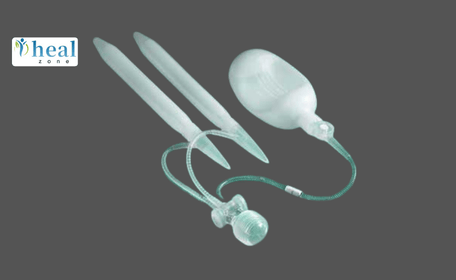
Three-Piece Inflatable Implant:
- Consists of two cylinders placed in the penis, a fluid reservoir located in the abdomen, and a pump situated in the scrotum.
- Produces a firm, natural-looking erection and can be fully deflated.
Two-Piece Inflatable Implant:
- Contains cylinders along with the pump and reservoir, all positioned in the scrotum.
- This option involves simpler surgery but may result in less firm erections.
Malleable (Semi-Rigid) Implants
- Malleable implants consist of bendable rods inserted into the penis. While the penis remains firm, it can be positioned either up or down.
Who Needs a Penile Implant? (Indications & Candidacy)
Penile implants are recommended in the following situations:
- When oral medications and injections are ineffective.
- In cases of severe Peyronie’s disease accompanied by erectile dysfunction (ED).
- After a radical prostatectomy or pelvic trauma.
- When neurological conditions, such as spinal cord injuries, impact erectile function.
Ideal candidates for penile implants are men who are in good overall health, understand that the procedure is irreversible, and have realistic expectations about the outcomes.
Advantages of Penile Implants
- Reliable erections whenever desired
- High satisfaction rates (85–90%)
- Restores spontaneity in sexual life
- Long lifespan (10–15 years for most devices)
- Discreet — concealed within the body
- Aids with penile curvature in Peyronie’s disease
Risks, Complications, and Limitations
Although penile implants are generally safe, they do come with some potential risks, including:
- Infection (1-3%)
- Mechanical failure (rare with modern devices)
- Pain and swelling after surgery
- Scar tissue formation
- A perceived shortening of the penis
It's important to note that once an implant is placed, natural erections cannot return.
The Surgical Procedure (Step-by-Step)
- General or spinal anaesthesia is administered.
- A small incision is made, either at the base of the penis or in the scrotum.
- Cylinders are inserted into the penis.
- For inflatable implants, a pump and reservoir are positioned.
- The incision is closed with sutures.
- The procedure typically lasts between 45 and 90 minutes.
Recovery and Aftercare
- Hospital stay: usually same day or overnight.
- Pain and swelling: managed with medication.
- The catheter may be in place for 12 to 24 hours.
- Light activity can generally be resumed after a week.
- Sexual activity typically resumes in 4 to 6 weeks.
- Complete healing may take up to 3 months.
Longevity and Success Rates
Modern penile implants are reliable and effective.
- Lifespan: 10–15 years on average.
- Success rate: over 90% of patients function well after 10 years.
- Patient and partner satisfaction is consistently high.
Cost and Insurance Coverage
- Cost: $3,000 – $20,000 (varies by type and country)
- Insurance: For insurance coverage, kindly ask your insurance company.
Patient Satisfaction and Quality of Life
Studies indicate that:
- 85–90% of patients report high satisfaction
- Partners experience enhanced intimacy and greater relationship satisfaction
- Psychological benefits include higher self-esteem and increased confidence.
Alternatives to Penile Implants
Before considering penile implant surgery, men might explore options such as:
- PDE5 inhibitors (Viagra, Cialis, etc.)
- vacuum erection devices
- penile injections
- hormonal therapy
- lifestyle changes (diet, exercise, stress management).
If these treatments are unsuccessful, penile implants serve as the final and most effective solution.
Why Choose India for Penile Implant Surgery?
India is a leading destination for penile implant surgery, offering a combination of affordable costs, skilled surgeons, and world-class hospitals. The cost of surgery in India ranges from approximately $3,000 to $20,000, significantly lower than the $15,000 to $25,000 prices typically seen in the U.S. or Europe.
Top Indian hospitals utilise FDA-approved implants, such as the AMS 700 and Coloplast Titan, ensuring adherence to global safety standards. Urologists in India are highly experienced, many having received international training, and they specialise in complex cases of erectile dysfunction.
Additionally, India boasts short waiting times, modern medical facilities, and comprehensive support for medical tourism, including assistance with visas, translators, and travel arrangements. Overall, patients can achieve excellent results at a fraction of the cost compared to other countries.
Why Choose Heal Zone?
Heal Zone is a reputable medical tourism facilitator company in India, with over 15 years of experience. They connect patients with leading urologists and JCI/NABH-accredited hospitals, guaranteeing high-quality care at affordable prices. With an impressive rating of 4.9 out of 5, Heal Zone provides comprehensive support that includes hospital selection, appointment scheduling, travel arrangements, visa assistance, and translation services.
Frequently Asked Questions
- How long do penile implants last?
- Most penile implants last between 10 and 15 years before needing replacement.
- Can you feel the implant during sex?
- No, the implant is internal, and partners typically cannot feel it.
- Does penile implant surgery affect orgasm or ejaculation?
- No, orgasm and sensation remain the same unless another medical condition interferes.
- Is the procedure painful?
- Some pain and swelling may occur initially, but pain medication can help, and discomfort generally subsides within a few weeks.
- Can a penile implant increase penis size?
- No, penile implants restore rigidity but do not enlarge the penis. Some men may perceive a slight reduction in length.
