

Contact Us for Best Neonatologists in India
Best Neonatologists in India
Neurology doctors specialize in disorders of the brain, spine, nerves, and muscles, treating both acute and chronic neurological conditions. From common problems like migraines, epilepsy, and neuropathies to complex diseases such as Parkinson’s, multiple sclerosis, dementia, and stroke, they provide advanced medical care. The best neurology doctors in India are internationally trained and use modern tools like EEG, EMG, and MRI-based diagnostics to ensure accurate treatment. Many also work closely with neurosurgeons and rehabilitation specialists for comprehensive care.
Here are some of the Best Neonatologists in India, trusted globally for their skill in managing neurological conditions.
- New Delhi
- Mumbai
- Kolkata
- IVF and Infertility
- Cardiology
- Cosmetic and Plastic Surgery
- Orthopedic
- Dental
- Dermatology
- Endocrinology
- ENT
- Gastroenterology
- Gynecology and Obstetrics
- Hematology
- Hepatology
- Nephrology
- Neurology
- Obesity and Bariatric Surgery
- Oncology
- Opthalmology
- Pulmonology
- Rheumatology
- Urology
- General Surgery
- Transplant Surgery
- Vascular Surgery
- Pediatrics
- Internal Medicine
- Spine Surgery
- Radiology
- High Cervical Stimulation
- Image-Guided Neurosurgery
- Minimally Invasive Surgery for Brain Tumor
- Lesionectomy
- Liberation Therapy
- Microsurgery for Arteriovenous Malformations (AVMs)
- Microsurgical Tumor Removal
- Microvascular Decompression (MVD)
- Minimally Invasive Brain Surgery
- Multiple Subpial Transections (MST)
- Neuroendoscopy
- Nerve Repair Surgery
- Pediatric Neurosurgery
- Percutaneous Balloon Compression (PBC)
- Percutaneous Stereotactic Radiofrequency Rhizotomy (PSR)
- Peripheral Nerve Surgery
- Rhizotomy
- Skull Base Surgery
- Spinal Cord Stimulation
- Temporal Lobectomy
- Thecoperitoneal Shunt
- Ventriculostomy
- VP Shunt
- Speech Therapy
- 3D printed PEEK Cranioplasty
- CyberKnife Surgery
- Intrathecal Pain Pump
- Digital Nerve Repair
- Robotic-Assisted Nephroureterectomy
- Brain AVM Embolization with Onyx
- Carotid Angioplasty and Stenting
- Carotid Endarterectomy (CEA)
- Cerebral Angiogram
- Cerebral Angioplasty
- Chronic Cerebro Spinal Venous Insufficiency (CCSVI)
- Aneurysm Coiling
- Craniofacial Reconstruction Surgery
- Cranioplasty
- Craniotomy
- Decompressive Craniectomy
- Endovascular Surgery for AVMs
- Epilepsy Surgery
- Stereotactic Radiosurgery (SRS)
- Transcutaneous Electrical Nerve Stimulation (TENS)
- Attention Deficit Hyperactivity Disorder (ADHD) Stimulant Therapy
- Brain Surgery
- Cervical Artificial Disk Replacement
- Cognitive Behavioral Therapy (CBT)
- Corpus Callosotomy
- Deep Brain Stimulation (DBS)
- Electroconvulsive Therapy
- Gamma Knife Radio-Surgery
- Hemispherectomy
- Vertebroplasty and Kyphoplasty
- Nerve Blocks
- Selective Dorsal Rhizotomy
- Transcranial Magnetic Stimulation (TMS)
- Trigeminal Nerve Block
- Vagus Nerve Stimulation
- Pituitary Adenoma
- Pituitary Tumor
- Pseudomeningocele
- Rasmussen's Encephalitis
- Rathke's Cleft Cysts (RCCs)
- Restless Leg Syndrome
- Schizophrenia
- Seizures
- Sensory Ataxia
- Skeletal Dysplasia
- Small Fiber Sensory Neuropathy (SFSN)
- Stiff Person Syndrome
- Sturge Weber Syndrome
- Tarsal Tunnel Syndrome (TTS)
- Tonic-Clonic Seizures
- Tourette Syndrome
- Transient Global Amnesia (TGA)
- Transverse Myelitis
- Trigeminal Neuralgia
- Vasculitic Neuropathy
- Vestibular Schwannoma
- Torticollis
- Acute Flaccid Myelitis (AFM)
- Arthritis of the Spine (Spondylosis)
- Chiari Malformation
- Discitis
- Lumbar Spinal Stenosis
- Spina Bifida
- Syringomyelia
- Acromegaly
- Encephalitis
- Amnesia
- Medulloblastoma
- Amyloidosis
- Amyotrophic Lateral Sclerosis (ALS)
- Anaplastic Astrocytoma
- Arachnoid Cysts
- Arteriovenous Fistula (AVF)
- Ataxia
- Atypical Parkinsonism
- Basal Ganglia Stroke
- Bell's Palsy
- Benign Rolandic Epilepsy
- Bipolar Psychosis
- Brain Hemorrhage
- Brain Stem Glioma
- Carotid Artery Stenosis
- Cerebral Cavernous Malformation (CCM)
- Cerebellopontine Angle (CPA) Tumors
- Brain Atrophy
- Cerebrovascular Insufficiency
- Cervical Spinal Stenosis
- Charcot-Marie-Tooth Disease
- Choroid Plexus Tumor
- Congenital Malformations of the Brain and Spine
- Convexity Meningioma
- Craniofacial Malformations
- Craniopharyngioma
- Craniosynostosis (Craniostenosis)
- Cubital Tunnel Syndrome
- Tethered Spinal Cord Syndrome
- Primary Central Nervous System (CNS) Lymphoma
- Diabetic Neuropathy
- Duchenne Muscular Dystrophy (DMD)
- Dysembryoplastic Neuroepithelial Tumor (DNET)
- Encephalocele
- Ependymoma
- Olfactory Neuroblastoma
- Fibrillary Astrocytoma
- Guillain-Barre Syndrome (GBS)
- Hemangioblastoma
- Hemangiopericytoma
- Hemimegalencephaly
- HIV Neuropathy
- Hydrocephalus
- Idiopathic Intracranial Hypertension (IIH)
- Idiopathic Neuropathy
- Infantile Spasm
- Joubert Syndrome
- Juvenile Myoclonic Epilepsy
- Juvenile pilocytic astrocytoma (JPA)
- Kleine-Levin Syndrome
- Korsakoff's Syndrome
- Malignant Peripheral Nerve Sheath Tumor (MPNST)
- Meralgia Paresthetica
- Mild Cognitive Impairment (MCI)
- Motor Neuron Disease
- Brachial Plexus Palsy
- Myoclonic Atonic Epilepsy
- Nasopharyngeal Angiofibroma
- Nerve Injury
- Nerve Sheath Tumor
- Neurofibroma
- Normal Pressure Hydrocephalus (NPH)
- Occipital Neuralgia
- Oligodendroglioma
- Optic Nerve Glioma
- Osteoma
- Paraplegia
- Partial Seizures
- Pediatric Brain and Spine Injuries
- Peripheral Neuropathy
- Peroneal Nerve Injury
- Arteriovenous Malformation (AVM)
- Subcortical Vascular Dementia
- Astrocytoma
- Chordomas
- Gliomas Tumors
- Meningioma
- Autism Spectrum Disorder
- Acoustic Neuroma
- Acute Disseminated Encephalomyelitis (ADEM)
- ALD (Adrenoleukodystrophy)
- Alzheimer's Disease
- Avoidant Personality Disorder
- Back Pain in Athletes
- Back Strains and Sprains
- Bipolar Disorder
- Bladder and Bowel Dysfunction in Multiple Sclerosis (MS)
- Body Dysmorphic Disorder
- Botulism
- Brain Aneurysm
- Brain Cancer (Brain Tumor)
- Brain: Temporal Lobe, Vagal Nerve, & Frontal Lobe
- Cerebral Palsy
- Cervical Spondylosis
- Childhood Schizophrenia
- Chronic Migraine
- Chronic Traumatic Encephalopathy (CTE)
- Circadian Rhythm Sleep Disorders
- Cluster Headaches
- Degenerative Disc Disease
- Dementia
- Developmental Delay in Children
- Devic's Disease (Neuromyelitis)
- Dissociative Amnesia
- Dissociative Disorders
- Dyslexia
- Dystonia
- Epilepsy
- Essential Tremor
- Factitious Disorders
- Febrile Seizures
- Frontal Lobe Epilepsy
- Frontotemporal Dementia (FTD)
- Glioblastoma Tumors
- Glossopharyngeal Neuralgia (GPN)
- Headache
- Headaches in Children and Adolescents
- Hemicrania Continua
- Herniated Disk (Slipped, Ruptured or Bulging Disk)
- Hydrocephalus in Children
- Hyperkalemia (High Potassium)
- Hypothalamic Hamartoma
- Hypothermia (Low Body Temperature)
- Anxiety Disorder (Hypochondria, Hypochondriasis)
- Insomnia
- Leukodystrophy
- Lewy Body Dementia
- Lower Back Pain
- Lyme Disease
- Migraines in Children and Adolescents
- Mild Cognitive Impairment
- Mitochondrial Diseases
- Moyamoya Disease
- Multiple Sclerosis (MS)
- Muscular Dystrophy
- Myasthenia Gravis (MG)
- Narcolepsy
- Narcolepsy in Children
- Neck Sprain
- Neuroblastoma
- Neurofibromatosis Type 1 (NF1)
- Neurofibromatosis Type 2 (NF2)
- Neurogenic Bladder
- Obsessive-Compulsive Disorder
- Oppositional Defiant Disorder
- Optic Neuritis
- Paralysis
- Parkinson's Disease
- Pediatric Multiple Sclerosis
- Periodic Limb Movement Disorder (PLMD) in Adults
- Persistent Depressive Disorder (PDD)
- Postherpetic Neuralgia
- Postpartum Depression
- Reversible Cerebral Vasoconstriction Syndrome
- Schizoaffective Disorder
- Schwannomas
- Sinus Headache
- Spasmodic Dysphonia
- Spasticity
- Stroke
- Subarachnoid Hemorrhage (SAH)
- Subdural Hematoma
- Susac Syndrome
- Transient Ischemic Attack (TIA) or Mini Stroke
- Traumatic Brain Injury
- Trichotillomania
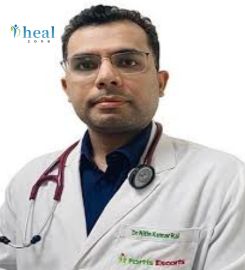

Who are neurology doctors and what conditions do they treat?
The Best Neonatologists in India specialize in the diagnosis and treatment of disorders affecting the nervous system, including the brain, spinal cord, peripheral nerves, and muscles. They manage conditions like stroke, epilepsy, Parkinson’s disease, Alzheimer’s disease, multiple sclerosis (MS), migraine, neuropathies, muscular dystrophies, myasthenia gravis, and neuroinfections. Neurologists also address developmental and congenital neurological disorders in children, offering continuity of care across age groups.
Why should I consult a neurologist in India?
India is a preferred destination for neurology care for several reasons:
- Neurologists are trained at globally recognized institutes.
- They use advanced diagnostic methods like MRI, PET, EEG, and EMG.
- Success rates are on par with the best neurological centers in the world.
- The costs are 70-80% lower compared to Western countries.
Together, these strengths make Indian neurologists highly sought after by both domestic and international patients.
What services do the Best Neonatologists in India provide?
Neurologists in India offer a full spectrum of services for neurological health. These services include:
- Diagnostic evaluation using EEG, EMG, MRI, CT, PET scans, and lumbar punctures.
- Medical management of epilepsy, MS, Parkinson’s, dementia, and neuropathies.
- Stroke care, including rapid thrombolysis and long-term secondary prevention.
- Neuromuscular disorder management with medication, physiotherapy, and rehabilitation.
- Counseling and patient education for chronic neurological diseases.
Together, these services help patients achieve early diagnosis, effective treatment, and improved quality of life.
What is the success rate of neurology treatments in India?
The Best Neonatologists in India report high success rates:
- Epilepsy: >70% patients achieve seizure-free status with optimized therapy.
- Parkinson’s disease: significant improvement in motor symptoms with drugs and DBS referrals.
- Stroke: improved survival and recovery when treatment is started within the “golden hour.”
- MS: disease-modifying therapies slow progression in most patients.
- Dementia: while not curable, therapies improve quality of life and support caregivers.
These outcomes highlight India’s growing reputation as a global hub for neurology.
What is the average cost of neurology care in India for overseas patients?
Patients can expect transparent pricing:
- Consultation: USD 40 - USD 60
- EEG/EMG: USD 150 - USD 300
- MRI brain/spine: USD 300 - USD 600
- Stroke treatment (acute phase): USD 3,500 - USD 6,000
- Multiple sclerosis therapy (annual): USD 7,000 - USD 12,000
- Parkinson’s management (annual): USD 5,000 - USD 8,000
- Hospital stay per day: USD 100 - USD 250
These packages offer excellent value compared to Western nations, where similar care may cost five to ten times more.
How long will I need to stay in India for neurological treatment?
- Diagnostic evaluation: 3-5 days
- Stroke management and rehab: 2-3 weeks
- Epilepsy treatment adjustment: 1-2 weeks
- Parkinson’s/MS care initiation: 1 week
This ensures adequate evaluation, treatment initiation, and recovery.
Do Indian neurologists treat both adults and children?
Yes. Pediatric neurologists in India treat epilepsy, developmental delays, cerebral palsy, autism, and muscular disorders in children, while adult neurologists handle stroke, dementia, MS, and Parkinson’s.
Can I consult a neurologist in India online before traveling?
Yes. Patients can share MRI scans, EEG reports, and test results. The Best Neonatologists in India provide online consultations, second opinions, and treatment cost estimates to help patients plan better.
What about follow-up after returning home?
Chronic neurological conditions require regular follow-up. Indian neurologists provide teleconsultations to adjust medications, monitor disease progression, and review test results, ensuring ongoing care.
Do neurologists in India recommend lifestyle changes?
Yes. They emphasize the role of physiotherapy, occupational therapy, dietary guidance, and cognitive training in managing neurological disorders. This integrated approach improves long-term outcomes.
What do international patients say about treatment in India?
Many overseas patients report positive experiences. They value the combination of world-class expertise, advanced technology, and affordability. Short waiting times and personalized care also make India attractive for neurological treatment.
Will consulting the Best Neonatologists in India improve my quality of life?
Yes. By restoring lost function, preventing complications, and managing chronic symptoms, the Best Neonatologists in India help patients regain independence, mobility, and cognitive well-being.
