

Contact Us for Best Tricuspid Valve Regurgitation Treatment Doctors in India
Best Tricuspid Valve Regurgitation Treatment Doctors in India
Tricuspid valve regurgitation is a complex cardiac condition that demands refined imaging, multidisciplinary judgment and precise intervention — and India’s leading heart teams deliver all three. The best doctors for tricuspid regurgitation in India are cardiologists and cardiac surgeons with advanced training in valve disease, structural-heart interventions and transcatheter therapies. They combine years of surgical and catheter experience with modern imaging (3D-TEE, CT) and team-based decision making to offer valve repair, replacement or minimally invasive transcatheter options. International patients choose these world-renowned heart-specialists in India for expertise, measurable outcomes and cost-effective care.
Below is the list of the Best Tricuspid Valve Regurgitation Treatment Doctors in India — top heart teams trusted by global patients for high-quality, affordable treatment.
- New Delhi
- Mumbai
- Kolkata
- IVF and Infertility
- Cardiology
- Cosmetic and Plastic Surgery
- Orthopedic
- Dental
- Dermatology
- Endocrinology
- ENT
- Gastroenterology
- Gynecology and Obstetrics
- Hematology
- Hepatology
- Nephrology
- Neurology
- Obesity and Bariatric Surgery
- Oncology
- Opthalmology
- Pulmonology
- Rheumatology
- Urology
- General Surgery
- Transplant Surgery
- Vascular Surgery
- Pediatrics
- Internal Medicine
- Spine Surgery
- Radiology
- Aneurysm Surgery: Traditional Open Surgery
- Automatic Implantable Cardioverter Defibrillator (AICD)
- Ambulatory BP Monitoring (ABPM)
- Aortic Dissection Repair Surgery
- Aortic Stent Grafting
- Aortic Surgery
- Aortic Valve Repair (AVR)
- Aortic Valve Replacement (AVR)
- Arterial Switch Surgery
- Atrial Septal Defect (ASD) Closure
- Atrioventricular Canal Repair
- Balloon Septostomy
- Balloon Valvuloplasty
- Beating Heart Surgery
- Bentall Surgery
- Blalock-Taussig (BT) Shunt
- Cardiac Ablation
- Cardiac Catheterization
- Cardiac Resynchronization Therapy
- Cardiac Tumor Treatment
- Complex Congenital Heart Surgeries
- Congestive Heart Failure (CHF) Treatment
- Coronary Angiogram
- Coronary Angioplasty
- Coronary Stents
- Coronary Thrombectomy
- Cardiac Resynchronization Therapy with Defibrillator (CRT-D)
- Cardiac Resynchronization Therapy with Pacemaker (CRT-P)
- Device Closure For ASD
- VSD Device Closure
- Device Closure For PDA
- Double Valve Replacement (DVR)
- Drug Eluded Stent
- Dual Chamber Pacemaker
- Fontan Conversion Surgery
- Fontan Procedure
- Glenn Procedure
- Coronary Artery Bypass Graft(CABG) Surgery
- Minimally Invasive CABG
- Heart Lung Transplant
- Impella Device Implantation
- Intra-Aortic Balloon Pump (IABP)
- LV Restoration Surgery
- Mechanical Valve Replacement – MVR
- Mitral Valve Replacement
- Myectomy-Myotomy
- Myocardial Perfusion Imaging (MPI) Test
- Neonatal And Infant Cardiac Surgeries
- Norwood Procedure
- Off-Pump CABG
- On-Pump CABG
- PDA Ligation
- Pediatric Cardiomyopathy Treatment
- Pediatric Heart Surgery
- Percutaneous Coronary Intervention (PCI)
- Percutaneous Myocardial Laser Revascularization
- Percutaneous Valve Replacement
- Percutaneous Transluminal Coronary Angioplasty (PTCA)
- Percutaneous Transvenous Mitral Commissurotomy (PTMC)
- Pulmonary Valve Repair
- Pulmonary Valve Replacement
- Radiofrequency Ablation
- Revision CABG
- Rhabdomyomas
- Rotational Atherectomy
- Stress Echocardiography
- Tissue Valve Replacement
- Transarterial Radioembolization (TARE)
- Transmyocardial Revascularization (TMR)
- Tricuspid Valve Replacement
- Truncus Arteriosus Repair
- Wearable Cardioverter Defibrillator
- Aortic Stenosis Treatment
- Aortic Valve Regurgitation Treatment
- Cardiac Arrest
- Cardiac Cyst
- Cardiac Tumour Treatment
- Cardiomyopathy Treatment
- Coronary Artery Disease (CAD)
- Heart Attack Treatment
- Heart Bypass Surgery (CABG)
- Heart Bypass- Minimally Invasive CABG
- Heart Failure Treatment
- Hypertrophic Cardiomyopathy
- Left Ventricular Valve Dysfunction
- Left ventricular assist device (LVAD)
- Minimal Access Surgeries for Valves
- Mitral Valve Regurgitation
- Pulmonary Hypertension
- Single Bypass and Valve Replacement
- Trans Aortic Valve Replacement (TAVR) Surgery
- Heart Valve Repair
- Heart Valve Replacement
- Transesophageal Echocardiography (TEE)
- ASD/VSD Device Closure
- Ablation Therapy
- Angiography
- Aorta Surgery
- Aortic Valve Surgery
- Aortic Valve Surgery in the Young Patient
- Ross Procedure
- Biventricular Pacemaker
- Cardiac Devices for Patients with Heart Failure
- Cardiac Implant Closure Devices in Adults
- Cardiac Implantable Electronic Device Replacement
- Catheter Ablation
- Complex Aorta Surgery
- Congenital Heart Disease Treatments
- Coronary Artery Bypass Surgery (CABG)
- Coronary Brachytherapy
- Electrical Cardioversion
- Endoleak Treatments
- Endovascular Repair of Thoracic Aortic Aneurysms
- Endovascular Stent Graft: Aortic Aneurysm Repair
- Enhanced External Counterpulsation (EECP)
- Heart Failure Surgery
- Open Heart Surgery
- Maze Procedure (Atrial Fibrillation Surgery)
- Heart Transplant
- Heart Valve Surgery
- Implantable Cardioverter Defibrillator (ICD)
- Infective Endocarditis Surgery
- Intermittent Pneumatic Compression (IPC) Device
- Intestinal PAD Bypass Surgery
- Intestinal PAD Visceral Artery Aneurysm Surgery
- Laparoscopic Antireflux Surgery
- Left Atrial Appendage & Closure
- Left Ventricular Assist Devices (Mechanical Circulatory Support MCS)
- Left Ventricular Reconstructive Surgery (Modified Dor Procedure)
- Minimally Invasive Heart Surgery
- Minimally Invasive Mitral Valve Repair
- Mitral Valve Repair
- Paravalvular Leak Closure
- Pericardiectomy
- Permanent Pacemaker
- Radial Artery & Saphenous Vein Harvesting
- Robotically Assisted Atrial Septal Defect Repair
- Robotically Assisted Heart Surgery
- Robotically Assisted Mitral Valve Repair
- Robotically Assisted Removal of Cardiac Tumors
- Tricuspid Valve Repair
- Septal Myectomy
- Transcatheter Aortic Valve Replacement (TAVR)
- Transcatheter Pulmonary Valve Replacement (TPVR)
- Video-Assisted Thoracic Surgery (VATS)
- Patent Foramen Ovale (PFO) Closure
- Fetal Heart Disease
- Aberrant Subclavian Artery
- ALCAPA - Anomalous Left Coronary Artery from the Pulmonary Artery
- Aortic and Mitral Atresia
- Aortic Stenosis
- Aortic Valve Regurgitation
- Atrial Tachycardia
- Atrioventricular Canal Defect (AVC Defect)
- Atrioventricular Septal Defect (AVSD)
- Cardiac Arrest
- Cardiac Cyst
- Congenital Heart Anomaly
- Congenital Heart Disease (CHD)
- Cyanotic Heart Defects
- Dextro-Transposition of the Great Arteries (d-TGA)
- Dextrocardia
- Double Aortic Arch
- Double Inlet Left Ventricle (DILV)
- Ebstein's Anomaly
- Heart Birth Defects
- Hole in the Heart
- Hypoplastic Right Heart Syndrome (HRHS)
- Interrupted Aortic Arch (IAA)
- Irregular Heartbeat
- Left Ventricular Valve Dysfunction
- Mitral Valve Regurgitation
- Non-Cyanotic Heart Defects
- Partial Anomalous Pulmonary Venous Connection (PAPVC)
- Pentalogy of Cantrell
- Persistent Truncus Arteriosus
- Pulmonary Atresia
- Pulmonary Hypertension
- Pulmonary Stenosis
- Scimitar Syndrome
- Shone's Complex
- Supraventricular Tachycardia
- Tetralogy of Fallot
- Total Anomalous Pulmonary Venous Connection (TAPVC)
- Transposition of the Great Vessels
- Tricuspid Valve Regurgitation
- Ventricular Septal Defect (VSD)
- Viral Myocarditis
- Wolff-Parkinson-White Syndrome
- Coronary Fistula
- Levo-Transposition of the Great Arteries (l-TGA)
- Automatic Implantable Cardioverter Defibrillator (AICD)
- Hyperlipidemia
- Portal Hypertension
- Adventitial Cystic Disease
- Angina
- Abdominal Aortic Aneurysm
- Aortic Aneurysm
- Thoracic Aortic Aneurysm
- Aortic Coarctation
- Aortic Dissection
- Arrhythmia
- Arrhythmogenic Right Ventricular Dysplasia (ARVD)
- Atherosclerosis
- Atrial Fibrillation (AFIB)
- Atrial Septal Defect (ASD)
- Axillo-Subclavian Vein Thrombosis
- Bicuspid Aortic Valve Disease
- Cardiovascular Disease
- Cerebrovascular Occlusive Disease
- Cervical (Carotid or Vertebral) Artery Dissection
- Chronic Thromboembolic Pulmonary Hypertension (CTEPH)
- Chronic Venous Insufficiency (CVI)
- Coronary Artery Disease
- Dilated Cardiomyopathy
- Double Outlet Right Ventricle
- Endocarditis
- Enlarged Heart (Cardiomegaly)
- Esophageal Cancer
- Esophageal Diverticulum
- Extracranial Carotid Artery Aneurysm
- Hantavirus Pulmonary Syndrome (HPS)
- Heart Cancer
- Heart Palpitations
- Heart Valve Disease
- High Blood Pressure (Hypertension)
- High Cholesterol in Children
- Hypertrophic Cardiomyopathy
- Hypoplastic Left Heart Syndrome (HLHS)
- Heart Failure
- Patent Ductus Arteriosus (PDA)
- Patent Foramen Ovale (PFO)
- Pediatric and Congenital Heart Conditions
- Peripartum Cardiomyopathy
- Peripheral Artery Disease (PAD)
- Postural Orthostatic Tachycardia Syndrome (POTS)
- Premature Ventricular Contractions
- Spontaneous Coronary Artery Dissection (SCAD)
- Valve Disease
- Ventricular Tachycardia

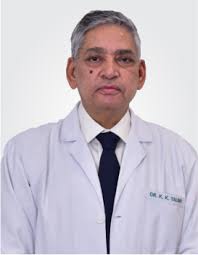
Dr. Kewal Kishan Talwar

MBBS, MD, DM, FAMS, FRCP
45 Years of Experience
Cardiologist
Pushpawati Singhania Research Institute (PSRI), Hospital, New Delhi

Dr. Mohan Bhargava
MBBS, DNB, DM, FACC, FESC, FICC, FIMSA, FIAMS
30 Years of Experience
Interventional Cardiologist


Dr. Rajneesh Malhotra
MBBS, MCh, Fellowship
30 Years of Experience
Cardiothoracic and Vascular Surgeon
Contact Us for Best Tricuspid Valve Regurgitation Treatment Doctors in India


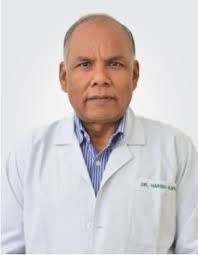
Dr. Harish Kapila
MBBS, MD, DM, FACC, FIC
40 Years Years of Experience
Cardiologist
Pushpawati Singhania Research Institute (PSRI), Hospital, New Delhi

Dr. V.P. Choudhry
MBBS, MD, DM
40 Years Years of Experience
Cardiologist
Pushpawati Singhania Research Institute (PSRI), Hospital, New Delhi

Contact Us for Best Tricuspid Valve Regurgitation Treatment Doctors in India
Who are the Best Tricuspid Valve Regurgitation Treatment Doctors in India?
Top clinicians for tricuspid regurgitation are interventional cardiologists, echocardiographers, and cardiothoracic surgeons who specialise in valvular heart disease and structural interventions. Look for doctors who: fellowship-trained in structural heart disease or adult congenital/valve surgery, lead Heart Teams that include imaging experts (3D-TEE/CT), and have a track record of performing surgical repair/replacement and transcatheter interventions (edge-to-edge repair or transcatheter replacement). Indian centres now host teams performing TriClip (edge-to-edge) and other TTVI procedures alongside conventional surgery. Choosing an experienced team improves patient selection, procedural planning and outcomes.
How can you verify a surgeon or interventionalist?
Ask for: clinical CV (fellowships, publications), institutional procedure volumes, complication and pacemaker rates, and references from prior international patients. HealZone vets credentials and outcomes and can provide a shortlist of the top 10 doctors for tricuspid regurgitation in India tailored to your case.
What Is Tricuspid Valve Regurgitation?
Tricuspid regurgitation (TR) occurs when the tricuspid valve — the valve that separates the right atrium and right ventricle — fails to close properly, allowing backward flow of blood during ventricular contraction. This can cause symptoms such as fatigue, breathlessness, swelling of the legs and abdomen (fluid retention), and worsening liver congestion in advanced cases. TR may be primary (valve leaflet disease, congenital like Ebstein’s anomaly) or secondary/functional (dilated right ventricle or pulmonary hypertension).
Causes, symptoms, risks and complications-
- Primary TR: congenital malformations, infective endocarditis, rheumatic disease, trauma.
- Secondary (functional) TR: most common — due to right ventricular dilatation from left-sided heart disease, pulmonary hypertension, or chronic atrial fibrillation.
- Symptoms: early fatigue and exertional breathlessness; as TR progresses, leg swelling, abdominal bloating, jugular venous distension and liver congestion may appear.
- Risks: untreated severe TR can lead to irreversible right-sided heart failure, liver dysfunction and poor quality of life. Early evaluation allows timing of appropriate intervention before end-organ damage.
How do India’s Top Doctors Diagnose and Treat Tricuspid Regurgitation?
- Transthoracic echocardiography (TTE): first-line test to grade TR severity and assess RV size and function.
- Transesophageal echocardiography (TEE, often 3D-TEE): essential for detailed valve anatomy and procedural planning, especially for transcatheter edge-to-edge repair.
- CT angiography: accurate annular sizing, evaluation of right heart chambers and vascular access planning.
- Right heart catheterisation: measures pulmonary pressures when pulmonary hypertension is suspected.
Comprehensive imaging by experienced echocardiographers is a cornerstone of high-quality tricuspid care.
What treatment approaches are available?
Treatment depends on cause, severity, symptoms and surgical risk:
Medical therapy-
- Diuretics for fluid control, rate/rhythm control for atrial fibrillation, and treatment of underlying left-sided disease or pulmonary hypertension. Medical therapy is primarily symptomatic and does not correct valve leakage.
Surgical repair or replacement (open or minimally invasive)-
- Tricuspid repair (annuloplasty rings/bands, leaflet repair) is preferred when feasible — preserves native valve and has lower prosthesis-related risks.
- Tricuspid valve replacement (bioprosthetic or rarely mechanical) is used when repair is not possible. Replacement carries lifelong considerations (anticoagulation for mechanical valves, structural degeneration for bioprostheses).
Surgery is traditionally performed via sternotomy, though some centres offer minimally invasive approaches. Good surgical outcomes depend on timing — early referral before severe RV dysfunction improves survival.
Transcatheter tricuspid interventions (TTVI/TTVR)-
- Edge-to-edge repair (TEER) — devices such as TriClip (Abbott) and PASCAL (Edwards) grasp leaflets to reduce regurgitation, similar to MitraClip for mitral valve. These are indicated for symptomatic severe TR in patients at intermediate or greater surgical risk. TriClip has demonstrated symptomatic and functional improvements in appropriately selected patients.
- Annuloplasty devices — transcatheter rings or devices that reduce annulus size and improve leaflet coaptation.
- Transcatheter tricuspid valve replacement (TTVR) — investigational and emerging, targeted at patients unsuitable for repair; several devices are at various stages of clinical use and trials. India is adopting selected transcatheter tricuspid options in high-volume centres.
Hybrid approaches combine surgical and transcatheter techniques and are tailored by Heart Teams.
What Are the Available Treatment Options for Tricuspid Regurgitation in India?
1. Conservative / Medical management
- Diuretics for decongestion, management of heart failure medications, rhythm control strategies for AF.
2. Surgical options
- Tricuspid valve repair (preferred when possible): annuloplasty (ring or band), chordal/leaflet repair. Advantages: preserves native anatomy, lower thrombosis risk.
- Tricuspid valve replacement: used when repair is not feasible. Choice of prosthesis depends on age, anticoagulation suitability and expected durability. Advantages: reliable elimination of regurgitation when repair cannot achieve competence.
3. Transcatheter interventions (TTVI/TTVR)
- Edge-to-edge (TriClip, PASCAL): minimally invasive, lower peri-procedural risk, indicated for symptomatic patients at higher surgical risk. Clinical trials show symptom and quality-of-life improvement.
- Annuloplasty devices & valve-in-valve procedures: available at some centres, useful in specific anatomy.
- Transcatheter replacement (TTVR): emerging option for selected patients; availability is centre-dependent.
Advantages and limitations-
- Surgery: durable, but higher perioperative risk in frail patients and those with prior cardiac operations.
- Transcatheter: less invasive, faster recovery; may be limited by anatomy (leaflet tethering, large annulus) and long-term durability data are maturing.
What are the Types of Devices Used?
- TriClip (Abbott) — transcatheter edge-to-edge device adapted for tricuspid repair; CE marked and increasingly adopted in Asia-Pacific centres.
- PASCAL (Edwards Lifesciences) — another TEER platform used for tricuspid repair in appropriate patients.
- Annuloplasty devices — transcatheter rings or suture-based systems under clinical use/trials.
- TTVR devices — several companies developing transcatheter valves specifically for the tricuspid position (availability depends on regulatory approvals and centre adoption).
In India, high-volume structural heart centres now offer TriClip and PASCAL procedures, while TTVR availability is expanding in selected centres. Device choice depends on annulus size, leaflet anatomy, and the Heart Team’s experience.
Why Choose India for Tricuspid Regurgitation?
Clinical strengths-
- Experienced multidisciplinary teams: Many Indian centres run integrated heart valve programmes that include structural interventionists, cardiac surgeons, advanced imaging and rehab.
Infrastructure & accreditation-
- Hybrid cath-labs and advanced imaging support complex TTVI procedures; leading hospitals maintain NABH/JCI standards for patient safety and international care.
Cost-effectiveness-
- India offers high-quality valve care at a fraction of the cost in Western centres. Typical cardiac valve procedures and transcatheter interventions are often 40–70% less expensive, making India attractive for international patients seeking value for complex cardiac care. (Specific costs vary by hospital, device and complexity — see cost table below.)
Access and continuity-
- International-patient programmes provide teleconsultation, visa assistance, on-site coordination and tele-follow-up to ensure safe treatment and continuity once a patient returns home. HealZone facilitates these services end-to-end.
What are the Success Rates of Tricuspid Regurgitation Treatments in India?
Surgical outcomes-
- Repair outcomes are generally favourable when performed before advanced RV dysfunction; hospital series report good survival and symptom relief with timely repair/replacement in experienced centres. Individual success depends on preoperative RV function, comorbidities and urgency.
Transcatheter outcomes-
- TEER devices like TriClip and PASCAL have shown reductions in TR grade, symptomatic improvement and better functional status in clinical studies and registries. Asia-Pacific reviews indicate growing adoption and encouraging early outcomes in regional centres. Long-term durability data continue to accumulate.
Comparisons with Western standards-
- High-volume Indian centres report outcomes and safety profiles that are comparable to international benchmarks when procedures are performed in accredited hospitals by experienced teams. As with all valve care, careful patient selection and Heart-Team decision making are the keys to success.
What Is the Cost of Tricuspid Regurgitation Treatment in India?
Estimates are indicative — actual costs depend on hospital, city, device, ICU needs and length of stay. Always request an itemised international-patient package.
|
Type of Procedure / Pathway |
Estimated Cost (USD) |
|
Medical management and imaging workup |
$600 – $2,000 |
|
Surgical tricuspid valve repair (isolated) |
$4,000 – $9,000 |
|
Tricuspid valve replacement (isolated, bioprosthetic) |
$6,000 – $14,000 |
|
Transcatheter edge-to-edge repair (TriClip/PASCAL; device cost varies) |
$12,000 – $30,000+ |
|
Complex redo surgery or combined procedures (multi-valve/CABG) |
$10,000 – $30,000+ |
Cost drivers: device selection (transcatheter devices are a major cost component), hospital class, ICU stay, need for pacemaker, and pre/post-procedure imaging and rehabilitation. India frequently offers significant savings compared to Western markets while maintaining accredited standards.
How Long Is the Recovery Process?
Surgery (repair/replacement)-
- Hospital stay: typically 5–10 days for uncomplicated cases; longer if complications or redo procedures.
- Recovery milestones: wound healing in 2–3 weeks, gradual increase in activity over 6–12 weeks, formal cardiac rehabilitation for months.
- Follow-up: early clinic/Echo at 4–6 weeks, then 6 months and annual surveillance.
Transcatheter repair (TEER)-
- Hospital stay: many patients discharged within 48–72 hours in uncomplicated cases.
- Recovery: quicker return to activity (days to weeks) with scheduled echo at discharge, 30 days and ongoing surveillance.
- Rehabilitation: cardiac rehab recommended to optimise functional gains.
International patients commonly plan 1–2 weeks in India for evaluation, procedure and early recovery (longer if surgical or complex). HealZone helps schedule appropriate recovery periods and local rehab coordination.
What Post-Treatment and Follow-Up Care Are Provided?
Leading hospitals provide:
- Structured discharge planning: medications, activity guidelines, wound care, and anticoagulation counselling if needed.
- Cardiac rehabilitation: exercise prescription, diet and risk modification.
- Telemedicine follow-up: virtual consultations for international patients, remote ECG/Echo reporting and medication adjustment.
- Coordination with home-country physicians: shared care plans and local testing arrangements to ensure continuity.
These services reduce readmissions and support long-term valve function monitoring.
How HealZone Supports International Patients?
HealZone streamlines your journey from first contact to long-term follow-up:
- Doctor & hospital selection: We match you to the best doctor for tricuspid regurgitation in India based on your clinical profile and risk.
- Pre-procedure teleconsultation: Secure transfer of imaging (Echo/CT) for Heart-Team triage and a preliminary treatment plan.
- Travel & visa assistance: Medical-visa letters, appointment scheduling and airport pickup.
- Transparent cost estimates: Itemised international-patient packages with device options and rehab.
- Accommodation & local support: Family-friendly lodging and on-ground case managers.
- Postoperative care & tele-follow: Virtual consultations and coordination with your local cardiologist for long-term monitoring.
HealZone ensures clinical transparency, logistical ease and accountable follow-up — so you can focus on recovery.
