

Contact Us for Best Tetralogy of Fallot Treatment Doctors in India
Best Tetralogy of Fallot Treatment Doctors in India
Tetralogy of Fallot (TOF) is one of the most common complex congenital heart defects, involving four structural abnormalities that affect oxygen flow through the heart. The Best Tetralogy of Fallot Treatment Doctors in India are world-renowned pediatric and congenital cardiac surgeons who specialize in performing complete corrective surgery for TOF, ensuring restored blood flow and improved oxygen levels. With advanced imaging, precise surgical techniques, and dedicated post-operative care, they deliver exceptional outcomes for infants, children, and adults.
Here are some of the Best Tetralogy of Fallot Treatment Doctors in India, internationally recognized for their skill, experience, and compassionate approach in treating Tetralogy of Fallot (TOF).
- New Delhi
- Mumbai
- Kolkata
- IVF and Infertility
- Cardiology
- Cosmetic and Plastic Surgery
- Orthopedic
- Dental
- Dermatology
- Endocrinology
- ENT
- Gastroenterology
- Gynecology and Obstetrics
- Hematology
- Hepatology
- Nephrology
- Neurology
- Obesity and Bariatric Surgery
- Oncology
- Opthalmology
- Pulmonology
- Rheumatology
- Urology
- General Surgery
- Transplant Surgery
- Vascular Surgery
- Pediatrics
- Internal Medicine
- Spine Surgery
- Radiology
- Aneurysm Surgery: Traditional Open Surgery
- Automatic Implantable Cardioverter Defibrillator (AICD)
- Ambulatory BP Monitoring (ABPM)
- Aortic Dissection Repair Surgery
- Aortic Stent Grafting
- Aortic Surgery
- Aortic Valve Repair (AVR)
- Aortic Valve Replacement (AVR)
- Arterial Switch Surgery
- Atrial Septal Defect (ASD) Closure
- Atrioventricular Canal Repair
- Balloon Septostomy
- Balloon Valvuloplasty
- Beating Heart Surgery
- Bentall Surgery
- Blalock-Taussig (BT) Shunt
- Cardiac Ablation
- Cardiac Catheterization
- Cardiac Resynchronization Therapy
- Cardiac Tumor Treatment
- Complex Congenital Heart Surgeries
- Congestive Heart Failure (CHF) Treatment
- Coronary Angiogram
- Coronary Angioplasty
- Coronary Stents
- Coronary Thrombectomy
- Cardiac Resynchronization Therapy with Defibrillator (CRT-D)
- Cardiac Resynchronization Therapy with Pacemaker (CRT-P)
- Device Closure For ASD
- VSD Device Closure
- Device Closure For PDA
- Double Valve Replacement (DVR)
- Drug Eluded Stent
- Dual Chamber Pacemaker
- Fontan Conversion Surgery
- Fontan Procedure
- Glenn Procedure
- Coronary Artery Bypass Graft(CABG) Surgery
- Minimally Invasive CABG
- Heart Lung Transplant
- Impella Device Implantation
- Intra-Aortic Balloon Pump (IABP)
- LV Restoration Surgery
- Mechanical Valve Replacement – MVR
- Mitral Valve Replacement
- Myectomy-Myotomy
- Myocardial Perfusion Imaging (MPI) Test
- Neonatal And Infant Cardiac Surgeries
- Norwood Procedure
- Off-Pump CABG
- On-Pump CABG
- PDA Ligation
- Pediatric Cardiomyopathy Treatment
- Pediatric Heart Surgery
- Percutaneous Coronary Intervention (PCI)
- Percutaneous Myocardial Laser Revascularization
- Percutaneous Valve Replacement
- Percutaneous Transluminal Coronary Angioplasty (PTCA)
- Percutaneous Transvenous Mitral Commissurotomy (PTMC)
- Pulmonary Valve Repair
- Pulmonary Valve Replacement
- Radiofrequency Ablation
- Revision CABG
- Rhabdomyomas
- Rotational Atherectomy
- Stress Echocardiography
- Tissue Valve Replacement
- Transarterial Radioembolization (TARE)
- Transmyocardial Revascularization (TMR)
- Tricuspid Valve Replacement
- Truncus Arteriosus Repair
- Wearable Cardioverter Defibrillator
- Aortic Stenosis Treatment
- Aortic Valve Regurgitation Treatment
- Cardiac Arrest
- Cardiac Cyst
- Cardiac Tumour Treatment
- Cardiomyopathy Treatment
- Coronary Artery Disease (CAD)
- Heart Attack Treatment
- Heart Bypass Surgery (CABG)
- Heart Bypass- Minimally Invasive CABG
- Heart Failure Treatment
- Hypertrophic Cardiomyopathy
- Left Ventricular Valve Dysfunction
- Left ventricular assist device (LVAD)
- Minimal Access Surgeries for Valves
- Mitral Valve Regurgitation
- Pulmonary Hypertension
- Single Bypass and Valve Replacement
- Trans Aortic Valve Replacement (TAVR) Surgery
- Heart Valve Repair
- Heart Valve Replacement
- Transesophageal Echocardiography (TEE)
- ASD/VSD Device Closure
- Ablation Therapy
- Angiography
- Aorta Surgery
- Aortic Valve Surgery
- Aortic Valve Surgery in the Young Patient
- Ross Procedure
- Biventricular Pacemaker
- Cardiac Devices for Patients with Heart Failure
- Cardiac Implant Closure Devices in Adults
- Cardiac Implantable Electronic Device Replacement
- Catheter Ablation
- Complex Aorta Surgery
- Congenital Heart Disease Treatments
- Coronary Artery Bypass Surgery (CABG)
- Coronary Brachytherapy
- Electrical Cardioversion
- Endoleak Treatments
- Endovascular Repair of Thoracic Aortic Aneurysms
- Endovascular Stent Graft: Aortic Aneurysm Repair
- Enhanced External Counterpulsation (EECP)
- Heart Failure Surgery
- Open Heart Surgery
- Maze Procedure (Atrial Fibrillation Surgery)
- Heart Transplant
- Heart Valve Surgery
- Implantable Cardioverter Defibrillator (ICD)
- Infective Endocarditis Surgery
- Intermittent Pneumatic Compression (IPC) Device
- Intestinal PAD Bypass Surgery
- Intestinal PAD Visceral Artery Aneurysm Surgery
- Laparoscopic Antireflux Surgery
- Left Atrial Appendage & Closure
- Left Ventricular Assist Devices (Mechanical Circulatory Support MCS)
- Left Ventricular Reconstructive Surgery (Modified Dor Procedure)
- Minimally Invasive Heart Surgery
- Minimally Invasive Mitral Valve Repair
- Mitral Valve Repair
- Paravalvular Leak Closure
- Pericardiectomy
- Permanent Pacemaker
- Radial Artery & Saphenous Vein Harvesting
- Robotically Assisted Atrial Septal Defect Repair
- Robotically Assisted Heart Surgery
- Robotically Assisted Mitral Valve Repair
- Robotically Assisted Removal of Cardiac Tumors
- Tricuspid Valve Repair
- Septal Myectomy
- Transcatheter Aortic Valve Replacement (TAVR)
- Transcatheter Pulmonary Valve Replacement (TPVR)
- Video-Assisted Thoracic Surgery (VATS)
- Patent Foramen Ovale (PFO) Closure
- Fetal Heart Disease
- Aberrant Subclavian Artery
- ALCAPA - Anomalous Left Coronary Artery from the Pulmonary Artery
- Aortic and Mitral Atresia
- Aortic Stenosis
- Aortic Valve Regurgitation
- Atrial Tachycardia
- Atrioventricular Canal Defect (AVC Defect)
- Atrioventricular Septal Defect (AVSD)
- Cardiac Arrest
- Cardiac Cyst
- Congenital Heart Anomaly
- Congenital Heart Disease (CHD)
- Cyanotic Heart Defects
- Dextro-Transposition of the Great Arteries (d-TGA)
- Dextrocardia
- Double Aortic Arch
- Double Inlet Left Ventricle (DILV)
- Ebstein's Anomaly
- Heart Birth Defects
- Hole in the Heart
- Hypoplastic Right Heart Syndrome (HRHS)
- Interrupted Aortic Arch (IAA)
- Irregular Heartbeat
- Left Ventricular Valve Dysfunction
- Mitral Valve Regurgitation
- Non-Cyanotic Heart Defects
- Partial Anomalous Pulmonary Venous Connection (PAPVC)
- Pentalogy of Cantrell
- Persistent Truncus Arteriosus
- Pulmonary Atresia
- Pulmonary Hypertension
- Pulmonary Stenosis
- Scimitar Syndrome
- Shone's Complex
- Supraventricular Tachycardia
- Tetralogy of Fallot
- Total Anomalous Pulmonary Venous Connection (TAPVC)
- Transposition of the Great Vessels
- Tricuspid Valve Regurgitation
- Ventricular Septal Defect (VSD)
- Viral Myocarditis
- Wolff-Parkinson-White Syndrome
- Coronary Fistula
- Levo-Transposition of the Great Arteries (l-TGA)
- Automatic Implantable Cardioverter Defibrillator (AICD)
- Hyperlipidemia
- Portal Hypertension
- Adventitial Cystic Disease
- Angina
- Abdominal Aortic Aneurysm
- Aortic Aneurysm
- Thoracic Aortic Aneurysm
- Aortic Coarctation
- Aortic Dissection
- Arrhythmia
- Arrhythmogenic Right Ventricular Dysplasia (ARVD)
- Atherosclerosis
- Atrial Fibrillation (AFIB)
- Atrial Septal Defect (ASD)
- Axillo-Subclavian Vein Thrombosis
- Bicuspid Aortic Valve Disease
- Cardiovascular Disease
- Cerebrovascular Occlusive Disease
- Cervical (Carotid or Vertebral) Artery Dissection
- Chronic Thromboembolic Pulmonary Hypertension (CTEPH)
- Chronic Venous Insufficiency (CVI)
- Coronary Artery Disease
- Dilated Cardiomyopathy
- Double Outlet Right Ventricle
- Endocarditis
- Enlarged Heart (Cardiomegaly)
- Esophageal Cancer
- Esophageal Diverticulum
- Extracranial Carotid Artery Aneurysm
- Hantavirus Pulmonary Syndrome (HPS)
- Heart Cancer
- Heart Palpitations
- Heart Valve Disease
- High Blood Pressure (Hypertension)
- High Cholesterol in Children
- Hypertrophic Cardiomyopathy
- Hypoplastic Left Heart Syndrome (HLHS)
- Heart Failure
- Patent Ductus Arteriosus (PDA)
- Patent Foramen Ovale (PFO)
- Pediatric and Congenital Heart Conditions
- Peripartum Cardiomyopathy
- Peripheral Artery Disease (PAD)
- Postural Orthostatic Tachycardia Syndrome (POTS)
- Premature Ventricular Contractions
- Spontaneous Coronary Artery Dissection (SCAD)
- Valve Disease
- Ventricular Tachycardia
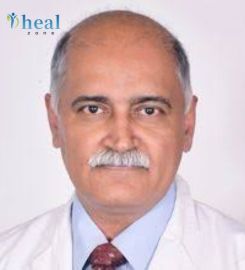
Dr. Kulbhushan Singh Dagar

MBBS, MS, MCh, Fellowship, Certificates/Trainings
35 Years of Experience
Pediatric Cardiac Surgeon, Pediatric Cardiologist
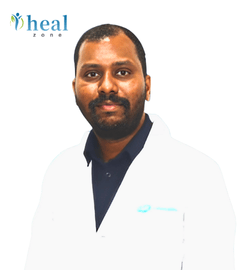
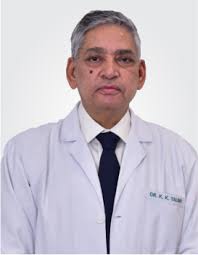
Dr. Kewal Kishan Talwar
MBBS, MD, DM, FAMS, FRCP
45 Years of Experience
Cardiologist
Pushpawati Singhania Research Institute (PSRI), Hospital, New Delhi

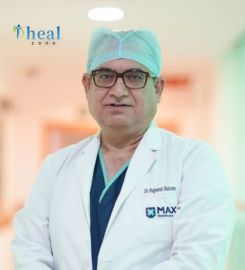
Dr. Rajneesh Malhotra
MBBS, MCh, Fellowship
30 Years of Experience
Cardiothoracic and Vascular Surgeon
Contact Us for Best Tetralogy of Fallot Treatment Doctors in India
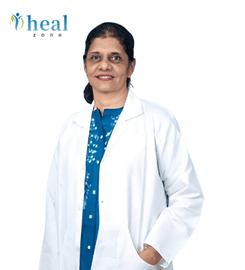

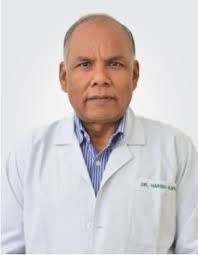
Dr. Harish Kapila
MBBS, MD, DM, FACC, FIC
40 Years Years of Experience
Cardiologist
Pushpawati Singhania Research Institute (PSRI), Hospital, New Delhi
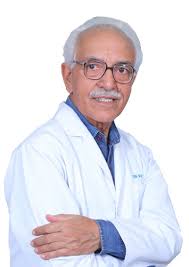
Dr. V.P. Choudhry
MBBS, MD, DM
40 Years Years of Experience
Cardiologist
Pushpawati Singhania Research Institute (PSRI), Hospital, New Delhi
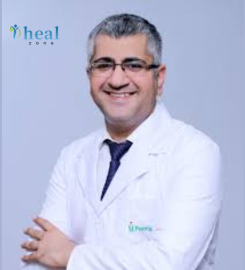
Contact Us for Best Tetralogy of Fallot Treatment Doctors in India
Who are the Best Tetralogy of Fallot Treatment Doctors in India?
The Best Tetralogy of Fallot Treatment Doctors in India are expert pediatric and congenital cardiac surgeons experienced in treating Tetralogy of Fallot (TOF), a complex heart defect that requires meticulous surgical correction. These specialists have trained in leading global cardiac centers and possess extensive expertise in both total repair and palliative (shunt-based) procedures.
Working within multidisciplinary teams of pediatric cardiologists, anesthesiologists, intensivists, and rehabilitation experts, they ensure every patient receives personalized care focused on long-term heart function and quality of life.
What is Tetralogy of Fallot (TOF)?
Tetralogy of Fallot is a congenital heart defect involving four key abnormalities:
- Ventricular Septal Defect (VSD): A hole between the right and left ventricles.
- Pulmonary Stenosis: Narrowing of the pathway to the lungs.
- Overriding Aorta: The aorta is positioned over both ventricles instead of just the left.
- Right Ventricular Hypertrophy: Thickening of the right ventricle due to increased workload.
Together, these defects cause oxygen-poor blood to flow to the body, leading to cyanosis (bluish skin) and reduced oxygen levels.
What are the symptoms of TOF?
Symptoms vary by severity and usually appear in infancy or early childhood. Common signs include:
- Bluish discoloration of lips, skin, or nails (cyanosis).
- Rapid breathing and fatigue.
- “Tet spells” - sudden episodes of severe cyanosis.
- Poor feeding and weight gain.
- Heart murmur detectable by a physician.
Early diagnosis and timely surgery are essential for survival and normal development.
How is Tetralogy of Fallot diagnosed?
TOF is usually detected through advanced imaging and clinical evaluation. Diagnostic methods include:
- Echocardiography (ECHO): Identifies structural defects and blood flow abnormalities.
- Cardiac MRI or CT: Provides detailed anatomical visualization for surgical planning.
- Electrocardiogram (ECG): Assesses heart rhythm and muscle function.
- Cardiac Catheterization: Measures oxygen levels and pressure gradients.
- Fetal Echocardiography: Detects TOF during pregnancy for early intervention planning.
Accurate diagnosis ensures safe and effective surgical outcomes.
How do the Best Tetralogy of Fallot Treatment Doctors in India treat Tetralogy of Fallot?
Treatment for TOF involves surgical correction, usually performed in infancy. Depending on the child’s condition, doctors may perform either complete repair or staged/palliative procedures.
1. Complete Intracardiac Repair:
- Closing the VSD with a patch.
- Removing or widening the obstruction in the pulmonary valve or artery.
- Correcting the aortic alignment.
This restores normal blood flow and oxygenation.
2. Palliative Surgery (e.g., BT Shunt):
Performed in smaller or unstable infants to increase blood flow to the lungs until complete repair is possible.
Post-surgery, children typically experience normal growth and development with regular follow-ups.
Why choose India for Tetralogy of Fallot treatment?
India is one of the world’s leading destinations for pediatric cardiac surgery, offering expert care, modern infrastructure, and highly affordable treatment.
Key reasons include:
- Internationally trained pediatric cardiac surgeons with vast experience.
- State-of-the-art hybrid operating rooms and ICUs.
- Survival rates matching Western hospitals.
- Transparent and affordable treatment packages.
- Complete international patient assistance through HealZone.
Families from across Asia, the Middle East, Africa, and Europe trust India for its safety, outcomes, and compassionate medical care.
What makes the Best Tetralogy of Fallot Treatment Doctors in India exceptional?
The Best Tetralogy of Fallot Treatment Doctors in India are renowned for their exceptional surgical precision and dedication to pediatric cardiac excellence. Their strengths include:
- Expertise in neonatal and infant TOF repair.
- Use of advanced imaging for accurate planning.
- Low complication and reoperation rates.
- Individualized rehabilitation and long-term follow-up programs.
Their focus on both technical mastery and emotional support helps children achieve full recovery and long-term stability.
What are the success rates of Tetralogy of Fallot surgery in India?
India’s top pediatric cardiac centers consistently report:
- Surgical success rate: 95-98%
- Low mortality rate: Below 3-5% in specialized hospitals
- Excellent long-term survival: 90%+ with regular follow-up
With world-class facilities and surgical expertise, India’s outcomes are comparable to global leaders like Boston Children’s Hospital or Great Ormond Street Hospital.
How much does Tetralogy of Fallot treatment cost in India?
Cost varies depending on the patient’s age, anatomy, and complexity. Approximate range:
- Diagnostic evaluation: USD 800 - USD 1,200
- Surgical correction: USD 15,000 - USD 25,000
- ICU stay per day: USD 250 - USD 400
- Total cost: USD 18,000 - USD 30,000
India’s cost-effective treatment provides international patients with quality care at 60-70% lower prices than in Western countries. HealZone helps families with transparent estimates before travel.
How long should families plan to stay in India?
The typical stay is 4 to 6 weeks, including preoperative evaluation, surgery, ICU recovery, and follow-up. HealZone assists with hospital coordination, travel, accommodation, and post-surgery support for a seamless experience.
What follow-up care is required?
Regular follow-ups are essential for long-term cardiac health. These include echocardiograms, ECGs, and oxygen level assessments. Many children require periodic evaluations to monitor valve function and growth. Indian hospitals offer remote follow-up consultations for international families, coordinated smoothly through HealZone.
How does HealZone help families?
HealZone connects families with India’s top pediatric cardiac surgeons and hospitals specializing in Tetralogy of Fallot treatment. It provides end-to-end support, from getting medical opinions and arranging travel to hospital admission and teleconsultations after discharge. HealZone ensures transparency, comfort, and compassionate guidance throughout the journey.
Will choosing the Best Tetralogy of Fallot Treatment Doctors in India improve outcomes?
Yes. With India’s top pediatric cardiac specialists, advanced technology, and HealZone’s personalized support, the Best Tetralogy of Fallot Treatment Doctors in India consistently achieve world-class outcomes for Tetralogy of Fallot, helping children live full, healthy lives with normal growth and development.
