

Contact Us for Best Pulmonary Valve Replacement Doctors in India
Best Pulmonary Valve Replacement Doctors in India
Pulmonary valve replacement (PVR) is a specialised field within congenital and adult cardiac surgery that treats severe pulmonary stenosis or regurgitation, including late complications after repairs such as tetralogy of Fallot. The best pulmonary valve replacement doctors in India are congenital heart surgeons, adult congenital heart (ACHD) specialists and interventional structural cardiologists who combine high-volume experience, international training and multidisciplinary heart-team practice. These top specialty doctors in India deliver modern surgical PVR, conduit revision and transcatheter pulmonary valve replacement (TPVR) using up-to-date imaging and hybrid cath-lab/OR setups — offering world-class care at competitive prices for international patients.
Below is the list of the Best Pulmonary Valve Replacement Doctors in India — experienced cardiothoracic and structural heart specialists who regularly perform surgical and transcatheter PVR. Choose from these leading clinicians when planning pulmonary valve replacement in India.
- New Delhi
- Mumbai
- Kolkata
- IVF and Infertility
- Cardiology
- Cosmetic and Plastic Surgery
- Orthopedic
- Dental
- Dermatology
- Endocrinology
- ENT
- Gastroenterology
- Gynecology and Obstetrics
- Hematology
- Hepatology
- Nephrology
- Neurology
- Obesity and Bariatric Surgery
- Oncology
- Opthalmology
- Pulmonology
- Rheumatology
- Urology
- General Surgery
- Transplant Surgery
- Vascular Surgery
- Pediatrics
- Internal Medicine
- Spine Surgery
- Radiology
- Aneurysm Surgery: Traditional Open Surgery
- Automatic Implantable Cardioverter Defibrillator (AICD)
- Ambulatory BP Monitoring (ABPM)
- Aortic Dissection Repair Surgery
- Aortic Stent Grafting
- Aortic Surgery
- Aortic Valve Repair (AVR)
- Aortic Valve Replacement (AVR)
- Arterial Switch Surgery
- Atrial Septal Defect (ASD) Closure
- Atrioventricular Canal Repair
- Balloon Septostomy
- Balloon Valvuloplasty
- Beating Heart Surgery
- Bentall Surgery
- Blalock-Taussig (BT) Shunt
- Cardiac Ablation
- Cardiac Catheterization
- Cardiac Resynchronization Therapy
- Cardiac Tumor Treatment
- Complex Congenital Heart Surgeries
- Congestive Heart Failure (CHF) Treatment
- Coronary Angiogram
- Coronary Angioplasty
- Coronary Stents
- Coronary Thrombectomy
- Cardiac Resynchronization Therapy with Defibrillator (CRT-D)
- Cardiac Resynchronization Therapy with Pacemaker (CRT-P)
- Device Closure For ASD
- VSD Device Closure
- Device Closure For PDA
- Double Valve Replacement (DVR)
- Drug Eluded Stent
- Dual Chamber Pacemaker
- Fontan Conversion Surgery
- Fontan Procedure
- Glenn Procedure
- Coronary Artery Bypass Graft(CABG) Surgery
- Minimally Invasive CABG
- Heart Lung Transplant
- Impella Device Implantation
- Intra-Aortic Balloon Pump (IABP)
- LV Restoration Surgery
- Mechanical Valve Replacement – MVR
- Mitral Valve Replacement
- Myectomy-Myotomy
- Myocardial Perfusion Imaging (MPI) Test
- Neonatal And Infant Cardiac Surgeries
- Norwood Procedure
- Off-Pump CABG
- On-Pump CABG
- PDA Ligation
- Pediatric Cardiomyopathy Treatment
- Pediatric Heart Surgery
- Percutaneous Coronary Intervention (PCI)
- Percutaneous Myocardial Laser Revascularization
- Percutaneous Valve Replacement
- Percutaneous Transluminal Coronary Angioplasty (PTCA)
- Percutaneous Transvenous Mitral Commissurotomy (PTMC)
- Pulmonary Valve Repair
- Pulmonary Valve Replacement
- Radiofrequency Ablation
- Revision CABG
- Rhabdomyomas
- Rotational Atherectomy
- Stress Echocardiography
- Tissue Valve Replacement
- Transarterial Radioembolization (TARE)
- Transmyocardial Revascularization (TMR)
- Tricuspid Valve Replacement
- Truncus Arteriosus Repair
- Wearable Cardioverter Defibrillator
- Aortic Stenosis Treatment
- Aortic Valve Regurgitation Treatment
- Cardiac Arrest
- Cardiac Cyst
- Cardiac Tumour Treatment
- Cardiomyopathy Treatment
- Coronary Artery Disease (CAD)
- Heart Attack Treatment
- Heart Bypass Surgery (CABG)
- Heart Bypass- Minimally Invasive CABG
- Heart Failure Treatment
- Hypertrophic Cardiomyopathy
- Left Ventricular Valve Dysfunction
- Left ventricular assist device (LVAD)
- Minimal Access Surgeries for Valves
- Mitral Valve Regurgitation
- Pulmonary Hypertension
- Single Bypass and Valve Replacement
- Trans Aortic Valve Replacement (TAVR) Surgery
- Heart Valve Repair
- Heart Valve Replacement
- Transesophageal Echocardiography (TEE)
- ASD/VSD Device Closure
- Ablation Therapy
- Angiography
- Aorta Surgery
- Aortic Valve Surgery
- Aortic Valve Surgery in the Young Patient
- Ross Procedure
- Biventricular Pacemaker
- Cardiac Devices for Patients with Heart Failure
- Cardiac Implant Closure Devices in Adults
- Cardiac Implantable Electronic Device Replacement
- Catheter Ablation
- Complex Aorta Surgery
- Congenital Heart Disease Treatments
- Coronary Artery Bypass Surgery (CABG)
- Coronary Brachytherapy
- Electrical Cardioversion
- Endoleak Treatments
- Endovascular Repair of Thoracic Aortic Aneurysms
- Endovascular Stent Graft: Aortic Aneurysm Repair
- Enhanced External Counterpulsation (EECP)
- Heart Failure Surgery
- Open Heart Surgery
- Maze Procedure (Atrial Fibrillation Surgery)
- Heart Transplant
- Heart Valve Surgery
- Implantable Cardioverter Defibrillator (ICD)
- Infective Endocarditis Surgery
- Intermittent Pneumatic Compression (IPC) Device
- Intestinal PAD Bypass Surgery
- Intestinal PAD Visceral Artery Aneurysm Surgery
- Laparoscopic Antireflux Surgery
- Left Atrial Appendage & Closure
- Left Ventricular Assist Devices (Mechanical Circulatory Support MCS)
- Left Ventricular Reconstructive Surgery (Modified Dor Procedure)
- Minimally Invasive Heart Surgery
- Minimally Invasive Mitral Valve Repair
- Mitral Valve Repair
- Paravalvular Leak Closure
- Pericardiectomy
- Permanent Pacemaker
- Radial Artery & Saphenous Vein Harvesting
- Robotically Assisted Atrial Septal Defect Repair
- Robotically Assisted Heart Surgery
- Robotically Assisted Mitral Valve Repair
- Robotically Assisted Removal of Cardiac Tumors
- Tricuspid Valve Repair
- Septal Myectomy
- Transcatheter Aortic Valve Replacement (TAVR)
- Transcatheter Pulmonary Valve Replacement (TPVR)
- Video-Assisted Thoracic Surgery (VATS)
- Patent Foramen Ovale (PFO) Closure
- Fetal Heart Disease
- Aberrant Subclavian Artery
- ALCAPA - Anomalous Left Coronary Artery from the Pulmonary Artery
- Aortic and Mitral Atresia
- Aortic Stenosis
- Aortic Valve Regurgitation
- Atrial Tachycardia
- Atrioventricular Canal Defect (AVC Defect)
- Atrioventricular Septal Defect (AVSD)
- Cardiac Arrest
- Cardiac Cyst
- Congenital Heart Anomaly
- Congenital Heart Disease (CHD)
- Cyanotic Heart Defects
- Dextro-Transposition of the Great Arteries (d-TGA)
- Dextrocardia
- Double Aortic Arch
- Double Inlet Left Ventricle (DILV)
- Ebstein's Anomaly
- Heart Birth Defects
- Hole in the Heart
- Hypoplastic Right Heart Syndrome (HRHS)
- Interrupted Aortic Arch (IAA)
- Irregular Heartbeat
- Left Ventricular Valve Dysfunction
- Mitral Valve Regurgitation
- Non-Cyanotic Heart Defects
- Partial Anomalous Pulmonary Venous Connection (PAPVC)
- Pentalogy of Cantrell
- Persistent Truncus Arteriosus
- Pulmonary Atresia
- Pulmonary Hypertension
- Pulmonary Stenosis
- Scimitar Syndrome
- Shone's Complex
- Supraventricular Tachycardia
- Tetralogy of Fallot
- Total Anomalous Pulmonary Venous Connection (TAPVC)
- Transposition of the Great Vessels
- Tricuspid Valve Regurgitation
- Ventricular Septal Defect (VSD)
- Viral Myocarditis
- Wolff-Parkinson-White Syndrome
- Coronary Fistula
- Levo-Transposition of the Great Arteries (l-TGA)
- Automatic Implantable Cardioverter Defibrillator (AICD)
- Hyperlipidemia
- Portal Hypertension
- Adventitial Cystic Disease
- Angina
- Abdominal Aortic Aneurysm
- Aortic Aneurysm
- Thoracic Aortic Aneurysm
- Aortic Coarctation
- Aortic Dissection
- Arrhythmia
- Arrhythmogenic Right Ventricular Dysplasia (ARVD)
- Atherosclerosis
- Atrial Fibrillation (AFIB)
- Atrial Septal Defect (ASD)
- Axillo-Subclavian Vein Thrombosis
- Bicuspid Aortic Valve Disease
- Cardiovascular Disease
- Cerebrovascular Occlusive Disease
- Cervical (Carotid or Vertebral) Artery Dissection
- Chronic Thromboembolic Pulmonary Hypertension (CTEPH)
- Chronic Venous Insufficiency (CVI)
- Coronary Artery Disease
- Dilated Cardiomyopathy
- Double Outlet Right Ventricle
- Endocarditis
- Enlarged Heart (Cardiomegaly)
- Esophageal Cancer
- Esophageal Diverticulum
- Extracranial Carotid Artery Aneurysm
- Hantavirus Pulmonary Syndrome (HPS)
- Heart Cancer
- Heart Palpitations
- Heart Valve Disease
- High Blood Pressure (Hypertension)
- High Cholesterol in Children
- Hypertrophic Cardiomyopathy
- Hypoplastic Left Heart Syndrome (HLHS)
- Heart Failure
- Patent Ductus Arteriosus (PDA)
- Patent Foramen Ovale (PFO)
- Pediatric and Congenital Heart Conditions
- Peripartum Cardiomyopathy
- Peripheral Artery Disease (PAD)
- Postural Orthostatic Tachycardia Syndrome (POTS)
- Premature Ventricular Contractions
- Spontaneous Coronary Artery Dissection (SCAD)
- Valve Disease
- Ventricular Tachycardia

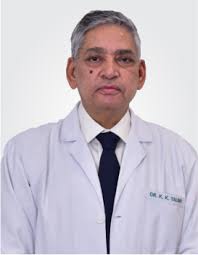
Dr. Kewal Kishan Talwar

MBBS, MD, DM, FAMS, FRCP
45 Years of Experience
Cardiologist
Pushpawati Singhania Research Institute (PSRI), Hospital, New Delhi


Dr. Rajneesh Malhotra
MBBS, MCh, Fellowship
30 Years of Experience
Cardiothoracic and Vascular Surgeon

Contact Us for Best Pulmonary Valve Replacement Doctors in India

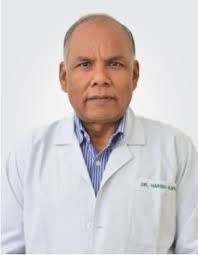
Dr. Harish Kapila
MBBS, MD, DM, FACC, FIC
40 Years Years of Experience
Cardiologist
Pushpawati Singhania Research Institute (PSRI), Hospital, New Delhi

Dr. V.P. Choudhry
MBBS, MD, DM
40 Years Years of Experience
Cardiologist
Pushpawati Singhania Research Institute (PSRI), Hospital, New Delhi


Contact Us for Best Pulmonary Valve Replacement Doctors in India
Who Are the Best Pulmonary Valve Replacement Doctors in India ?
Pulmonary valve replacement is managed by a multidisciplinary team that typically includes: congenital cardiothoracic surgeons (paediatric and adult congenital), interventional structural cardiologists experienced in TPVR, imaging cardiologists (3-D echo, cardiac MRI), perfusionists and specialised congenital ICU teams. The top doctors have fellowship training in congenital heart surgery or structural heart interventions, publish outcome data, and lead institutional congenital heart or valve programmes. When choosing the best doctor for pulmonary valve replacement in India, look for those with: demonstrated experience in re-operations, documented TPVR case series if considering transcatheter options, and active multidisciplinary case conferences. Early multicentre Indian experience shows growing operator expertise with Melody and other TPV systems — a sign that India’s structural programmes are maturing.
What Is Pulmonary Valve Replacement?
The pulmonary valve sits between the right ventricle and the pulmonary artery and ensures one-way blood flow to the lungs. It may require replacement when it is severely narrowed (pulmonary stenosis) or leaking badly (pulmonary regurgitation), especially when these lesions cause right ventricular dilation, dysfunction, exercise intolerance, arrhythmias or progressive symptoms after earlier congenital repairs (for example, post-tetralogy of Fallot). Replacement restores competent forward flow and relieves volume/pressure overload on the right heart.
Who commonly needs PVR?
Typical patients include:
- Children born with congenital pulmonary stenosis requiring late surgery.
- Adults with significant pulmonary regurgitation after previous corrective surgery (e.g., tetralogy of Fallot).
- Patients with failing RV-PA conduits (biological conduits that degenerate over years) needing conduit replacement or TPVR.
Decisions are individualized using symptoms, imaging (echo/MRI), exercise testing and rhythm assessment.
How Do India’s Top Doctors Diagnose and Treat Pulmonary Valve Disease?
A thorough, modern workup includes:
- Transthoracic and transesophageal echocardiography (2D/3D) to assess valve anatomy and haemodynamics.
- Cardiac MRI for accurate right ventricular volumes, ejection fraction and regurgitant fraction — essential for timing intervention after repaired tetralogy of Fallot.
- CT angiography and 3-D reconstruction when planning TPVR to evaluate outflow-tract anatomy and coronary proximity.
- Cardiac catheterisation (hemodynamic study) when pressures need precise measurement or when planning transcatheter therapy.
Top Indian centres routinely combine these modalities to optimize timing and technique selection.
What are the main treatment approaches?
Treatment options fall into three categories: medical surveillance (for mild disease), surgical pulmonary valve replacement (PVR) or conduit revision, and transcatheter pulmonary valve replacement (TPVR) for suitable anatomies. Hybrid approaches (surgical conduit preparation followed by TPVR) are used in complex cases. The heart team (surgeon + interventional cardiologist + imaging specialist) decides the optimal route based on anatomy, prior surgery, patient age and long-term planning.
What Are the Available Treatment Options for Pulmonary Valve Replacement in India?
Surgical PVR is a time-tested option, used for complex anatomy, when concomitant intracardiac repairs are needed, or when TPVR is not feasible. Surgeons perform median sternotomy (or re-sternotomy for re-operations), remove the failing valve or conduit, and implant a surgical prosthesis — typically a bioprosthetic valve in the pulmonary position to avoid lifelong anticoagulation in most patients. Advantages: broad applicability, reliable immediate haemodynamic correction and ability to address associated lesions (e.g., RVOT patch revision, tricuspid repair).
Transcatheter pulmonary valve replacement (TPVR)?
TPVR is a less invasive catheter-based approach that implants a valve (e.g., Melody, Edwards Sapien family, and newer dedicated pulmonary valves) within a failing conduit or suitable native outflow tract. Advantages: avoids sternotomy, shorter hospital stay and faster recovery. Limitations: anatomy-dependent (conduit size, RVOT shape), device availability and cost. India has expanding TPVR experience with Melody and Sapien valves and growing use of newer devices and hybrid strategies. Early Indian multicentre reports demonstrate technical feasibility and good short-term results.
Hybrid strategies:
For some patients a hybrid plan (surgical enlargement or prestenting of the RVOT followed by TPVR) provides the benefits of both strategies — allowing a less invasive definitive valve implantation in cases where TPVR alone would not be possible.
What Are the Types of Devices Used?
The devices fall into two categories:
- Surgical prosthetic valves: bioprosthetic tissue valves (porcine or bovine) are commonly used in the pulmonary position to avoid long-term anticoagulation. Mechanical valves are less favored due to thrombotic risk on the right side and anticoagulation challenges.
- Transcatheter valves: The Medtronic Melody® valve and Edwards Sapien valves (Sapien S3 and related models) are the best known and are used for TPVR in appropriately sized conduits or bioprostheses. Newer dedicated pulmonary devices (Venus P, Harmony, Pulsta and others) are increasingly used in broader RVOT anatomies worldwide; Indian centres are adopting such options where available and effective. Device selection depends on conduit/OT size, coronary anatomy and operator experience.
Why Choose India for Pulmonary Valve Replacement?
India provides a compelling mix of clinical expertise, modern infrastructure and cost effectiveness:
- Experienced congenital heart and structural heart teams performing both surgical PVR and TPVR.
- Hybrid imaging, 3-D MRI planning and cath-lab/OR capability available at tertiary centres.
- Substantially lower procedure costs compared with many Western countries for equivalent clinical standards.
- Dedicated international patient services — visas, accommodation, interpreters and telemedicine follow-up.
These strengths make India an attractive option for patients who need timely, high-quality pulmonary valve care at transparent prices.
What Are the Success Rates of Pulmonary Valve Replacement in India?
Outcomes depend on centre experience and patient selection:
- Surgical PVR in experienced units has high procedural success and durable haemodynamic improvement; institutional series in India report outcomes comparable to international experience when adjusted for case complexity.
- TPVR shows high technical success (>90% in many published series internationally) with rapid symptomatic benefit in selected patients; early Indian multicentre experiences with Melody TPV confirm feasibility and good short-term outcomes. Long-term data continue to accumulate, and newer devices expand applicability. When considering a centre, ask for operator and institutional outcome data for the specific procedure you need.
What Is the Cost of Pulmonary Valve Replacement in India?
Costs vary by hospital category (private tertiary vs government/teaching), device selection (surgical valve vs TPVR device), ICU/hospital days and complexity (redo surgery, combined procedures). Below are planning estimates in USD — obtain itemised quotes from hospitals for exact figures.
|
Type of Procedure / Scenario |
Estimated Cost (USD) |
|
Surgical pulmonary valve repair (simple re-operation) |
$3,000 – $7,000 |
|
Surgical pulmonary valve replacement (PVR) |
$4,000 – $12,000 |
|
Transcatheter pulmonary valve replacement (TPVR) — device + procedure |
$8,000 – $20,000+ (device is a major cost driver) |
|
Complex re-operations / conduit replacements |
$6,000 – $18,000+ |
Notes: TPVR costs are higher primarily because transcatheter valves are imported devices with higher unit prices. Surgical PVR costs are usually lower but involve an open operation and longer recovery. Always request an itemised international patient package that lists surgeon fees, device cost, ICU days, consumables and follow-up teleconsults.
How Long Is the Recovery Process?
Typical hospital stay and recovery timelines
- Surgical PVR: ICU stay 24–72 hours (longer for complex redo cases), total hospital stay commonly 5–10 days for straightforward cases. Full functional recovery and return to normal activity usually within 4–8 weeks, depending on age and preoperative RV function.
- TPVR: much shorter hospitalisation (often 1–3 days) with faster return to normal activities (1–2 weeks in many patients), since sternotomy is avoided.
- Complex re-operations: may require longer ICU and rehab periods.
Cardiac/paediatric rehabilitation, careful wound care and rhythm surveillance are standard elements of recovery.
What Post-Treatment and Follow-Up Care Are Provided?
Leading centres provide:
- Detailed discharge summaries and digital imaging for local physician handover.
- Telemedicine follow-ups with the surgical/interventional team to review recovery, medications and imaging.
- Protocols for anticoagulation or endocarditis prophylaxis, if required.
- Long-term surveillance plans: echocardiography or MRI at defined intervals to monitor RV size/function and valve performance.
- Coordination with local cardiologists for remote testing and rehabilitation.
These services allow international patients to travel home earlier while maintaining safe continuity of care.
How HealZone (or [Brand]) Supports International Patients?
HealZone offers end-to-end, patient-centred coordination:
- Doctor & hospital selection: shortlists surgeons/centres with pulmonary valve and TPVR expertise.
- Pre-travel case review: transmits echo/MRI/CT for remote surgical or interventional opinion and a tailored plan.
- Itemised cost estimates & clarity: obtains package quotes (surgery/intervention, ICU, device, stay, rehab).
- Travel & visa assistance: helps with medical visa invitation letters, airport pickup and local logistics.
- Accommodation & local support: books family lodging, interpreters and ground transport.
- Postoperative tele-follow up: schedules virtual consultations and coordinates local testing.
HealZone’s role is to streamline logistics and ensure clinical quality and transparent communication throughout the patient’s journey.
