

Contact Us for Best Heart Transplant Doctors in India
Best Heart Transplant Doctors in India
India is home to some of the best doctors for heart transplant in India — internationally trained cardiac surgeons and heart-failure specialists who lead sophisticated transplant programs with decades of cumulative experience. These teams combine expertise in donor management, perioperative care, immunosuppression and long-term follow-up, backed by modern ICUs and transplant coordination systems. Global patients choose India for the combination of clinical excellence, strong outcomes and significantly lower costs compared with many Western centres.
Below is the list of the Best Heart Transplant Doctors in India — leading specialists and multi-disciplinary teams who manage evaluation, transplant surgery and lifelong care for heart recipients.
- New Delhi
- Mumbai
- Kolkata
- IVF and Infertility
- Cardiology
- Cosmetic and Plastic Surgery
- Orthopedic
- Dental
- Dermatology
- Endocrinology
- ENT
- Gastroenterology
- Gynecology and Obstetrics
- Hematology
- Hepatology
- Nephrology
- Neurology
- Obesity and Bariatric Surgery
- Oncology
- Opthalmology
- Pulmonology
- Rheumatology
- Urology
- General Surgery
- Transplant Surgery
- Vascular Surgery
- Pediatrics
- Internal Medicine
- Spine Surgery
- Radiology
- Aneurysm Surgery: Traditional Open Surgery
- Automatic Implantable Cardioverter Defibrillator (AICD)
- Ambulatory BP Monitoring (ABPM)
- Aortic Dissection Repair Surgery
- Aortic Stent Grafting
- Aortic Surgery
- Aortic Valve Repair (AVR)
- Aortic Valve Replacement (AVR)
- Arterial Switch Surgery
- Atrial Septal Defect (ASD) Closure
- Atrioventricular Canal Repair
- Balloon Septostomy
- Balloon Valvuloplasty
- Beating Heart Surgery
- Bentall Surgery
- Blalock-Taussig (BT) Shunt
- Cardiac Ablation
- Cardiac Catheterization
- Cardiac Resynchronization Therapy
- Cardiac Tumor Treatment
- Complex Congenital Heart Surgeries
- Congestive Heart Failure (CHF) Treatment
- Coronary Angiogram
- Coronary Angioplasty
- Coronary Stents
- Coronary Thrombectomy
- Cardiac Resynchronization Therapy with Defibrillator (CRT-D)
- Cardiac Resynchronization Therapy with Pacemaker (CRT-P)
- Device Closure For ASD
- VSD Device Closure
- Device Closure For PDA
- Double Valve Replacement (DVR)
- Drug Eluded Stent
- Dual Chamber Pacemaker
- Fontan Conversion Surgery
- Fontan Procedure
- Glenn Procedure
- Coronary Artery Bypass Graft(CABG) Surgery
- Minimally Invasive CABG
- Heart Lung Transplant
- Impella Device Implantation
- Intra-Aortic Balloon Pump (IABP)
- LV Restoration Surgery
- Mechanical Valve Replacement – MVR
- Mitral Valve Replacement
- Myectomy-Myotomy
- Myocardial Perfusion Imaging (MPI) Test
- Neonatal And Infant Cardiac Surgeries
- Norwood Procedure
- Off-Pump CABG
- On-Pump CABG
- PDA Ligation
- Pediatric Cardiomyopathy Treatment
- Pediatric Heart Surgery
- Percutaneous Coronary Intervention (PCI)
- Percutaneous Myocardial Laser Revascularization
- Percutaneous Valve Replacement
- Percutaneous Transluminal Coronary Angioplasty (PTCA)
- Percutaneous Transvenous Mitral Commissurotomy (PTMC)
- Pulmonary Valve Repair
- Pulmonary Valve Replacement
- Radiofrequency Ablation
- Revision CABG
- Rhabdomyomas
- Rotational Atherectomy
- Stress Echocardiography
- Tissue Valve Replacement
- Transarterial Radioembolization (TARE)
- Transmyocardial Revascularization (TMR)
- Tricuspid Valve Replacement
- Truncus Arteriosus Repair
- Wearable Cardioverter Defibrillator
- Aortic Stenosis Treatment
- Aortic Valve Regurgitation Treatment
- Cardiac Arrest
- Cardiac Cyst
- Cardiac Tumour Treatment
- Cardiomyopathy Treatment
- Coronary Artery Disease (CAD)
- Heart Attack Treatment
- Heart Bypass Surgery (CABG)
- Heart Bypass- Minimally Invasive CABG
- Heart Failure Treatment
- Hypertrophic Cardiomyopathy
- Left Ventricular Valve Dysfunction
- Left ventricular assist device (LVAD)
- Minimal Access Surgeries for Valves
- Mitral Valve Regurgitation
- Pulmonary Hypertension
- Single Bypass and Valve Replacement
- Trans Aortic Valve Replacement (TAVR) Surgery
- Heart Valve Repair
- Heart Valve Replacement
- Transesophageal Echocardiography (TEE)
- ASD/VSD Device Closure
- Ablation Therapy
- Angiography
- Aorta Surgery
- Aortic Valve Surgery
- Aortic Valve Surgery in the Young Patient
- Ross Procedure
- Biventricular Pacemaker
- Cardiac Devices for Patients with Heart Failure
- Cardiac Implant Closure Devices in Adults
- Cardiac Implantable Electronic Device Replacement
- Catheter Ablation
- Complex Aorta Surgery
- Congenital Heart Disease Treatments
- Coronary Artery Bypass Surgery (CABG)
- Coronary Brachytherapy
- Electrical Cardioversion
- Endoleak Treatments
- Endovascular Repair of Thoracic Aortic Aneurysms
- Endovascular Stent Graft: Aortic Aneurysm Repair
- Enhanced External Counterpulsation (EECP)
- Heart Failure Surgery
- Open Heart Surgery
- Maze Procedure (Atrial Fibrillation Surgery)
- Heart Transplant
- Heart Valve Surgery
- Implantable Cardioverter Defibrillator (ICD)
- Infective Endocarditis Surgery
- Intermittent Pneumatic Compression (IPC) Device
- Intestinal PAD Bypass Surgery
- Intestinal PAD Visceral Artery Aneurysm Surgery
- Laparoscopic Antireflux Surgery
- Left Atrial Appendage & Closure
- Left Ventricular Assist Devices (Mechanical Circulatory Support MCS)
- Left Ventricular Reconstructive Surgery (Modified Dor Procedure)
- Minimally Invasive Heart Surgery
- Minimally Invasive Mitral Valve Repair
- Mitral Valve Repair
- Paravalvular Leak Closure
- Pericardiectomy
- Permanent Pacemaker
- Radial Artery & Saphenous Vein Harvesting
- Robotically Assisted Atrial Septal Defect Repair
- Robotically Assisted Heart Surgery
- Robotically Assisted Mitral Valve Repair
- Robotically Assisted Removal of Cardiac Tumors
- Tricuspid Valve Repair
- Septal Myectomy
- Transcatheter Aortic Valve Replacement (TAVR)
- Transcatheter Pulmonary Valve Replacement (TPVR)
- Video-Assisted Thoracic Surgery (VATS)
- Patent Foramen Ovale (PFO) Closure
- Fetal Heart Disease
- Aberrant Subclavian Artery
- ALCAPA - Anomalous Left Coronary Artery from the Pulmonary Artery
- Aortic and Mitral Atresia
- Aortic Stenosis
- Aortic Valve Regurgitation
- Atrial Tachycardia
- Atrioventricular Canal Defect (AVC Defect)
- Atrioventricular Septal Defect (AVSD)
- Cardiac Arrest
- Cardiac Cyst
- Congenital Heart Anomaly
- Congenital Heart Disease (CHD)
- Cyanotic Heart Defects
- Dextro-Transposition of the Great Arteries (d-TGA)
- Dextrocardia
- Double Aortic Arch
- Double Inlet Left Ventricle (DILV)
- Ebstein's Anomaly
- Heart Birth Defects
- Hole in the Heart
- Hypoplastic Right Heart Syndrome (HRHS)
- Interrupted Aortic Arch (IAA)
- Irregular Heartbeat
- Left Ventricular Valve Dysfunction
- Mitral Valve Regurgitation
- Non-Cyanotic Heart Defects
- Partial Anomalous Pulmonary Venous Connection (PAPVC)
- Pentalogy of Cantrell
- Persistent Truncus Arteriosus
- Pulmonary Atresia
- Pulmonary Hypertension
- Pulmonary Stenosis
- Scimitar Syndrome
- Shone's Complex
- Supraventricular Tachycardia
- Tetralogy of Fallot
- Total Anomalous Pulmonary Venous Connection (TAPVC)
- Transposition of the Great Vessels
- Tricuspid Valve Regurgitation
- Ventricular Septal Defect (VSD)
- Viral Myocarditis
- Wolff-Parkinson-White Syndrome
- Coronary Fistula
- Levo-Transposition of the Great Arteries (l-TGA)
- Automatic Implantable Cardioverter Defibrillator (AICD)
- Hyperlipidemia
- Portal Hypertension
- Adventitial Cystic Disease
- Angina
- Abdominal Aortic Aneurysm
- Aortic Aneurysm
- Thoracic Aortic Aneurysm
- Aortic Coarctation
- Aortic Dissection
- Arrhythmia
- Arrhythmogenic Right Ventricular Dysplasia (ARVD)
- Atherosclerosis
- Atrial Fibrillation (AFIB)
- Atrial Septal Defect (ASD)
- Axillo-Subclavian Vein Thrombosis
- Bicuspid Aortic Valve Disease
- Cardiovascular Disease
- Cerebrovascular Occlusive Disease
- Cervical (Carotid or Vertebral) Artery Dissection
- Chronic Thromboembolic Pulmonary Hypertension (CTEPH)
- Chronic Venous Insufficiency (CVI)
- Coronary Artery Disease
- Dilated Cardiomyopathy
- Double Outlet Right Ventricle
- Endocarditis
- Enlarged Heart (Cardiomegaly)
- Esophageal Cancer
- Esophageal Diverticulum
- Extracranial Carotid Artery Aneurysm
- Hantavirus Pulmonary Syndrome (HPS)
- Heart Cancer
- Heart Palpitations
- Heart Valve Disease
- High Blood Pressure (Hypertension)
- High Cholesterol in Children
- Hypertrophic Cardiomyopathy
- Hypoplastic Left Heart Syndrome (HLHS)
- Heart Failure
- Patent Ductus Arteriosus (PDA)
- Patent Foramen Ovale (PFO)
- Pediatric and Congenital Heart Conditions
- Peripartum Cardiomyopathy
- Peripheral Artery Disease (PAD)
- Postural Orthostatic Tachycardia Syndrome (POTS)
- Premature Ventricular Contractions
- Spontaneous Coronary Artery Dissection (SCAD)
- Valve Disease
- Ventricular Tachycardia

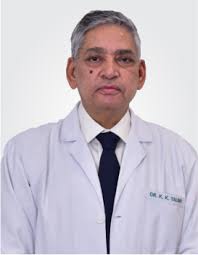
Dr. Kewal Kishan Talwar

MBBS, MD, DM, FAMS, FRCP
45 Years of Experience
Cardiologist
Pushpawati Singhania Research Institute (PSRI), Hospital, New Delhi

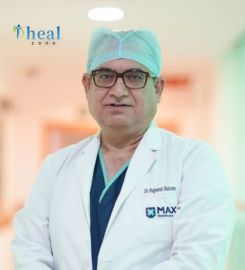
Dr. Rajneesh Malhotra
MBBS, MCh, Fellowship
30 Years of Experience
Cardiothoracic and Vascular Surgeon

Contact Us for Best Heart Transplant Doctors in India

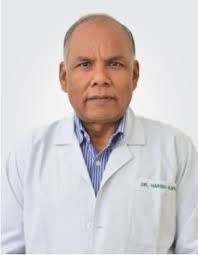
Dr. Harish Kapila
MBBS, MD, DM, FACC, FIC
40 Years Years of Experience
Cardiologist
Pushpawati Singhania Research Institute (PSRI), Hospital, New Delhi
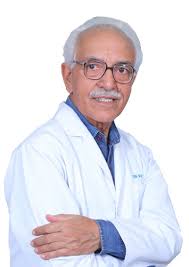
Dr. V.P. Choudhry
MBBS, MD, DM
40 Years Years of Experience
Cardiologist
Pushpawati Singhania Research Institute (PSRI), Hospital, New Delhi
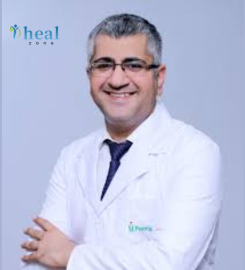

Contact Us for Best Heart Transplant Doctors in India
Who Are the Best Heart Transplant Doctors in India?
The leading heart transplant surgeons and cardiologists in India typically hold advanced qualifications in cardiothoracic surgery, transplant medicine, heart-failure management and critical care. Many have completed fellowships or observerships at high-volume international centres and maintain active clinical and research programs. These specialists lead multidisciplinary transplant teams — transplant surgeons, heart-failure cardiologists, intensivists, transplant pharmacists, infectious-disease experts, social workers and rehabilitation professionals — which is essential for successful outcomes.
Success in complex procedures:
Top clinicians handle adult and pediatric transplants, re-transplantation, and combined-organ transplants (heart-kidney or heart-lung in select centres). They are experienced in treating sensitized recipients, coordinating ABO-incompatible or complex matches when feasible, and using mechanical circulatory support such as LVADs and ECMO as bridges to transplant. Their multidisciplinary approach ensures individualized care and better management of perioperative complications.
How they work?
These doctors operate within structured transplant programs featuring rigorous candidate selection, donor management protocols, rapid organ retrieval systems and post-transplant surveillance clinics. The teams prioritize timely referral, patient optimization, and clear communication to families.
What Is a Heart Transplant?
A heart transplant is a surgical procedure that replaces a failing heart with a healthy donor heart from a deceased donor. It is considered when all other medical and device therapies fail to control advanced heart failure symptoms and when the patient is a suitable candidate after comprehensive evaluation.
Common indications:
- Advanced ischemic cardiomyopathy after repeated heart attacks
- End-stage dilated cardiomyopathy from diverse causes (idiopathic, viral, peripartum)
- Refractory heart failure despite optimal medical therapy, device therapy and rehabilitation
- Selected congenital heart diseases in adults or children with end-stage failure
- Certain cardiomyopathies not amenable to other interventions
Symptoms and risks prior to transplant:
Patients considered for transplant typically experience severe breathlessness at rest or with minimal activity, recurrent hospitalizations, poor exercise capacity and sometimes progressive kidney or liver dysfunction. Risks associated with transplant include perioperative bleeding, infection, primary graft dysfunction, acute rejection, chronic allograft vasculopathy and complications related to lifelong immunosuppression such as infections, metabolic disorders, and malignancies.
How Do India’s Top Doctors Diagnose and Treat End-Stage Heart Failure Leading to Transplant?
Comprehensive evaluation and testing:
A transplant candidate undergoes a structured pre-transplant workup that generally includes: advanced cardiac imaging (echocardiography, cardiac MRI when needed), coronary angiography, cardiopulmonary exercise testing, right-heart catheterization to measure pulmonary vascular resistance, renal and liver function tests, infectious disease screening, psychosocial evaluation, nutritional assessment and assessment of comorbidities. Immunologic studies such as HLA typing and antibody screening are performed to help match donors and assess rejection risk.
Stabilization and bridging strategies:
Before transplantation, many patients require stabilization with inotropic medications, temporary mechanical circulatory support (IABP, Impella, ECMO) or implantation of a durable LVAD to improve end-organ function and maintain candidacy. Leading Indian centres are experienced in LVAD implantation and management when needed as a bridge-to-transplant.
Surgical technique and perioperative management:
Transplant surgery is performed by experienced cardiothoracic teams using cardiopulmonary bypass and organ preservation protocols. The immediate postoperative period is managed in specialized cardiac ICUs with intensive hemodynamic support, infection prevention strategies and early initiation of immunosuppressive therapy tailored to each patient.
Rejection surveillance and long-term care:
Post-transplant follow-up includes routine surveillance for rejection (via endomyocardial biopsy in many programs or validated non-invasive markers where available), strict therapeutic drug monitoring for immunosuppressants, infection prophylaxis, metabolic monitoring, vaccination guidance and structured cardiac rehabilitation. Multidisciplinary outpatient transplant clinics ensure adherence and early detection of complications.
What Are the Available Treatment Options Short of Transplant?
Before recommending transplant, teams carefully evaluate alternatives and staged therapies:
- Optimized medical therapy: Includes guideline-directed drugs such as ACE inhibitors or ARBs, beta-blockers, mineralocorticoid receptor antagonists, SGLT2 inhibitors and diuretics to manage symptoms and slow disease progression.
- Device therapies: Cardiac resynchronization therapy (CRT) and implantable cardioverter-defibrillators (ICD) to improve function and prevent sudden arrhythmic death where indicated.
- Revascularization: Coronary artery bypass grafting (CABG) or percutaneous coronary intervention when ischemia contributes to dysfunction.
- Mechanical circulatory support (MCS): Temporary devices (IABP, Impella, ECMO) and durable LVADs to stabilize patients, bridge to transplant, or serve as destination therapy for those not eligible for transplant.
- Palliative and supportive care: When transplant is not appropriate, palliative strategies focus on symptom control and quality of life, including home-based services and rehabilitation.
These options are discussed in a multidisciplinary setting to tailor the best plan to each patient’s clinical circumstances.
What Types of Devices Are Used in the Transplant Pathway?
- Temporary mechanical circulatory support: Intra-aortic balloon pump (IABP), Impella devices and veno-arterial ECMO for acute stabilization or perioperative support.
- Durable LVADs: Continuous-flow pumps used as a bridge-to-transplant or as destination therapy in patients not eligible for transplant. Common modern devices provide reliable circulatory support and improved quality of life for many patients.
- Monitoring devices: Hemodynamic monitoring equipment, implantable loop recorders and ambulatory telemetry systems help detect arrhythmias and monitor graft function postoperatively.
- Organ preservation and retrieval tools: Advanced systems to minimize ischemic time and optimize donor organ viability during transport and implantation.
Why Choose India for Heart Transplant?
Clinical expertise and multidisciplinary programs:
India’s major transplant centres have built robust heart transplant programs staffed by experienced surgeons, cardiologists, intensivists, transplant pharmacists and allied health professionals. Their teams follow international best practices for donor selection, organ retrieval and postoperative management.
Affordability:
Heart transplant procedures in India typically cost significantly less than comparable services in Western countries. The combination of lower hospital overheads, reduced ICU costs and competitive device/pricing structures leads to a more affordable total cost of care for international patients.
International standards and accreditation:
Leading hospitals maintain national and international quality standards and operate under established legal frameworks for organ transplantation and ethics. Multidisciplinary transplant clinics, rigorous infection control, and structured follow-up protocols ensure high-quality care.
Comprehensive care continuum:
Indian centres provide integrated services including donor coordination, surgical expertise, LVAD bridging, ICU care, rehabilitation and long-term outpatient follow-up. International patient services — including visa assistance, language support and transparent cost packages — further enhance accessibility.
What Are the Success Rates of Heart Transplant in India?
Contemporary outcomes:
Reported outcomes in experienced Indian centres show improving survival over recent years. Typical contemporary 1-year survival rates at established programs often range around 80–85%, with longer-term results depending on recipient factors, preoperative status and adherence to follow-up. These figures are increasingly comparable with international benchmarks in centres of excellence. Success is influenced by timely referral, careful candidate selection, perioperative management and diligent post-transplant surveillance.
Variables that affect outcomes:
Recipient age, comorbidities, nutritional status, pre-transplant organ dysfunction, need for bridging support (LVAD/ECMO), infection control and adherence to immunosuppressive regimens all materially influence outcomes.
What Is the Cost of Heart Transplant in India?
Costs vary by city, hospital, complexity of the case, use of bridging devices, duration of ICU care and postoperative complications. Below is an indicative cost table for international patients; exact quotes should be obtained from hospitals and HealZone based on the patient’s clinical profile.
Estimated Cost Range (USD):
|
Type of Service / Procedure |
Estimated Cost (USD) |
|
Pre-transplant evaluation package (tests, imaging) |
$1,000 – $3,000 |
|
Heart transplant surgery (standard package) |
$20,000 – $35,000 |
|
Heart transplant with LVAD bridge or extended ICU |
$35,000 – $70,000+ |
|
Pediatric heart transplant (complex) |
$25,000 – $50,000 |
|
Post-transplant hospitalization & initial immunosuppression (first 3 months) |
$3,000 – $8,000 |
These ranges reflect variability and are intended to show relative affordability compared with Western centers.
How Long Is the Recovery Process?
Immediate postoperative period:
Patients usually stay in the cardiac ICU for 3–7 days, where close hemodynamic monitoring, ventilatory support as needed, and careful management of immunosuppression and infection prophylaxis occur.
Total hospital stay:
Typical inpatient stays range from 2 to 4 weeks, although more complicated cases may require longer hospitalization.
Early recovery (first 3 months):
Frequent clinic visits, surveillance biopsies or non-invasive rejection monitoring, medication adjustments, and beginning a structured cardiac rehabilitation program. By 3 months many patients regain significant function and independence, though they continue regular follow-up.
Long-term:
Full return to many everyday activities often takes 3–6 months. Lifelong medical follow-up, adherence to immunosuppressants, vaccination updates, infection precautions and screening for long-term complications are essential.
What Post-Treatment and Follow-Up Care Are Provided?
Structured multidisciplinary follow-up:
- Regular clinic visits with echocardiography, ECG and clinical assessment.
- Rejection surveillance through endomyocardial biopsy schedules or validated non-invasive protocols.
- Therapeutic drug monitoring to maintain effective and safe immunosuppression levels.
- Infection prevention strategies, prophylaxis, and early treatment pathways.
- Metabolic monitoring—including management of diabetes, hypertension and lipids—often exacerbated by immunosuppressive therapy.
- Ongoing cardiac rehabilitation to improve exercise tolerance and quality of life.
- Psychosocial support and counseling for patients and families.
- Telemedicine programs and coordinated care with local physicians for international patients returning home.
Hospitals frequently provide packaged follow-up plans and coordination of local testing to ensure seamless long-term care.
How HealZone Supports International Patients?
HealZone offers end-to-end assistance for international patients seeking heart transplant care in India:
- Doctor & hospital selection: Matches patients with accredited transplant centres and surgeons based on clinical needs and program experience.
- Pre-travel medical review and cost estimates: Remote review of records and transparent itemized quotes.
- Travel & visa assistance: Medical visa support letters and logistical guidance.
- Accommodation & local support: Airport pickup, nearby lodging, interpreter services and a local case manager.
- Coordination of transplant logistics: Liaison with transplant teams for evaluation scheduling, donor coordination and lawful organ allocation processes.
- Postoperative tele-follow-up: Scheduling remote consultations, coordinating local lab tests and supporting medication management after the patient returns home.
HealZone reduces administrative complexity and helps ensure safety, clarity and continuity across the transplant journey.
