

Contact Us for Best Heart Bypass- Minimally Invasive CABG Doctors in India
Best Heart Bypass- Minimally Invasive CABG Doctors in India
India is home to some of the best doctors for minimally invasive CABG, internationally trained cardiothoracic surgeons who specialise in performing coronary artery bypass grafting through smaller incisions, robotic assistance or limited sternotomy approaches. These surgeons combine decades of experience with advanced training in minimally invasive and hybrid coronary revascularisation techniques, achieving excellent outcomes with faster recovery times and less postoperative pain. Their skill in patient selection, graft strategy and team-based perioperative care makes India a trusted destination for international patients seeking world-class, affordable CABG delivered with a minimally invasive approach.
Below is the list of the Best Heart Bypass- Minimally Invasive CABG Doctors in India, selected for clinical expertise, innovation and patient-centred care.
- New Delhi
- Mumbai
- Kolkata
- IVF and Infertility
- Cardiology
- Cosmetic and Plastic Surgery
- Orthopedic
- Dental
- Dermatology
- Endocrinology
- ENT
- Gastroenterology
- Gynecology and Obstetrics
- Hematology
- Hepatology
- Nephrology
- Neurology
- Obesity and Bariatric Surgery
- Oncology
- Opthalmology
- Pulmonology
- Rheumatology
- Urology
- General Surgery
- Transplant Surgery
- Vascular Surgery
- Pediatrics
- Internal Medicine
- Spine Surgery
- Radiology
- Aneurysm Surgery: Traditional Open Surgery
- Automatic Implantable Cardioverter Defibrillator (AICD)
- Ambulatory BP Monitoring (ABPM)
- Aortic Dissection Repair Surgery
- Aortic Stent Grafting
- Aortic Surgery
- Aortic Valve Repair (AVR)
- Aortic Valve Replacement (AVR)
- Arterial Switch Surgery
- Atrial Septal Defect (ASD) Closure
- Atrioventricular Canal Repair
- Balloon Septostomy
- Balloon Valvuloplasty
- Beating Heart Surgery
- Bentall Surgery
- Blalock-Taussig (BT) Shunt
- Cardiac Ablation
- Cardiac Catheterization
- Cardiac Resynchronization Therapy
- Cardiac Tumor Treatment
- Complex Congenital Heart Surgeries
- Congestive Heart Failure (CHF) Treatment
- Coronary Angiogram
- Coronary Angioplasty
- Coronary Stents
- Coronary Thrombectomy
- Cardiac Resynchronization Therapy with Defibrillator (CRT-D)
- Cardiac Resynchronization Therapy with Pacemaker (CRT-P)
- Device Closure For ASD
- VSD Device Closure
- Device Closure For PDA
- Double Valve Replacement (DVR)
- Drug Eluded Stent
- Dual Chamber Pacemaker
- Fontan Conversion Surgery
- Fontan Procedure
- Glenn Procedure
- Coronary Artery Bypass Graft(CABG) Surgery
- Minimally Invasive CABG
- Heart Lung Transplant
- Impella Device Implantation
- Intra-Aortic Balloon Pump (IABP)
- LV Restoration Surgery
- Mechanical Valve Replacement – MVR
- Mitral Valve Replacement
- Myectomy-Myotomy
- Myocardial Perfusion Imaging (MPI) Test
- Neonatal And Infant Cardiac Surgeries
- Norwood Procedure
- Off-Pump CABG
- On-Pump CABG
- PDA Ligation
- Pediatric Cardiomyopathy Treatment
- Pediatric Heart Surgery
- Percutaneous Coronary Intervention (PCI)
- Percutaneous Myocardial Laser Revascularization
- Percutaneous Valve Replacement
- Percutaneous Transluminal Coronary Angioplasty (PTCA)
- Percutaneous Transvenous Mitral Commissurotomy (PTMC)
- Pulmonary Valve Repair
- Pulmonary Valve Replacement
- Radiofrequency Ablation
- Revision CABG
- Rhabdomyomas
- Rotational Atherectomy
- Stress Echocardiography
- Tissue Valve Replacement
- Transarterial Radioembolization (TARE)
- Transmyocardial Revascularization (TMR)
- Tricuspid Valve Replacement
- Truncus Arteriosus Repair
- Wearable Cardioverter Defibrillator
- Aortic Stenosis Treatment
- Aortic Valve Regurgitation Treatment
- Cardiac Arrest
- Cardiac Cyst
- Cardiac Tumour Treatment
- Cardiomyopathy Treatment
- Coronary Artery Disease (CAD)
- Heart Attack Treatment
- Heart Bypass Surgery (CABG)
- Heart Bypass- Minimally Invasive CABG
- Heart Failure Treatment
- Hypertrophic Cardiomyopathy
- Left Ventricular Valve Dysfunction
- Left ventricular assist device (LVAD)
- Minimal Access Surgeries for Valves
- Mitral Valve Regurgitation
- Pulmonary Hypertension
- Single Bypass and Valve Replacement
- Trans Aortic Valve Replacement (TAVR) Surgery
- Heart Valve Repair
- Heart Valve Replacement
- Transesophageal Echocardiography (TEE)
- ASD/VSD Device Closure
- Ablation Therapy
- Angiography
- Aorta Surgery
- Aortic Valve Surgery
- Aortic Valve Surgery in the Young Patient
- Ross Procedure
- Biventricular Pacemaker
- Cardiac Devices for Patients with Heart Failure
- Cardiac Implant Closure Devices in Adults
- Cardiac Implantable Electronic Device Replacement
- Catheter Ablation
- Complex Aorta Surgery
- Congenital Heart Disease Treatments
- Coronary Artery Bypass Surgery (CABG)
- Coronary Brachytherapy
- Electrical Cardioversion
- Endoleak Treatments
- Endovascular Repair of Thoracic Aortic Aneurysms
- Endovascular Stent Graft: Aortic Aneurysm Repair
- Enhanced External Counterpulsation (EECP)
- Heart Failure Surgery
- Open Heart Surgery
- Maze Procedure (Atrial Fibrillation Surgery)
- Heart Transplant
- Heart Valve Surgery
- Implantable Cardioverter Defibrillator (ICD)
- Infective Endocarditis Surgery
- Intermittent Pneumatic Compression (IPC) Device
- Intestinal PAD Bypass Surgery
- Intestinal PAD Visceral Artery Aneurysm Surgery
- Laparoscopic Antireflux Surgery
- Left Atrial Appendage & Closure
- Left Ventricular Assist Devices (Mechanical Circulatory Support MCS)
- Left Ventricular Reconstructive Surgery (Modified Dor Procedure)
- Minimally Invasive Heart Surgery
- Minimally Invasive Mitral Valve Repair
- Mitral Valve Repair
- Paravalvular Leak Closure
- Pericardiectomy
- Permanent Pacemaker
- Radial Artery & Saphenous Vein Harvesting
- Robotically Assisted Atrial Septal Defect Repair
- Robotically Assisted Heart Surgery
- Robotically Assisted Mitral Valve Repair
- Robotically Assisted Removal of Cardiac Tumors
- Tricuspid Valve Repair
- Septal Myectomy
- Transcatheter Aortic Valve Replacement (TAVR)
- Transcatheter Pulmonary Valve Replacement (TPVR)
- Video-Assisted Thoracic Surgery (VATS)
- Patent Foramen Ovale (PFO) Closure
- Fetal Heart Disease
- Aberrant Subclavian Artery
- ALCAPA - Anomalous Left Coronary Artery from the Pulmonary Artery
- Aortic and Mitral Atresia
- Aortic Stenosis
- Aortic Valve Regurgitation
- Atrial Tachycardia
- Atrioventricular Canal Defect (AVC Defect)
- Atrioventricular Septal Defect (AVSD)
- Cardiac Arrest
- Cardiac Cyst
- Congenital Heart Anomaly
- Congenital Heart Disease (CHD)
- Cyanotic Heart Defects
- Dextro-Transposition of the Great Arteries (d-TGA)
- Dextrocardia
- Double Aortic Arch
- Double Inlet Left Ventricle (DILV)
- Ebstein's Anomaly
- Heart Birth Defects
- Hole in the Heart
- Hypoplastic Right Heart Syndrome (HRHS)
- Interrupted Aortic Arch (IAA)
- Irregular Heartbeat
- Left Ventricular Valve Dysfunction
- Mitral Valve Regurgitation
- Non-Cyanotic Heart Defects
- Partial Anomalous Pulmonary Venous Connection (PAPVC)
- Pentalogy of Cantrell
- Persistent Truncus Arteriosus
- Pulmonary Atresia
- Pulmonary Hypertension
- Pulmonary Stenosis
- Scimitar Syndrome
- Shone's Complex
- Supraventricular Tachycardia
- Tetralogy of Fallot
- Total Anomalous Pulmonary Venous Connection (TAPVC)
- Transposition of the Great Vessels
- Tricuspid Valve Regurgitation
- Ventricular Septal Defect (VSD)
- Viral Myocarditis
- Wolff-Parkinson-White Syndrome
- Coronary Fistula
- Levo-Transposition of the Great Arteries (l-TGA)
- Automatic Implantable Cardioverter Defibrillator (AICD)
- Hyperlipidemia
- Portal Hypertension
- Adventitial Cystic Disease
- Angina
- Abdominal Aortic Aneurysm
- Aortic Aneurysm
- Thoracic Aortic Aneurysm
- Aortic Coarctation
- Aortic Dissection
- Arrhythmia
- Arrhythmogenic Right Ventricular Dysplasia (ARVD)
- Atherosclerosis
- Atrial Fibrillation (AFIB)
- Atrial Septal Defect (ASD)
- Axillo-Subclavian Vein Thrombosis
- Bicuspid Aortic Valve Disease
- Cardiovascular Disease
- Cerebrovascular Occlusive Disease
- Cervical (Carotid or Vertebral) Artery Dissection
- Chronic Thromboembolic Pulmonary Hypertension (CTEPH)
- Chronic Venous Insufficiency (CVI)
- Coronary Artery Disease
- Dilated Cardiomyopathy
- Double Outlet Right Ventricle
- Endocarditis
- Enlarged Heart (Cardiomegaly)
- Esophageal Cancer
- Esophageal Diverticulum
- Extracranial Carotid Artery Aneurysm
- Hantavirus Pulmonary Syndrome (HPS)
- Heart Cancer
- Heart Palpitations
- Heart Valve Disease
- High Blood Pressure (Hypertension)
- High Cholesterol in Children
- Hypertrophic Cardiomyopathy
- Hypoplastic Left Heart Syndrome (HLHS)
- Heart Failure
- Patent Ductus Arteriosus (PDA)
- Patent Foramen Ovale (PFO)
- Pediatric and Congenital Heart Conditions
- Peripartum Cardiomyopathy
- Peripheral Artery Disease (PAD)
- Postural Orthostatic Tachycardia Syndrome (POTS)
- Premature Ventricular Contractions
- Spontaneous Coronary Artery Dissection (SCAD)
- Valve Disease
- Ventricular Tachycardia
Dr. Kewal Kishan Talwar

MBBS, MD, DM, FAMS, FRCP
45 Years of Experience
Cardiologist
Pushpawati Singhania Research Institute (PSRI), Hospital, New Delhi

Dr. Mohan Bhargava
MBBS, DNB, DM, FACC, FESC, FICC, FIMSA, FIAMS
30 Years of Experience
Interventional Cardiologist

Dr. Rajneesh Malhotra
MBBS, MCh, Fellowship
30 Years of Experience
Cardiothoracic and Vascular Surgeon
Contact Us for Best Heart Bypass- Minimally Invasive CABG Doctors in India
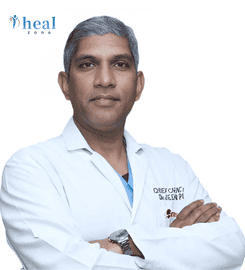
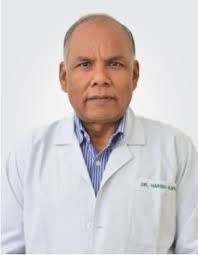
Dr. Harish Kapila
MBBS, MD, DM, FACC, FIC
40 Years Years of Experience
Cardiologist
Pushpawati Singhania Research Institute (PSRI), Hospital, New Delhi
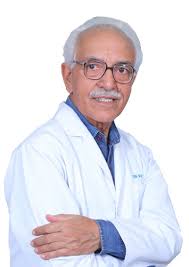
Dr. V.P. Choudhry
MBBS, MD, DM
40 Years Years of Experience
Cardiologist
Pushpawati Singhania Research Institute (PSRI), Hospital, New Delhi
Contact Us for Best Heart Bypass- Minimally Invasive CABG Doctors in India
Who Are the Best Heart Bypass- Minimally Invasive CABG Doctors in India?
The best minimally invasive CABG doctors in India are cardiothoracic surgeons with focused fellowship training in minimally invasive cardiac surgery, off-pump techniques and robotic-assisted procedures. They typically have experience at high-volume heart centres and work in multidisciplinary teams including interventional cardiologists, perfusionists, anaesthetists and specialized cardiac ICU staff.
Key qualifications and experience you should expect:
- Formal fellowship or advanced training in minimally invasive cardiac surgery or robotic cardiac surgery.
- Proven track record in both off-pump (beating-heart) and on-pump minimally invasive techniques.
- Experience with arterial grafting strategies (LIMA, radial artery) in minimally invasive settings for long-term benefits.
- Active participation in morbidity & mortality reviews, quality audits and adherence to evidence-based guidelines.
These surgeons balance technical skill with careful patient selection—minimally invasive CABG is not suitable for every anatomy—ensuring safety and durable results.
What Is Minimally Invasive CABG?
Minimally invasive coronary artery bypass grafting (CABG) refers to a group of surgical techniques that achieve coronary revascularisation using smaller incisions, limited bone cutting, endoscopic tools or robotic assistance, rather than a full median sternotomy (complete splitting of the breastbone). The goal is to provide the proven, long-lasting benefits of surgical grafting while reducing surgical trauma, blood loss, pain, infection risk and recovery time.
Common minimally invasive CABG approaches include:
- MIDCAB (Minimally Invasive Direct Coronary Artery Bypass): small anterior thoracotomy for LIMA-to-LAD grafting.
- OPCAB via small incision: off-pump multi-vessel grafting through limited access.
- Robotic-assisted CABG: robots assist in internal mammary artery harvesting and anastomosis.
- Hybrid revascularisation: combination of minimally invasive LIMA-LAD graft and percutaneous coronary intervention (PCI) with stents for other vessels.
Minimally invasive CABG is most often recommended for single- or limited-vessel disease involving the left anterior descending (LAD) artery, but with skilled teams and hybrid strategies, multi-vessel disease may also be treated.
How Do India’s Top Doctors Diagnose and Select Patients for Minimally Invasive CABG?
Comprehensive diagnostic workup is crucial for safe patient selection and planning:
- Coronary angiography (invasive) to precisely define lesion location, length and vessel size.
- CT coronary angiography and 3D reconstructions to map chest anatomy, target vessel location and feasibility of limited access.
- Echocardiography (transthoracic & transesophageal, TEE) to assess ventricular function and valvular disease.
- Stress testing / myocardial perfusion imaging to characterise ischemia and viability.
- Pulmonary function tests and frailty assessment to evaluate surgical risk and recovery potential.
Selection criteria often include:
- Isolated LAD disease or focal proximal lesions amenable to LIMA grafting.
- Patients who would benefit from less invasive access due to comorbidities or cosmetic preference.
- Anatomies compatible with minimally invasive access on CT imaging.
- Patients without severe aortic calcification, morbid obesity or diffuse small-calibre distal vessels (relative contraindications).
The surgeon discusses the options—minimally invasive vs conventional CABG—outlining risks, benefits, and contingency plans (conversion to sternotomy if needed).
What Minimally Invasive CABG Techniques Are Offered in India and What Are Their Advantages?
1. MIDCAB (Minimally Invasive Direct CABG)
- Access: Small left anterior thoracotomy (5–8 cm) between ribs.
- Typical use: LIMA to LAD graft for single-vessel or LAD-dominant disease.
- Advantages: Less pain, shorter ICU and hospital stay, quicker return to activities, superior cosmesis.
2. Thoracoscopic / Endoscopic LIMA Harvesting + Mini-Thoracotomy
- Access: Endoscopic internal mammary artery harvest with small incision for anastomosis.
- Advantages: Minimal chest wall trauma, reduced infection risk, ideal for patients who fear sternotomy.
3. Robotic-assisted CABG
- Access: Robotic arms placed through small ports; robot assists in precise LIMA harvesting and sometimes anastomosis.
- Advantages: Very small incisions, high precision, minimal wound morbidity and fast recovery in experienced hands.
4. Off-pump Minimally Invasive Multi-vessel CABG
- Access: Multiple small incisions or a limited sternotomy; grafting performed on the beating heart using stabilisers.
- Advantages: Avoids cardiopulmonary bypass (CPB) inflammatory response; potential benefits in high-risk patients.
5. Hybrid Revascularisation (Minimally Invasive + PCI)
- Strategy: LIMA-to-LAD via minimally invasive approach combined with stenting of non-LAD vessels in a staged or single-session approach.
- Advantages: Tailored revascularisation, minimal invasiveness, excellent long-term LAD patency with flexible treatment for other vessels.
Clinical advantages of minimally invasive CABG vs conventional CABG:
- Shorter hospital stay and faster return to normal activity.
- Lower blood transfusion and wound complications.
- Reduced postoperative pain and improved cosmetic outcomes.
- Equivalent long-term graft patency (particularly when arterial grafts are used for LAD).
However, outcomes depend on surgeon experience and careful patient selection.
What Are the Types of Devices and Technologies Used?
Minimally invasive CABG relies on advanced instruments and imaging:
- Endoscopic vessel harvesters to retrieve LIMA or radial artery with small incisions.
- Myocardial stabilisers and positioners for off-pump anastomosis through limited access.
- Robotic surgical systems (where available) for harvesting and anastomosis assistance.
- High-resolution 3D CT imaging and intraoperative TEE for planning and verification.
- Transit time flowmetry (TTFM) for intraoperative graft flow assessment.
- Advanced hemostatic agents and bipolar cautery systems for minimal bleeding.
- Hybrid suites integrating fluoroscopy and surgical tools for combined CABG+PCI procedures.
All devices in leading Indian centres conform to international safety and quality standards.
Why Choose India for Minimally Invasive CABG?
Clinical expertise and volume: Indian heart centres perform large numbers of coronary surgeries and have rapidly adopted minimally invasive and hybrid techniques—creating experienced surgical teams.
Technology: Many hospitals have robotic platforms, hybrid operating rooms and high-end imaging required for minimally invasive approaches.
Affordability: Minimally invasive CABG in India offers significant cost savings compared to Western countries—often 60–70% lower—without compromising quality.
Comprehensive care: From pre-op assessment, international patient coordination, skilled anaesthesia & ICU care to structured cardiac rehabilitation, India provides end-to-end services.
Faster access and shorter waiting times: Enables earlier intervention, which can be crucial for symptomatic patients.
Patient experience: Less surgical trauma, quicker recovery and high satisfaction among international patients.
What Are the Success Rates and Expected Outcomes?
When performed by experienced teams in appropriate patients, minimally invasive CABG achieves:
- High graft patency rates for LIMA-to-LAD comparable to conventional CABG.
- Low operative mortality in elective, low-risk patients (<1>
- Reduced major complications (bleeding, infection) and shorter ICU/hospital stay.
- Rapid functional recovery—many patients resume light activities within 2–4 weeks and return to full activity within 6–8 weeks depending on work demands.
Long-term outcome depends on graft selection, completeness of revascularisation, and adherence to secondary prevention (statins, antiplatelets, blood pressure and diabetes control).
What Is the Cost of Minimally Invasive CABG in India?
|
Type of Procedure |
Estimated Cost (USD) |
|
MIDCAB (single LIMA–LAD) |
$6,000 – $10,000 |
|
Robotic-assisted LIMA harvesting + MIDCAB |
$9,000 – $14,000 |
|
Off-pump minimally invasive multi-vessel CABG |
$10,000 – $16,000 |
|
Hybrid revascularisation (minimally invasive + PCI) |
$11,000 – $18,000 |
Costs vary by hospital, city, surgeon, use of robotic platforms and length of ICU stay. International packages often include pre-op tests, surgeon & anaesthesia fees, OR and ICU costs, hospital stay (typically 5–10 days), and initial follow-up. These are substantially lower than equivalent procedures in the USA, UK or Singapore.
How Long Is the Recovery Process After Minimally Invasive CABG?
Typical recovery milestones:
- ICU stay: 24–48 hours (shorter in uncomplicated MIDCAB).
- Hospital stay: 4–7 days for single graft MIDCAB; 7–10 days for multi-vessel or hybrid procedures.
- Return to light daily activity: 1–2 weeks for MIDCAB patients.
- Return to full activity/work: 4–8 weeks depending on job nature and recovery.
- Follow-up: 1–2 weeks post-discharge, then at 6 weeks, 3 months, 6 months and annually.
Minimally invasive approaches generally allow faster mobilisation, lower pain scores and earlier discharge compared with full sternotomy CABG.
What Post-Treatment and Follow-Up Care Are Provided?
Comprehensive aftercare is essential for long-term success:
- In-hospital cardiac rehabilitation begins early with breathing exercises, mobilisation and education.
- Outpatient cardiac rehab (phase II) includes supervised exercise, dietary counselling, smoking cessation and psychological support.
- Medication management: antiplatelet agents, statins, beta-blockers, ACE inhibitors as indicated.
- Wound care: special attention to small thoracic incisions or port sites.
- Telemedicine follow-up: remote monitoring, virtual rehab sessions and medication titration for international patients.
- Long-term surveillance: stress testing, echocardiography or CT angiography as indicated to monitor graft patency and myocardial function.
Indian centres ensure structured discharge plans and easy remote access to treating teams.
How HealZone (or [Brand]) Supports International Patients?
A medical tourism partner like HealZone streamlines the minimally invasive CABG journey with:
- Expert doctor & hospital selection: matching patient anatomy to centres with specific minimally invasive expertise.
- Pre-admission coordination: review of angiograms, diagnostic tests and second opinions.
- Transparent cost estimates including package inclusions/exclusions.
- Travel & visa assistance, airport pick-up and accommodation for patient and companion.
- On-ground concierge: interpreter services, local transport and family support.
- Postoperative tele-follow-up & rehab coordination to ensure continuity after returning home.
HealZone provides a single point of contact to remove logistical burden so patients can concentrate on recovery.
