

Contact Us for Best Double Valve Replacement (DVR) Doctors in India
Best Double Valve Replacement (DVR) Doctors in India
India is home to some of the best double valve replacement doctors in the world — cardiothoracic surgeons and heart valve specialists with decades of experience in complex valve reconstruction and replacement. These experts combine high-volume surgical practice, international fellowships, and mastery of both mechanical and bioprosthetic valve implantation, as well as minimally invasive and hybrid approaches. They are supported by multidisciplinary heart teams (cardiologists, cardiac anesthesiologists, perfusionists and intensivists) that deliver excellent perioperative safety and long-term outcomes.
Below is the list of the Best Double Valve Replacement (DVR) Doctors in India— surgeons trusted by global patients for advanced valve care, evidence-based decision making, and affordable, compassionate treatment.
- New Delhi
- Mumbai
- Kolkata
- IVF and Infertility
- Cardiology
- Cosmetic and Plastic Surgery
- Orthopedic
- Dental
- Dermatology
- Endocrinology
- ENT
- Gastroenterology
- Gynecology and Obstetrics
- Hematology
- Hepatology
- Nephrology
- Neurology
- Obesity and Bariatric Surgery
- Oncology
- Opthalmology
- Pulmonology
- Rheumatology
- Urology
- General Surgery
- Transplant Surgery
- Vascular Surgery
- Pediatrics
- Internal Medicine
- Spine Surgery
- Radiology
- Aneurysm Surgery: Traditional Open Surgery
- Automatic Implantable Cardioverter Defibrillator (AICD)
- Ambulatory BP Monitoring (ABPM)
- Aortic Dissection Repair Surgery
- Aortic Stent Grafting
- Aortic Surgery
- Aortic Valve Repair (AVR)
- Aortic Valve Replacement (AVR)
- Arterial Switch Surgery
- Atrial Septal Defect (ASD) Closure
- Atrioventricular Canal Repair
- Balloon Septostomy
- Balloon Valvuloplasty
- Beating Heart Surgery
- Bentall Surgery
- Blalock-Taussig (BT) Shunt
- Cardiac Ablation
- Cardiac Catheterization
- Cardiac Resynchronization Therapy
- Cardiac Tumor Treatment
- Complex Congenital Heart Surgeries
- Congestive Heart Failure (CHF) Treatment
- Coronary Angiogram
- Coronary Angioplasty
- Coronary Stents
- Coronary Thrombectomy
- Cardiac Resynchronization Therapy with Defibrillator (CRT-D)
- Cardiac Resynchronization Therapy with Pacemaker (CRT-P)
- Device Closure For ASD
- VSD Device Closure
- Device Closure For PDA
- Double Valve Replacement (DVR)
- Drug Eluded Stent
- Dual Chamber Pacemaker
- Fontan Conversion Surgery
- Fontan Procedure
- Glenn Procedure
- Coronary Artery Bypass Graft(CABG) Surgery
- Minimally Invasive CABG
- Heart Lung Transplant
- Impella Device Implantation
- Intra-Aortic Balloon Pump (IABP)
- LV Restoration Surgery
- Mechanical Valve Replacement – MVR
- Mitral Valve Replacement
- Myectomy-Myotomy
- Myocardial Perfusion Imaging (MPI) Test
- Neonatal And Infant Cardiac Surgeries
- Norwood Procedure
- Off-Pump CABG
- On-Pump CABG
- PDA Ligation
- Pediatric Cardiomyopathy Treatment
- Pediatric Heart Surgery
- Percutaneous Coronary Intervention (PCI)
- Percutaneous Myocardial Laser Revascularization
- Percutaneous Valve Replacement
- Percutaneous Transluminal Coronary Angioplasty (PTCA)
- Percutaneous Transvenous Mitral Commissurotomy (PTMC)
- Pulmonary Valve Repair
- Pulmonary Valve Replacement
- Radiofrequency Ablation
- Revision CABG
- Rhabdomyomas
- Rotational Atherectomy
- Stress Echocardiography
- Tissue Valve Replacement
- Transarterial Radioembolization (TARE)
- Transmyocardial Revascularization (TMR)
- Tricuspid Valve Replacement
- Truncus Arteriosus Repair
- Wearable Cardioverter Defibrillator
- Aortic Stenosis Treatment
- Aortic Valve Regurgitation Treatment
- Cardiac Arrest
- Cardiac Cyst
- Cardiac Tumour Treatment
- Cardiomyopathy Treatment
- Coronary Artery Disease (CAD)
- Heart Attack Treatment
- Heart Bypass Surgery (CABG)
- Heart Bypass- Minimally Invasive CABG
- Heart Failure Treatment
- Hypertrophic Cardiomyopathy
- Left Ventricular Valve Dysfunction
- Left ventricular assist device (LVAD)
- Minimal Access Surgeries for Valves
- Mitral Valve Regurgitation
- Pulmonary Hypertension
- Single Bypass and Valve Replacement
- Trans Aortic Valve Replacement (TAVR) Surgery
- Heart Valve Repair
- Heart Valve Replacement
- Transesophageal Echocardiography (TEE)
- ASD/VSD Device Closure
- Ablation Therapy
- Angiography
- Aorta Surgery
- Aortic Valve Surgery
- Aortic Valve Surgery in the Young Patient
- Ross Procedure
- Biventricular Pacemaker
- Cardiac Devices for Patients with Heart Failure
- Cardiac Implant Closure Devices in Adults
- Cardiac Implantable Electronic Device Replacement
- Catheter Ablation
- Complex Aorta Surgery
- Congenital Heart Disease Treatments
- Coronary Artery Bypass Surgery (CABG)
- Coronary Brachytherapy
- Electrical Cardioversion
- Endoleak Treatments
- Endovascular Repair of Thoracic Aortic Aneurysms
- Endovascular Stent Graft: Aortic Aneurysm Repair
- Enhanced External Counterpulsation (EECP)
- Heart Failure Surgery
- Open Heart Surgery
- Maze Procedure (Atrial Fibrillation Surgery)
- Heart Transplant
- Heart Valve Surgery
- Implantable Cardioverter Defibrillator (ICD)
- Infective Endocarditis Surgery
- Intermittent Pneumatic Compression (IPC) Device
- Intestinal PAD Bypass Surgery
- Intestinal PAD Visceral Artery Aneurysm Surgery
- Laparoscopic Antireflux Surgery
- Left Atrial Appendage & Closure
- Left Ventricular Assist Devices (Mechanical Circulatory Support MCS)
- Left Ventricular Reconstructive Surgery (Modified Dor Procedure)
- Minimally Invasive Heart Surgery
- Minimally Invasive Mitral Valve Repair
- Mitral Valve Repair
- Paravalvular Leak Closure
- Pericardiectomy
- Permanent Pacemaker
- Radial Artery & Saphenous Vein Harvesting
- Robotically Assisted Atrial Septal Defect Repair
- Robotically Assisted Heart Surgery
- Robotically Assisted Mitral Valve Repair
- Robotically Assisted Removal of Cardiac Tumors
- Tricuspid Valve Repair
- Septal Myectomy
- Transcatheter Aortic Valve Replacement (TAVR)
- Transcatheter Pulmonary Valve Replacement (TPVR)
- Video-Assisted Thoracic Surgery (VATS)
- Patent Foramen Ovale (PFO) Closure
- Fetal Heart Disease
- Aberrant Subclavian Artery
- ALCAPA - Anomalous Left Coronary Artery from the Pulmonary Artery
- Aortic and Mitral Atresia
- Aortic Stenosis
- Aortic Valve Regurgitation
- Atrial Tachycardia
- Atrioventricular Canal Defect (AVC Defect)
- Atrioventricular Septal Defect (AVSD)
- Cardiac Arrest
- Cardiac Cyst
- Congenital Heart Anomaly
- Congenital Heart Disease (CHD)
- Cyanotic Heart Defects
- Dextro-Transposition of the Great Arteries (d-TGA)
- Dextrocardia
- Double Aortic Arch
- Double Inlet Left Ventricle (DILV)
- Ebstein's Anomaly
- Heart Birth Defects
- Hole in the Heart
- Hypoplastic Right Heart Syndrome (HRHS)
- Interrupted Aortic Arch (IAA)
- Irregular Heartbeat
- Left Ventricular Valve Dysfunction
- Mitral Valve Regurgitation
- Non-Cyanotic Heart Defects
- Partial Anomalous Pulmonary Venous Connection (PAPVC)
- Pentalogy of Cantrell
- Persistent Truncus Arteriosus
- Pulmonary Atresia
- Pulmonary Hypertension
- Pulmonary Stenosis
- Scimitar Syndrome
- Shone's Complex
- Supraventricular Tachycardia
- Tetralogy of Fallot
- Total Anomalous Pulmonary Venous Connection (TAPVC)
- Transposition of the Great Vessels
- Tricuspid Valve Regurgitation
- Ventricular Septal Defect (VSD)
- Viral Myocarditis
- Wolff-Parkinson-White Syndrome
- Coronary Fistula
- Levo-Transposition of the Great Arteries (l-TGA)
- Automatic Implantable Cardioverter Defibrillator (AICD)
- Hyperlipidemia
- Portal Hypertension
- Adventitial Cystic Disease
- Angina
- Abdominal Aortic Aneurysm
- Aortic Aneurysm
- Thoracic Aortic Aneurysm
- Aortic Coarctation
- Aortic Dissection
- Arrhythmia
- Arrhythmogenic Right Ventricular Dysplasia (ARVD)
- Atherosclerosis
- Atrial Fibrillation (AFIB)
- Atrial Septal Defect (ASD)
- Axillo-Subclavian Vein Thrombosis
- Bicuspid Aortic Valve Disease
- Cardiovascular Disease
- Cerebrovascular Occlusive Disease
- Cervical (Carotid or Vertebral) Artery Dissection
- Chronic Thromboembolic Pulmonary Hypertension (CTEPH)
- Chronic Venous Insufficiency (CVI)
- Coronary Artery Disease
- Dilated Cardiomyopathy
- Double Outlet Right Ventricle
- Endocarditis
- Enlarged Heart (Cardiomegaly)
- Esophageal Cancer
- Esophageal Diverticulum
- Extracranial Carotid Artery Aneurysm
- Hantavirus Pulmonary Syndrome (HPS)
- Heart Cancer
- Heart Palpitations
- Heart Valve Disease
- High Blood Pressure (Hypertension)
- High Cholesterol in Children
- Hypertrophic Cardiomyopathy
- Hypoplastic Left Heart Syndrome (HLHS)
- Heart Failure
- Patent Ductus Arteriosus (PDA)
- Patent Foramen Ovale (PFO)
- Pediatric and Congenital Heart Conditions
- Peripartum Cardiomyopathy
- Peripheral Artery Disease (PAD)
- Postural Orthostatic Tachycardia Syndrome (POTS)
- Premature Ventricular Contractions
- Spontaneous Coronary Artery Dissection (SCAD)
- Valve Disease
- Ventricular Tachycardia

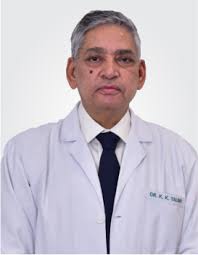
Dr. Kewal Kishan Talwar

MBBS, MD, DM, FAMS, FRCP
45 Years of Experience
Cardiologist
Pushpawati Singhania Research Institute (PSRI), Hospital, New Delhi

Dr. Mohan Bhargava
MBBS, DNB, DM, FACC, FESC, FICC, FIMSA, FIAMS
30 Years of Experience
Interventional Cardiologist

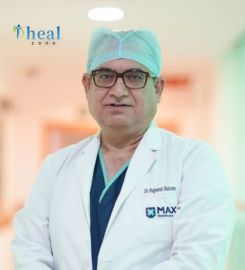
Dr. Rajneesh Malhotra
MBBS, MCh, Fellowship
30 Years of Experience
Cardiothoracic and Vascular Surgeon
Contact Us for Best Double Valve Replacement (DVR) Doctors in India


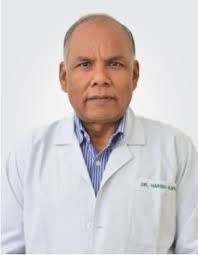
Dr. Harish Kapila
MBBS, MD, DM, FACC, FIC
40 Years Years of Experience
Cardiologist
Pushpawati Singhania Research Institute (PSRI), Hospital, New Delhi
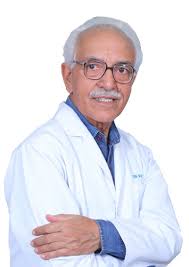
Dr. V.P. Choudhry
MBBS, MD, DM
40 Years Years of Experience
Cardiologist
Pushpawati Singhania Research Institute (PSRI), Hospital, New Delhi
Contact Us for Best Double Valve Replacement (DVR) Doctors in India
Who Are the Best Double Valve Replacement (DVR) Doctors in India?
The best double valve replacement doctors are cardiothoracic surgeons with specialized training in adult cardiac surgery, valve repair/replacement, and complex redo operations. Many hold advanced fellowships in valve surgery, structural heart interventions, or transplant surgery from international centres. Their expertise includes surgical replacement of two diseased valves (commonly the aortic and mitral valves), valve repair techniques, minimally invasive valve surgery, and coordination with interventional cardiologists for hybrid procedures.
Clinical skills and team leadership:
Top surgeons lead multidisciplinary heart teams that include imaging cardiologists (for 3D echo and CT planning), cardiac anesthesiologists experienced in transesophageal echocardiography (TEE), perfusionists for safe cardiopulmonary bypass management, and intensivists for postoperative care. They have experience in managing high-risk patients — elderly, reoperations, rheumatic heart disease, infective endocarditis and concomitant coronary disease.
Notable attributes:
- High surgical volume and low perioperative mortality in valve programs.
- Proficiency in valve-sparing procedures and complex reconstructions where feasible.
- Experience with both mechanical valves (durable, long-lasting) and bioprosthetic valves (tissue valves), and with patient counseling regarding lifelong anticoagulation vs reoperation risk.
- Skilled in minimally invasive or hemi-sternotomy approaches and in coordinating transcatheter valve-in-valve or hybrid strategies when indicated.
What Is Double Valve Replacement?
Double valve replacement (DVR) is a cardiac surgery in which two heart valves are replaced during the same operation. The most common combination is replacement of the aortic valve and the mitral valve, though other double valve combinations occur depending on disease patterns. DVR is performed when valves are severely diseased — stenotic (narrowed), regurgitant (leaky), infected, or damaged by rheumatic disease — and cannot be adequately repaired.
Why and when is it needed?
- Severe symptomatic valve disease causing breathlessness, fatigue, chest pain, syncope, or heart failure.
- Progressive ventricular dysfunction or pulmonary hypertension due to chronic valve disease.
- Infective endocarditis involving multiple valves.
- Rheumatic heart disease commonly affects both mitral and aortic valves in many patients.
Risks and complications (explained simply):
Like all major heart surgeries, DVR carries risks such as bleeding, infection, stroke, kidney injury, arrhythmias, valve dysfunction, and rarely death. The relative risk depends on patient age, preoperative heart function, coexisting conditions (diabetes, renal disease), and whether the surgery is a first-time operation or a redo.
How Do India’s Top Doctors Diagnose and Plan Double Valve Replacement?
Comprehensive preoperative evaluation includes:
- Detailed clinical assessment: Symptoms, functional class (NYHA), medical optimization.
- Transthoracic and transesophageal echocardiography (TTE/TEE): Precise assessment of valve anatomy, severity, valve lesion type (stenosis vs regurgitation), chamber sizes, pulmonary pressures, and concomitant valvular issues. 3D TEE improves surgical planning.
- Cardiac CT and MRI: Useful for annulus sizing, assessment of calcification, aortic root anatomy and for surgical planning in complex cases.
- Coronary angiography: To detect coronary artery disease that may need concurrent bypass grafting.
- Blood tests and organ function assessment: Renal, hepatic, hematologic parameters; nutritional and infection screening.
- Risk stratification: Use of scoring systems (EuroSCORE II, STS score) to estimate surgical risk and guide informed consent.
Heart team discussion:
Top centres perform a heart team review (surgeon, cardiologist, anesthesiologist, imaging specialist) to decide whether valve repair is feasible for one or both valves, the type of prosthesis to use, the approach (full sternotomy vs minimally invasive), and whether simultaneous coronary bypass or other procedures are required.
What Are the Treatment Approaches for Double Valve Disease?
Surgical Double Valve Replacement (traditional):
- Performed via median sternotomy in most conventional cases.
- Patient placed on cardiopulmonary bypass; heart arrested with cardioplegia for a bloodless field.
- Diseased valves excised and replaced with chosen prostheses — either mechanical valves (durable, long-lasting) or bioprosthetic tissue valves (no lifelong anticoagulation but may degenerate over years).
- Concomitant procedures: coronary artery bypass grafting (CABG), tricuspid repair, left atrial appendage closure, or atrial fibrillation ablation as indicated.
Valve Repair vs Replacement:
- Repair is preferred where feasible (e.g., certain mitral valve pathologies) due to preservation of heart function and avoidance of prosthesis-related complications. However, in many double valve disease scenarios — especially rheumatic or heavily calcified valves — repair may not be possible and replacement is required.
Minimally Invasive Double Valve Surgery:
- In select patients, a upper hemi-sternotomy or right mini-thoracotomy approach can be used to reduce surgical trauma, bleeding and recovery time. Minimally invasive DVR requires specialized expertise and case selection.
Hybrid and Transcatheter Options:
- In high-risk or elderly patients, a hybrid strategy may be considered: surgical replacement of one valve and transcatheter replacement (TAVR or TMVR where available) for the other, or staged valve-in-valve procedures for degenerated prostheses. Availability depends on hospital capabilities and patient anatomy.
Infective Endocarditis Cases:
- When endocarditis affects multiple valves, urgent surgical removal of infected tissue and valve replacement is often necessary. Surgeons experienced in complex reconstruction and postoperative infection control are critical.
What Are the Types of Prosthetic Valves and Devices Used?
Mechanical valves:
- Made from durable materials (metal/carbon).
- Advantages: Long life span—often last decades.
- Disadvantages: Require lifelong anticoagulation (warfarin) to prevent thromboembolism.
Bioprosthetic (tissue) valves:
- Made from bovine or porcine tissue or pericardial tissue.
- Advantages: Usually do not require lifelong anticoagulation (except short-term).
- Disadvantages: Limited durability (may wear out in 10–20 years), possibly requiring reoperation or valve-in-valve treatment.
Valve sizing and implantation devices:
- Annular sizers, pledgeted sutures, sewing rings and modern implantation instruments.
- When transcatheter solutions are used, specific delivery systems and valve-in-valve devices may be employed.
Monitoring and postoperative devices:
- Intraoperative transesophageal echo (TEE) to confirm valve function.
- Temporary pacing wires for postoperative bradyarrhythmias.
- Advanced ICU monitoring systems for hemodynamic support.
Why Choose India for Double Valve Replacement?
Clinical expertise and multidisciplinary teams:
India’s top cardiac centres have established valve programs with experienced surgeons, imaging specialists, anesthesiologists and ICU teams familiar with complex DVR procedures.
Advanced infrastructure:
Many hospitals possess hybrid operating theatres, 3D echocardiography, cardiac CT/MRI, high-quality perfusion and monitoring systems, and access to transcatheter valve platforms and mechanical support (ECMO, IABP) when needed.
Affordability and value:
Double valve replacement costs in India are typically a fraction of costs in Western countries; yet outcomes, ICU care and follow-up protocols are aligned with international standards. International patients often receive bundled packages (surgery, ICU, medicines, basic investigations), lowering administrative burden and cost surprises.
Patient-centric care for international patients:
Dedicated international patient services provide visa assistance, language interpreters, coordinated travel and accommodation, and telemedicine follow-up after discharge.
What Are the Success Rates and Outcomes of Double Valve Replacement in India?
Surgical outcomes overview:
When performed in high-volume, accredited centres, DVR has excellent outcomes. Reported perioperative survival for elective DVR in experienced centres is high, with in-hospital mortality generally low for elective, well-selected patients. Early and mid-term outcomes depend on patient comorbidities (renal function, pulmonary hypertension, ventricular function) and whether the procedure is a reoperation or urgent surgery.
Long-term considerations:
Long-term survival and quality of life after DVR are favorable when valve selection, anticoagulation strategies and close follow-up are optimized. Bioprosthetic valves may necessitate reintervention after a decade or longer, while mechanical valves require lifelong anticoagulation management but avoid early reoperation risk.
Comparisons with Western standards:
Top Indian centres match international outcomes when measured by perioperative mortality, stroke rates, infection rates and medium-term survival, provided patient selection and postoperative care adhere to guideline-driven protocols.
What Is the Cost of Double Valve Replacement in India?
(Estimated ranges in USD — final costs depend on hospital, city, prosthesis selection, ICU days and comorbidities.)
|
Type of Procedure |
Estimated Cost (USD) |
|
Double Valve Replacement (DVR) — standard package |
$7,000 – $15,000 |
|
DVR with CABG (1–2 grafts) |
$9,000 – $18,000 |
|
DVR with complex reconstruction / redo surgery |
$12,000 – $25,000+ |
|
Minimally invasive DVR (selected cases) |
$8,000 – $16,000 |
|
ICU per day (additional if extended) |
$400 – $1,200 |
Notes: Mechanical valves may be less expensive initially but involve lifelong anticoagulation costs; bioprosthetic valves may be costlier up front with potential future valve-in-valve costs. Request itemised quotes covering surgeon fees, prosthesis cost, ICU days, investigations, medications and rehabilitation.
How Long Is the Recovery Process?
Immediate hospital course:
- ICU stay: Typically 24–72 hours depending on stability.
- Total hospital stay: 6–10 days for uncomplicated cases; longer for high-risk or complicated patients.
Early recovery milestones:
- Mobilization within 24–48 hours with physiotherapy and breathing exercises.
- Pain control, wound care and monitoring for arrhythmias or anticoagulation needs.
- Initiation of cardiac rehabilitation and counseling before discharge.
Postoperative rehabilitation and long-term recovery:
- Cardiac rehab program: Usually 6–12 weeks focusing on graded exercise, lifestyle modification and medication adherence.
- Anticoagulation management: For mechanical valves, lifelong warfarin with regular INR monitoring; tissue valves often need short-term anticoagulation.
- Return to normal activities: Light activities within 4–6 weeks; full return to more strenuous activities typically in 8–12 weeks depending on healing and cardiologist guidance.
- Follow-up schedule: Early clinic visit at 1–2 weeks, suture/wound check, then at 6 weeks, 3 months, 6 months and yearly with echocardiography to monitor valve function.
What Post-Treatment and Follow-Up Care Are Provided?
Comprehensive post-discharge services commonly include:
- Anticoagulation clinics with education on diet, drug interactions, and INR monitoring (for mechanical valve patients).
- Telemedicine follow-ups for international patients — virtual consults, remote review of ECG/echocardiogram results and medication adjustments.
- Cardiac rehabilitation (in-hospital, outpatient or remote programs) to regain functional capacity.
- Infection surveillance and wound care support.
- Long-term surveillance with periodic echocardiography to monitor prosthetic valve function and detect early degeneration or paravalvular leak.
Management of complications: Rapid access to reintervention, anticoagulation reversal protocols or device therapy is available in major centres.
How HealZone Supports International Patients?
HealZone specializes in coordinating complex cardiac care for international patients seeking double valve replacement in India. Services include:
- Doctor & hospital selection: Shortlisting experienced valve surgeons and accredited hospitals based on clinical needs and budget.
- Pre-travel teleconsultation: Specialist review of records, diagnostic clarification and second opinions.
- Visa & travel assistance: Medical visa invitation letters and logistical support.
- Transparent cost estimates & packages: Itemised quotes including prosthesis, surgeon fees, ICU, hospital stay and rehabilitation.
- Accommodation & local support: Airport pickup, language interpreters, hotel or guest-house arrangements and on-ground assistance.
- Postoperative care & tele-follow-up: Scheduling virtual follow-ups, organizing anticoagulation monitoring, and liaising with the patient’s local physicians for continuity of care.
HealZone ensures a patient-centered, safe, and cost-effective pathway for international patients undergoing double valve replacement in India.
