

Contact us for Cost of Coronary Artery Bypass Grafting (CABG) in India
Cost of Coronary Artery Bypass Grafting (CABG) in India
$4,000
95 %
Coronary Artery Bypass Grafting (CABG) is a major heart surgery that helps improve blood flow to the heart. Many people are interested in the cost of CABG in India. India has become a popular destination for heart surgeries because of its excellent hospitals, experienced cardiologists, and lower costs compared to many Western countries.
Coronary Artery Bypass Grafting (CABG) surgery in India typically costs between $4,000 and $6,500. The price can vary depending on the hospital, the city, the complexity of your surgery, and the type of grafts needed. Cities like Delhi, Mumbai, Bangalore, and Chennai may be a bit more expensive, as they have advanced facilities and highly experienced surgeons. While price is important, it’s equally crucial to consider the quality of care, the expertise of the surgical team, and the hospital’s reputation when deciding where to have your surgery.
Top Doctors for Coronary Artery Bypass Grafting (CABG) in India

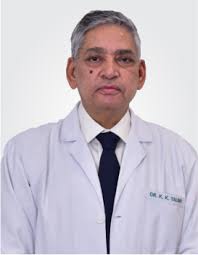
Dr. Kewal Kishan Talwar
MBBS, MD, DM, FAMS, FRCP
Cardiologist
45 Years of Experience
Pushpawati Singhania Research Institute (PSRI), Hospital, New Delhi
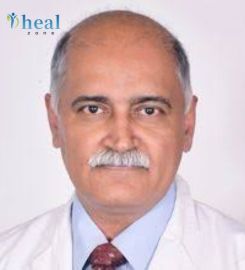
Dr. Kulbhushan Singh Dagar
MBBS, MS, MCh, Fellowship, Certificates/Trainings
Pediatric Cardiac Surgeon, Pediatric Cardiologist
35 Years of Experience
CABG Cost Comparison: India vs Other Countries
CABG in India is much more affordable than in many other countries. For example:
|
India |
4,000 – 6,500 |
Cost varies by city, hospital, and procedure type. |
|
United States |
70,000 – 200,000 |
Costs include hospital, surgeon, and post-op care; insurance often required. |
|
United Kingdom |
15,000 – 30,000 |
NHS may cover part or all; private hospitals cost more. |
|
Germany |
25,000 – 50,000 |
High-quality care; advanced facilities increase cost. |
|
Thailand |
12,000 – 25,000 |
Popular medical tourism destination for cardiac procedures. |
|
Turkey |
10,000 – 20,000 |
Modern hospitals with competitive costs attract international patients. |
|
Singapore |
20,000 – 40,000 |
Advanced cardiac care; costs include surgeon, hospital, and ICU stay. |
In comparison, India provides high-quality CABG surgery for much less, often only 10–20% of the cost in Western countries. This combination of affordable prices and skilled care attracts many international patients to India for heart surgery.
Indian hospitals are internationally accredited and use modern operating rooms, intensive care units, and advanced heart technology. As a result, patients receive care that meets global standards.
What is CABG (Coronary Artery Bypass Grafting)?
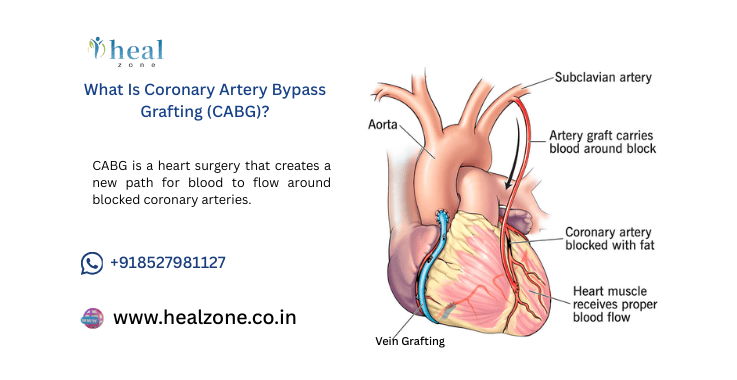
CABG, or Coronary Artery Bypass Grafting, is a surgery that helps improve blood flow to the heart muscle. If the coronary arteries are blocked or narrowed by plaque, the heart does not get enough oxygen-rich blood. CABG creates a new path around the blockage using a blood vessel taken from the leg, arm, or chest.
This surgery can ease symptoms such as chest pain (angina) and shortness of breath, and it can improve overall quality of life. It also lowers the risk of heart attacks in people with severe coronary artery disease.
Doctors often recommend CABG when other treatments like medicines or angioplasty are not enough to control the condition.
Top Hospitals for Coronary Artery Bypass Grafting (CABG) in India

Indraprastha Apollo Hospital, New Delhi
Indraprastha Apollo Hospital, NH-19, New Delhi

Medanta-The Medicity Gurgaon
CH Baktawar Singh Rd, Medicity, Islampur Colony, Sector 38, Gurugram, Haryana 122001

Fortis Memorial Research Institute (FMRI) Gurugram
Sector - 44, Opposite HUDA City Centre, Gurugram, Haryana 122002

Max Super Speciality Hospital, Saket
Press Enclave Marg, Saket, New Delhi, Delhi 110017
Who Needs Coronary Artery Bypass Grafting (CABG) Surgery?
CABG is recommended for people whose coronary arteries are badly narrowed or blocked, which reduces blood flow to the heart. Doctors usually suggest this surgery in the following situations:
- Severe coronary artery disease (CAD): Multiple blocked arteries that cannot be managed effectively with medication or stents.
- Left main coronary artery disease: Blockage in the main artery supplying blood to a large portion of the heart.
- Failed or unsuitable angioplasty/stent treatment: When previous procedures have not restored adequate blood flow.
- Persistent chest pain (angina): Despite optimal medical therapy, angina continues to interfere with daily life.
- Heart failure due to poor blood flow: CABG can improve heart function and quality of life in selected patients.
- High-risk patients with diabetes: Often benefit more from CABG than from other interventions for long-term outcomes.
CABG is a major surgery, so a cardiologist and cardiac surgeon need to carefully check if it is the right choice for you.
A cardiologist will check your heart using tests like angiography, ECG, and echocardiography before recommending CABG. In India, these tests are often included in the first consultation package, which makes the process easier and more affordable.
Types of Coronary Artery Bypass Grafting (CABG)
There are different types of CABG surgery, depending on how many arteries are bypassed and the technique used:
- Single, Double, Triple, or Quadruple Bypass: Refers to the number of blocked arteries being bypassed.
- On-Pump CABG: Performed using a heart-lung machine, keeping the heart temporarily stopped.
- Off-Pump CABG (Beating Heart Surgery): Done while the heart is still beating, which can lower the risk of some complications.
- Minimally Invasive CABG: Smaller incisions, shorter recovery, typically for less complex blockages.
Each type of CABG has its own reasons for use, benefits, and costs. In India, minimally invasive surgeries may cost a bit more because they need special equipment and skills, but they usually mean a faster recovery and a shorter hospital stay.
Benefits of Coronary Artery Bypass Grafting (CABG) Surgery
CABG offers many important benefits and can greatly improve your quality of life. These include:
- Relief from angina and chest pain
- Improved blood flow and heart function
- Reduced risk of heart attacks
- Enhanced ability to perform daily activities
- Improved longevity for patients with severe coronary artery disease
Many patients feel much more energetic and active after they recover, so CABG can be life-changing for them.
Risks and Complications of Coronary Artery Bypass Grafting (CABG)
CABG is generally safe and effective, but like any major surgery, it does come with some risks. These may include:
- Bleeding: Some bleeding can happen after surgery, and in rare cases, a blood transfusion or extra procedure may be needed.
- Infection: There’s a small chance of infection at the chest or leg incision sites.
- Irregular heartbeats: You may experience irregular heart rhythms, such as atrial fibrillation, which are usually manageable.
- Kidney issues: Temporary kidney problems can occur in some patients, but they typically improve with proper care.
- Lung problems: Breathing difficulties or infections like pneumonia can sometimes happen during recovery.
- Memory or concentration changes: Some patients notice short-term confusion or memory lapses, which usually get better over time.
- Graft issues: Occasionally, the bypassed arteries may narrow again, which might require further treatment.
- Serious complications or death: Though uncommon, there is a small risk of life-threatening complications depending on overall health and surgery complexity.
Hospitals take careful precautions, and modern surgical techniques have helped reduce these risks significantly.
Factors Affecting Coronary Artery Bypass Grafting (CABG) Cost in India
Many things can affect the cost of CABG in India, such as:
- Hospital Type: Private or multispecialty hospitals may be more expensive than government hospitals.
- City/Location: Costs are usually higher in big cities like Delhi or Mumbai.
- Surgical Technique: Minimally invasive or off-pump procedures can cost more than standard on-pump CABG.
- Number of Arteries Bypassed: The more arteries that need bypassing, the longer the surgery and the higher the cost.
- Pre- and Post-Surgery Care: ICU stay, medications, and rehabilitation services can affect total cost.
- Surgeon’s Experience: Well-known cardiac surgeons may charge a little more, but their experience often leads to better results.
Pre- and Post-Surgery Care Requirements
Getting ready for CABG and recovering after surgery are both very important for a good outcome.
Pre-Surgery Care:
- Complete medical check-up (blood tests, ECG, echocardiography, angiography)
- Medication adjustments as advised by your cardiologist
- Guidance on diet and lifestyle for heart health
- Emotional support and counseling to reduce pre-surgery anxiety
Post-Surgery Care:
- ICU monitoring for the first 24–48 hours
- Pain management and infection prevention
- Gradual mobilization and physiotherapy
- Medication management for blood pressure, cholesterol, and heart function
Indian hospitals provide organized programs before and after surgery, which are often included in the surgery package. These programs help patients recover smoothly.
Coronary Artery Bypass Grafting (CABG) Surgery Procedure: Step-by-Step
- Preoperative Preparation
- Fasting and medication adjustments as instructed by the doctor.
- Blood tests, chest X-ray, ECG, and other imaging to assess heart condition.
- Anesthesia consultation and discussion of risks.
- Anesthesia
- General anesthesia is administered to ensure the patient is unconscious and pain-free during surgery.
- Incision
- A median sternotomy (cut through the breastbone) is performed to access the heart.
- In minimally invasive CABG, smaller incisions may be used.
- Harvesting the Grafts
- Healthy blood vessels are taken from the chest (internal mammary artery), leg (saphenous vein), or arm (radial artery) to be used as bypass grafts.
- Heart Bypass
- On-pump CABG: Heart-lung machine takes over circulation while the heart is stopped.
- Off-pump CABG: Surgery is performed on the beating heart without a heart-lung machine.
- Attaching the Grafts
- The grafts are connected above and below the blocked arteries to reroute blood flow and restore circulation.
- Closing the Incision
- The sternum is wired back together, and the chest incision is closed with sutures or staples.
- Postoperative Monitoring
- Patient is moved to ICU for monitoring of heart rate, blood pressure, and oxygen levels.
- Pain management, drainage tubes, and medications are administered as needed.
- Recovery in Hospital
- Most patients stay in the hospital for about 5–7 days, including time in the ICU.
- Early movement and breathing exercises are started under the guidance of medical staff to support a smooth recovery.
- Discharge and Home Care
- Instructions on wound care, medications, diet, and physical activity.
- Follow-up appointments to monitor recovery and heart function.
Preoperative Preparation
Preparing well before CABG surgery helps lower risks and makes recovery easier. Important steps include:
- Medical Evaluation
- Comprehensive assessment including blood tests, ECG, chest X-ray, echocardiogram, and coronary angiography.
- Review of current medications and medical history.
- Medication Management
- Certain medications (e.g., blood thinners) may need to be adjusted or stopped before surgery.
- Doctors may prescribe medicines to optimize heart function and prevent complications.
- Fasting
- Patients are usually required to fast for 6–8 hours before surgery to prevent complications from anesthesia.
- Lifestyle Adjustments
- Smoking cessation is strongly advised.
- Alcohol intake should be minimized.
- Consultation and Consent
- Discussion of the procedure, potential risks, and expected outcomes with the cardiac surgeon.
- Informed consent is obtained.
- Hospital Admission and Preparation
- Admission to the hospital 1–2 days before surgery.
- Vital signs, intravenous lines, and monitoring devices are set up.
- Psychological Preparation
- Counseling and reassurance to reduce anxiety and stress.
- Understanding post-surgery recovery and lifestyle changes.
Hospitals in India offer detailed counseling to patients and families to help them prepare for surgery.
Postoperative Care at Home
Once discharged, patients must follow strict home care guidelines:
- Monitor incision for signs of infection
- Take medications as prescribed
- Gradually resume physical activity
- Attend all follow-up appointments
- Maintain a heart-healthy diet and lifestyle
Family support is very important for recovery. Indian hospitals often provide detailed guides for home care and rehabilitation.
Lifestyle Changes After Coronary Artery Bypass Grafting (CABG)
After CABG surgery, it’s important to follow healthy habits to protect your heart, improve your long-term health, and prevent new blockages. Key tips include:
- Heart-Healthy Diet
- Emphasize fruits, vegetables, whole grains, lean proteins, and healthy fats.
- Limit salt, sugar, and saturated or trans fats to control blood pressure and cholesterol.
- Regular Physical Activity
- Gradually resume physical activity as advised by your doctor.
- Cardiac rehab programs can safely help you become fitter, stronger, and improve your heart health.
- Quit Smoking and Limit Alcohol
- Smoking cessation is critical for preventing further heart disease.
- Alcohol should be consumed only in moderation, if at all.
- Weight Management
- Keep a healthy weight to take pressure off your heart and feel better overall.
- Medication Adherence
- Take prescribed medications consistently, including blood thinners, beta-blockers, or cholesterol-lowering drugs.
- Stress Management
- Practice relaxation techniques like meditation, yoga, or deep breathing exercises.
- Make sure you get enough sleep and take time to rest your mind.
- Regular Medical Check-Ups
- Attend follow-up appointments for monitoring heart function and graft health.
- Routine blood tests and imaging may be recommended to track progress.
- Recognize Warning Signs
- Seek immediate medical attention if you experience chest pain, shortness of breath, palpitations, or unusual fatigue.
These lifestyle changes, together with CABG, can significantly lower your risk of future heart problems.
How Healzone Helps Coronary Artery Bypass Grafting (CABG) Patients?
Healzone is a platform that helps CABG patients in India by:
- Connecting patients with top cardiac surgeons and hospitals
- Providing transparent cost estimates for CABG in India
- Offering pre- and post-surgery counseling
- Guiding patients on insurance coverage and financing options
- Helping with rehabilitation and follow-up schedules
Healzone ensures that patients receive more than just surgery. They get complete care and support for a smoother, safer recovery.
Post-Surgery Follow-Up and Rehabilitation Support
Follow-up care is very important for recovery after CABG. It includes:
- Regular check-ups to monitor heart function
- Medication management to prevent clotting and control blood pressure
- Cardiac rehabilitation programs for gradual physical strengthening
- Lifestyle counseling to maintain heart health
In India, many hospitals offer complete post-surgery packages with physiotherapy, diet plans, and counseling. These are often organized through platforms like Healzone.
Why Choose India for Coronary Artery Bypass Grafting (CABG) Surgery?
India is now a popular place for CABG surgery because it offers advanced medical care, affordable prices, and experienced heart specialists. The main reasons are:
- Highly Skilled Cardiac Surgeons
- India has many cardiac surgeons who are internationally trained and experienced. They perform thousands of CABG surgeries every year.
- State-of-the-Art Hospitals
- Modern hospitals in India have advanced cardiac care units, facilities for minimally invasive surgery, and up-to-date diagnostic technology.
- Cost-Effective Treatment
- CABG in India costs much less than in countries like the USA, UK, or Germany—often 70–90% lower—while still maintaining high quality.
- Shorter Waiting Times
- In India, patients can usually schedule surgery quickly, unlike in some countries where the wait can be weeks or months.
- Comprehensive Postoperative Care
- Hospitals in India offer organized cardiac rehab programs, physiotherapy, and follow-up care to help patients recover smoothly.
- Medical Tourism Support
- Many hospitals provide full support for international patients, including help with visas, airport pickup, accommodation, interpreters, and personalized care.
- Advanced Surgical Options
- Some hospitals in India offer minimally invasive, off-pump CABG, and robotic-assisted procedures for certain patients.
- Cultural Comfort and Accessibility
- English-speaking staff and familiar cultural settings help make the experience easier for international patients.
Frequently Asked Questions
CABG (Coronary Artery Bypass Grafting) is heart surgery to improve blood flow to the heart by bypassing blocked coronary arteries using healthy blood vessels from elsewhere in the body.
It is recommended for severe coronary artery disease, multiple blockages, left main artery disease, failed stents/angioplasty, or chest pain not controlled by medicines.
- On-pump CABG: Heart stopped, heart-lung machine used.
- Off-pump CABG: Surgery on beating heart.
- Healthy vessels from the leg, arm, or chest are grafted to bypass blocked arteries.
- Single, double, triple, quadruple bypass (depending on arteries bypassed)
- Minimally invasive CABG
- Off-pump or on-pump CABG
Usually 3–6 hours, depending on the number of arteries bypassed and patient's condition.
- CABG is usually recommended for patients with multiple blocked arteries or diabetes, as it provides longer-lasting results.
- Angioplasty is less invasive but may not be as durable in complex or widespread blockages.
Yes. Common medications include:
- Blood thinners (to prevent clots)
- Cholesterol-lowering drugs
- Beta-blockers or ACE inhibitors (to protect the heart)
