

Contact us for Cochlear Implant Cost in India
Cochlear Implant Cost in India
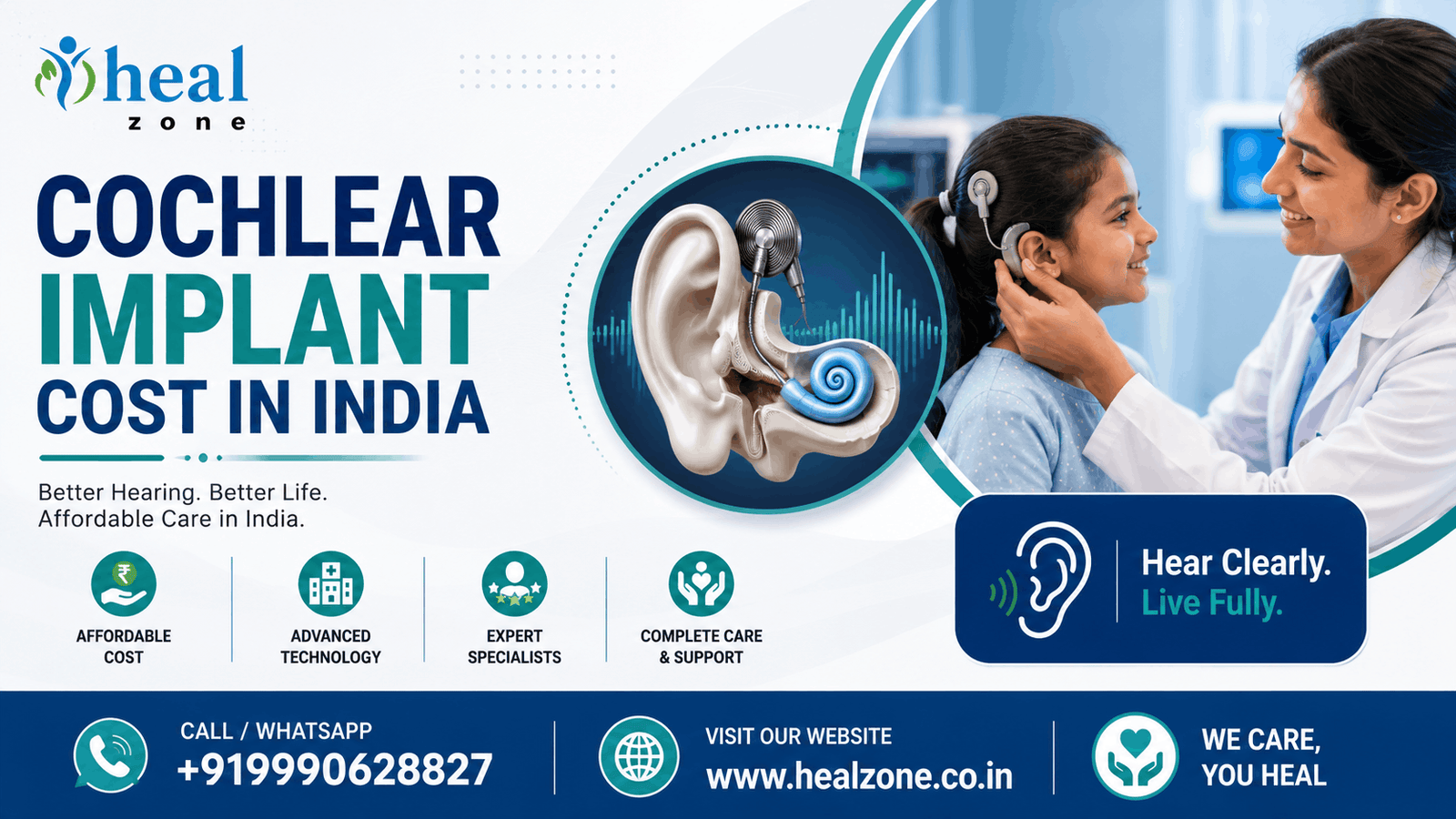
$12,000 – $18,000
95 %
India is now a leading destination for cochlear implant surgery. Every year, thousands of patients from Africa, the Middle East, Asia, Europe, and the CIS choose India because of its affordable prices, advanced technology, and experienced ENT surgeons. The Cochlear Implant Cost in India is at least 50 t0 60 % less when compared to other countries.
A cochlear implant can change the lives of people with severe or profound hearing loss. It bypasses damaged parts of the inner ear and directly stimulates the auditory nerve, helping children and adults reconnect with sound.
HealZone works with India’s leading ENT and cochlear implant centers to provide international patients with reliable, transparent, and affordable treatment. Patients receive high-quality care at much lower costs than in Western countries.
Top Doctors for Cochlear Implant in India



Average Cochlear Implant Cost in India
The average cost of a cochlear implant surgery in India ranges between USD 12,000 and 18,000 for a single ear, depending on the device brand, hospital, and patient profile.
For surgery on both ears, the total cost is usually between USD 22,000 and 30,000.
This is 60 to 70 percent less than prices in the USA, UK, or Singapore, while still meeting international standards for surgery and audiology.
Approximate Cost Breakdown for Cochlear Implant
- Single Ear Cochlear Implant: USD 12,000 – 18,000
- Both Ears (Bilateral): USD 22,000 – 30,000
- Children (under government or NGO-supported programs): can start from USD 10,000
- Upgraded Premium Models (e.g., Nucleus 8, Advanced Bionics Naída CI M): up to USD 25,000 per ear
Patients receive FDA and CE-approved implants from top brands like Cochlear™, MED-EL, and Advanced Bionics. These devices offer long-lasting durability, natural sound quality, and worldwide service support.
Top Hospitals for Cochlear Implant in India

Indraprastha Apollo Hospital, New Delhi
Indraprastha Apollo Hospital, NH-19, New Delhi

Medanta-The Medicity Gurgaon
CH Baktawar Singh Rd, Medicity, Islampur Colony, Sector 38, Gurugram, Haryana 122001
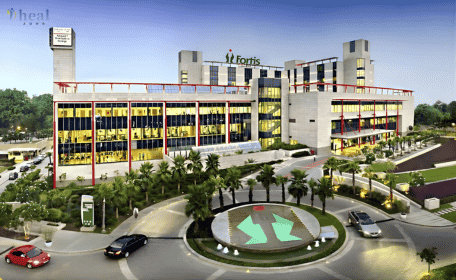
Fortis Memorial Research Institute (FMRI) Gurugram
Sector - 44, Opposite HUDA City Centre, Gurugram, Haryana 122002
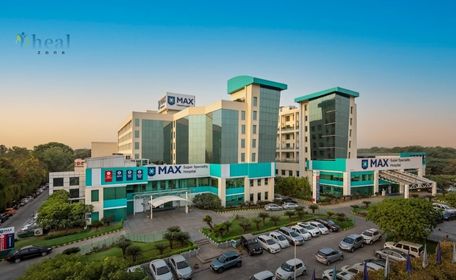
Max Super Speciality Hospital, Saket
Press Enclave Marg, Saket, New Delhi, Delhi 110017
What Is Included in the Cochlear Implant Cost Package in India?
Most Indian hospitals and implant centers offer comprehensive cochlear implant packages that include every major expense associated with diagnosis, surgery, and rehabilitation.
Standard Package Inclusions
- Pre-surgical hearing tests (audiogram, OAE, ABR, CT/MRI)
- ENT consultation and evaluation by cochlear implant surgeon
- Device cost (implant + external sound processor)
- Operation theatre and anesthesia charges
- Surgeon’s and audiologist’s fees
- Hospital stay for 2–3 days
- Initial speech therapy and mapping session
- Postoperative medications
- Follow-up visit (first mapping and programming)
- Airport pick-up and drop assistance
- Language interpreter and care coordinator
- Assistance with stay and visa extension
- Teleconsultation follow-up after discharge
Factors That Influence the Cochlear Implant Cost in India
Although the average cost is fairly consistent, several factors can affect the final price:
- Type & Brand of Implant: Top options like Cochlear™ Nucleus, MED-EL Synchrony, and Advanced Bionics vary in price based on features like noise reduction, wireless connectivity, and MRI compatibility.
- Unilateral vs. Bilateral: Getting implants in both ears almost doubles the cost, but it can improve sound direction and speech understanding, especially in noisy places.
- Patient Age: Pediatric surgeries may be slightly higher due to longer hospital stays and intensive speech therapy.
- Hospital & Location: NABH and JCI-accredited hospitals in metro cities may charge more for advanced infrastructure and technology.
- Surgeon’s Experience: Surgeons with more experience may charge higher fees, but they help ensure safe and accurate implant placement.
- Postoperative Therapy: Ongoing speech and hearing therapy is important for good results and can increase the overall cost.
- Upgrades & Accessories: Optional extras, such as waterproof processors or wireless microphones, can add to the total cost.
Cochlear Implant Cost Comparison: India vs Other Countries
India provides some of the most affordable cochlear implant surgeries in the world, while still maintaining high standards for quality, safety, and technology. This makes India a popular choice for international patients from Africa, the Middle East, and Asia who want reliable hearing solutions.
Below is an approximate global price comparison for single-ear cochlear implant surgery (including device, surgery, and rehabilitation):
India: USD 12,000 – 18,000
United States: USD 45,000 – 70,000
United Kingdom: USD 35,000 – 50,000 (limited availability under NHS)
Singapore: USD 30,000 – 40,000
Turkey: USD 20,000 – 28,000
Thailand: USD 18,000 – 25,000
UAE: USD 25,000 – 35,000
South Africa: USD 22,000 – 30,000
The lower cost allows comprehensive care—surgery, rehabilitation, and stay—often equal to just the surgical fees abroad.
Why Choose India for Cochlear Implant Surgery?
India has become a trusted destination for cochlear implants, offering advanced technology, skilled surgeons, affordable costs, and compassionate care for both local and international patients.
1. Globally Accredited ENT Hospitals
India hosts several world-class ENT and cochlear implant centers accredited by JCI (Joint Commission International) and NABH (National Accreditation Board for Hospitals).
Some of the top hospitals include:
- Apollo Hospitals (Chennai, Delhi, Hyderabad)
- Fortis Healthcare (Delhi, Mumbai, Bangalore)
- Medanta – The Medicity (Gurgaon)
- Global Hospitals and Max Super Specialty Hospitals
These centers offer state-of-the-art audiology labs, robotic-assisted ENT microsurgery, and dedicated post-implant rehabilitation units.
2. Experienced Cochlear Implant Surgeons
ENT surgeons in India are highly skilled and have international training. They perform cochlear implants for both children and adults, working closely with audiologists and therapists to help patients get the best hearing results.
3. Affordable Yet Advanced Treatment
Cochlear implant surgery in India costs just 25 to 30 percent of what it does in Western countries, but uses the same high-quality implants. The Cochlear™, MED-EL, and Advanced Bionics systems available in India are the same as those used in leading hospitals in the US and Europe.
This affordability makes India an ideal destination for families and patients who want the best without excessive cost burdens.
4. Comprehensive Rehabilitation Support
Restoring hearing is not just about the surgery; it also requires ongoing speech therapy and auditory training.
Indian centers provide personalized post-surgery care including:
- Mapping and fine-tuning of the sound processor
- Regular hearing and speech therapy sessions
- Family counseling and progress tracking
5. Shorter Waiting Times
In many Western countries, patients may wait months for surgery. In India, cochlear implant surgeries are available almost immediately, which helps prevent further hearing loss and supports important language development in young children.
6. Pediatric Cochlear Implant Expertise
India is one of the few countries offering specialized pediatric cochlear implant programs supported by experienced audiologists and child therapists.
Hospitals here handle large volumes of pediatric cases, ensuring safe anesthesia, child-friendly rehabilitation, and age-appropriate care.
Several government-supported schemes (like ADIP) also assist in lowering implant costs for children under specific categories.
7. Advanced Technology and Device Options
Indian hospitals use the latest cochlear implants, including MRI-safe, wireless or Bluetooth processors, rechargeable waterproof units, and smart noise reduction. They offer top global brands with lifetime support and international warranties.
8. Medical Tourism Convenience
India’s medical tourism system makes it easy for patients and families to get care. Services include fast visa help, multilingual coordinators, affordable accommodation near hospitals, airport shuttles, and cultural or dietary support for international visitors.
9. High Success and Patient Satisfaction Rates
Cochlear implant surgeries in India have a success rate of 95 to 98 percent, helping thousands of people regain their hearing and improve their communication skills.
10. Ethical and Transparent Care
International medical ethics guide Indian healthcare providers to maintain transparent pricing structures which show all device and surgical and rehabilitation expenses without any additional fees for foreign patients.
How HealZone Helps International Patients with Cochlear Implant in India?
HealZone provides full support to patients traveling to India for cochlear implant surgery, from the first contact through post-surgery rehabilitation. Our team is with you every step of the way.
Our Support Includes:
- Visa & Travel Help: Fast medical visa invitation, flight, and accommodation assistance.
- Hospital Coordination: Admission, interpreter, and dedicated care manager support.
- During Treatment: Regular updates, comfort arrangements, and multilingual guidance.
- Post-Surgery Care: Follow-up mapping, speech therapy scheduling, and online consultations.
HealZone ensures seamless coordination, transparent pricing, and compassionate care — so you can focus on recovery while we handle the rest.
What is a Cochlear Implant?
A cochlear implant is a sophisticated medical device designed to provide the sense of hearing to individuals who have severe or profound hearing loss and do not benefit adequately from conventional hearing aids. Unlike hearing aids, which only amplify sounds, cochlear implants bypass damaged portions of the inner ear (cochlea) and directly stimulate the auditory nerve, enabling the brain to perceive and interpret sounds.
Cochlear implants can change lives by helping people communicate better, recognize sounds around them, and take part in social, educational, and work activities. They are suitable for both children and adults, and early implantation in children can greatly improve speech, language, and learning.
How Does a Cochlear Implant Work?
A cochlear implant consists of two main components – an external part and an internal part:
1. External Component
- Microphone: Captures sounds from the environment.
- Speech Processor: Converts these sounds into digital signals.
- Transmitter Coil: Sends the signals through the skin to the internal implant using radiofrequency.
2. Internal Component
- Receiver/Stimulator: Surgically implanted under the skin behind the ear, receives signals from the external transmitter.
- Electrode Array: Inserted into the cochlea, it directly stimulates the auditory nerve fibers with electrical impulses.
3. Signal Transmission and Brain Perception
The microphone captures sound, and the processor converts it into electrical signals.
These signals are sent to the electrodes in the cochlea, which stimulate the auditory nerve.
The auditory nerve sends the information to the brain, where it is interpreted as recognizable sounds, including speech.
Who Can Benefit from a Cochlear Implant?
Cochlear implants are designed for people who have severe to profound hearing loss that cannot be adequately treated with traditional hearing aids. They are suitable for children, adults, and even older adults, depending on the type and severity of hearing loss, overall health, and specific communication needs.
1. Children with Hearing Loss
- Congenital Deafness: Children born with severe or profound hearing loss can benefit greatly from early cochlear implantation.
- Early Intervention is Key: Implanting children at an early age, ideally before 2–3 years, allows for better speech and language development, improving communication and learning skills.
- Speech and Language Acquisition: Early-implanted children have higher chances of developing age-appropriate speech, language, and auditory skills, making school and social interactions easier.
- Special Educational Needs: Children who have hearing loss in addition to other developmental challenges may also benefit from cochlear implants, provided they receive personalized rehabilitation and therapy.
2. Adults with Hearing Loss
- Post-Lingual Deafness: Adults who lose hearing after developing speech and language can regain the ability to understand speech, music, and environmental sounds.
- Limited Benefit from Hearing Aids: Adults who struggle to communicate even with high-quality hearing aids are prime candidates for cochlear implants.
- Improved Social Interaction: Cochlear implants can significantly enhance social life, job performance, and independence.
- Age is Not a Barrier: Even older adults can benefit, as long as their auditory nerve is intact and overall health allows for surgery.
3. People with Single-Sided Deafness (SSD)
Hearing in One Ear: Individuals who have normal hearing in one ear but profound hearing loss in the other (single-sided deafness) can benefit from cochlear implants to restore directional hearing and improve understanding in noisy environments.
4. Individuals with Sudden or Progressive Hearing Loss
- Sudden Hearing Loss: Those who lose hearing suddenly due to infection, trauma, or illness may be considered if hearing aids are ineffective.
- Progressive Hearing Loss: People whose hearing deteriorates over time and who no longer benefit from hearing aids can also gain significant improvement in hearing clarity and speech perception.
5. Children and Adults with Complex Hearing Needs
- Additional Disabilities: People with other physical or cognitive challenges can still benefit from cochlear implants, although therapy may need to be tailored.
- Bilateral Hearing Loss: Candidates with severe hearing loss in both ears often receive bilateral implants for improved sound localization, balance, and speech understanding.
Success Rates and Long-Term Outcomes of Cochlear Implant Surgery in India
India has achieved some of the highest cochlear implant success rates in the world — thanks to expert ENT surgeons, quality implants, and robust rehabilitation programs.
Overall Success Rate
- 95–98% successful implantation rate
- 85–90?hieve significant speech and hearing improvement within 6–12 months
- 98?vice reliability for modern implants (Cochlear™, MED-EL, Advanced Bionics)
Outcomes in Children
- Early-implanted children (under 3 years) achieve age-appropriate speech and language skills within 2–3 years.
- Regular mapping and therapy improve school performance and social interaction.
- Children implanted before age 5 show up to 90% speech comprehension in quiet environments.
Outcomes in Adults
- Adults with post-lingual deafness regain clear sound perception, phone communication, and social confidence.
- Many return to their jobs or education within months of rehabilitation.
- Success improves with consistent therapy and follow-up mapping.
Recovery and Rehabilitation After Cochlear Implant Surgery
Recovery from cochlear implant surgery is usually smooth and gradual. Most patients can return to normal routines within weeks, but hearing restoration develops over months.
1. Immediate Post-Surgery Phase
- Hospital stay: 1–2 days
- Mild dizziness or soreness is normal.
- Stitches are removed after about 7–10 days.
- The external processor is not activated immediately — the incision site must heal first.
2. Activation and Mapping (2–4 Weeks Later)
- Once the incision has healed, the external sound processor is attached and activated.
- Audiologists perform “mapping” — fine-tuning sound signals for comfort and clarity.
- The first few weeks may feel unusual as the brain adjusts to new auditory signals.
3. Speech Therapy and Auditory Training
- Speech therapy begins soon after activation.
- Patients attend multiple sessions weekly for the first 3–6 months.
- Therapy focuses on:
- Sound recognition
- Word formation
- Speech clarity
4. Long-Term Rehabilitation
- Within six to twelve months, the majority of patients achieve optimal hearing.
- Periodic “mapping” and fine-tuning ensure continued progress.
- To support auditory learning, families are encouraged to regularly use spoken language rather than sign language.
5. Lifestyle After Cochlear Implant
Patients can lead active lives, including traveling, exercising, and swimming (with the right covers) thanks to contemporary waterproof and rechargeable devices.
Long device life is ensured by avoiding strong magnetic fields, practicing good hygiene, and going to routine checkups.
Risks and Complications of Cochlear
One of the safest and most effective operations in contemporary otologic medicine is cochlear implant surgery. Patients should be aware of the risks associated with it, though, as they are with any surgical procedure. Thankfully, these risks are low and effectively controlled in India's best hospitals thanks to cutting-edge technology, enhanced surgical methods, and skilled ENT surgeons.
Most patients recover smoothly after cochlear implant surgery, but minor issues can occasionally occur.
Common and manageable side effects include:
- Mild swelling or soreness around the incision site.
- Temporary dizziness or imbalance, which resolves within a few days.
- Changes in taste due to temporary nerve irritation.
- Tinnitus (ringing in the ears) that often fades with adaptation.
- Rare infections at the implant site, preventable with proper hygiene and antibiotics.
Serious complications are extremely rare, especially when surgery is performed by experienced specialists. These may include device malfunction, electrode misplacement, or facial nerve injury—though the incidence rate is less than 1%. Modern intraoperative monitoring and image-guided systems used in Indian hospitals make such risks exceptionally low.
Technological Advances in Cochlear Implants
The latest generation of cochlear implants has revolutionized hearing restoration through innovation in design, connectivity, and signal processing. Key Advances Include:
- Smaller, thinner implants require minimal surgical exposure and offer maximum comfort.
- Waterproof and dust-resistant processors, allowing patients to swim and exercise freely.
- Rechargeable battery systems, reducing the need for frequent replacements.
- Bluetooth and wireless connectivity, enabling seamless pairing with smartphones, TVs, and hearing accessories.
- AI-driven sound processing, which automatically adjusts volume and clarity according to the environment.
- Hybrid electro-acoustic stimulation (EAS) technology that combines natural hearing with electrical amplification for improved sound quality.
These advancements provide clearer sound, simpler maintenance, and a more natural hearing experience. They greatly enhance user experience and long-term satisfaction.
Leading Cochlear Implant Brands and Models Available in India
India offers implants from globally renowned companies known for reliability and innovation. Some of the leading brands and their popular models include:
1. Cochlear™ (Australia):
- Models: Nucleus® 8, Kanso® 2
- Features: Slim design, direct streaming to devices, waterproof covers, and advanced noise filtering.
2. MED-EL (Austria):
- Models: SYNCHRONY 2, RONDO 3
- Features: Soft, flexible electrodes ideal for all age groups; magnetic compatibility for future MRI scans; easy single-unit design.
3. Advanced Bionics (USA):
- Models: HiRes Ultra 3D, Naída CI M
- Features: 3D magnet technology, excellent speech recognition, and universal connectivity with Phonak hearing aids.
4. Oticon Medical (Denmark):
- Models: Neuro 2 System
- Features: High sound fidelity, ergonomic processors, and durable implant design for long-term stability.
5. Neurelec (France) (now part of Oticon):
- Known for reliability in pediatric and adult users, providing stable long-term auditory outcomes.
These brands are available in India through authorized distributors and are implanted in NABH- and JCI-accredited hospitals under strict quality standards. Each system is chosen based on patient-specific factors such as age, degree of hearing loss, cochlear anatomy, and lifestyle preferences.
Frequently Asked Questions
Hospital stay often 1-3 days post-surgery. For activation/mapping and initial therapy you may stay 1–2 weeks. Some patients return home and do remote follow-up. Bilateral or paediatric cases may require longer stay.
Many global implant manufacturers have service network; ask hospital about export of device details, remote follow-up options, liaison with local audiologist in your country.
The average cost is $12,000–18,000 for one ear and $22,000–30,000 for both ears, depending on device model and hospital.
Yes, the implant inside the ear is permanent. The external processor can be upgraded over time.
Sound activation occurs 2–4 weeks after surgery once healing is complete, followed by training therapy.
Yes. Speech and auditory therapy is essential for adapting the brain to new sound signals.
- Cochlear™ Nucleus
- MED-EL
- Advanced Bionics
- Oticon Medical
All are FDA/CE approved.
Yes. India specializes in pediatric cochlear implantation with a 95–98% success rate.
