

Contact us for Chronic Granulomatous Disease (CGD) Treatment in india
Chronic Granulomatous Disease (CGD) Treatment in india

Chronic Granulomatous Disease (CGD) is a rare but serious primary immunodeficiency disorder that affects the body’s ability to fight certain bacterial and fungal infections. It is caused by a genetic defect in the immune system, specifically in the function of phagocytes — white blood cells responsible for destroying harmful microorganisms.
Children with CGD often suffer from repeated, severe infections and inflammatory complications that can affect multiple organs. However, with modern medical advancements — particularly hematopoietic stem cell transplantation (HSCT) — CGD is now a potentially curable condition.
India has emerged as a leading destination for advanced CGD treatment due to:
- World-class transplant centers
- Highly experienced pediatric immunologists
- Affordable treatment packages
- Short waiting times
- Advanced infection control protocols
This comprehensive guide explains everything you need to know about CGD treatment in India.
Top Doctors for Chronic Granulomatous Disease


Dr. Dharma Choudhary
MBBS, MD, DM
Bone Marrow Transplant Specialist, Hemato-Oncologist, Hematologist
20 Years Years of Experience

Dr. Gaurav Kharya
MBBS, MD, DM, Fellowship
Pediatric Hematologist, Pediatric Oncologist
24 Years Years of Experience

Dr. Pratibha Dhiman
MBBS, MD, DM, Fellowship, Certificates/Trainings
Hemato-Oncologist, Hematologist
22 Years Years of Experience

Dr. Rahul Bhargava
MBBS, MD, DM
Bone Marrow Transplant Specialist, Hemato-Oncologist, Hematologist
22 Years Years of Experience
Understanding Chronic Granulomatous Disease
What Happens in CGD?
In a healthy individual:
- Neutrophils engulf bacteria and fungi.
- The NADPH oxidase enzyme generates reactive oxygen species (ROS).
- These ROS destroy the pathogens inside the cell.
In CGD:
- The oxidative burst mechanism is defective.
- Pathogens survive inside immune cells.
- The body forms granulomas to trap infections.
This leads to chronic inflammation and recurrent life-threatening infections.
Genetics and Inheritance of CGD
CGD is caused by mutations in genes that encode components of the NADPH oxidase complex.
Types of CGD:
1. X-linked CGD
- Most common form
- Caused by mutations in the CYBB gene
- Affects primarily males
2. Autosomal Recessive CGD
- Caused by mutations in CYBA, NCF1, NCF2, or NCF4
- Affects both males and females
Because CGD is inherited, families benefit greatly from genetic counseling and carrier screening.
Clinical Features of CGD
1. Recurrent Infections
Children with CGD often develop:
- Pneumonia
- Skin abscesses
- Liver abscesses
- Lymph node infections
- Bone infections (osteomyelitis)
- Deep tissue infections
These infections may be severe, persistent, and resistant to standard treatments.
Common Organisms:
- Staphylococcus aureus
- Aspergillus species
- Serratia marcescens
- Burkholderia cepacia
- Nocardia species
2. Granuloma Formation
Granulomas are clusters of immune cells that form when infections cannot be cleared.
They may cause:
- Intestinal obstruction
- Urinary blockage
- Chronic colitis-like symptoms
- Swallowing difficulty
- Liver enlargement
Granulomatous inflammation can significantly affect quality of life.
3. Growth and Development Issues
- Poor weight gain
- Delayed growth
- Chronic fatigue
Recurrent hospitalizations
Top Hospitals for Chronic Granulomatous Disease
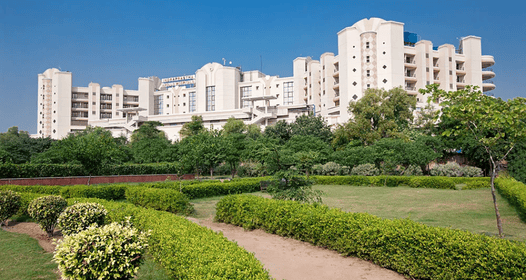
Indraprastha Apollo Hospital, New Delhi
Indraprastha Apollo Hospital, NH-19, New Delhi

Medanta-The Medicity Gurgaon
CH Baktawar Singh Rd, Medicity, Islampur Colony, Sector 38, Gurugram, Haryana 122001
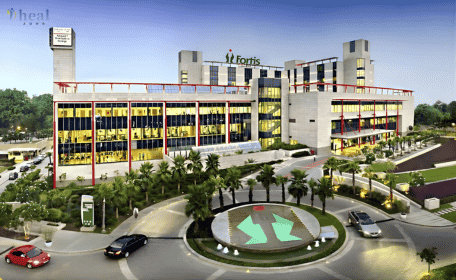
Fortis Memorial Research Institute (FMRI) Gurugram
Sector - 44, Opposite HUDA City Centre, Gurugram, Haryana 122002
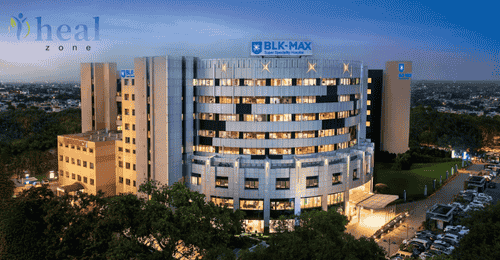
BLK-Max Super Speciality Hospital, New Delhi
Pusa Rd, Radha Soami Satsang, Rajinder Nagar, New Delhi, Delhi – 110005
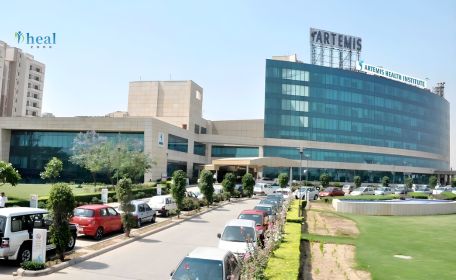
Diagnostic Evaluation in India
Early diagnosis is critical for survival and better outcomes.
1. Dihydrorhodamine (DHR) Test
Gold standard diagnostic test measuring oxidative burst activity.
2. Nitroblue Tetrazolium (NBT) Test
Older screening method.
3. Genetic Testing
Confirms mutation type and inheritance pattern.
4. Imaging Studies
CT scans, MRI, ultrasound to identify hidden abscesses.
India’s tertiary care hospitals are equipped with advanced immunology labs and genetic sequencing facilities for accurate diagnosis.
Treatment of Chronic Granulomatous Disease in India
Treatment strategy depends on severity, age, organ involvement, and genetic type.
1. Preventive Medical Therapy
Long-term preventive therapy significantly reduces infection frequency.
Antibiotic Prophylaxis
- Trimethoprim-sulfamethoxazole (TMP-SMX)
Antifungal Prophylaxis
- Itraconazole
- Voriconazole
Interferon-Gamma Therapy
Boosts immune response and reduces severe infections.
Preventive treatment must be continued lifelong unless transplant is performed.
2. Treatment of Acute Infections
When infection develops:
- Immediate hospitalization
- Broad-spectrum intravenous antibiotics
- IV antifungal therapy
- Surgical drainage of abscesses if required
Indian hospitals have advanced infection control units and pediatric intensive care facilities for high-risk cases.
3. Management of Inflammatory Complications
Granulomatous inflammation may require:
- Corticosteroids
- Immunomodulatory drugs
- Careful balancing of infection risk
Multidisciplinary care involving immunologists, gastroenterologists, and infectious disease specialists ensures safe management.
4. Hematopoietic Stem Cell Transplant (HSCT) – Definitive Cure
HSCT is currently the only curative treatment for CGD.
How HSCT Works:
- Defective immune system is replaced
- Healthy donor stem cells restore immune function
- NADPH oxidase function becomes normal
Types of Donors Available in India:
- Matched sibling donor
- Matched unrelated donor
- Haploidentical (half-matched) donor
- Umbilical cord blood
Why Early Transplant is Recommended:
- Prevents irreversible organ damage
- Improves survival rates
- Reduces long-term complications
Modern transplant protocols in India use reduced-toxicity conditioning regimens to minimize complications.
Success Rates of CGD Transplant in India
With advancements in:
- Donor matching
- Conditioning regimens
- Infection prevention
- Post-transplant monitoring
Survival rates have significantly improved and are comparable to international standards.
Outcome depends on:
- Age at transplant
- Donor match quality
- Pre-existing organ damage
- Infection control
Estimated Cost of Chronic Granulomatous Disease (CGD) Treatment in India (in USD)
India is known for providing world-class healthcare at comparatively lower costs than many Western countries, making it a preferred destination for complex immune disorder treatments like CGD.
1. Preventive & Supportive Care Costs
Before transplant, CGD patients often need lifelong preventive medications:
-
Antibiotic prophylaxis (e.g., TMP-SMX) — variable
-
Antifungal prophylaxis — variable
-
Interferon-gamma therapy — variable
-
Hospital visits & lab tests — regular outpatient expenses
These costs vary based on treatment duration, weight, and regimen but generally remain much more affordable than inpatient procedures.
2. Acute Infection Management
When serious infections occur:
-
Hospitalization + IV antibiotics/antifungals
-
Imaging studies
-
Abscess drainage or surgery (if needed)
These are billed as per hospital norms and length of stay — typically less costly than transplant-related care.
3. Hematopoietic Stem Cell Transplant (HSCT) – Curative Treatment
Bone marrow or stem cell transplant (the only curative option for most CGD cases) in India typically ranges:
Estimated HSCT Costs in India (USD)
-
Autologous transplant — ~$15,000 to $24,000*
-
Allogeneic (matched donor) transplant — ~$22,000 to $37,000*
-
Haploidentical (half-matched donor) — ~$30,000 to $40,000*
-
Unrelated donor transplant — Can be higher (~$40,000+) depending on donor source and complexity*
Typical overall transplant range: $18,000 – $48,000+ in India depending on treatment center, type of transplant, donor match, pre-existing infections, and post-transplant care requirements.
For comparison:
-
HSCT costs in the USA/Europe often exceed $100,000 – $200,000+ for similar procedures.
4. Post-Transplant & Long-Term Follow-Up
After HSCT, patients may need:
-
Immunosuppressants
-
Regular blood tests
-
Infection surveillance
-
Scheduled outpatient visits
These are billed separately and vary with frequency of follow-up care.
Factors Influencing the USD Cost
The final cost a patient may pay depends on:
- Type of transplant (allogeneic vs. autologous)
- Donor availability and match quality
- Hospital and city (metros like Delhi, Mumbai, Bengaluru tend to be higher)
- Pre-existing infections or organ damage
- Length of hospital stay
- Post-transplant complications such as GVHD
Advantages of Seeking CGD Treatment in India
- Internationally accredited hospitals
- Highly skilled pediatric transplant teams
- State-of-the-art infection control units
- Advanced genetic diagnostics
- Comprehensive pre- and post-transplant care
- Medical visa support
- Dedicated international patient services
India combines quality care with cost-effectiveness.
Long-Term Monitoring After Treatment
Even after transplant, regular monitoring is necessary:
- Immune function tests
- Infection surveillance
- Organ function assessment
- Vaccination planning
- Growth and developmental monitoring
Patients on preventive therapy require lifelong follow-up.
Emerging and Future Therapies
Research in CGD treatment includes:
- Gene therapy trials
- Targeted molecular therapy
- Improved conditioning regimens
- Better antifungal agents
- Personalized transplant protocols
Gene therapy is showing promising results in clinical research settings.
Genetic Counseling and Family Screening
Because CGD is inherited:
- Mothers of X-linked patients may be carriers
- Siblings should be screened
- Prenatal testing is available
- Preimplantation genetic diagnosis (PGD) is possible
Early family evaluation helps prevent future complications.
International Patients – Healzone Support
Healzone assists international patients with:
- Second opinion from top immunologists
- Hospital comparison
- Cost estimation
- Medical visa documentation
- Travel and accommodation coordination
- Post-treatment teleconsultation
From diagnosis to recovery, complete guidance is provided.
When to Consult a Specialist?
Seek expert evaluation if a child has:
- Recurrent pneumonia
- Multiple abscesses
- Severe fungal infections
- Family history of immune deficiency
- Persistent inflammation without clear cause
Early diagnosis can be life-saving.
Conclusion
Chronic Granulomatous Disease is a serious inherited immune disorder that requires specialized, long-term care. With modern preventive therapy and advanced bone marrow transplantation, children with CGD can achieve normal immune function and significantly improved quality of life.
India stands out as a global leader in affordable, high-quality CGD treatment, offering cutting-edge transplant programs, experienced specialists, and comprehensive international patient support.
Early diagnosis and timely intervention are key to successful outcomes.
Frequently Asked Questions
Chronic Granulomatous Disease (CGD) is a rare inherited immune disorder in which certain white blood cells (phagocytes) cannot effectively kill bacteria and fungi. This happens due to a defect in the NADPH oxidase enzyme system, which is necessary for generating reactive oxygen species used to destroy infections. As a result, patients develop recurrent severe infections and inflammatory complications.
Yes. CGD is caused by mutations in genes responsible for immune cell function. It can be inherited in two main patterns: X-linked (more common, primarily affecting boys) Autosomal recessive (affects both boys and girls) Because it is inherited, genetic counseling is strongly recommended for affected families.
Most patients are diagnosed in infancy or early childhood due to repeated infections. However, milder cases may be identified during adolescence or even adulthood.
Common symptoms include: Recurrent pneumonia Skin abscesses Liver abscesses Lymph node infections Bone infections Persistent fever Chronic diarrhea Poor weight gain Some children may also develop inflammatory bowel-like symptoms.
Granulomas form when the immune system attempts to isolate infections it cannot eliminate. These clusters of immune cells may cause blockages in organs like the intestines or urinary tract, leading to additional complications.
