

Contact us for CAR T-Cell Therapy Cost in India
CAR T-Cell Therapy Cost in India
USD 30,000 to 60,000
4-5 weeks
CAR T-Cell Therapy is a highly advanced and personalized cancer treatment. In India, this therapy costs much less than in Western countries, making it more accessible for many patients. The average cost in India is between USD 30,000 and 60,000, depending on the CAR T product, hospital facilities, case complexity, and length of hospital stay.
Indian-made CAR T-Cell therapies have lowered costs even more, making this important treatment available to more people. In India, treatment packages often cover evaluation, cell collection, lab processing, chemotherapy, infusion, hospital stay, ICU care, and follow-up after treatment.
CAR T-Cell Therapy Cost Comparison: India vs Other Countries
There is a large difference in CAR T-Cell Therapy costs between India and other countries.
|
India |
$45,000 – $85,000 |
|
United States |
$375,000 – $500,000+ |
|
United Kingdom |
$350,000 – $450,000 |
|
Germany / Europe |
$300,000 – $450,000 |
|
Japan |
$250,000 – $300,000 |
|
Singapore |
$250,000 – $350,000 |
|
UAE |
$220,000 – $300,000 |
|
China |
$55,000 – $250,000 |
|
Turkey |
$100,000 – $200,000 |
Patients choosing India can save up to 70–85% on total treatment costs, even after accounting for travel and accommodation.
What is CAR T-Cell Therapy?
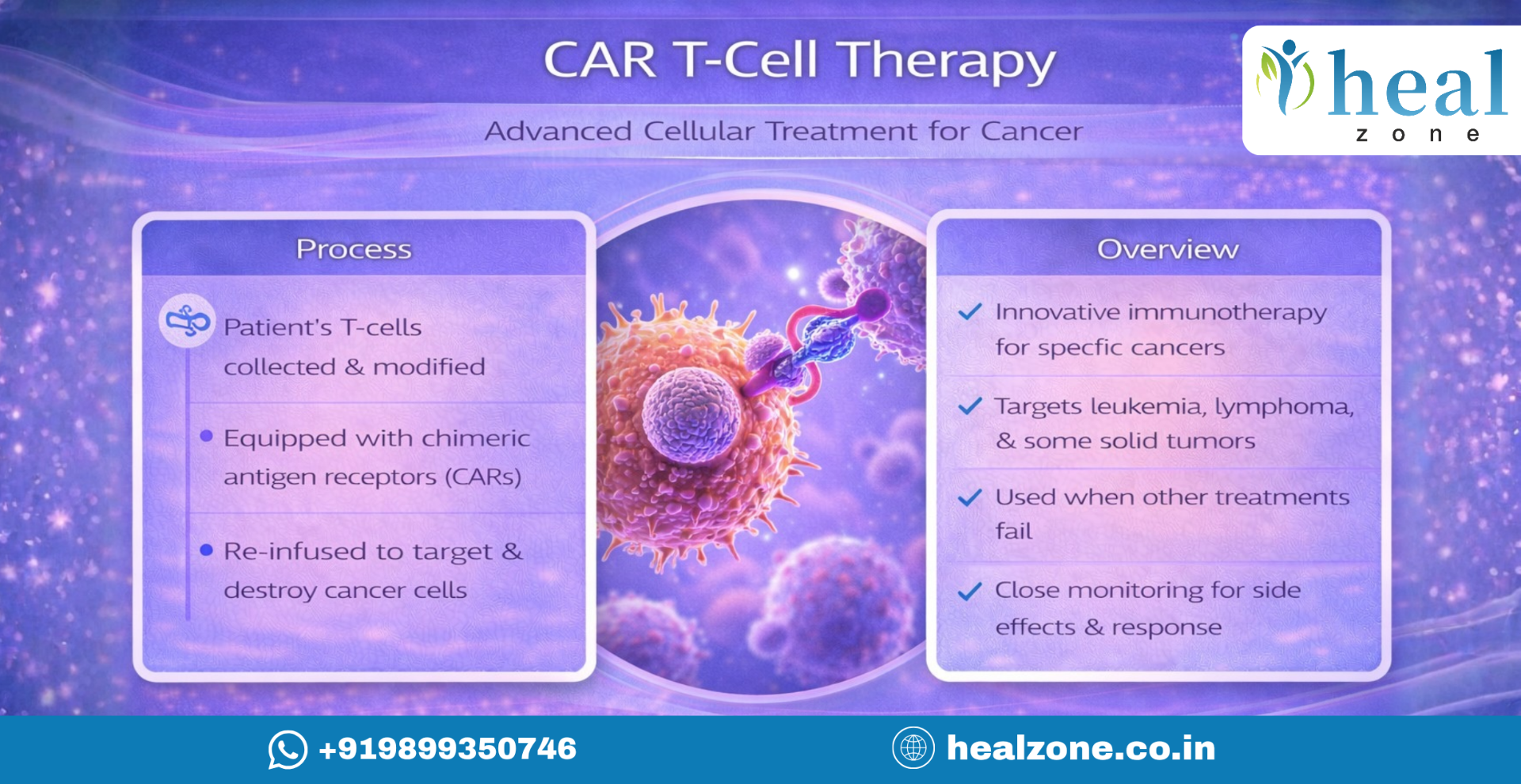
CAR T-Cell Therapy, or Chimeric Antigen Receptor T-Cell Therapy, is a new type of immunotherapy that uses a patient’s own immune cells to fight cancer. In this treatment, T-cells are changed in a lab so they can better find and destroy cancer cells.
Unlike chemotherapy or radiation, CAR T-Cell Therapy is very targeted and personalized. It gives hope to patients whose blood cancers have come back or not responded to other treatments.
Types of CAR T-Cell Therapies Available in India
India now has more CAR T-Cell Therapy options for eligible cancer patients. Most are made to treat blood cancers by using the patient’s own immune cells, which are changed to target certain cancer markers. Some therapies are fully approved, while others are available through clinical trials or research programs.
Types of CAR T-Cell Therapies offered in India include:
- Autologous CAR T-Cell Therapy
This is the most common type. The patient’s own T-cells are collected, changed, and then put back into the body to fight cancer. - Indigenous CAR T-Cell Products
India has created its own CAR T therapies, like NexCAR19, which cost less but still meet safety and effectiveness standards. - Clinical Trial and Research-Based CAR T Therapies
Some advanced or experimental CAR T treatments are available through research studies, giving patients access to new types of therapy. - BCMA-Targeted CAR T Therapy
These therapies are mainly used for advanced multiple myeloma and target the BCMA antigen found on cancer cells.
CAR T-Cell Therapy in India is growing, with new products and research programs making treatment more available. Skilled medical teams and advanced labs help patients in India get world-class CAR T-Cell options tailored to their cancer needs.
Who is the Right Candidate for CAR T-Cell Therapy?
CAR T-Cell Therapy is not right for every cancer patient. It is usually suggested for people with certain blood cancers who have not responded to standard treatments. An experienced oncology team must carefully check if a patient is eligible and safe for this therapy.
Patients who may be suitable candidates include:
- Those with relapsed or refractory blood cancers such as ALL, DLBCL, or other B-cell lymphomas
- Patients who have failed previous therapies like chemotherapy, targeted therapy, or stem cell transplant
- Individuals with adequate heart, lung, liver, and kidney function
- Patients with controlled infections and stable overall health
- Those who can tolerate close monitoring and possible ICU care after infusion
- Patients who meet disease-specific and laboratory criteria based on medical tests
Doctors decide eligibility after a full medical check, blood tests, scans, and team discussions. For the right patients, CAR T-Cell Therapy can give strong disease control and lasting benefits.
Conditions Treated with CAR T-Cell Therapy
CAR T-Cell Therapy is mainly used for certain aggressive blood cancers, especially when the disease has come back or not responded to treatments like chemotherapy or targeted therapy. Ongoing research is looking at using it for more conditions.
Currently, CAR T-Cell Therapy is used to treat:
- Acute Lymphoblastic Leukemia (ALL), especially in children and young adults with relapsed or refractory disease
- Diffuse Large B-Cell Lymphoma (DLBCL) that does not respond to conventional treatments
- Other B-cell lymphomas, including follicular lymphoma and mantle cell lymphoma in selected cases
- Multiple Myeloma, particularly advanced or treatment-resistant cases using BCMA-targeted CAR T therapies
CAR T-Cell Therapy has led to high remission rates in many of these cancers, offering hope to patients with few options. As research continues, more cancers may be treated with this therapy, making it an important part of modern cancer care.
Top Hospitals for
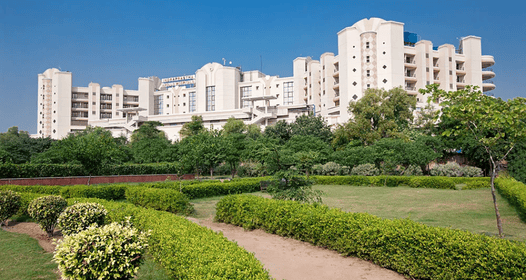
Indraprastha Apollo Hospital, New Delhi
Indraprastha Apollo Hospital, NH-19, New Delhi

Medanta-The Medicity Gurgaon
CH Baktawar Singh Rd, Medicity, Islampur Colony, Sector 38, Gurugram, Haryana 122001
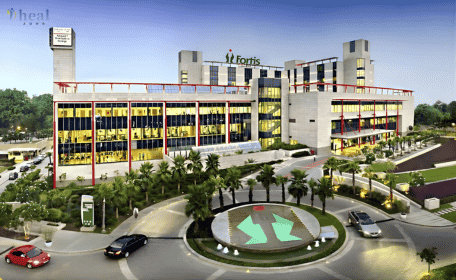
Fortis Memorial Research Institute (FMRI) Gurugram
Sector - 44, Opposite HUDA City Centre, Gurugram, Haryana 122002
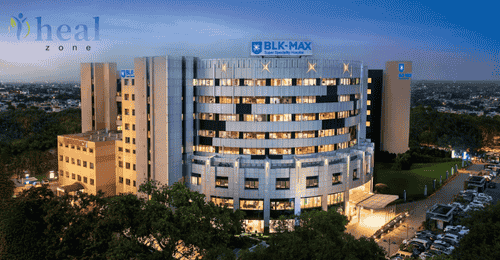
BLK-Max Super Speciality Hospital, New Delhi
Pusa Rd, Radha Soami Satsang, Rajinder Nagar, New Delhi, Delhi – 110005
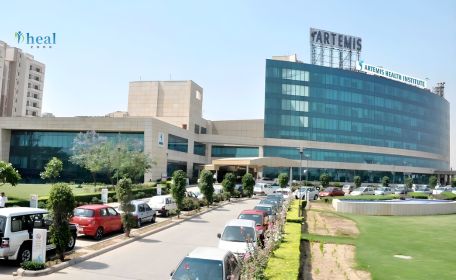
CAR T-Cell Therapy for Leukemia
CAR T-Cell Therapy has been very successful in treating relapsed or hard-to-treat Acute Lymphoblastic Leukemia, especially in children and young adults. Many patients reach long-term remission after just one infusion.
Indian-Made vs Imported CAR T-Cell Therapies
Indian-made CAR T therapies cost much less but still meet safety and effectiveness standards. Imported therapies work well but are more expensive because of manufacturing and licensing costs.
CAR T-Cell Therapy vs Bone Marrow Transplant
Both CAR T-Cell Therapy and Bone Marrow Transplant treat some blood cancers, but they differ in how they are given and how patients recover.
CAR T-Cell Therapy uses the patient’s own immune cells, does not need a donor, and is usually less invasive with a quicker recovery. It also avoids the risk of graft-versus-host disease that can happen with donor transplants.
Bone Marrow Transplant often needs a matched donor, involves strong chemotherapy, and usually means a longer hospital stay and recovery. It can also have higher risks of infection and immune problems.
Choosing between these treatments depends on the type of cancer, past treatments, and the patient’s overall health. This decision should always be made with advice from medical experts.
Benefits of CAR T-Cell Therapy
CAR T-Cell Therapy has changed cancer treatment for people with aggressive or hard-to-treat blood cancers. It uses the patient’s own immune cells to target cancer, offering a personalized approach with the chance for long-lasting results.
Key benefits of CAR T-Cell Therapy include:
- Highly targeted treatment that attacks cancer cells while sparing most healthy cells
- Personalized therapy made from the patient’s own immune cells
- Effective for relapsed or refractory cancers where other treatments have failed
- High remission rates in selected blood cancers
- Often a single-treatment approach, unlike repeated chemotherapy cycles
- Reduces long-term dependence on chemotherapy or radiation
- Offers the possibility of durable and long-term remission
- Improves survival and quality of life for many patients
For patients with few treatment options, CAR T-Cell Therapy offers new hope and real results. With good medical care and follow-up, many patients regain strength, return to daily life, and look forward to a healthier future.
Risks and Side Effects of CAR T-Cell Therapy
CAR T-Cell Therapy is a very advanced treatment, but it can cause side effects because it activates the immune system. Most side effects happen soon after the infusion and can be managed if found early by experienced doctors. Common risks and side effects include:
- Cytokine Release Syndrome (CRS), causing fever, low blood pressure, or breathing difficulty
- Neurological symptoms, such as headache, confusion, speech difficulty, or drowsiness
- Increased chance of infections due to temporary immune system suppression
- Low blood cell counts, which can cause tiredness or a higher risk of bleeding
- Fever, chills, and body weakness in the initial days after treatment
- Nausea or loss of appetite
- Rare risk of organ-related complications affecting the heart, lungs, or kidneys
Most side effects are temporary and can be treated with quick medical care and close monitoring. With skilled doctors, good ICU support, and regular follow-up, CAR T-Cell Therapy can be given safely so patients can benefit from its strong cancer-fighting effects.
Limitations of CAR T-Cell Therapy
CAR T-Cell Therapy is a strong and new cancer treatment, but it is not right for every patient or every cancer type. Understanding its limits helps patients and families make informed decisions with their doctors.
Some important limitations include:
- High treatment cost, despite being lower in India than many other countries
- Limited availability, as only specialized centers can offer this therapy
- Not effective for all cancer types, currently mainly used for certain blood cancers
- Risk of serious side effects, requiring close monitoring and expert care
- Complex and time-consuming manufacturing process
- Not all patients meet eligibility criteria due to health or disease factors
- Possibility of disease relapse in some patients
Despite these limits, CAR T-Cell Therapy is still a life-changing choice for many patients with few other options. Careful patient selection, skilled medical teams, and good follow-up help get the best results.
CAR T-Cell Therapy Treatment Process: Step-by-Step
CAR T-Cell Therapy is a step-by-step treatment. Doctors collect the patient’s own immune cells, change them in a special lab, and then put them back to fight cancer. Each step is closely watched to make sure it is safe and works well.
The CAR T-Cell Therapy process commonly includes the following steps:
- Initial Evaluation and Eligibility Assessment
Doctors review the patient’s medical history, cancer type, previous treatments, and overall health to confirm eligibility for CAR T-Cell Therapy. - Leukapheresis (T-Cell Collection)
T-cells are collected from the patient’s blood using a special procedure that separates immune cells while returning the rest of the blood to the body. - Cell Engineering and Manufacturing
The collected T-cells go to a special lab, where they are changed to recognize cancer cells and then multiplied. This process usually takes a few weeks. - Conditioning Chemotherapy
Before the cells are put back, the patient gets a short round of chemotherapy to prepare the body and help the CAR T-cells work better. - CAR T-Cell Infusion
The changed CAR T-cells are put back into the patient’s blood through a vein. This step usually takes less than an hour. - Hospital Monitoring and Early Care
After the infusion, doctors watch the patient closely in the hospital for early side effects like fever or nerve problems. - Discharge and Follow-Up Care
Once the patient is stable, they go home with a clear follow-up plan that includes regular check-ups, blood tests, and ongoing monitoring.
Even though the process is complex, each step is made to keep patients safe and help the treatment work well. With expert care and good follow-up, CAR T-Cell Therapy offers a strong and personalized way to treat some cancers.
Success Rate and Therapy Results
CAR T-Cell Therapy has been very successful, especially for patients with blood cancers that have come back or not responded to other treatments. Results depend on the cancer type, stage, and patient health, but have been very encouraging.
Key treatment outcomes include:
- High response rates, with many patients attaining complete remission
- Complete remission rates of 60–90 percent in select blood cancers such as ALL and DLBCL
- Rapid reduction or elimination of cancer cells after a single infusion
- Durable responses in many patients, lasting months to years
- Improved survival in patients with limited prior treatment options
- Better disease control compared with conventional therapies
Not every patient responds the same way, but CAR T-Cell Therapy has changed outcomes for many people who had few choices. With expert care, quick side effect management, and regular follow-up, patients can reach remission and better long-term results, giving new hope for recovery and longer life.
Healing Timeline After CAR T-Cell Therapy
Recovery after CAR T-Cell Therapy is gradual and different for each person. The treatment is given quickly, but the body needs weeks or months to fully recover as the immune system gets stronger. Knowing the recovery timeline helps patients and families get ready for the process.
General recovery phases include:
- First 2–3 weeks: Close hospital monitoring for side effects such as fever, fatigue, or neurological symptoms
- Weeks 4–6: Gradual improvement in energy levels and reduction of early side effects
- 1–3 months: Immune system begins to stabilize; most patients resume light daily activities
- 3–6 months: Continued physical recovery with regular follow-up and monitoring
- Beyond 6 months: Long-term recovery phase with focus on maintaining health and avoiding relapse
During recovery, some patients may feel tired, weak, or have mild memory or thinking changes, but these usually get better over time. With good medical care, regular follow-up, and healthy habits, most patients recover well and enjoy a good quality of life after CAR T-Cell Therapy.
Long-Term Follow-Up and Quality of Life
Long-term follow-up is a key part of care after CAR T-Cell Therapy. Even after successful treatment, regular check-ups help doctors watch recovery, manage late side effects, and make sure the cancer stays under control. Good follow-up helps keep patients healthy and gives peace of mind.
Key aspects of long-term follow-up include:
- Regular blood tests and clinical evaluations
- Monitoring of immune system recovery
- Periodic checks for disease remission or relapse
- Management of long-term or delayed side effects
- Ongoing guidance on medications and vaccinations
- Psychological and emotional aid when needed
With successful CAR T-Cell Therapy and consistent follow-up care, many patients experience a significant improvement in quality of life. Energy levels slowly return, daily activities become easier, and patients are often able to resume work, family life, and social routines. By keeping in touch with their medical team and following recommended care plans, patients can enjoy sustained well-being and a better overall quality of life.
Factors Affecting CAR T-Cell Therapy Cost in India
The cost of CAR T-Cell Therapy in India varies for each patient because the treatment is very personalized and complex. While India offers this therapy at a lower cost than many countries, the final price depends on medical, technical, and hospital factors.
Key factors that influence the total cost include:
- Type of CAR T-Cell Therapy Used
Indian-made CAR T-cell products usually cost less, while imported or trial-based therapies can make the total cost higher. - Hospital Infrastructure and Facilities
Hospitals with advanced cancer units, certified labs, and special ICUs may charge more. - Severity and Complexity of the Disease
Patients with advanced cancer or complications may need extra care, more monitoring, or a longer hospital stay. - Length of Hospital and ICU Stay
A longer hospital stay or need for intensive care will increase treatment costs. - Management of Side Effects and Complications
Treating problems like Cytokine Release Syndrome or infections can add to the total cost. - Pre-treatment Tests and Evaluations
Tests, scans, and checks of organ function also add to the total cost. - Post-treatment Monitoring and Follow-up Care
Follow-up visits, blood tests, and medicines after leaving the hospital also affect the total cost.
In spite of these factors, India remains one of the most cost-effective destinations for CAR T-Cell Therapy, offering advanced treatment, expert care, and open pricing that makes this life-saving therapy accessible to more patients.
Lifestyle Guidelines After CAR T-Cell Therapy
After CAR T-Cell Therapy, the body needs time to recover and rebuild the immune system. Following proper lifestyle guidelines is very important to reduce infection risk, support healing, and improve long-term treatment outcomes. These guidelines help patients regain strength and return to daily life safely.
Important lifestyle guidelines to follow after CAR T-Cell Therapy:
- Protect yourself from infections by maintaining good hygiene and avoiding crowded places
- Follow the vaccination schedule advised by your doctor
- Maintain a balanced and nutritious diet to support immunity and recovery
- Drink adequate fluids unless restricted by your doctor
- Get enough rest and quality sleep to help the body heal
- Avoid smoking and limit alcohol consumption
- Resume light physical activity gradually, as recommended
- Take all prescribed medications regularly
- Monitor your health and report any new symptoms immediately
- Attend all follow-up appointments and blood tests
By following these lifestyle tips and keeping in touch with their medical team, patients can recover better, build stronger immunity, and enjoy a better quality of life after CAR T-Cell Therapy.
How HealZone Helps CAR T-Cell Therapy Patients
HealZone supports patients and families through every step of CAR T-Cell Therapy. From the first consultation to follow-up after treatment, HealZone makes sure each step is well organized, clear, and focused on the patient, helping reduce stress during a tough time.
Main areas where HealZone provides support:
- Helps patients connect with experienced oncologists and CAR T-Cell therapy specialists
- Assists in selecting the right hospital and treatment center based on medical needs and budget
- Provides clear and transparent cost estimates with no hidden charges
- Coordinates medical assessments, tests, and treatment scheduling
- Supports travel, accommodation, and local arrangements for outstation and international patients
- Supplies personalized patient care coordination throughout the treatment process
- Ensures guidance for post-treatment follow-up and long-term care planning
With expert guidance, organized care, and caring support, HealZone helps patients focus on getting better and makes the CAR T-Cell Therapy process easier and clearer for patients and their families.
Why Choose India for CAR T-Cell Therapy?
India is now a trusted place for advanced cancer care, offering CAR T-Cell Therapy with a good mix of quality, affordability, and expert care.
Key reasons to choose India include:
- Significantly lower treatment cost compared to Western countries
- Availability of indigenously developed CAR T-cell therapies
- Highly experienced oncologists and hematologists
- Advanced hospitals and specialized cancer centers
- Short waiting time for treatment initiation
- High safety standards and success rates
- Comprehensive treatment packages with cost transparency
- Strong support services for international patients
With advanced medical technology and a strong focus on patient care, India gives patients a safe, effective, and affordable choice for CAR T-cell therapy.
Frequently Asked Questions
CAR T-Cell Therapy is an advanced cancer treatment that uses a patient’s own immune cells to identify and destroy cancer cells.
It is mainly used for certain blood cancers, such as Acute Lymphoblastic Leukemia (ALL), Diffuse Large B-Cell Lymphoma (DLBCL), other B-cell lymphomas, and selected cases of Multiple Myeloma.
Not always. CAR T-Cell Therapy is usually recommended when standard treatments like chemotherapy or targeted therapy have failed or the cancer has returned.
The complete process, including cell collection, laboratory modification, infusion, and monitoring, usually takes 4 to 6 weeks.
In many cases, yes. Most patients receive a single CAR T-cell infusion, though some may need additional treatment depending on response.
Common side effects include fever, fatigue, low blood counts, infections, and immune-related reactions like Cytokine Release Syndrome. Most are manageable with expert care.
Yes, when performed at experienced centers with proper monitoring. Patients are closely observed, especially during the first few weeks after infusion.
Patients with relapsed or refractory blood cancers, good organ function, and ability to tolerate close monitoring may be eligible. Final eligibility is decided by specialists.
Success rates are high in selected patients, with 60–90% remission rates reported in certain blood cancers.
Yes. Most patients stay in the hospital for 10–14 days for monitoring after infusion.
Long-term follow-up is important to monitor immune recovery, detect relapse early, and manage delayed side effects.
While not guaranteed for everyone, CAR T-Cell Therapy has led to long-term remission and potential cure in many patients with otherwise difficult-to-treat cancers.
Yes. India offers CAR T-Cell Therapy at specialized cancer centers, including indigenously developed therapies at much lower cost than Western countries.
The infusion itself is not painful. Some discomfort may occur from side effects, which are treated promptly.
Yes. CAR T-Cell Therapy is widely used in children, especially for relapsed ALL, with excellent outcomes.
