

Contact us for Arterial Switch Surgery Cost in India
Arterial Switch Surgery Cost in India
$6,500 – $8,000
98 %
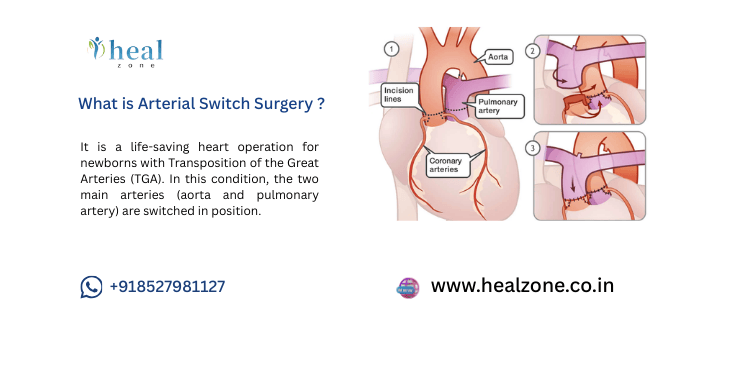
The Arterial Switch Operation (ASO) is a specialized heart surgery that saves the lives of newborns with Transposition of the Great Arteries (TGA). Arterial Switch Surgery Cost in India is lowest (USD 6,500) and about a fraction of the cost in any other country. India is now a top choice for this surgery because of its advanced hospitals, skilled doctors, and affordable care. The price depends on the hospital, the baby's health, the length of ICU stay, and aftercare needs. In Western countries, the same surgery can cost between USD 80,000 and USD 200,000, so India provides excellent results at a much lower price.
This surgery needs a special neonatal ICU (NICU), advanced heart-lung machines, and a skilled team of pediatric heart doctors. India is strong in all these areas and has excellent success rates of 92% to 98% for straightforward TGA cases.
Top Doctors for Arterial Switch Surgery in India

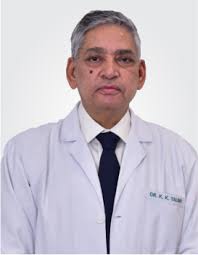
Dr. Kewal Kishan Talwar
MBBS, MD, DM, FAMS, FRCP
Cardiologist
45 Years of Experience
Pushpawati Singhania Research Institute (PSRI), Hospital, New Delhi
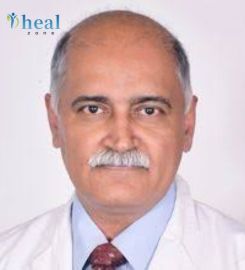
Dr. Kulbhushan Singh Dagar
MBBS, MS, MCh, Fellowship, Certificates/Trainings
Pediatric Cardiac Surgeon, Pediatric Cardiologist
35 Years of Experience
Cost Comparison for Arterial Switch Surgery: India vs Other Countries
Arterial Switch Surgery (ASO) is one of the most complex heart surgeries for newborns, and its cost can be very different depending on the country. Here is a general comparison of average ASO treatment costs:
|
India |
$6,500 – $8,000 |
|
USA |
$80,000 – $150,000+ |
|
UK |
$50,000 – $90,000 |
|
Singapore |
$45,000 – $55,000 |
|
UAE |
$25,000 – $35,000 |
|
Malaysia |
$10,000 – $15,000 |
Even though India offers the lowest cost globally, the quality of neonatal cardiac care remains world-class. Lower operational expenses, highly experienced pediatric heart surgeons, dedicated children’s cardiac hospitals, and government-regulated healthcare pricing help keep treatment costs significantly lower than Western and Middle Eastern nations. This makes India one of the most financially accessible yet medically reliable destinations for ASO.
Top Hospitals for Arterial Switch Surgery in India

Indraprastha Apollo Hospital, New Delhi
Indraprastha Apollo Hospital, NH-19, New Delhi

Medanta-The Medicity Gurgaon
CH Baktawar Singh Rd, Medicity, Islampur Colony, Sector 38, Gurugram, Haryana 122001

Max Super Speciality Hospital, Saket
Press Enclave Marg, Saket, New Delhi, Delhi 110017
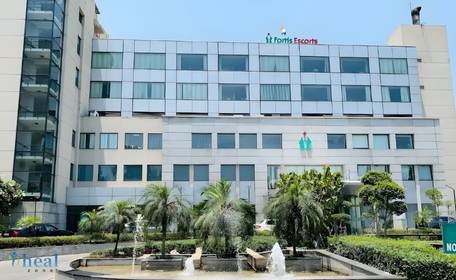
Fortis Escorts Heart Institute, New Delhi
Metro Station, Okhla Rd, opposite Sukhdev Vihar, New Friends Colony, New Delhi, Delhi 110049
Factors Affecting the Cost of Arterial Switch Operation in India
Several elements influence the final expense of ASO in India:
- Hospital Category
- Premium private hospitals cost more than charitable or trust-run institutions.
- Surgeon Expertise
Highly skilled pediatric cardiac surgeons increase the cost but significantly improve outcomes. - Newborn Condition at Admission
- Stable newborns cost less.
- If a baby is very sick and needs a ventilator, ECMO, or extra medicines, the cost will be higher.
- Length of ICU Stay
The cost of staying in the NICU or PICU has a big impact on the total bill. - Investigations & Imaging
Includes echocardiography, cardiac CT/MRI, blood tests, and postoperative monitoring. - Medications & Consumables
- Inotropes, antibiotics, blood products.
- Using high-quality surgical supplies can also affect the cost.
- Complications
Extra procedures or longer use of a ventilator can make the treatment more expensive. - City of Treatment
Metropolitan cities like Delhi, Mumbai, and Bangalore may cost slightly more.
Cost Breakdown for Arterial Switch Surgery: Hospital, Surgeon, ICU, Investigations, etc.
A typical cost distribution for Arterial Switch Operation (ASO) in India is as follows:
1. Hospital Charges (30%–40%)
- Operation theatre charges
- NICU/PICU stay
- Room charges for parents
- Ventilator support
2. Surgeon & Team Fees (15%–20%)
- Pediatric cardiac surgeon
- Cardiac anesthetist
- Perfusionist
- Surgical assistants
3. ICU & NICU Care (20%–25%)
- Monitoring devices
- Continuous nursing care
- Ventilator support
- Feeding support
4. Investigations (10%–15%)
- Echocardiography (pre & postoperative)
- X-ray and ultrasound
- Cardiac CT/MRI (if required)
- Blood tests
5. Medications & Consumables (10%–20%)
- Inotropes & sedation
- Antibiotics & pain control
- Blood products
- High-quality surgical supplies
6. Additional Possible Costs
- ECMO support (if needed)
- Management of complications
- Extended ICU stay
Arterial Switch Operation (ASO)
ASO is the standard, preferred, and most physiological surgical treatment for newborns with TGA. It corrects the reversed connections of the aorta and pulmonary artery, restoring normal circulation.
What Is Arterial Switch Surgery?
Arterial Switch Surgery is a heart operation where doctors move the aorta and pulmonary artery back to their correct places and reattach the coronary arteries to the new aorta. This helps the body get enough oxygen and keeps blood flowing properly.
Doctors usually do this surgery within the first 7 to 21 days after birth, when the baby's blood vessels are best prepared for the procedure.
Anatomy and Physiology: Understanding TGA (Transposition of the Great Arteries)
In TGA:
- The aorta arises from the right ventricle, sending deoxygenated blood to the body.
- The pulmonary artery arises from the left ventricle, sending oxygenated blood back to the lungs.
This creates parallel circulation instead of a normal series circuit, which is incompatible with life unless mixing occurs through:
- ASD (Atrial Septal Defect)
- VSD (Ventricular Septal Defect)
- PDA (Patent Ductus Arteriosus)
If the problem is not fixed early, the baby's body will not get enough oxygen.
Why Is Arterial Switch Surgery Needed?
ASO is required for:
- d-TGA (with or without VSD)
- TGA with intact septum (most common)
- TGA with coronary anomalies
- TGA requiring physiologic correction for long-term survival
The surgery prevents:
- heart failure
- severe hypoxia
- metabolic acidosis
- brain injury
- death
Who Is a Candidate for Arterial Switch Operation (ASO)?
Eligibility factors:
- Full-term or near-term newborns
- Stable or stabilizable with medications
- Birth weight preferably >2.5 kg
- Diagnosed early
- Adequate coronary artery anatomy to permit safe reimplantation
Optimal Timing:
- First 1–2 weeks of life is ideal
- Emergency stabilization may be required before surgery
Preoperative Evaluation for Arterial Switch Surgery
Before ASO, the following assessments are performed:
- Echocardiography (detailed anatomy)
- Oxygen saturation monitoring
- Prostaglandin E1 to maintain PDA (if needed)
- Balloon atrial septostomy for better mixing
- Blood tests for infection, organ function
- Cardiac CT/MRI in complex cases
- Hemodynamic stabilization
Step-by-Step Arterial Switch Operation Procedure
The ASO consists of:
- Anesthesia & Preparation
Newborn is intubated, ventilated, and placed on CPB (cardiopulmonary bypass). - Sternotomy
Midline chest opening. - Aorta and Pulmonary Artery Transection
Vessels are separated from their abnormal positions. - Switching of Great Arteries
Pulmonary artery is connected to the right ventricle’s outflow.
Aorta is connected to the left ventricle’s outflow. - Coronary Artery Transfer
Coronaries are reimplanted into the neo aorta. - Reconstruction of Pulmonary Arteries (Lecompte Maneuver)
Pulmonary arteries are moved anterior to the aorta. - Weaning from Bypass
Heart resumes normal function. - Chest Closure
After confirming stability.
The entire surgery takes 4–6 hours.
Role of Coronary Artery Transfer During Arterial Switch Operation (ASO)
The coronary artery transfer is the most delicate step. It ensures that the new aorta receives proper blood supply.
Complex coronary patterns may increase surgical risk but are handled expertly in India by high-volume congenital heart centers.
Risks and Complications of Arterial Switch Surgery
While ASO is highly successful, possible complications include:
- Coronary artery insufficiency
- Bleeding or infection
- Arrhythmias
- Ventricular dysfunction
- Narrowing (stenosis) of pulmonary arteries
- Need for re-intervention
Top hospitals in India are ready to handle these problems if they happen.
Recovery After Arterial Switch Operation
Typical recovery timeline:
- NICU stay: 5–10 days
- Ventilator support: 1–3 days
- Feeding initiation: within days post-surgery
- Full recovery: 4–6 weeks
Once the baby is stable, parents are encouraged to help with feeding, bonding, and skin-to-skin care.
Postoperative Care and Follow-Up After Arterial Switch Operation (ASO)
Follow-up includes:
- Regular echocardiography (monthly ? yearly)
- Monitoring growth and development
- Cardiac medications (if prescribed)
- Vaccinations and infection prevention
- Neurodevelopmental follow-up
Long-Term Outcomes After Arterial Switch Surgery
With modern techniques, ASO offers excellent long-term prognosis:
- Normal heart function expected in most children
- Normal exercise capacity
- Minimal medications
- Near-normal life expectancy
Potential Long-Term Complications and Lifelong Monitoring
Some children may experience:
- Coronary artery narrowing
- Aortic root dilation
- Pulmonary artery stenosis
- Arrhythmias
- Rare need for reoperation
Children should keep seeing a pediatric heart doctor for regular check-ups throughout their lives.
Comparison: Arterial Switch vs Atrial Switch (Mustard/Senning)
|
Circulation |
Restores normal circulation |
Redirects blood flow physiologically |
|
Long-term outcomes |
Excellent |
Higher risk of arrhythmias and RV failure |
|
Current status |
Gold standard |
Rarely performed today |
ASO is the preferred modern treatment for TGA.
Success Rates of Arterial Switch Surgery in Newborns
India reports:
- 92%–98% success rate in uncomplicated TGA
- Slightly lower success rates in complex TGA
Hospitals that do many of these surgeries regularly achieve great results.
How to Prepare Your Baby for Arterial Switch Surgery?
Parents should:
- Ensure timely diagnosis
- Keep baby warm and infection-free
- Follow feeding instructions
- Maintain oxygen therapy if advised
- Prepare documents for medical travel
- Try to stay positive and keep yourself informed.
Life After Arterial Switch Operation: Growth & Development
Most children:
- Achieve normal growth milestones
- Have no restrictions in daily activities
- Attend school normally
- Enjoy sports and physical activity
When to Seek Emergency Care After Arterial Switch Operation (ASO)?
Seek immediate help if:
- Baby turns blue or pale
- Breathing difficulty
- Poor feeding or vomiting
- Irritability or lethargy
- Fever or infection signs
Myths and Facts About Arterial Switch Surgery
Myth: Surgery is extremely risky.
Fact: Success rates are very high in experienced centers.
Myth: Baby will need multiple surgeries.
Fact: Most children require only one lifetime surgery.
Myth: Children cannot live a normal life.
Fact: Majority live normal, healthy lives.
Alternative Treatments for TGA (If Arterial Switch Operation (ASO) Is Not Suitable)
Alternatives include:
- Atrial Switch Procedures (rarely used now)
- Rastelli Procedure for TGA with VSD + LVOTO
- Cardiac catheter procedures for temporary mixing
Stay Duration in India for Arterial Switch Operation (ASO)
International patients typically stay:
- Before surgery: 2–3 days for evaluation
- Hospital stay: 10–15 days
- Post-discharge stay: 2–3 weeks for follow-up
Total stay: 4–6 weeks
Why Choose India for Arterial Switch Operation (ASO)?
- World-renowned pediatric cardiac surgeons
- High success rates
- Affordable costs compared to Western countries
- Advanced NICU & PICU facilities
- International patient support
- Cutting-edge technology and surgical expertise
How Healzone Helps International Patients Undergoing Arterial Switch Operation (ASO)?
Healzone provides complete support including:
- Hospital & surgeon selection
- Transparent cost estimates
- Visa assistance & medical invitation letters
- Airport pickup & translation support
- 24/7 care coordination
- Follow-up assistance after returning home
Healzone helps make the treatment process smooth and less stressful for families.
Frequently Asked Questions
It is a heart surgery performed to correct Transposition of the Great Arteries (TGA) by switching the aorta and pulmonary artery back to their normal positions.
Newborns with TGA, where the major arteries are reversed, causing poor oxygen supply to the body.
Most babies undergo surgery within the first 1–2 weeks after birth.
Typically 6–8 hours, depending on the baby’s condition.
Most babies stay around 2–3 weeks for recovery and monitoring.
Most children grow up healthy, active, and able to participate in school and sports.
Yes, but the medical team evaluates each baby individually to ensure safety.
