

Contact Us for Best Pediatric Liver Transplant Hospitals in India
Best Pediatric Liver Transplant Hospitals in India
India’s top paediatric transplant centres offer dedicated paediatric liver units that combine surgical excellence with child-friendly infrastructure, neonatal intensive care, paediatric anaesthesia and long-term developmental support. The best hospitals in India for Pediatric Liver Transplant maintain NABH-aligned quality systems, experienced transplant ICUs, living-donor and deceased-donor programmes, and internationally competent paediatric intensive care teams. These centres provide multidisciplinary clinics (hepatology, nutrition, infectious disease, psychology), 3D imaging for graft planning, and international-patient services—making them trusted choices for families seeking safe, timely and affordable transplant care.
Below is the list of the Best Pediatric Liver Transplant Hospitals in India commonly selected by international parents.

Indraprastha Apollo Hospital, New Delhi
 Indraprastha Apollo Hospital, NH-19, New Delhi
26
Specialities
710
Beds Facility
138
ICU Beds
1996
Established in

Medanta-The Medicity Gurgaon
CH Baktawar Singh Rd, Medicity, Islampur Colony, Sector 38, Gurugram, Haryana 122001
27
Specialities
1391+
Beds Facility
271+
ICU Beds
2009
Established in
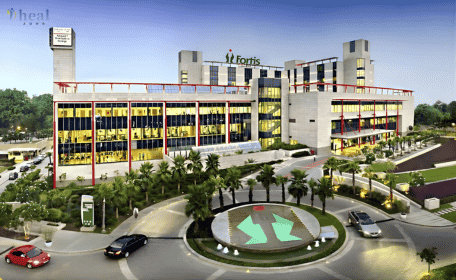
Fortis Memorial Research Institute (FMRI) Gurugram
Sector - 44, Opposite HUDA City Centre, Gurugram, Haryana 122002
26
Specialities
330+
Beds Facility
99+
ICU Beds
2001
Established in
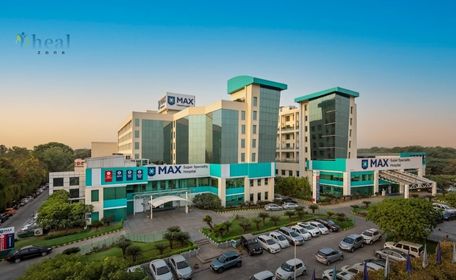
Max Super Speciality Hospital, Saket
Press Enclave Marg, Saket, New Delhi, Delhi 110017
26
Specialities
500
Beds Facility
267
ICU Beds
0
Established in

BLK-Max Super Speciality Hospital, New Delhi
Pusa Rd, Radha Soami Satsang, Rajinder Nagar, New Delhi, Delhi – 110005
26
Specialities
650+
Beds Facility
162+
ICU Beds
1959
Established in
Contact Us for Best Pediatric Liver Transplant Hospitals in India
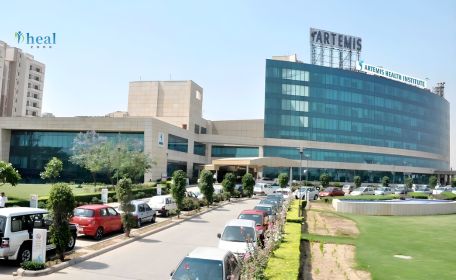
Artemis Hospital, Gurgaon
Sector 51, Gurugram, Bindapur, Haryana – 122001
26
Specialities
750
Beds Facility
185
ICU Beds
2007
Established in

Gleneagles Global Health City, Chennai
439, Cheran Nagar, Sholinganallur, Perumbakkam, Chennai, Tamil Nadu 600100
26
Specialities
2100
Beds Facility
0
ICU Beds
0
Established in
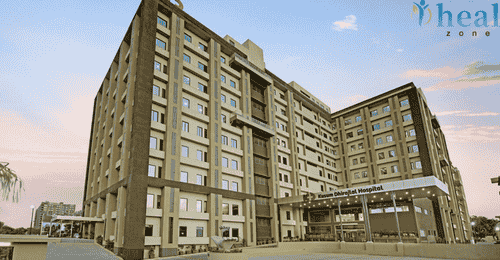
KD Hospital, Ahmedabad
Vaishnodevi Circle, Ahmedabad, Gujarat
26
Specialities
300
Beds Facility
0
ICU Beds
0
Established in

Metro Heart Institute with Multispeciality, Faridabad
Metro Heart Institute Sector 16 A, Faridabad (NCR) – 121002
26
Specialities
400
Beds Facility
30
ICU Beds
0
Established in
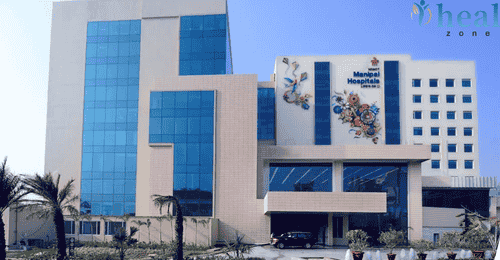
Manipal Hospital, Dwarka, New Delhi
Sector 6 Dwarka, Dwarka, Delhi, 110075
26
Specialities
380+
Beds Facility
118+
ICU Beds
2018
Established in
Contact Us for Best Pediatric Liver Transplant Hospitals in India
Why Choose the Best Pediatric Liver Transplant Hospitals in India?
Choosing the right hospital is the single most important decision for safety and long-term success.
Top paediatric transplant hospitals in India offer:
- Multidisciplinary paediatric transplant units where hepatology, transplant surgery, paediatric anaesthesia, PICU, nutrition and developmental therapists work together.
- Paediatric-specific ICU and ward environments with staff trained in neonatal and child critical care.
- High surgical volume and experience in left-lateral segment grafts and split liver techniques that are particularly suited to infants and toddlers.
- Comprehensive developmental and psychosocial services to support cognitive and emotional recovery after transplant.
- International patient services that provide clear packages, language assistance and telemedicine follow-up—important for families travelling from abroad.
These comprehensive capabilities improve early outcomes, support growth and minimize disruption to family life.
What are the Advanced Technologies and Surgical Infrastructure Available for Pediatric Liver Transplant?
Leading paediatric centres invest in technologies that make complex surgery safer and recovery faster.
Key technologies and infrastructure:
- 3D CT volumetry and virtual graft planning to ensure accurate graft-to-recipient size match and minimize biliary complications.
- Paediatric microvascular instruments and magnification for fine biliary and vascular anastomoses in small infants.
- Intraoperative fluorescence imaging (ICG) to visualise biliary anatomy and graft perfusion.
- Child-sized cardiopulmonary bypass and perfusion systems where required for complex re-operations.
- Advanced PICU monitoring with neonatal CRRT, high-precision infusion pumps and noninvasive haemodynamic monitoring to manage tiny patients safely.
- Interventional radiology suites to manage vascular or biliary complications without re-operation.
These investments reduce complication rates and speed recovery for children of all ages.
What are the Accreditations and Global Standards of These Hospitals?
Strive to choose centres with recognised quality standards.
Important credentials and practices:
- NABH accreditation and internal quality governance structures demonstrating infection control, surgical safety checklists and clinical audit processes.
- Child-safe policies including safeguarding protocols, paediatric nurse ratios and family-centred care standards.
- Adherence to international transplant guidelines for donor evaluation, consent and long-term surveillance.
- Outcome transparency through published institutional data or registry participation that demonstrates survival and complication rates.
Accreditation and transparent reporting give families confidence in clinical processes and outcomes.
What are the Comprehensive International Patient Care Services Provided by These Hospitals?
International families benefit from streamlined support at leading centres.
Common services include:
- Pre-arrival teleconsultation for records triage, urgency assessment and travel planning.
- Medical visa invitation letters and direct appointment scheduling to speed arrival and testing.
- Family accommodation options and on-site child facilities to support parents and siblings during hospitalization.
- Interpreter services and cultural liaison to reduce miscommunication and support informed consent.
- Transparent international packages delineating inclusions for donor and recipient, ICU, imaging and follow-up.
- Robust telemedicine and lab coordination to enable remote follow-up and local collaboration once families return home.
These services reduce logistical burden and allow parents to focus on their child’s recovery and wellbeing.
What are the Treatment Success Rates and Outcomes for Pediatric Patients?
When managed in accredited, experienced centres, paediatric transplant outcomes are very encouraging.
Outcome highlights:
- High short-term survival with many centres reporting one-year survival rates comparable to international paediatric transplant programmes.
- Good long-term survival and quality of life when graft function is maintained and developmental rehabilitation is integrated into follow-up.
- Improvement in growth and neurodevelopmental outcomes for children transplanted early before severe malnutrition or prolonged cholestasis impairs development.
Success depends on pre-transplant nutritional status, timing of transplant, centre experience and adherence to long-term follow-up.
What is the Surgery Cost Comparison of India with Other Countries?
Cost Comparison — Indicative (Paediatric Liver Transplant)
|
Country |
Average Cost (USD) (Paediatric Liver Transplant) |
|
USA |
$250,000 – $600,000+ |
|
UK |
$120,000 – $300,000 |
|
Singapore |
$100,000 – $250,000 |
|
India |
$15,000 – $45,000 |
India typically offers a 60–90% cost advantage for paediatric liver transplant care compared with many high-income countries while maintaining accredited clinical standards and paediatric expertise. Lower costs combined with specialised child-centred programmes make India an accessible option for families needing timely transplant access.
What is the Rehabilitation and Tele-Follow-Up Procedures?
Rehabilitation and follow-up are tailored to restore growth and developmental potential.
Rehabilitation components:
- Early nutritional rehabilitation with caloric targets, micronutrient repletion and feeding support to catch up on growth.
- Physiotherapy and occupational therapy to improve muscle strength, motor skills and endurance, particularly after prolonged pre-transplant illness.
- Developmental and cognitive support including speech therapy and school-reintegration programmes as indicated.
- Psychological support for the child and family to cope with stress, adherence and social reintegration.
Tele-follow-up:
- Regular virtual clinic reviews to monitor labs and growth parameters, reduce travel burden, and manage immunosuppression adjustments.
- Local lab coordination so families can have tests done locally and discuss results with the transplant team remotely.
- Emergency pathways and clear instructions for contacting the transplant centre if urgent issues arise.
Telemedicine maintains clinical continuity for overseas families and supports early intervention for problems that may otherwise require rehospitalisation.
How HealZone Supports International Pediatric Patients and Families?
HealZone organises the entire journey so families can focus on their child.
Key services:
- Tailored specialist matching with the best paediatric liver transplant doctors in India and hospitals that have strong paediatric outcomes.
- Pre-arrival clinical triage: remote record review, prioritised test lists and scheduling to reduce in-country time.
- Donor and recipient logistics: coordinating living-donor assessments, independent donor counselling, imaging and blood tests.
- Travel and family support: visa letters, flight assistance, family accommodation, interpreters and child-friendly hospitality arrangements.
- Transparent budgeting: detailed itemised cost estimates for evaluation, surgery, ICU and follow-up.
- On-ground coordination: a patient navigator who facilitates appointments, interprets clinical discussions and supports discharge planning.
- Post-discharge continuity: telemedicine follow-up, local lab coordination and medication procurement assistance for long-term care.
HealZone’s paediatric coordinators prioritise developmental outcomes, donor safety and family wellbeing, ensuring a child-centred, ethically sound pathway.
Paediatric liver transplantation in India combines surgical excellence, paediatric-specific critical care and affordable, family-focused services that restore health, growth and opportunity for children with end-stage liver disease. Choosing an accredited, high-volume centre and an experienced paediatric transplant team is critical for safety and long-term developmental outcomes. HealZone can prepare a personalised plan for your child—shortlisting the best paediatric liver transplant doctors in India, providing an itemised cost estimate, arranging pre-arrival teleconsultations and coordinating donor evaluation where needed. To begin, please upload your child’s latest medical reports (liver function tests, imaging, genetic/metabolic tests if available) and a brief clinical summary so we can arrange an expedited specialist review.
