
Nala soo xiriir
Daaweynta Ewing Sarcoma ee Hindiya: Qiimaha & Tilmaamaha Bukaannada Caalamiga ah
By Shaivana Bano
10 August 2026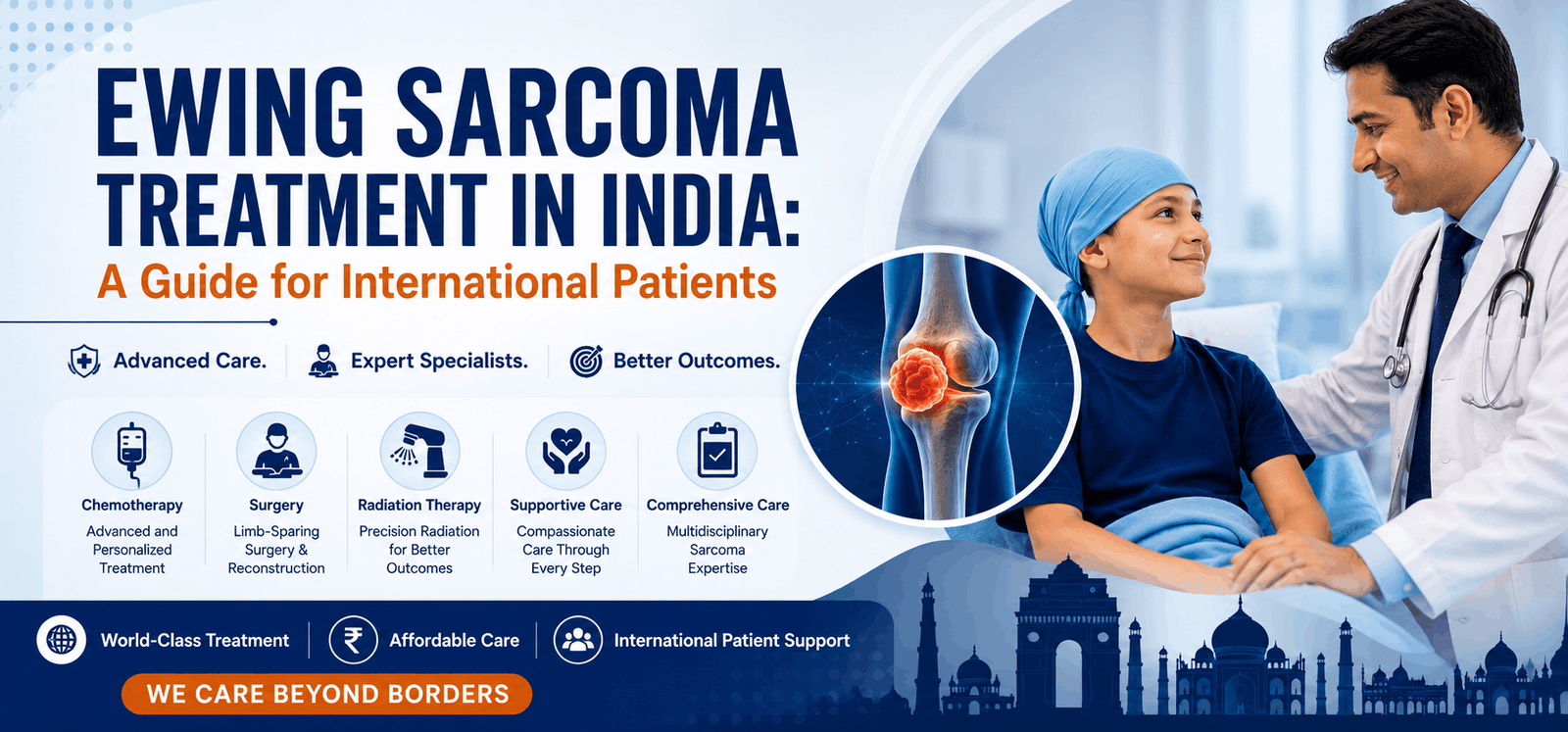
- Waa maxay Ewing Sarcoma?
- Maxaa sababa Ewing Sarcoma?
- Calaamadaha Ewing Sarcoma
- Ogaanshaha Ewing Sarcoma
- Marxaladda Ewing Sarcoma
- Daaweynta Ewing Sarcoma ee Hindiya
- Daawaynta Kiimikada ee Ewing Sarcoma
- Qalliinka loogu talagalay Ewing Sarcoma
- Daaweynta Shucaaca ee Ewing Sarcoma
- Daaweynta Burburka Ewing ee Metastatic
- Daaweynta Cudurka Ewing Sarcoma ee Soo Noqnoqda
- Qiimaha Daaweynta Ewing Sarcoma ee Hindiya
- Maxaad Hindiya ugu dooratay daaweynta Ewing Sarcoma?
- Sidee Bukaanada Caalamiga ah ugu Diyaargaroobi karaan Daaweynta Hindiya
- Intee in le'eg ayay qaadataa daaweynta Ewing Sarcoma ee Hindiya?
- Soo kabashada iyo Baxnaaninta
- Guusha iyo Saadaasha Daaweynta Ewing Sarcoma
- Saamaynnada iyo Dhibaatooyinka suurtagalka ah
- Waa maxay sababta daawaynta hore ay muhiim u tahay
- Maxaad u Dooranaysaa HealZone Daaweynta Ewing Sarcoma ee Hindiya?
- Ugu Dambeyn
Ewing sarcoma waa kansar naadir ah oo daran oo caadiyan ka soo baxa lafaha ama unugyada jilicsan, kaasoo inta badan saameeya carruurta, dhallinyarada, iyo dadka waaweyn ee da'da yar. In kasta oo ay saameyn karto ku dhawaad laf kasta oo jirka ku jirta, meelaha inta badan ku lug leh waxaa ka mid ah miskaha, lugaha, gacmaha, derbiga laabta, iyo lafdhabarta. Sababtoo ah Ewing sarcoma waxay ku faafi kartaa, ama ku faafi kartaa, burooyinka asalka ah, daaweyntu guud ahaan waxay ku lug leedahay hab dhammaystiran oo isku daraya kiimoterabiga iyo daaweynta maxalliga ah sida qalliinka ama daaweynta shucaaca.
Qoysaska ka safraya dibadda, daaweynta kansarka naadirka ah waxay noqon kartaa mid cabsi leh. Hindiya waxay dhistay xarumo kansar oo gaar ah oo lagu qalabeeyay kooxo badan oo khibrad u leh kansarka carruurta iyo dadka da'da yar, iyo sidoo kale kansarka lafaha, kansarka qalliinka, kansarka caafimaadka, kansarka shucaaca, cudurka, raajada, iyo baxnaaninta.
Daaweynta Ewing sarcoma ee Hindiya waxay ka koobnaan kartaa kiimoterabiga, qalliinka naafaynta addimada, daaweynta shucaaca, dib u dhiska, iyo, kiisaska khatarta sare leh ama soo noqnoqda, hababka daaweynta ee aadka u daran. Qorshaha daaweynta saxda ah waxaa loogu talagalay bukaan kasta wuxuuna ku xiran yahay arrimo ay ka mid yihiin goobta burooyinka, cabbirka, marxaladda, jawaabta kiimoterabiga bilowga ah, joogitaanka metastasis, iyo caafimaadka guud ee bukaanka.
Tilmaamahan wuxuu qeexayaa ogaanshaha, fursadaha daaweynta, safarka daaweynta la filayo, tixgelinta kharashka, soo kabashada, iyo macluumaadka muhiimka ah ee bukaanada caalamiga ah ay tahay inay maskaxda ku hayaan ka hor inta aysan u safrin Hindiya.
Waa maxay Ewing Sarcoma?
Ewing sarcoma waa nooc naadir ah oo kansar ah oo ka yimaada unugyo gaar ah oo ku jira lafaha ama unugyada jilicsan. Waa qayb ka mid ah koox burooyinka loo yaqaan Ewing sarcoma iyo sarcomas unugyo yar yar oo wareegsan oo aan la kala saarin.
Si ka duwan kansarro badan oo inta badan saameeya dadka waayeelka ah, Ewing sarcoma waxay inta badan ku dhacdaa carruurta, dhallinyarada, iyo dadka da'da yar. Kansarkani wuxuu ku dhici karaa:
- miskaha
- Femur
- Tiibi
- Feeraha
- dhabarta
- Arms
- Gacmaha iyo cagaha
- Darbiga xabadka
- Unugyada jilicsan ee ku wareegsan lafaha
Ewing sarcoma waxaa lagu gartaa awooddeeda ay ku kori karto deegaanka una faafi karto qaybaha kale ee jirka, gaar ahaan sambabada, lafaha, ama dhuuxa lafaha. Daaweyntu waxay caadi ahaan ka kooban tahay kiimoterabiga nidaamsan oo ay weheliso tallaabooyinka xakamaynta maxalliga ah . Daawaynta maxalliga ah waxay ka koobnaan kartaa qalliin, daaweyn shucaac, ama isku-darka labadaba, iyadoo ku xiran meesha burooyinka iyo sida ay uga jawaabto kiimoterabiga.
Maxaa sababa Ewing Sarcoma?
Sababta saxda ah ee keenta Ewing sarcoma si buuxda looma fahmin. Waxay la xiriirtaa isbeddellada hidde-sidaha ee gaarka ah ee unugyada burooyinka; si kastaba ha ahaatee, isbeddelladani waxay caadi ahaan ku dhacaan inta qofku nool yahay halkii laga dhaxli lahaa waalidkood. Waqtigan xaadirka ah, ma jiraan arrimo qaab nololeed oo la yaqaan, sida sigaarka ama cuntada, kuwaas oo sharxi kara inta badan kiisaska Ewing sarcoma . Maadaama cudurkani uu badanaa ku dhaco carruurta iyo dadka waaweyn ee da'da yar ee caafimaadka qaba, waalidiintu si la fahmi karo ayay ula yaabi karaan inay sameeyeen wax sababay. Inta badan xaaladaha, ma jirto hab la yaqaan oo looga hortago xaaladdan.
Calaamadaha Ewing Sarcoma
Calaamaduhu way kala duwanaan karaan iyadoo ku xiran meesha uu buro ka soo baxdo. Calaamadaha qaarkood waxay marka hore u ekaan karaan dhaawac isboorti, xanuun koritaan, ama dhibaato kale oo lafaha ah.
Calaamadaha caamka ah waxaa ka mid ah:
- Lafo xanuun joogto ah
- Barar ama buro muuqata
- Jilicsanaanta agagaarka aagga ay dhibaatadu saameysey
- Xanuun sii xumaanaya waqti ka dib
- Xanuun dhici kara habeenkii
- Dhaqdhaqaaqa addinka ay dhibaatadu saameysey
- Qandho aan la garanayn
- Daal
- Miisaanka oo aan la garanayn
- Dhaqdhaqaaqa jirka oo yaraaday
- Dhibaato socodka
- Jab ka yimaada lafo daciif ah xaaladaha qaarkood
Marka Ewing sarcoma ay ka dhacdo miskaha ama laf-dhabarta, astaamaheeda waxaa laga yaabaa inaysan isla markiiba muuqan. Burooyinka ku yaal derbiga laabta waxay keeni karaan barar ama xanuun ku wareegsan feeraha. Waa muhiim in xirfadle caafimaad uu qiimeeyo xanuun lafo oo joogto ah ama aan la garanayn, gaar ahaan haddii ay la socoto barar ama cufnaan la dareemi karo, halkii laga qaadan lahaa inay tahay dhaawac fudud.
Ogaanshaha Ewing Sarcoma
Ogaanshaha saxda ah waa lama huraan sababtoo ah Ewing sarcoma waxay u ekaan kartaa burooyinka lafaha kale ama xaaladaha aan caadiga ahayn.
Qiimaynta takhasuska leh waxaa ku jiri kara dhowr baaritaan.
X-Ray
Raajo X-ray ah badanaa waa mid ka mid ah baaritaannada sawir-qaadista ugu horreeya ee la sameeyo marka laga shakiyo buro lafo ah. Waxay muujin kartaa cillado ku jira qaab-dhismeedka lafaha.
Sawirka MRI
MRI waxay bixisaa macluumaad faahfaahsan oo ku saabsan burooyinka aasaasiga ah iyo muruqyada ku xeeran, neerfayaasha, xididdada dhiigga, iyo unugyada kale ee jilicsan.
Aad ayey muhiim u tahay qorsheynta qalliinka iyo go'aaminta baaxadda maxalliga ah ee burooyinka.
CT Scan
CT-ga waxaa loo isticmaali karaa in lagu qiimeeyo burooyinka iyo qaab-dhismeedka ku xeeran. CT-ga xabadka ayaa si gaar ah muhiim u ah sababtoo ah sambabadu waa mid ka mid ah goobaha caadiga ah ee Ewing sarcoma uu ku faafi karo.
PET-CT
PET-CT waxay kaa caawin kartaa qiimeynta dhaqdhaqaaqa dheef-shiid kiimikaadka iyo aqoonsashada meelaha cudurrada ee meelo kale oo jirka ah. Kooxda daweyntu waxay go'aamisaa in PET-CT ay ku habboon tahay iyadoo lagu saleynayo kiiska gaarka ah.
Baadhitaanka lafaha
Baaritaanka lafaha ayaa laga yaabaa in loo isticmaalo bukaanada la xushay si loo qiimeeyo in ay jiraan meelo dheeraad ah oo ku lug leh lafta.
biopsy
Baaritaanka biopsy-ga ayaa lagama maarmaan u ah xaqiijinta cudurka.
Kooxda baaritaanka unugyada dhiigga waa inay si taxaddar leh u qorsheeyaan baaritaanka kansarka sambabada, maadaama marin-haweedka baaritaanka unugyada dhiigga uu si weyn u saameyn karo qalliinka dambe iyo qorsheynta shucaaca. Tilmaamaha NCI waxay iftiiminayaan muhiimadda ay leedahay isku-dubaridka qorsheynta unugyada dhiigga ee kooxda daaweynta ee mas'uulka ka ah daryeelka saxda ah.
Baaritaanka Molecular iyo Pathology
Baaritaan gaar ah oo ku saabsan cudurka iyo baaritaanka molecular-ka ayaa laga yaabaa in la sameeyo si loo kala saaro Ewing sarcoma iyo burooyinka kale ee unugyada wareegsan ee yar yar.
Tani waxay noqon kartaa mid aad muhiim u ah sababtoo ah dhowr buro oo kale ayaa laga yaabaa inay u muuqdaan kuwo isku mid ah marka la eego mikroskoobka.
Marxaladda Ewing Sarcoma
Si ka duwan kansarrada qaarkood ee isticmaala nidaamka heerka I-IV ee caadiga ah, qorsheynta daaweynta ee Ewing sarcoma waxay si weyn diiradda u saartaa in cudurku uu yahay mid ku meel gaar ah ama mid faafa , oo ay weheliso cabbirka burooyinka, goobta, jawaabta kiimoterabiga, iyo arrimo kale oo caafimaad.
Ewing Sarcoma oo Deegaanka ah
Cudurrada maxalliga ah, kansarku wuxuu u muuqdaa mid ku kooban goobtii asalka ahayd iyada oo aan la ogaan karin metastases fog.
Daaweyntu waxay inta badan ku lug leedahay:
- Kiimoteraabiga nidaamsan
- Qalliinka iyo/ama daaweynta shucaaca ee xakamaynta maxalliga ah
- Kiimikada dheeraadka ah ka dib daaweynta maxalliga ah
Hababka daaweynta ee hadda jira waxay badanaa ku lug leeyihiin isku-darka daawooyinka kiimoterabiga, oo ay ku xigto dadaallada lagu xakameynayo cudurka maxalliga ah.
Kooma Ewing ee Metastatic
Burburka Ewing ee Metastatic-ka ah macnaheedu waa kansarku wuxuu ku faafay meel ka baxsan burooyinka aasaasiga ah.
Goobaha caadiga ah ee metastatic-ka waxaa ka mid ah:
- sambabada
- Lafo kale
- Lafaha lafaha
Daaweyntu waxay ku lug yeelan kartaa kiimoterabi xooggan oo lagu daro daawaynta lagu beegsanayo burooyinka aasaasiga ah iyo goobaha gaarka ah ee kansarka. Saadaasha cudurka faafa waxay ku xiran tahay arrimo ay ka mid yihiin goobta iyo baaxadda kansarka faafa, iyo sidoo kale jawaabta bukaanka ee daaweynta.
Kooma Ewing ee soo noqnoqda
Ewing sarcoma mararka qaarkood way soo noqon kartaa ka dib daaweynta bilowga ah. Soo noqoshada waxay ka dhici kartaa meel maxalli ah ama meel fog.
Daaweynta cudurrada soo noqnoqda waa mid shaqsiyeed waxaana ku jiri kara kiimoterabiga, qalliinka, daaweynta shucaaca, tijaabooyinka kiliinikada, ama habab kale oo takhasus leh.
Daaweynta Ewing Sarcoma ee Hindiya
Daaweynta waxaa guud ahaan qorsheeya koox takhasusyo badan leh oo sarcoma ah halkii ay ka ahaan lahayd hal dhakhtar.
Kooxdu waxay ku jiri kartaa:
- Dhakhtarka kansarka carruurta ama caafimaadka
- Dhakhtarka lafaha
- Kansarka qaliinka
- Khabiir ku takhasusay shucaaca
- Dhakhtarka raajada muruqyada
- Dhakhtarka cudurrada sambabada
- Dhakhtarka qalliinka carruurta
- Dhakhtar qalliin oo dib u habeyn ah
- Dhakhtarka Jidhka
- Khabiirka baxnaaninta
- Nafaqeenta
- Kooxda daryeelka xanuunka iyo taageerada
Habkan wada-shaqeyntu waa muhiim sababtoo ah go'aannada daaweyntu waxay u baahan yihiin inay isku dheelitiraan xakamaynta kansarka iyo ilaalinta dhaqdhaqaaqa, koritaanka, muuqaalka, iyo tayada nolosha.
Daawaynta Kiimikada ee Ewing Sarcoma
Daaweynta kiimoterabiga waa qayb muhiim ah oo ka mid ah daaweynta Ewing sarcoma sababtoo ah unugyada kansarka ee yar yar ayaa laga yaabaa inay horeyba u joogaan meelo kale xitaa marka sawiradu aysan muujin faafitaan fog.
Kiimikada waxaa badanaa la siiyaa ka hor daaweynta maxalliga ah:
- Iska yaree cabbirka burada
- Daawee cudurka mikroskoobiga ah
- Qiimee jawaabta burooyinka
- Ka dhig qalliinka mid fudud kiisaska la xushay
- Yaree khatarta soo noqoshada fog
Hal hab oo caadi ahaan loo isticmaalo waa VDC/IE , kaas oo vincristine, doxorubicin, iyo cyclophosphamide ku beddela ifosfamide iyo etoposide. Jadwalka daaweyntu way kala duwan yihiin iyadoo ku saleysan da'da, kooxda khatarta ah, hab-raaca daaweynta, iyo dhaqanka hay'adaha.
Kiimikada ayaa laga yaabaa inay sii socoto dhowr bilood, muddada saxda ahna waxay ku xiran tahay habka daaweynta iyo jawaabta.
Dhibaatooyinka suurtagalka ah waxaa ka mid ah:
- Dhimista timaha
- Lalabbo iyo matag
- Daal
- Tirada dhiigga oo yaraatay
- Khatarta caabuqa oo korodhay
- Af xanuun
- Isbeddellada cuntada
- Saamaynta la xiriirta kelyaha ama kaadiheysta ee ka timaadda daawooyinka qaarkood
- Sunta la xiriirta wadnaha ee la xiriirta daawooyinka qaarkood
- Saamaynta la xiriirta bacriminta ee bukaanada qaar
Daawooyinka taageerada leh iyo la socodka taxaddar leh ayaa loo isticmaalaa si loo maareeyo dhibaatooyinka la xiriira daaweynta.
Qalliinka loogu talagalay Ewing Sarcoma
Marka farsamo ahaan suurtagal tahay, qalliinka waxaa badanaa loo isticmaalaa in lagu saaro burooyinka asaasiga ah iyadoo la ilaalinayo shaqada caadiga ah intii suurtagal ah.
Ujeedadu waa in la gaaro ka saarista burooyinka oo dhammaystiran iyadoo la adeegsanayo geesaha ku habboon iyadoo la yareynayo saameynta shaqada iyo quruxda.
Hababka qalliinka waxaa ka mid noqon kara:
-
Qalliinka Limb-Sparing
Burooyinka ku lug leh gacanta ama lugta, dhakhaatiirta qalliinka ayaa laga yaabaa inay awoodaan inay ka saaraan burooyinka iyagoo ilaalinaya addinka.
Cilladda lafaha ama unugyada jilicsan ee ka dhalata waxay u baahan kartaa dib u dhis.
-
Dib u dhiska lafaha
Iyadoo ku xiran goobta, dib-u-dhiska waxaa ku jiri kara:
- Lafaha lafaha
- Dib-u-dhiska Endoprosthetic
- Qalab gaar ah
- Dib-u-dhiska bayoolojiga
- Farsamooyinka kale ee lafaha
-
Qalliinka Misigta
Burburka Pelvic Ewing wuxuu noqon karaa mid aad u adag sababtoo ah burooyinka waxaa laga yaabaa inay ku yaalliin meel u dhow neerfayaasha waaweyn, xididdada dhiigga, xubnaha, iyo qaab-dhismeedka culeyska qaada.
Sidaa darteed, khibrad gaar ah oo ku saabsan kansarka lafaha iyo dib-u-dhiska ayaa muhiim ah.
-
Qalliinka Darbiga Xabadka
Burooyinka ku lug leh feeraha ama derbiga laabta ayaa laga yaabaa inay u baahdaan qalliin laga saaro unugyada ay dhibaatadu saameysey, ka dibna dib u dhis haddii loo baahdo. Caadiyan, qalliinka waxaa la qorsheeyaa ka dib koorsada koowaad ee kiimoterabiga halkii laga heli lahaa isla markiiba ka dib ogaanshaha. Habkani wuxuu u oggolaanayaa kooxda kansarka inay qiimeeyaan jawaabta bukaanka ee daaweynta iyo inay qorsheeyaan xakamaynta maxalliga ah ee wax ku oolka ah ee burooyinka.
Daaweynta Shucaaca ee Ewing Sarcoma
Ewing sarcoma guud ahaan waxay u nugul tahay daaweynta shucaaca, taasoo ka dhigaysa shucaac ikhtiyaar muhiim ah bukaanada la xushay.
Shucaaca waxaa laga yaabaa in la tixgeliyo marka:
- Burada si buuxda si badbaado leh loogama saari karo
- Qalliinka wuxuu sababi karaa dhaawac aan la aqbali karin oo shaqeynaya ama qurxin ah
- Faa'iidada qalliinka ayaa ah mid aan ku filnayn
- Buradu waxay ku taal meel adag oo qaab-dhismeedka jirka ah.
- Waxaa jira cudur haray ka dib qalliinka
- Shucaaca ayaa loo baahan yahay goobaha la xushay ee metastatic-ka ah
- Shucaaca ayaa loo isticmaalayaa in lagu yareeyo astaamaha
Farsamooyinka casriga ah ee shucaaca waxaa loogu talagalay inay bixiyaan daaweyn sax ah iyadoo la yareynayo soo-gaadhista unugyada caafimaadka qaba ee ku xeeran. Iyada oo ku xidhan kiiska gaarka ah, daaweynta shucaaca waxay ku lug yeelan kartaa habab qorsheyn oo horumarsan, sida Daaweynta Shucaaca ee Xooggan (IMRT) ama farsamooyin kale oo qaabaysan. Marka ay timaado carruurta iyo dadka waaweyn ee da'da yar, taxaddar gaar ah waa in la sameeyaa inta lagu jiro qorsheynta shucaaca, maadaama unugyadooda soo koraya ay aad ugu nugul yihiin saameynta muddada dheer ee daaweynta.
Daaweynta Burburka Ewing ee Metastatic
Marka Ewing sarcoma uu ku faafo sambabada, lafaha, ama dhuuxa lafaha, daaweyntu waxay noqotaa mid aad u adag. Kiimikada nidaamsan ayaa weli ah qayb muhiim ah oo ka mid ah qorshaha daaweynta. Intaa waxaa dheer, fursadaha daaweynta maxalliga ah ayaa laga yaabaa in loo tixgeliyo burooyinka aasaasiga ah iyo goobaha la xushay ee metastasis.
Bukaannada qaba kansarka sambabada, daaweyntu waxay ku lug yeelan kartaa isku-darka kiimoterabiga, qalliinka, iyo/ama shucaaca, iyadoo ku xiran tirada iyo goobta nabarrada, iyo sidoo kale jawaabta bukaanka ee daaweynta. Daaweynta maxalliga ah waxay sidoo kale noqon kartaa ikhtiyaar loogu talagalay nabarro lafo ama unugyo jilicsan oo ku dhaca bukaanada si taxaddar leh loo soo xulay.
Istaraatiijiyadda daaweynta waxaa loogu talagalay qof kasta sababtoo ah Ewing sarcoma oo metastatic ah ayaa si ka duwan u dhaqanta marka loo eego cudurka maxalliga ah.
Daaweynta Cudurka Ewing Sarcoma ee Soo Noqnoqda
Marka Ewing sarcoma soo noqoto, daaweyntu waxay ku xiran tahay:
- Meesha ay ku soo noqnoqotay
- Waqtigii laga soo bilaabo ogaanshaha asalka ah
- Kiimoterabi hore
- Dawaynta shucaaca hore
- In qalliinku suurtogal yahay iyo in kale
- Guud ahaan caafimaadka
- Baaxadda cudurka soo noqnoqda
Hababka suurtagalka ah waxaa ka mid noqon kara:
- Isku darka kemotherabi
- Qalliinka
- Daweynta shucaaca
- Tijaabooyinka caafimaadka
- Daawayn kale oo takhasus leh oo hagaya
Qaar ka mid ah isku-darka kiimoterabiga ayaa muujiyay waxtarka cudurrada soo noqnoqda, laakiin ma jirto daaweyn caadi ah oo caalami ah oo loogu talagalay bukaan kasta.
Qiimaha Daaweynta Ewing Sarcoma ee Hindiya
Qiimaha daaweynta Ewing sarcoma ee Hindiya aad ayuu u kala duwan yahay sababtoo ah daaweyntu waxay socon kartaa dhowr bilood waxayna ku lug yeelan kartaa habab daaweyn oo badan.
Xirmada kama dambaysta ah waxay ku xiran tahay:
- Da'da bukaanka
- Meesha burada
- Cudurka deegaanka ama metastatic
- Nooca iyo muddada kiimoterabiga
- Kakanaanta qalliinka
- Shuruudaha dib-u-dhiska
- Daweynta shucaaca
- Joogitaanka isbitaalka
- Shuruudaha ICU
- Daawooyinka taageerada leh
- Dhibaatooyinka la xiriira daaweynta
- Shuruudaha dabagalka
Kharashyada caafimaad ee qiyaasta ah waxaa ka mid noqon kara:
| Daaweyn / Baaritaan | Qiimaha la qiyaasay (USD) |
|---|---|
| La-talinta Oncology | $ 30 - $ 50 |
| Baaritaannada Dhiiga | $ 50 - $ 150 |
| Sawirka MRI | $ 150 - $ 300 |
| CT Scan | $ 120 - $ 250 |
| Sawirka PET-CT | $ 300 - $ 500 |
| Baaritaanka Tumor-ka iyo Baaritaanka | $ 300 - $ 800 |
| Baaritaanka Molecular/Hiddaha | $ 300 - $ 1,000 |
| Chemotherapy | $600 - $1,500 wareeggiiba |
| Qalliinka Ewing Sarcoma | $ 5,000 - $ 12,000 |
| Qalliinka Limb-Sparing | $ 7,000 - $ 15,000 |
| Dib-u-dhiska/Goobta lagu tallaalo | $ 3,000 - $ 10,000 + |
| Daaweynta Shucaaca | $ 3,500 - $ 7,000 |
| Joogitaanka Cisbitaalka | $ 100 - $ 350 maalintii |
Kuwani waa kala duwanaansho tilmaameed halkii laga eegi lahaa qiimaha xirmooyinka go'an. Kharashka dhabta ah waa in la xisaabiyaa ka dib marka dib loo eego cudurka bukaanka, sawir-qaadista, taariikhda daaweynta, iyo hab-raaca daaweynta ee la soo jeediyay.
Maxaad Hindiya ugu dooratay daaweynta Ewing Sarcoma?
Bukaannada caalamiga ah waxay u tixgelin karaan Hindiya daaweynta Ewing sarcoma sababtoo ah waddanku wuxuu isku daraa daryeelka kansarka ee gaarka ah iyo kharashyada daryeelka caafimaadka ee la awoodi karo marka la barbar dhigo.
Daryeelka Cudurka Sarcoma ee Xirfadlayaasha badan leh
Kiisaska sarcoma ee adag waxay ka faa'iideystaan go'aan qaadasho isku dhafan oo u dhexeeya kooxaha kansarka, qalliinka, shucaaca, cudurrada, raajada, iyo baxnaaninta.
Xarumaha Baadhista Sare
Bukaanada caalamiga ah waxay heli karaan MRI, CT, PET-CT, cudurada gaarka ah, baaritaanka molecular-ka, iyo baaritaanno kale oo loo baahan yahay si loo diyaariyo iyo qorsheynta daaweynta.
Khabiirada Ka-badbaadinta Addimada
Meesha ay ku habboon tahay, kooxaha takhasuska leh ee kansarka lafaha ayaa qiimeyn kara in qalliinka iyo dib-u-dhiska lafaha ee la badbaadiyo ay suurtogal tahay.
Daaweynta Shucaaca Sare
Xarumaha kansarka ee casriga ah waxay bixiyaan farsamooyin shucaac sax ah oo la tixgelin karo marka shucaac loo baahdo si loo xakameeyo deegaanka.
Kharashka Faa'iidada
Daaweynta Hindiya guud ahaan waa mid aad u jaban marka loo eego waddamada sida Mareykanka, Boqortooyada Ingiriiska, iyo dhowr suuq oo kale oo daryeel caafimaad oo qiimo sare leh.
Isuduwidda Bukaanka Caalamiga ah
Fududeeyayaasha dalxiiska caafimaadka iyo waaxaha bukaanka caalamiga ah ee isbitaalka ayaa kaa caawin kara:
- Dib u eegista warbixinta caafimaadka
- Ballanqaadka Dhakhtarka
- Qiyaasaha daaweynta
- Dukumeenti fiisaha caafimaadka
- Bedelka duulimaadka
- Accommodation
- Adeegyada turjubaanka
- Gaadiidka maxalliga ah
- Isuduwidda dabagalka
Sidee Bukaanada Caalamiga ah ugu Diyaargaroobi karaan Daaweynta Hindiya
Qoysaska u safraya Hindiya si loogu daaweeyo Ewing sarcoma waa inay si fiican u habeeyaan diiwaankooda caafimaad ka hor inta aysan bixin.
Dukumentiyada muhiimka ah waxaa ka mid noqon kara:
- Warbixinta biopsy
- Sibidhyo ama baloogyo cudur, marka la heli karo
- Sawirrada iyo warbixinnada MRI
- CT scan
- Warbixinnada PET-CT
- Sawir-qaadista laabta
- Warbixinnada baaritaanka dhiigga
- Diiwaanada kiimoterabiga ee hore
- Diiwaanada daaweynta shucaaca
- Warbixinnada qaliinka
- Liiska daawada
- Soo koobida bixinta
- Warbixinnada baaritaanka hidde-sidaha ama molecular-ka
Nuqullo dhijitaal ah ayaa lala wadaagi karaa isbitaalka daaweynta si dib loogu eego hordhaca.
Bukaannada horey u maray baaritaanka unugyada dhiigga, waxaa sidoo kale faa'iido leh in la weydiiyo in walxaha cudurka loo diyaarin karo dib u eegis ay sameeyaan kooxda baaritaanka kansarka sambabada ee Hindiya.
Intee in le'eg ayay qaadataa daaweynta Ewing Sarcoma ee Hindiya?
Daaweynta Ewing sarcoma badanaa waa geedi socod waqti dheer ah halkii ay ka ahaan lahayd hal habraac.
Safarka daaweynta caadiga ah wuxuu ku lug yeelan karaa:
Qiimaynta bilowga ah → Diyaarinta → Kiimikada Kiimikada → Qalliinka iyo/ama shucaaca → Kiimikada Kiimikada dheeraadka ah → La socosho
Daaweynta kiimoterabiga badanaa waxay socotaa dhowr bilood, halka waqtiga guud ee daaweyntu uu kala duwanaan karo iyadoo ku xiran jawaabta bukaanka iyo qorshaha daaweynta.
Qoysaska caalamiga ah waa inay kala hadlaan muddada la filayo inay joogaan isbitaalka daawaynaya ka hor inta aysan safrin. Xaaladaha qaarkood, waxaa laga yaabaa inay macquul tahay in guriga lagu laabto inta u dhaxaysa marxaladaha daaweynta haddii kooxda caafimaadku ay u arkaan inay tahay mid ammaan ah oo la socon karo xaaladda.
Soo kabashada iyo Baxnaaninta
Soo kabashadu waxay ku xiran tahay meesha burooyinka ay ku yaalliin iyo nooca daaweynta la helay.
Bukaannada qalliinka lafaha maraya waxay u baahan karaan dhaqan celin habaysan si ay dib ugu soo kabtaan:
- Awoodda muruqyada
- Dhaqdhaqaaqa wadajirka ah
- Balance
- Awoodda socodka
- Madax-bannaanida hawlaha maalinlaha ah
Carruurtu waxay u baahan karaan taageero dheeraad ah si ay u ilaaliyaan horumarka caadiga ah iyo ka qaybgalka iskuulka.
Dib-u-habayntu waxay ka koobnaan kartaa:
- Jir-dhiska jirka
- Daaweynta shaqaynta
- Tababarka dhaqdhaqaaqa
- maamulka xanuun
- Taageero nafaqo
- Taageero nafsi ah
- Taageerada qalabka macmalka ah ama qalabka orthotic marka loo baahdo
Qorshaha dhaqan celinta waa in lala xiriiriyaa kooxaha kansarka iyo qalliinka.
Guusha iyo Saadaasha Daaweynta Ewing Sarcoma
Saadaasha ayaa si weyn ugu kala duwan bukaanada.
Qodobbada muhiimka ah waxaa ka mid ah:
- Hadday cudurku yahay mid deegaan ah ama mid faafa
- Cabbirka burada
- Meesha burada
- Jawaabta kiimoterabiga bilowga ah
- Joogitaanka iyo goobta metastases-ka
- Age
- Awood u lahaanshaha in la gaaro xakameyn maxalli ah oo wax ku ool ah
- Bayoolajiga burooyinka
Bukaannada qaba cudurka Ewing sarcoma ee maxalliga ah kuwaas oo qaadanaya daaweyn casri ah oo multimodal ah, Machadka Qaranka ee Kansarka (NCI) ayaa ku warramaya in qiyaastii 70% ay gaaraan heer badbaado oo aan dhacdo lahayn muddo 5 sano ah iyo heer badbaado guud ah goobaha daaweynta ee casriga ah. Natiijooyinka guud ahaan ma fiicna bukaanada cudurkoodu hore u faafay, inkastoo saadaasha ay kala duwanaan karto iyadoo ku xiran qaabka metastatic iyo jawaabta daaweynta.
Tirooyinkani waxay matalaan natiijooyinka heerka dadweynaha mana aha in loo isticmaalo in lagu saadaaliyo natiijooyinka bukaan gaar ah. Kooxda daaweynta sarcoma waxay bixin karaan qiimeyn macno leh ka dib marka ay dib u eegaan sawirka caafimaad ee dhammaystiran.
Saamaynnada iyo Dhibaatooyinka suurtagalka ah
Dhibaatooyinka la xiriira daaweynta waxay ku xiran yihiin daaweynta la isticmaalo.
Chemotherapy
Saamaynta suurtagalka ah waxaa ka mid ah:
- Tirooyinka dhiiga oo hooseeya
- Caabuqa
- Lalabbo
- Daal
- Dhimista timaha
- Af xanuun
- Isbeddellada cuntada
- Sunta gaarka u ah xubnaha
Qalliinka
Dhibaatooyinka suurtagalka ah waxaa ka mid noqon kara:
- Caabuqa
- Dhiigbaxa
- Dhibaatooyinka dhaawaca
- Dhaawaca neerfaha ama xididdada dhiigga
- Dhaqdhaqaaqa oo yaraada
- Dhibaatooyinka la xidhiidha maqaar-galaha
Daaweynta Shucaaca
Saamaynta suurtagalka ah waxay ku xiran tahay goobta daaweynta waxaana ka mid noqon kara:
- Isbeddelka maqaarka
- Daal
- Saamaynta unugyada maxalliga ah
- Saamaynta la xiriirta koritaanka ee carruurta
- Isbeddellada unugyada muddada dheer
Kooxdaada daaweynta waa inay sharxaan khataraha gaarka ah ka hor inta aan la bilaabin daawaynta.
Waa maxay sababta daawaynta hore ay muhiim u tahay
Ewing sarcoma si dhakhso ah ayuu u horumari karaa wuxuuna ku faafi karaa meelo fog oo jirka ah. Qiimaynta hore ee khubarada ayaa muhiim u ah si loo xaqiijiyo ogaanshaha, loo horumariyo cudurka, loona sameeyo qorshe daaweyn oo ku habboon. Cudurka sarcoma ee laga shakisan yahay waa in lagu qiimeeyaa xarun khibrad u leh daaweynta sarcoma lafaha iyo unugyada jilicsan. Machadka Qaranka ee Kansarka (NCI) wuxuu xoogga saarayaa muhiimadda qiimeynta hore ee takhasusyada badan leh, taas oo ay tahay inay ku lug yeeshaan khubaro ku takhasusay kansarka caafimaadka, kansarka qalliinka/lafaha, kansarka shucaaca, raajada, iyo cudurada. Bukaannada caalamiga ah, u dirista warbixinnada caafimaadka xarunta kansarka Hindiya ka hor inta aysan safrin waxay ka caawin kartaa kooxda caafimaadka inay go'aamiyaan baaritaannada dheeraadka ah ee loo baahan karo iyo in daaweynta la qorsheyn karo ka hor.
Maxaad u Dooranaysaa HealZone Daaweynta Ewing Sarcoma ee Hindiya?
HealZone waxay caawisaa bukaanada caalamiga ah ee raadinaya daaweyn kansar oo gaar ah oo Hindiya ah iyadoo isku dubaridaysa dhinacyada caafimaadka iyo saadka ee safarkooda.
Bukaannada qaba cudurka Ewing sarcoma, taageerada waxaa ka mid noqon kara:
- Isuduwidda warbixinta caafimaadka ee hordhaca ah
- Jadwalaynta la-tashiga takhasuska leh
- Iskuduwidda isbitaalka
- Qiyaasta kharashka daaweynta
- Caawinta fiisaha caafimaadka
- Qaadista garoonka diyaaradaha
- Habaynta hoyga
- Gaadiidka maxalliga ah
- Adeegyada turjubaanka
- Isuduwidda bukaanka ee go'an
- Qabanqaabada la-tashiga dabagalka ah
Qoysaska la tacaalaya kansarka carruurnimada ama kuwa da'da yar-yar badanaa waa inay isla mar ahaantaas maareeyaan go'aannada caafimaadka, dhaqaalaha, iyo kuwa la xiriira safarka. Haysashada isku-dubaride u heellan ayaa ka dhigi kara hawsha mid aad u habaysan oo yarayn karta dib u dhaca aan loo baahnayn.
Ugu Dambeyn
Ewing sarcoma waa nooc kansar ah oo naadir ah laakiin la daaweyn karo oo u baahan daryeel gaar ah oo isku xiran. Maadaama cudurku uu ku faafi karo burooyinka aasaasiga ah, daaweyntu waxay caadi ahaan isku daraysaa kiimoterabiga nidaamsan iyo qalliin, daaweynta shucaaca, ama labadaba si loo xakameeyo deegaanka.
Hindiya waxay siisaa bukaanada caalamiga ah fursad ay ku helaan kooxo kansar oo xirfad sare leh, xarumo baaritaan oo heer sare ah, kansarka lafaha, qalliinka nabarrada, hababka dib-u-dhiska, daaweynta shucaaca casriga ah, iyo daryeel taageero oo dhammaystiran. Qiimaha daaweynta ee Hindiya oo hooseeya ayaa ka dhigi kara ikhtiyaar soo jiidasho leh qoysaska ka safraya dibadda.
Qorsheynta daaweynta ugu wanaagsan, bukaanadu waa inay raadsadaan qiimeyn koox takhasus leh oo ku takhasustay sarcoma halkii ay ku tiirsanaan lahaayeen hal hab oo daaweyn ah. Kahor intaadan safrin, waxaa waxtar leh inaad la wadaagto warbixinnada dhammaystiran ee cudurrada, natiijooyinka sawir-qaadista, iyo diiwaannada daaweynta ee hore khubarada Hindiya. Macluumaadkani wuxuu u oggolaanayaa inay si buuxda u eegaan kiiska oo ay sameeyaan qorshe daaweyn shaqsiyeed.
Qoysaska caalamiga ah ee ka fiirsanaya daaweynta Hindiya, HealZone waxay kaa caawin kartaa isku-dubaridka la-talinta, isbitaallada, qiyaasaha daaweynta, diyaarinta safarka, hoyga, kaalmada fiisaha caafimaadka, iyo taageerada dabagalka.
Afeef Caafimaad: Daaweynta Ewing sarcoma waa in ay habaysaa koox aqoon u leh kansarka. Xulashooyinka daaweynta, kharashyada, waqtiyada, iyo natiijooyinka way kala duwanaan karaan bukaan ilaa bukaan. Macluumaadka lagu bixiyay maqaalkan waa ujeeddooyin waxbarasho oo keliya mana aha in lagu beddelo la-talin khabiir.
Nala soo xiriir
Written by

B.Sc & M.Sc. ee Tignoolajiyada Sawirka Caafimaadka

Dr. Hemant Sharma
MBBS, DNB, MRCS, FRCS
Qalliinka Lafaha iyo Beddelka Wadajirka ah
26 Sanno Oo Khibrad Leh
Dr. Subxaash Jangid
MBBS, MS, DNB, MCh
Qalliinka Lafaha iyo Beddelka Wadajirka ah
26 sano oo Khibrad ah
Blogskii ugu dambeeyay
Faallooyin
Waxaan ahay Fadel Abu Muhammad oo ka yimid Tal Afar, Ciraaq Aabahay waxa ku dhacay buro maskaxda ah. Waxaan u socdaalnay Hindiya ilaa Accord Specialty Hospital, New Delhi, anagoo sii marinayna borofisar degane, Muhammad, Dr. Vikram, kaas oo ku baaqay qalliinka laparoscopic ka saarida burada. Allaa mahad leh waxaan u mahadcelinayaa turjubaanka, dhakhtarka, iyo dhamaan shaqaalaha isbitaalka.
La dhajiyay

Waxaan ahay Muxammad Reda oo reer Baqdaad ah, Ciraaq waxa aan ka cabanayay tabar darro xagga gacantayda bidix ah. Waxa la igu sameeyay baadhitaano waxa ii soo baxday in ay buro maskaxda iga soo baxday. Turjubaanka, Muqeem Muxammad, ayaa nala soo xidhiidhay, waxaanu u socdaalnay dalka Hindiya. Waxa aan sameeyay qaliinka neerfaha ee uu ku sameeyay Dr. Sandeep Vashya Alxamdulilah, qaliinkii waxa uu ku dhamaaday si guul ah kombayutarka oo aan joognay Isbitaalka Fortis ee New Delhi waxaan u mahadcelinayaa turjubaanka iyo dhakhtarka.
La dhajiyay
Dhammaan mahad-naq iyo bogaadin waxaan u jeedinaynaa turjumaanka cajiibka ah ee Mohammed Muqiim, oo runtii ahaa garab-taag weyn iyo wehel intii aan ku guda jirnay safarka hooyaday lagu daweynayo Hindiya. Waxa uu ahaa mid aad u caawiyey, si qoto dheer u fahmay dhammaan baahiyahayaga, samir, iyo u heellanaanta shaqadiisa, taas oo fududaysay wax badan oo dhib iyo caqabado ah oo aan la kulannay ka maqnaashaha guriga. Joogitaankiisa nala ma ahayn oo kaliya tarjumida erayada laakiin wuxuu ku saabsanaa bixinta taageero bini'aadan oo dhab ah xaalad kasta iyo daqiiqad kasta. Ilaahay ha barakeeyo, wax badan oo uu noo qabtayna ha ka abaal mariyo.
La dhajiyay
Waxaan ahay Emad Mohammed Khadir oo u dhashay Ciraaq. Waxaan la ildarnaa cirrhosis iyo kansarka beerka. Waxaan imid Isbitaalka Fortis ee Hindiya si aan u arko Dr. Ankur Bahil, oo ah lataliye ku takhasusay kansarka, aniga oo kaashanaya turjumaankayaga, borofisar deggan Mohammed Al Hindi. Ilaah baa mahad leh, waxaan helnay qiyaasaha daaweynta kemotherabi. Dhakhtarka iyo dhammaan shaqaalaha cusbitaalku waxay ahaayeen kuwo aad u naxariis badan oo waxtar leh. Ilaahay ha barakeeyo dhamaantood. Mahadsanid
La dhajiyay
Waxaan ahay Redha Fadel oo ka yimid Nasiriyah, Ciraaq. Waxaa igu dhacay buro lafo, osteosarcoma. Waxaan u safray Hindiya si aan u arko Dr. Ankur, oo ku takhasusay kansarka ee Isbitaalka Fortis, aniga oo gacan ka helaya Shirkadda Dalxiiska Caafimaadka ee Hill Zone, Professor Muqeem Muhammad Al Hindi. Waxaan kaaga mahadcelinayaa dadnimadaada iyo adeegyadaada.
La dhajiyay
assalaamu calaykum. waxaan ka imid Ciraaq Walaalkay waxa uu ka cabanayaa buro bowdada bidix ah (osteosarcoma). Waxaan u nimid Al-Nahda si loo daweeyo. Waxaan joognay Isbitaalka Fortis laba bilood. Hadda waxaan aadeynaa Ciraaq waxaana ku laaban doonaa Hindiya si aan u dhamaystirno daaweynta iyo qalliinka beddelka wadajirka ah. Waxaan jeclaan lahaa inaan u mahadceliyo turjumaanka Hindiga ah ee aadaabta leh, Muqeem Mohammed Al-Hindi. Waxa uu ahaa walaalkeen ka hor inta aanu turjumaan noqon, wax badana naga caawiyay xanuunka walaalkay. Mahadsanid, Muqeem. Waad ku mahadsan tahay, Fortis Hospital. Mahadsanid, Dr. Ankur.
La dhajiyay
assalaamu calaykum, waxaan ka imid Ciraaq. Magacaygu waa Majid Mazhar Kazim. Walaalkay waxa uu la ildaran yahay burooyin, markaa waxaanu la xidhiidhnay bare ka mid ah dadka deegaanka oo lagu magacaabo Muhammad Al-Hindi, waxaanu u dirnay warbixino caafimaad. Wuxuu naga soo dhaweeyay gegida dayuuradaha ee New Delhi. Waxaan aad ugula talinayaa bukaanka Ciraaq. Waa mid waxtar leh oo akhlaaq leh. Isagu nagama uu celin oo nagama uu tegin tan iyo maalintii ugu horraysay ilaa ugu dambaysay. Waxa kale oo uu na geeyey madaarka. Dhammaantood waan u mahadcelinayaa.
La dhajiyay
Waxaan ahay Mohammed Kazim oo ka yimid Ciraaq, Baabuloon. Walaalkay Mushtaq waxa uu la ildaran yahay qoorgooyaha. Waxaan u nimid Hindiya ilaa Isbitaalka Fortis anagoo u sii marinayna borofisar deganahay, Mohammed, maamulaha Adeegyada Caafimaadka ee Aagga Hill. Waxaan uga mahadcelinayaa sida wanaagsan ee ay ula dhaqmeen iyo turjumadoodii. Wuxuu ahaa safar lagu farxo oo miro dhal ah. Alxamdulilaah.
La dhajiyay
Waxaan ka imid ciraaq tilafar, waxaan u imid Hindiya daawaynta cudur difaac ah, waxaan u mahadcelinayaa Mr Muqeem iyo shaqaalaha isbitaalka, Marego Asia Hospital
La dhajiyay
waxaan ka imid Ciraaq Wiilkaygu wuxuu la ildarnaa cudurka Hirayama. Waxaan wacay Aagga Heal, oo waxay diyaariyeen safarkayaga daawaynta. Hadda wiilkaygu waa wanaagsan yahay, dhaqdhaqaaqii fartiisana wuu soo noqday.
La dhajiyay